
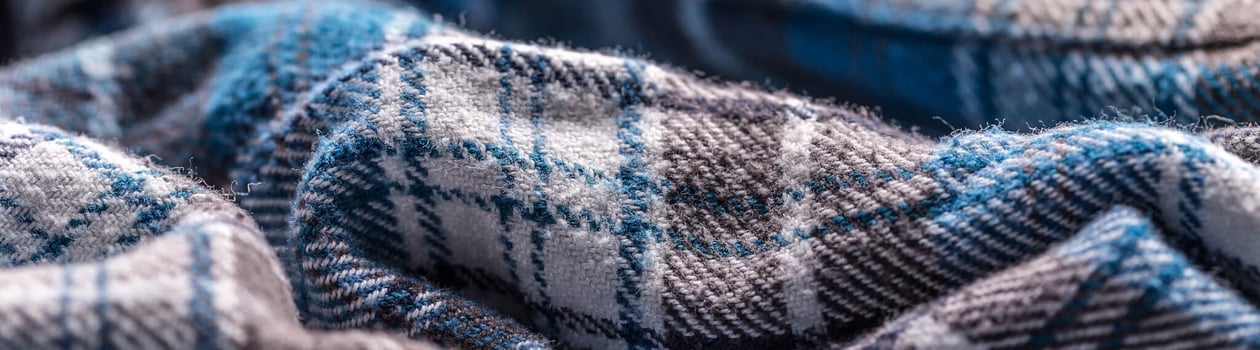
National Flannel Day celebrates the warmth and style of flannel fabric. People love this day because it highlights the cozy comfort of flannel, a material known for keeping folks warm during chilly weather.
It’s a day to wear your favorite flannel shirts or buy new ones, adding fresh pieces to your wardrobe. This fabric has become a staple for many due to its versatility and timeless appeal.
The day is also a chance to learn more about Flannel’s rich history. From its origins in Wales to its popularity among American workers and its role in the grunge fashion of the 1990s, flannel has a fascinating story.
And on National Flannel Day, people come together to celebrate all of these aspects of this delightful fabric.
How to Celebrate National Flannel Day
Flannel Fashion Showdown
Throw a flannel fashion show! Everyone dons their finest flannel attire and struts their stuff. Add a twist by awarding prizes for the most creative outfits.
Encourage layers, accessories, and unique combinations. Capture the fun with photos and share them online. Let flannel lovers showcase their style and creativity.
Cozy Movie Marathon
Transform your living room into a cozy cinema. Invite friends for a movie marathon featuring classic films or new releases.
Ensure everyone wears their comfiest flannel pajamas. Stock up on popcorn, hot chocolate, and cozy blankets. A flannel-themed movie night promises warmth and relaxation.
Flannel Crafting Fun
Get crafty with flannel fabric. Host a crafting session where participants make flannel-themed items like blankets, pillows, or even holiday decorations.
Provide various flannel patterns and crafting supplies. Everyone leaves with a handmade flannel keepsake. It’s a creative and cozy way to celebrate.
Flannel Feast
Organize a flannel-themed potluck dinner. Guests bring dishes inspired by hearty, comfort foods that match the cozy vibe of flannel.
Decorate the dining area with flannel tablecloths and napkins. Enjoy a night of good food and great company, all wrapped up in flannel warmth.
Social Media Flannel Fest
Flood social media with flannel pride. Post pictures of your favorite flannel outfits, share fun facts about the fabric, and use hashtags to connect with fellow flannel enthusiasts.
Encourage friends and followers to join in. It’s a fun way to spread flannel cheer far and wide.
Flannel Trivia Night
Host a trivia night dedicated to all things flannel. Prepare questions about its history, cultural impact, and famous flannel wearers.
Invite friends for an evening of friendly competition. Award flannel-themed prizes to the winners. It’s a fun and educational way to celebrate.
Outdoor Flannel Adventure
Plan an outdoor adventure wearing flannel. Whether it’s a hike, picnic, or camping trip, flannel clothing keeps everyone warm and stylish.
Pack flannel blankets and enjoy the great outdoors. Capture memories with photos and share the flannel fun with others.
Flannel Gift Exchange
Organize a flannel-themed gift exchange. Participants bring flannel-related gifts, like shirts, scarves, or blankets.
Draw names and exchange gifts while enjoying snacks and drinks. It’s a delightful way to spread flannel love and enjoy a cozy gathering.
History of National Flannel Day
National Flannel Day began in 2013 to honor Flannel’s rich cultural and historical significance. Though the exact creator remains unknown, the day quickly gained popularity.
The celebration highlights flannel’s journey from its origins in 16th-century Wales to becoming a staple in fashion and workwear.
Early Welsh weavers crafted this warm fabric, which then spread across Europe during the Industrial Revolution.
In the United States, flannel became popular during the late 19th and early 20th centuries, especially among workers in factories, railroads, and logging camps.
It symbolized ruggedness and practicality. During the 1990s, flannel surged in popularity again with the grunge music scene, thanks to bands like Nirvana and Pearl Jam. This renewed interest cemented flannel as a versatile and enduring fabric.
Understanding the cultural and historical significance of flannel adds depth to why we cherish this fabric so much. It’s not just about wearing flannel but appreciating its journey and its impact on fashion and functionality.
Flannel’s widespread use across various activities makes it beloved by many. Whether it’s worn by farmers, outdoor enthusiasts, or fashion icons, flannel remains a symbol of both ruggedness and comfort.
Started in 2013, National Flannel Day is celebrated by wearing flannel clothing, learning about its history, and appreciating its warmth and comfort. It serves as a reminder of the fabric’s enduring appeal and its role in various cultural moments throughout history.
National Flannel Day FAQs
What is the difference between flannel and plaid?
Flannel is a type of soft, warm woven fabric (traditionally wool, now often cotton or blends) that is usually brushed to raise a fuzzy “nap.”
Plaid is a pattern made of intersecting stripes or checks that can be woven or printed onto many fabrics, including but not limited to flannel, cotton broadcloth, or synthetics. In other words, flannel describes the fabric; plaid describes the design.
How does modern flannel fabric stay warm while still feeling breathable?
Modern flannel stays warm because its loosely spun yarns and brushed (napped) surface trap pockets of air, creating insulation against the cold.
When made from breathable fibers like cotton or wool in a plain or twill weave, it still allows some air and moisture vapor to pass through the fabric, so it feels less stifling than non‑breathable synthetics of similar warmth.
Wool flannel, in particular, can absorb moisture vapor while remaining relatively dry to the touch, which helps maintain comfort in cool, damp conditions.
Is cotton flannel or wool flannel better for cold weather?
Wool flannel generally insulates better weight‑for‑weight and stays warmer when damp, making it preferable for very cold or wet environments.
Cotton flannel offers good warmth and a soft feel but loses much of its insulating ability when wet and tends to feel colder if it becomes saturated.
For indoor wear or mild cold, cotton flannel is often sufficient and easier to care for; for harsher outdoor conditions, wool flannel usually performs better.
How is flannel fabric manufactured today?
Most modern flannel is made by spinning fibers such as cotton, wool, or synthetics into yarn, weaving them in a plain or twill weave, and then “napping” or brushing the fabric on one or both sides.
This mechanical brushing lifts surface fibers to create the characteristic fuzzy texture and added warmth.
After napping, the fabric is typically dyed or printed (often in checks or plaids), may be pre‑shrunk, and can receive extra finishes like wrinkle‑resistant or flame‑retardant treatments depending on the intended use.
What is the difference between flannel and flannelette?
In textile terminology, flannel is usually a medium‑weight woven fabric that may be napped on one or both sides and can be made from wool, cotton, or blends.
Flannelette most often refers to a lighter‑weight, usually cotton fabric with a napped surface (often on just one side) designed to imitate the feel of heavier flannel.
Flannelette is widely used for items like sheets and lightweight pajamas, whereas traditional flannel is common in shirts, heavier sleepwear, and cold‑weather garments.
Are natural‑fiber flannel fabrics environmentally preferable to synthetic “fleece‑like” materials?
From an end‑of‑life perspective, flannel made from 100% natural fibers such as cotton or wool is biodegradable and does not shed persistent microplastics, unlike polyester‑based fleece or flannel blends that release synthetic microfibers during washing.
However, environmental impact also depends on how the fiber is produced: conventional cotton can involve heavy water and pesticide use, while wool has livestock‑related impacts such as methane emissions.
Overall sustainability is influenced by farming practices, garment durability, and fiber blends rather than by the flannel weave alone.
Why do some people find wool flannel itchy while others do not?
Discomfort from wool flannel is usually caused by the physical “prickle” of coarser wool fibers bending against the skin rather than a true allergy to wool itself, which is relatively rare.
People with sensitive skin tend to react more to larger‑diameter, stiffer fibers or to certain dyes and chemical finishes. Finer wools (such as merino) and high‑quality finishing processes can make wool flannel significantly more comfortable for many wearers.

You may also like
National Seersucker Day
Celebrate National Seersucker Day by embracing this classic striped fabric, its cool summer style, and its quirky Capitol Hill tradition in American fashion.

National Cotton Candy Day
Head over to your local funfair for an airy, spun-sugar treat or whip up creative cakes and cocktails like cotton candy cupcakes and fairy floss martinis.
- Australia
- Canada
- United Kingdom
- and 1 more

National Comfy Day
Wrapping yourself up in a warm cocoon, and snuggling with your favorite book or movie is what makes life worth living.
National Natural Fibers Day
National Natural Fibers Day celebrates the wonder of fibers that nature gives us—like cotton, wool, silk, and flax. It highlights their strength, breathability, and the simple joy of wearing or using something soft and sturdy. The day honors farmers, artisans, and makers who bring these materials to life. It also sparks...
National days and holidays on February 10 2027

Ramadan
During this holy month, Muslims fast from sunrise to sunset, focusing on spiritual reflection and community. Ramadan is a time for self-improvement and bringing people together in celebration of faith.

Carnival of Brazil
Samba music, vibrant costumes, and non-stop dancing—this annual festival in Rio de Janeiro is the ultimate party experience you won't forget!

World Pulses Day
These plant-based protein sources offer nutrition, sustainability, and versatility, enriching meals and promoting health and wellness.

All the News That’s Fit to Print Day
All the News That’s Fit to Print Day celebrates The New York Times’ famous motto, a short line with a big job: promising readers that the paper aims to publish reporting that is accurate, meaningful, and responsibly presented. It’s a phrase that has become shorthand for high standards in journalism...
- Australia
- Canada
- United Kingdom
- and 1 more
Seize Every Day
Sign up to get reminders, recommendations and guides.