Hot buttered rum carries more than rich flavor and comforting heat. Its story is tied to trade routes, social habits, and everyday life in early America. From taverns to home kitchens, this drink reflects how people adapted what they had into something lasting. The facts below reveal how hot buttered rum became a familiar presence across generations.
National Hot Buttered Rum Day
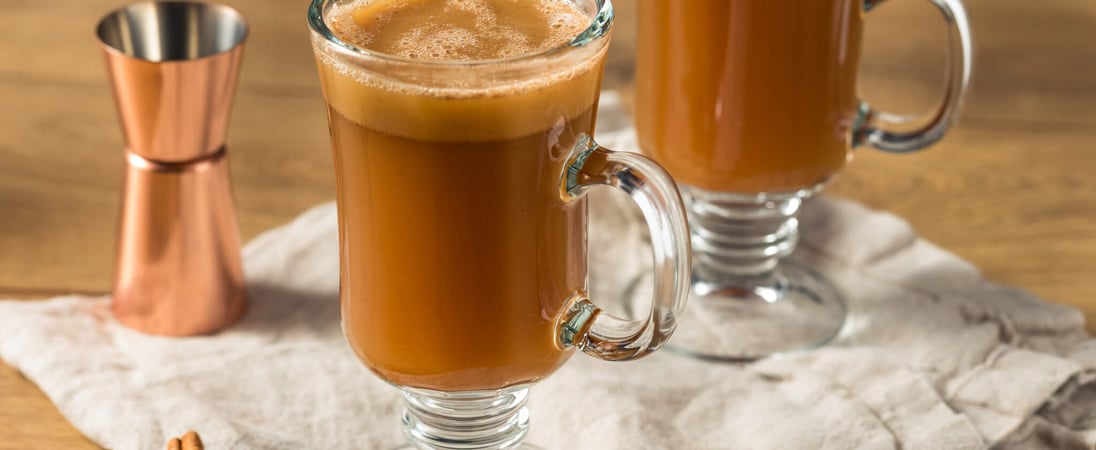
A classic drink featuring a steaming mug, spiced and rich, offering pure comfort with each delightful, warming sip.
Blending flavors into comfort begins with hot buttered rum, a drink made for colder moods and slower moments. When the air feels sharp and winter settles in, a warm mug brings instant relief. Butter smooths the spirit, spices add gentle heat, and sweetness softens every sip. The result feels cozy, indulgent, and quietly satisfying from the first taste.
National Hot Buttered Rum Day celebrates that feeling of warmth spreading from the inside out. It captures the joy of small comforts that turn ordinary days into pleasant pauses. Raising a mug becomes a simple toast to relaxation, shared conversation, and seasonal cheer. Sometimes, a single drink is enough to make everything feel a little brighter.
How to Celebrate National Hot Buttered Rum Day
National Hot Buttered Rum Day offers a gentle pause during colder weeks, when comfort matters more than speed. This occasion centers on warmth, flavor, and togetherness rather than rules or formality. A single mug can slow the pace and soften the mood. That simple pleasure makes this day easy to enjoy anywhere.
Explore a Local Bar Version
Visit a nearby bar and ask whether they serve hot buttered rum. Bartenders often enjoy making warm classics. Every version tastes slightly different depending on spice balance. That surprise keeps the drink interesting.
Experiment With Flavors
Try changing spices to create new taste notes. Nutmeg, cinnamon, or cloves each bring a distinct character. Small adjustments can transform the entire drink. Exploration turns one recipe into many experiences.
Share a Mug With Friends
Invite a few people for a relaxed winter gathering. Serve small portions to keep conversation flowing. Warm drinks help everyone settle in comfortably. Shared moments matter more than perfect presentation.
Capture and Share the Mood
Take a photo of your finished mug in good light. Add a short caption describing the feeling it brings. Post using the day’s name so others can join. Celebration spreads easily through simple sharing.
Try Making Hot Buttered Rum at Home
Aspiring mixologists and home bartenders can certainly let the fun fly on National Hot Buttered Rum Day! The most basic list of ingredients starts with rum, of course. Some people like to use a dark rum, one that has been barrel-aged to provide a more robust taste. Others are happy with a mild golden rum or a spiced rum as the base.
Other ingredients for making hot buttered rum include hot water, brown sugar, vanilla extract, and a number of spices, including cinnamon, nutmeg, cloves, and allspice. And don’t forget that cinnamon stick for a garnish! For a unique variation, some might choose to add cocoa powder, maple syrup, orange juice, salted caramel, or whipped cream.
National Hot Buttered Rum Day Timeline
1650s
Caribbean Rum Influence Begins
By the mid-17th century, rum production expanded rapidly in the Caribbean and spread to the American colonies through trade. Made from sugarcane byproducts, rum became affordable and widely consumed, shaping everyday colonial drinking habits.[1]
1700s
Hot Buttered Rum Emerges in Colonial America
Hot buttered rum developed in colonial North America as a warming drink made from rum, butter, sugar, and spices. Taverns and households favored it during colder months, especially in New England, where rum was plentiful.[2]
1789
Rum at George Washington’s Inauguration
Records show that large quantities of rum were served during George Washington’s inauguration celebrations. This reflects rum’s central role in American social gatherings rather than a specific endorsement of one recipe.[3]
1862
Jerry Thomas Publishes How to Mix Drinks
Bartender Jerry Thomas released How to Mix Drinks, the first major American cocktail guide. The book included hot rum preparations, helping formalize warm mixed drinks within professional bartending culture.[4]
1920
Prohibition Disrupts Rum Traditions
In 1920, the United States entered the Prohibition era, banning the manufacture and sale of alcoholic beverages nationwide. Legal rum production and public consumption stopped, forcing many traditional drinks out of bars and restaurants. Alcohol culture continued underground until repeal in 1933.[5]
History of National Hot Buttered Rum Day
National Hot Buttered Rum Day grew from a long love for a drink that brings warmth during cold seasons. Hot buttered rum itself appeared in early America during the seventeenth century. At that time, rum arrived from the Caribbean in large quantities and became one of the most common spirits in the colonies. People mixed it with hot water, butter, sugar, and spices to create a comforting drink that suited harsh winters. This blend offered warmth, calories, and relaxation, making it popular in homes and taverns.
As generations passed, hot buttered rum remained a seasonal favorite rather than an everyday drink. Families shared recipes, adjusting spice levels and sweetness based on taste. The drink slowly became linked with winter evenings, social gatherings, and moments of rest. That emotional connection helped it survive changing trends in food and drink culture. Even when lighter cocktails gained attention, hot buttered rum stayed tied to comfort.
The idea of honoring this drink with a special day came much later. National Hot Buttered Rum Day emerged in the early twenty-first century, around 2005. The observance formed during a period when many “National Days” appeared across the United States. These days often celebrated food, traditions, or small pleasures rather than major historical events. They offered lighthearted reasons to pause and enjoy something familiar.
No single person or organization officially claimed credit for starting National Hot Buttered Rum Day. This lack of a named founder is common among modern food observances. Writers, bloggers, and calendar creators often introduce such days to highlight seasonal traditions. Over time, repeated mentions help them gain recognition. Eventually, the day appears on national calendars, websites, and lifestyle articles.
What helped this observance stick was timing and mood. Winter already encourages warm drinks and indoor comfort. Hot buttered rum fits naturally into that atmosphere. The drink carries nostalgia, warmth, and simplicity. As people searched for cozy experiences, this day gained attention.
Media coverage played a strong role in spreading awareness. Lifestyle websites, food writers, and beverage experts began referencing the observance. Social platforms also helped by sharing photos, recipes, and short stories tied to the drink. Each mention reinforced the idea that this day belonged on the calendar. Over time, repetition created tradition.
Today, National Hot Buttered Rum Day stands as an example of how modern holidays form. It did not arise from government action or major historical moments. Instead, it grew from shared habits and seasonal comfort. The day connects present audiences with older customs without a formal ceremony.
Facts about National Hot Buttered Rum Day
Facts That Warm the Story
-
Colonial Rum Trade Shaped the Drink’s Rise
Hot buttered rum gained prominence in colonial America because rum production expanded rapidly during the seventeenth century.
Molasses from Caribbean sugar plantations was shipped to New England, where local distilleries turned it into rum. Easy access made rum a common base for warm drinks.
British Hot Drinks Inspired American Adaptations
Warm alcoholic drinks already existed in Britain, including early versions of hot toddies. American colonists adapted these traditions by using locally produced rum instead of brandy or whisky. Butter and spices added richness suited to colder climates.
-
Winter Taverns Helped Popularize the Recipe
By the eighteenth century, hot buttered rum appeared frequently in New England taverns. Tavern culture played a key role in spreading recipes through social drinking. Warm rum drinks offered comfort during long winters and became seasonal favorites.
Rum Functioned as an Economic Powerhouse
Rum and molasses were central commodities in colonial trade networks. Their exchange connected the Caribbean, New England, and Europe in complex commercial systems. This economic importance ensured rum remained widely available for domestic use.
Early Bartending Guides Preserved the Tradition
Nineteenth-century bartending manuals documented hot rum drinks as standard offerings. Jerry Thomas’s influential cocktail book reflected existing practices rather than inventing them. These guides helped preserve traditional warm drinks for future generations.
-
Home Kitchens Kept Recipes Alive
Many hot buttered rum recipes survived through household use rather than bars. Families passed down spice blends and butter mixtures across generations. This domestic tradition helped the drink outlast shifting cocktail trends.
FAQs about National Hot Buttered Rum Day
National Hot Buttered Rum Day FAQs
What’s the difference between light and dark rum?
Light rum goes through repeated distillation, which creates a cleaner and milder flavor.
Dark rum usually ages longer in charred barrels, gaining deeper caramel, vanilla, and molasses notes.
Because of these differences, lighter styles suit crisp cocktails, while darker versions work well in rich, warming drinks.[1]
How did rum become part of daily life aboard British naval ships?
Rum became a daily ration in the British Navy as a way to maintain morale and discipline during long, demanding voyages.
Fresh water often spoiled at sea, so diluted alcohol offered a safer alternative. Officers later added lime juice and water, creating grog, which also helped reduce scurvy among crews.
This deeply rooted naval practice continued until it was formally ended in 1970.[2]
What environmental challenges come with rum production?
Rum production affects land and water through sugarcane farming and distillation waste.
Modern producers increasingly address these issues by recycling byproducts and improving energy efficiency.
Sustainable practices now play a growing role across the spirits industry.[3]
What does the “Angel’s Share” mean in rum aging?
The “Angel’s Share” refers to the portion of rum that evaporates while the spirit matures in wooden barrels.
As the liquid sits in the cask, small amounts escape through the porous wood and into the air above the barrel.
In warmer storage conditions, this evaporation happens faster, reducing the total volume inside the barrel over time. This loss paradoxically helps concentrate and develop deeper flavors in the remaining rum.[4]
Also on ...
View all holidays
National Kid Inventors’ Day
These young minds are like mini scientists, creating ingenious solutions to everyday problems with their boundless curiosity and creativity.

Benjamin Franklin Day
A polymath with many talents, from inventing to writing, Franklin's contribution to American history will never be forgotten.
Soup Swap Day
There's nothing better than a warm bowl of homemade soup on a chilly day! Swap your soup with friends for a fun way to mix up your meals.
We think you may also like...
Shot Day
Tiny glasses of liquid dynamite, they pack a punch in a small package, igniting the night with a fiery burst of fun.

International Whisk(e)y Day
Take a sip of the liquid gold that hails from the barrels of fermented grains. It's a complex, warm, and welcoming elixir.
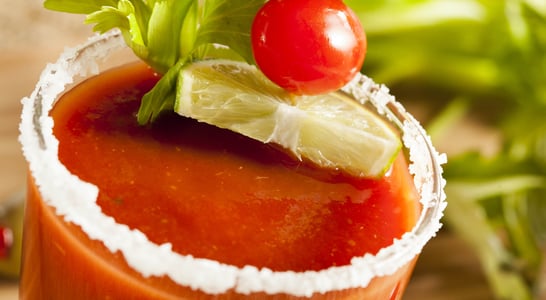
National Bloody Mary Day
Start your morning with a refreshing tomato juice and vodka cocktail, swap in different spirits or pair with crackers, olives and cheese.
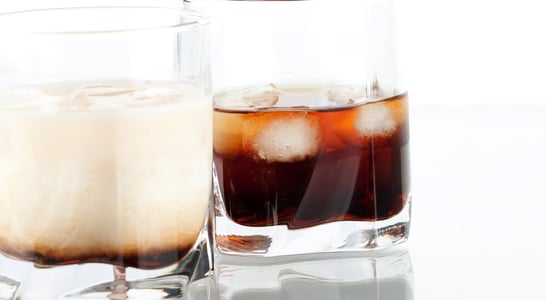
National Kahlua Day
With its rich, velvety flavor, this coffee liqueur makes for a versatile addition to cocktails, desserts, and cozy nights in.