

When it comes to tantalizing (and slightly sinful) beverages, there is perhaps no better example than the cool creaminess found in a delicious glass of Kahlua. This rich liquor is a Mexican cocktail that is often greatly enjoyed around the world.
So it should not come as a surprise at all that a collection of loyal aficionados of the delicious liquid decided to create a day allowing them to celebrate such a tempting beverage. And rightfully so!
It’s time to get ready for National Kahlua Day!
How to Celebrate National Kahlua Day
Enjoying National Kahlua Day is a delightful adventure! Due to its ingredients and flavor, Kahlua tastes best when combined with various desserts and cocktails.
Whether on the rocks, mixed with coffee or even placed atop a serving of ice cream, there indeed seems to be no “wrong” way to celebrate this truly unique and one-of-a-kind beverage.
Celebrate National Kahlua Day by going out after work with coworkers, making a classic drink at home, or get adventurous by making a home-baked dessert. No matter which treat is chosen, it’s best when enjoyed with loved ones–so don’t forget to share with friends and family.
Make a Mudslide Treat
The mudslide is absolutely perfect to sip on during a long hot summer day when the heat means there is a strong need for something a bit more than a milkshake.
The delicious, freezing cold sweetness of a Mudslide is the perfect companion for that book you’ve been meaning to finish or to enjoy with friends while hanging out by the pool.
The ratio of ingredients for a mudslide is easy to remember! It’s just equal parts each of Kahlua, Baileys Irish Cream Liqueur, and milk (or cream). Use one ounce each for each drink, so 2 ounces each to make two drinks. And a cup of ice for each drink.
In addition, it’s great chocolate syrup and whipped cream (which are optional, but absolutely delicious!).
Pour all the ingredients into a blender and blend until completely smooth. Then, pour the Mudslide into two Martini or Hurricane glasses. If desired, top with whipped cream and drizzle with chocolate syrup.
Try Making a Black Russian
There is certainly a reason this no-nonsense cocktail was named after the Russians, and that reason is that it is perfect for surviving a cold Moscow winter and emerging unscathed. Strong but delicious, Black Russians are classic like the little black dress.
The ingredients for this one include a 2:1 ratio of vodka to Kahlua. For instance, use 4 ounces of vodka and 2 ounces of Kahlua (plus ice cubes, of course) to make two Black Russians.
Pour both ingredients into two mixing glasses filled with ice. Stir the ingredients for a moment, and then strain the drink into two old-fashioned glasses with one or two large ice cubes in them. Based on personal preference, it may be desired to use more Kahlúa and less vodka to make a sweeter version that will be lighter on the stomach.
Make Up Some B-52s
Allegedly created by a bartender who was a huge fan of the band, the B-52 shot is famous the world over for being both simple and delicious and, of course, also for looking awesome! Learn to make this shot today and immediately impress all of those friends the next time they come around for drinks,
Ingredients for one serving includes 1/3 ounce each of Kahlúa, Baileys and Grand Marnier. Layer the three spirits in a shot glass in the order that they’re listed and drink all at once, shot-style.
Get Creative with Kahlua
Kahlua can be used for so much more than just drinks! Because of its kick of caffeine and flavors of sweetness, this liqueur is not only used in mixed drinks but is also a favorite when creatively combined with desserts.
Try out some of these creative ideas for taking desserts to the next level by using this coffee liqueur as a tasty ingredient:
- Chocolate Kahlua Poke Cake. What goes better with sweet coffee flavors than chocolate?! Super moist, a “poke cake” is first baked, then holes are poked in it so that a super sweet liquid can be poured into it. In this case the cake is chocolate and the liquid is, of course, Kahlua.
- Kahlua Chocolate Truffles. Perfect for the holidays or another celebratory event, these truffles have the delicious taste of coffee flavored liqueur, as well as being made with an additional bit of powdered espresso for a real kick!
- Kahlua Berry Cobbler. This liqueur doesn’t only have to be used with chocolate. The creamy, coffee flavors of Kahlua combine perfectly with the berries to make a more-ish treat especially for grownups.
- Kahlua Buttercream Molasses Cookies. This treat looks a lot like the traditional ‘oatmeal creme pies’ that kids love to eat as a snack cake. But this version uses freshly made buttercream frosting in the middle of two rich and sweet molasses cookies flavored with Kahlua.
As anyone can see, there are plenty of good reasons to celebrate Kahlua day, so what are you waiting for?
History of National Kahlua Day
The origins of Kahlua can be traced back to its invention in 1936 by a man named Pedro Domecq, who combined the flavors of rum, vanilla, and corn syrup with coffee to create one of the world’s most popular liqueurs.
The name of the alcohol is derived from that of a mesoamerican tribe that had inhabited Mexico Valley since long before the Spaniards arrived. Literally translated, the name Kahlua means “House of the Acolhua People
Known at first only in the surrounding areas of its creator, Kahlua’s popularity has indeed spread throughout the world.
It is believed to have been first imported to the United States in the 1940s. Some say in 1951, Beverly Hills importer Jules Berman was the first to bring Kahlua to the states, but this seems a bit too slow as some advertisements for the beverage have been found as early as 1945.
No matter how it began, Kahlua is now enjoyed in various forms by countless millions across the globe.
Kahlua is a fairly low alcohol drink, only now coming in at 20% alcohol (which was lowered from 26% alcohol in 2004). Kahlua Especial is stronger, with 36% alcohol.
National Kahlúa Day Facts
Kahlúa’s story blends old European traditions, Indigenous language roots, and modern coffee culture.
From early monastery experiments with coffee spirits to its rise as a defining coffee liqueur created in Mexico, these facts highlight how history, language, and long production processes shaped one of the world’s most recognizable coffee-based liqueurs.
Coffee Liqueur Has Roots Going Back to European Monasteries
Long before modern brands appeared, European monks were experimenting with coffee liqueurs by the 17th century, steeping imported coffee in spirits in places such as French monasteries.
These early cordials were often used medicinally or as digestifs and set the template for sweet, coffee‑based liqueurs that would later evolve into commercial products sold worldwide.
The “Kahlua” Name Reflects the Indigenous Nahuatl Language
The word “Kahlúa” is widely reported to come from a regional variety of Nahuatl spoken in Veracruz and to mean “House of the Acolhua people,” referencing an Indigenous group from central Mexico.
While the brand popularized this explanation, and it appears in multiple historical summaries, linguists note that formal academic documentation of this exact term in classical Nahuatl is scarce, illustrating how commercial narratives can shape public understanding of Indigenous languages.
Kahlua Helped Define the Modern Coffee Liqueur Category
When it was created in Veracruz in 1936, Kahlúa was one of the first large-scale commercial coffee liqueurs, blending rum, Arabica coffee, sugar, and vanilla.
By the late 20th century, it had grown into the world’s best‑selling coffee liqueur, effectively setting the flavor profile and sweetness level that many later competitors emulated in both retail bottles and cocktail recipes.
Growing the Coffee Can Take Longer Than Aging the Spirit
For coffee liqueurs based on real Arabica beans, most of the production time is spent before any alcohol is added.
Kahlúa’s producer notes that the process from planting coffee trees in Veracruz to finally bottling the liqueur can take up to seven years, since coffee plants need several years to mature, the cherries must be harvested and processed, and the coffee and rum components then have to be blended and rested to integrate their flavors.
Growing the Coffee Can Take Longer Than Aging the Spirit
For coffee liqueurs based on real Arabica beans, most of the production time is spent before any alcohol is added.
Kahlúa’s producer notes that the process from planting coffee trees in Veracruz to finally bottling the liqueur can take up to seven years, since coffee plants need several years to mature, the cherries must be harvested and processed, and the coffee and rum components then have to be blended and rested to integrate their flavors.
Coffee Liqueurs Ride the Waves of Cocktail Culture
The popularity of coffee liqueurs tends to spike in step with cocktail trends. Drinks like the Black Russian (created in 1949), the White Russian, and, later, the Espresso Martini in the 1980s and 1990s drove global demand for sweet coffee spirits, pushing them from after‑dinner niche products into staples behind the bar and helping solidify coffee‑flavored cocktails as a distinct sub‑style.
Coffee Liqueurs Often Pair Local Spirits with Local Beans
Around the world, coffee liqueurs typically reflect local agriculture by combining regional coffee and native spirits. Kahlúa uses Mexican Arabica coffee and rum, while other brands might blend Brazilian coffee with cachaça or Italian-roasted beans with neutral grain spirit.
This pairing of local coffee culture and local distilling traditions helps give each coffee liqueur its own regional character despite belonging to the same broad category.
Coffee Liqueur Production Has Shifted with Global Ownership
As the coffee liqueur market expanded, ownership of leading brands moved into multinational spirits groups, which reshaped production and distribution.
Kahlúa, for example, is now owned by Pernod Ricard and produced at a large facility in Mexico City, a shift from its earlier, smaller‑scale operations in Veracruz, illustrating how a regional specialty can evolve into an industrial product while still relying on the same core ingredients.
National Kahlua Day FAQs
Did Kahlúa’s all-female management team in the 1960s influence its popularity?
Yes, in the 1960s, Kahlúa’s management was entirely female, a rarity at the time.
This garnered media attention and may have contributed to the brand’s growing popularity.
How did the Black Russian cocktail contribute to Kahlúa’s fame?
Created in 1949, the Black Russian combines Kahlúa and vodka. Its simplicity and rich flavor boosted Kahlúa’s global recognition.
Is it true that Kahlúa takes seven years to produce?
Yes, producing a bottle of Kahlúa can take up to seven years. This lengthy process includes growing coffee beans, distilling rum, and aging the blend.
How do different cultures incorporate Kahlúa into their cuisines?
In Mexico, Kahlúa enhances traditional desserts like flan. In the U.S., it’s popular in cocktails and baked goods. In Europe, it’s used in coffee drinks and chocolates.
What are some misconceptions about Kahlúa’s origin?
Some believe Kahlúa originated in Hawaii due to its tropical ingredients. However, it was first produced in Veracruz, Mexico, in 1936.
Are there any myths associated with Kahlúa?
A common myth is that Kahlúa contains dairy. In reality, it’s dairy-free, making it suitable for those with lactose intolerance.
How has Kahlúa been featured in popular culture?
The 1998 film “The Big Lebowski” popularized the White Russian cocktail, featuring Kahlúa, leading to a surge in the liqueur’s sales.
What unique Kahlúa-based festivals exist worldwide?
In Veracruz, Mexico, local festivals celebrate Kahlúa’s heritage with tastings, music, and dance, honoring its cultural significance.
How do bartenders creatively use Kahlúa in cocktails?
Bartenders craft innovative drinks like the Espresso Martini, blending Kahlúa with espresso and vodka for a rich, caffeinated cocktail.
What are some unusual ways to enjoy Kahlúa beyond drinking?
Kahlúa can flavor desserts like tiramisu, be used in marinades for meats, or even added to pancake batter for a boozy brunch twist.

You may also like
National Liqueur Day
A unique category in the world of alcoholic beverages, liqueur is a distilled spirit. Though the name is similar (and it is sometimes even made from liquor), liqueur is different from liquor in that it is sweeter. Liqueurs are mainly used as a flavoring agent in mixed drinks and they...
- France
- Germany
- International
- and 4 more
National Fruit Cocktail Day
What joy it is to sip on a refreshing fruit cocktail! Imagine the delightful mix of colorful fruit flavors that can bring a smile to anyone’s face. National Fruit Cocktail Day is all about that cheerful medley of fruit, the kind that looks like confetti in a bowl and tastes like...
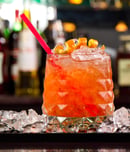
World Cocktail Day
Host or attend a cocktail party and try out some new flavors, or perfect your hand at mixing any number of drinks, from a White Russian to a classic Cosmo.
- Australia
- Canada
- United Kingdom
- and 1 more
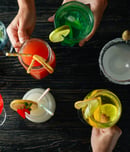
National Cocktail Day
Whether enjoying an evening out on the town, eating dinner with that special someone, or snuggling up at home in front of the fire, there is certainly a cocktail for every occasion.
National days and holidays on February 27 2027
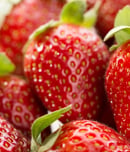
National Strawberry Day
This juicy red fruit pairs well with chocolate, whipped cream, and champagne. Perfect for summer picnics and romantic evenings.
- Australia
- Canada
- United Kingdom
- and 1 more
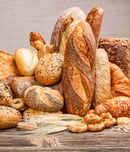
Real Bread Week
Real bread is a joy to behold! Made with natural ingredients and baked to perfection, each bite is a heavenly experience.

Ramadan
During this holy month, Muslims fast from sunrise to sunset, focusing on spiritual reflection and community. Ramadan is a time for self-improvement and bringing people together in celebration of faith.
Adelaide Fringe
Adelaide Fringe is a dynamic arts festival that brings on of Australia's most amazing cities to life with creativity and excitement. It's a time when artists, performers, and audiences come together to experience something extraordinary! Streets buzz with energy, venues fill with eager crowds, and the atmosphere becomes electric with...
Seize Every Day
Join free for personalised recommendations, email reminders and exclusive guides. Never miss a day.