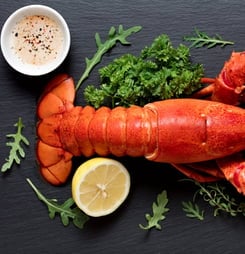
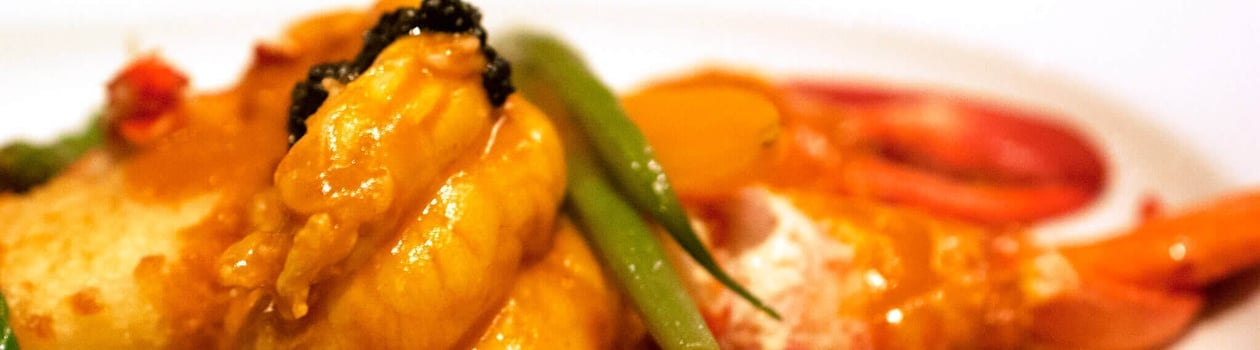
National Lobster Newburg Day is a celebration of culinary indulgence, honoring the iconic seafood dish Lobster Newburg.
At its best, this classic is the kind of restaurant-worthy comfort food that somehow manages to be both glamorous and cozy. Tender chunks of lobster are warmed in butter and tucked into a velvety sauce built from cream and egg yolks, then brightened with a splash of sherry (and sometimes a companion spirit like cognac or brandy). A pinch of cayenne and a whisper of nutmeg give it that old-school, “something tastes fancy” finish.
The dish has been enjoyed for well over a century and remains admired for its lush balance of flavors and its roots in upscale dining. It is rich without being heavy-handed when cooked gently, and it rewards patience more than complexity.
On this day, food enthusiasts relish the opportunity to enjoy this mouthwatering combination of sweet lobster and decadent sauce, whether it appears over toast points at a white-tablecloth spot or in a home kitchen where someone bravely decides to temper egg yolks like a pro.
How to Celebrate National Lobster Newburg Day
National Lobster Newburg Day is a fantastic opportunity to enjoy a delicious dish while celebrating creativity in the kitchen.
Because Lobster Newburg sits at the intersection of “special occasion” and “surprisingly doable,” it can be celebrated in a variety of ways.
Some people go all-out with table settings and multiple courses; others treat it as an excuse to learn one classic culinary technique and eat very well afterward. Either way, the best celebrations keep the spotlight on the lobster and that famously silky sauce.
Host a Lobster Feast
Invite a few friends or family members over for a lobster-themed dinner. Make Lobster Newburg the star of the meal, but feel free to serve other seafood dishes too.
To keep the meal feeling intentional instead of chaotic, it helps to build a menu around the Newburg’s richness. Think crisp, refreshing supporting players: a simple salad with citrus, a lightly dressed slaw, or steamed vegetables with lemon.
If bread is on the table (and it should be), choose something sturdy enough to swipe through sauce without stealing the show, like toasted baguette slices or a rustic loaf warmed in the oven.
A “lobster feast” does not have to mean everyone wrestles with whole lobsters at the table, either. Lobster Newburg is actually friendlier as a hosting dish because it can be portioned elegantly. The cook can prep components ahead of time, then finish the sauce gently just before serving.
This gives everyone a chance to enjoy different flavors while the main dish stays the hero.
Try Your Hand at Cooking
For those who enjoy experimenting in the kitchen, making Lobster Newburg from scratch is a rewarding way to celebrate. You can follow a classic recipe or add your own personal twist while keeping the traditional spirit of the dish.
- Start with quality lobster meat. Freshly picked, pre-cooked, or properly thawed lobster should be sweet and firm, as it will be gently warmed rather than cooked again.
- Build flavor in butter. Warming the lobster in butter allows the sauce to absorb its rich seafood character from the start.
- Add the aromatic “Newburg” note. Sherry is most common, sometimes combined with cognac or brandy, briefly heated to mellow the sharpness and enhance the aroma.
- Keep the heat gentle. Cream and egg yolks require low heat and steady stirring to prevent curdling or separation.
The defining technique is thickening the sauce with egg yolks. When added gradually and warmed carefully, they create a smooth, satin-like texture. Boiling should be avoided. If the sauce begins to simmer, it is best to lower the heat or briefly remove the pan.
Home cooks often personalize the dish while staying true to its character. Some add extra cayenne for warmth, others prefer a slightly sweeter sherry, and many finish with chopped parsley for color. A popular modern approach is serving the mixture in puff pastry shells or over rice so the rich sauce can be fully absorbed.
There is also room for practical substitutions. When lobster is unavailable or too expensive, the same creamy Newburg sauce works well with shrimp, scallops, or crab. While purists may disagree, most diners are simply happy to enjoy the flavors.
Dine Out in Style
If cooking at home isn’t appealing, celebrating at a restaurant is an excellent option. Lobster Newburg fits naturally into traditional fine-dining settings, where its richness and elegance complement classic service and presentation.
- Expect classic presentations. The dish may be served over toast points, paired with rice, arranged in a pastry shell, or plated with a light side to balance the richness.
- Enjoy the experience without the effort. Restaurant versions allow you to indulge in the dish’s luxurious flavor without preparing it yourself.
Dining out can also serve as inspiration for future home cooking. Observing the texture of the sauce, the size of the lobster pieces, and the level of seasoning can help you discover what you prefer before making your own version.
Learn Something New
Use this day as an excuse to dive into the history of Lobster Newburg. Discover its origins, how it became so popular, and why it’s still beloved today.
Sharing these fun facts at the dinner table is a great way to enrich your meal with conversation.
Share the Experience Online
Document your culinary adventure by posting photos of your Lobster Newburg creations on social media. Use related hashtags to connect with other seafood lovers celebrating the day and get new recipe ideas from others who join in on the fun.
Lobster Newburg is particularly photogenic in a “cozy luxury” way. The sauce tends to come out pale gold, especially if it is finished with egg yolks and a touch of spice, and it looks dramatic piled into pastry shells or spooned over crisp toast points.
A quick snapshot of the cooking process can be just as satisfying as the final plating, especially if it captures the moment the lobster meets the sauce.
Sharing can also spark a useful exchange of tips. Some cooks have clever strategies for keeping the sauce smooth, stretching the dish into appetizers, or using leftover lobster shells for stock to enrich other seafood dishes later.
National Lobster Newburg Day Timeline
Delmonico’s Opens in New York City
Swiss-Italian brothers Giovanni and Pietro Delmonico open a small café and pastry shop in Lower Manhattan, laying the groundwork for what becomes America’s first famous fine-dining restaurant and a future home for rich lobster dishes.
Birth of American Fine Dining at Delmonico’s
Delmonico’s expands into a full-scale “restaurant Français,” pioneering printed menus, à la carte ordering, and refined French-influenced cuisine that will later include luxurious cream- and egg-based seafood preparations.
Lobster’s Shift from “Poor Food” to Delicacy
Once so abundant in New England that it was considered food for servants and prisoners, lobster began to gain prestige as transportation and urban restaurants turned it into a sought-after ingredient on fine-dining menus.
Lobster à la Wenberg Appears at Delmonico’s
According to a widely repeated late-19th-century story, a sea captain named Ben Wenberg demonstrates a rich lobster dish at Delmonico’s, where it is refined in a cream, egg, and fortified-wine sauce and served as Lobster à la Wenberg.
From Lobster à la Wenberg to Lobster Newberg/Newburg
After a reported quarrel with Wenberg, Delmonico’s is said to drop his name and reintroduce the dish under the altered name Lobster Newberg or Newburg, helping cement it as a symbol of Gilded Age luxury in New York dining.
Ranhofer Publishes the Classic Lobster Newburg Recipe
Delmonico’s chef Charles Ranhofer includes a version of the creamy lobster dish in his monumental cookbook “The Epicurean,” spreading the recipe beyond the restaurant and standardizing its rich, sherry-laced style for American cooks.
Lobster Newburg Becomes a Retro Classic
As dining fashions change, Lobster Newburg gradually shifts from cutting-edge luxury to a nostalgic “old-school” dish, kept alive in cookbooks and hotel menus as an emblem of 19th-century American haute cuisine.
History of National Lobster Newburg Day
National Lobster Newburg Day celebrates a classic seafood dish with a rich history dating back to the late 1800s.
The story begins in the dining room of Delmonico’s, a famous American restaurant known for turning luxurious ingredients into showpieces. A sea captain named **Ben Wenberg** (often spelled Wenburg in retellings) dined there frequently and shared a preparation he enjoyed. In many accounts, he introduced the idea in **1876**, and the restaurant’s kitchen refined it into a menu-ready dish.
Originally named “Lobster à la Wenberg,” it featured lobster in a luxurious sauce of butter, cream, egg yolks, and sherry. After a disagreement between Wenburg and the restaurant, Delmonico renamed the dish “Lobster Newburg,” making it a lasting part of American culinary tradition.
That renaming is a big part of why the dish is so memorable. It is not every day that a menu item survives a personal feud, gets a clever rebrand, and then becomes more famous than the argument that sparked it. The revised name also explains why spelling varies. “Newburg” and “Newberg” appear interchangeably in different cookbooks and restaurant menus, and both are generally understood to mean the same creamy lobster classic.
In addition to the patron’s role, the restaurant’s leadership mattered. Delmonico’s was known for polished service and serious culinary talent, and the dish is often associated with a chef refining the method for consistent results. That consistency is crucial for something like Newburg, where the sauce can go from silky to scrambled if treated roughly.
The exact date when National Lobster Newburg Day started needs to be well-documented. Still, the dish itself has been celebrated for decades due to its association with fine dining and its enduring popularity in American cuisine.
Like many food-themed days, the celebration is less about official proclamations and more about a shared excuse to cook, order, and talk about a beloved specialty. Lobster Newburg has stayed relevant because it satisfies a particular craving: it feels like an event on a plate, yet it is made from a short list of ingredients that are transformed through technique. It is a reminder that “fancy” often means “carefully cooked,” not “complicated.”
The day recognizes not only the dish but also the cultural and culinary innovation it represents. Many food enthusiasts use this day to enjoy Lobster Newburg at home or in restaurants, relishing in its rich flavors and connection to a bygone era of dining.
Part of that lasting appeal is the dish’s smart balance. Lobster is naturally sweet and delicate, so the sauce is designed to cradle it rather than bulldoze it. Sherry brings brightness and a lightly nutty aroma; cayenne adds gentle heat; nutmeg adds warmth that reads as classic rather than trendy. When those elements are measured with restraint, the result tastes indulgent but not cloying.
For home cooks, the history also offers a practical lesson: the “luxury” comes from method as much as ingredient. A good Lobster Newburg is about timing and temperature. The lobster should be warmed just enough to stay tender, and the sauce should be heated just enough to thicken. Once egg yolks are involved, the pan needs attention, but it is an attention that can feel satisfying, like quietly conducting a delicious orchestra.
Even the way it is served reflects its heritage. Traditionally, Newburg is paired with something crisp or structured, such as toast points, so the sauce has a stage and the diner has a tool for scooping up every last bit. Puff pastry shells offer a playful, dramatic presentation, while rice makes it feel like a full, hearty meal. Each option is a slightly different personality for the same classic dish: stately, theatrical, or comfort-forward.
In short, National Lobster Newburg Day keeps an old restaurant legend alive in the most practical way possible: by putting a steaming, creamy, lobster-filled plate in front of someone ready to enjoy it.
From Prison Food to Fine Dining: The Surprising Story Behind Lobster Newburg
Lobster Newburg didn’t always represent elegance and luxury. Its journey reflects a dramatic shift in how lobster itself was valued, from an overlooked abundance to a celebrated delicacy.
These facts reveal how changing tastes, French culinary influence, and the rise of American fine dining helped transform a humble ingredient into a symbol of sophistication.
Luxury lobster dishes were once considered “trash food”
In colonial New England and into the early 19th century, lobster was so abundant and cheap that it was fed to prisoners, servants, and livestock, and laws in Massachusetts even limited how often servants could be served lobster.
Only later in the 1800s, as transportation and restaurant culture developed, did lobster dishes like Lobster Newburg become symbols of luxury dining.
Delmonico’s helped invent American fine dining
Delmonico’s in New York, closely associated with Lobster Newburg, was one of the first American restaurants to offer an à la carte menu, a wine list, and a French-style kitchen brigade.
Food historians credit it with helping shift the United States from boardinghouse-style meals to the modern fine-dining restaurant model that could showcase elaborate dishes such as cream- and egg-based lobster preparations.
Lobster Newburg’s sauce reflects classic French technique
The rich sauce used for Lobster Newburg is based on a classic French liaison of egg yolks and cream, gently heated to thicken without curdling.
Culinary historians note that Delmonico’s chef Charles Ranhofer routinely adapted French haute cuisine techniques to American ingredients and that Newburg is essentially lobster folded into a velouté- or cream-style sauce finished with fortified wine and cayenne.
Alcohol plays a functional role in the Newburg sauce
The sherry, madeira, or cognac in a Newburg-style sauce does more than add flavor.
Alcohol dissolves and carries aromatic compounds from lobster and aromatics that water and fat alone cannot, which intensifies the dish’s aroma.
Food science research shows that small amounts of alcohol left after cooking enhance the perception of flavor complexity in cream-based sauces.
Egg yolks demand precise temperature control
Because Lobster Newburg relies on egg yolks to thicken the sauce, chefs must keep the mixture below about 180°F (82°C); above this, egg proteins tighten and scramble.
Culinary science experiments have shown that tempering yolks with hot liquid and then finishing the sauce over low heat or in a double boiler produces the characteristic silky texture without curdling, which is why classic recipes stress careful heating.
The true origin story is murkier than the legend
The popular tale credits a sea captain named Ben Wenberg demonstrating his lobster dish at Delmonico’s in the 1870s, but restaurant historians point out that no contemporary menus or documents list “Lobster à la Wenberg.”
Modern scholarship describes the Wenberg story as a later legend, suggesting that the dish likely evolved from common 19th‑century French cream sauces rather than a single dramatic invention.
Gilded Age lobster dishes mirrored social status
By the late 19th century, ornate lobster dishes in restaurants like Delmonico’s had become markers of class and prosperity.
Social historians of the Gilded Age note that public dining rooms used conspicuously rich preparations, such as lobster in cream, eggs, and fortified wine, to signal refinement and wealth at a time when industrial fortunes and urban elites were reshaping American social life.