
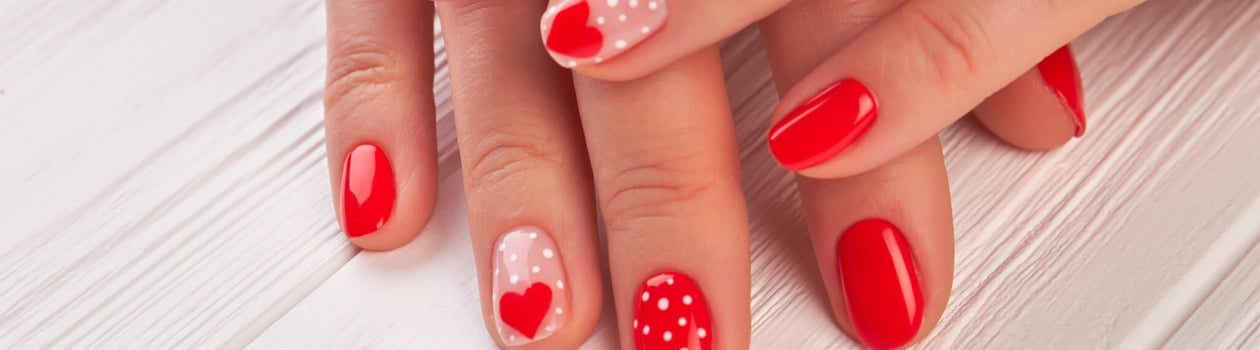
Enjoy the feeling of having freshly polished nails? Then National Nail Polish Day is here just for you! It is a cheerful excuse to notice the small details, lean into a little self-care, and celebrate the surprisingly long, colorful story behind that tiny bottle of lacquer on the bathroom shelf.
How to Celebrate National Nail Polish Day
Sometimes, just taking care of yourself and having a little pick me up is all that is needed to get through life with a smile on your face! National Nail Polish Day is here to offer an opportunity to do just that, with some of these ideas for celebrating:
Make a Manicure Appointment
One of the most natural ways for someone to celebrate National Nail Polish Day would be to make an appointment at a favorite nail salon to get a manicure. And, just for fun, why not add in a pedicure too?!
A salon visit is more than “pick a color, pay, leave.” A good manicure is a sequence of small, practical steps that can make nails look better and behave better. Most services begin with shaping the free edge of the nail, tidying cuticles, smoothing the surface, and then applying polish in layers so it looks glossy instead of streaky. A quick hand and forearm massage is often included, which can be the quiet highlight of the whole appointment.
To make the most of it, it helps to arrive with a little plan:
- Choose the vibe ahead of time. “Soft and neutral,” “bright and punchy,” or “dark and dramatic” narrows options fast. Otherwise, that wall of colors can turn a fun appointment into a tiny crisis.
- Consider the finish. Cream finishes are classic and forgiving. Sheer polishes give a “your nails but better” look. Shimmers and metallics catch light beautifully. Glitter is festive but can be more work to remove later.
- Ask about longevity. Traditional polish offers flexibility and easy removal. Gel polish tends to last longer and looks extra glossy, but it needs proper curing and proper removal. Dip powder and builder gels can add strength for nails that split easily, though they are not for everyone.
Remind the manicurist that it is National Nail Polish Day to find out if they are offering an extra discount or deal in celebration of this important event in the life of their industry.
A few comfort and safety habits can also make the experience better without turning it into a lecture:
- Speak up about sensitivity. Some people prefer gentler cuticle work or less pressure during filing.
- Pay attention to hygiene. Reputable salons keep stations clean and tools properly sanitized. If something looks off, it is okay to ask questions.
- Protect the finish after. Hot water and heavy chores immediately after a manicure can dull shine and weaken the seal at the tips. Gloves for dishwashing can be surprisingly manicure-saving.
For anyone who sees nail appointments as a social ritual, booking side-by-side manicures with a friend can turn the day into a mini event. For those who want it quiet, a solo appointment can feel like a rare luxury where the only decision required is “cherry red or tomato red.”
Grab a New Nail Polish Color
Looking for a bright spot in the day? Look no further than a new color of nail polish! National Nail Polish Day is the ideal time to head out to a local drug store, big box department store or salon to find just the right color that is unique and interesting.
Buying nail polish is a tiny form of personal expression. It is also a low-commitment experiment: hair color and wardrobe overhauls are one thing, but a new manicure can be here for a week and gone the next. That makes it perfect for trying colors that would otherwise feel “too much.”
A few practical tips can help pick a shade that looks great in real life, not just under store lights:
- Check the undertone. Cool reds lean blue; warm reds lean orange. Nudes can pull pink, beige, or caramel. Even a “simple” gray can look icy or smoky depending on undertone.
- Think about contrast. High contrast shades (like deep plum or bright white) look crisp and graphic. Low contrast shades (like soft blush or pale taupe) give a polished, minimalist look.
- Consider nail length and shape. Dark shades can look especially sleek on shorter nails, while pastels and sheer colors can make longer nails feel lighter.
- Test the brush. A wide, softly rounded brush can make at-home application easier and cleaner, especially for beginners.
Try a color with a fun name, like Tickle My France-y, Shake Your $$ Maker, or Breakfast in Red.
For extra celebration points, pick a shade tied to a mood or theme:
- “New start” colors: crisp whites, pale pinks, clean nudes.
- “Confident” colors: true red, oxblood, cobalt blue.
- “Playful” colors: neon coral, glitter toppers, mismatched skittles nails where every finger is a different shade.
And for the at-home painters who want a smooth result, a basic routine works wonders:
- Remove old polish fully (especially around the edges).
- Wash hands and dry well. Oils and lotion can cause early chipping.
- Lightly buff if needed, but gently. Over-buffing can thin nails.
- Apply base coat. It helps adhesion and can reduce staining from darker colors.
- Use thin coats. Two thin coats beat one thick coat every time.
- Cap the free edge by swiping the brush along the tip to help reduce chips.
- Finish with top coat for shine and a tougher surface.
- Let it set. Even “quick-dry” takes time to fully harden.
Bonus idea: pair the polish with a simple cuticle oil. Nails are made of layers of keratin, and a bit of hydration can help them flex instead of snap. It is not magic, but it is a helpful habit, especially for anyone who washes hands often.
Gift a Friend with a Manicure
Spread the love on National Nail Polish Day by including a friend, sister or other loved one. Those who want to go all out can book manicures together at a local nail salon. But it’s also great to keep things a bit more simple and gift a friend with a new color of nail polish. And then perhaps offer to give them a little manicure complete with a hand massage to make them feel absolutely loved and celebrated!
A manicure gift can be tailored to almost any personality. For the friend who lives in neutrals, a “your nails but better” sheer polish can feel like a safe luxury. For the friend who loves bold accessories, a glitter topper or a dramatic chrome finish can be a delight. For someone who is busy, a quick-dry top coat is a quietly brilliant present.
To make it feel special without being complicated, bundle a few small items:
- A polish in their favorite color family
- A base coat or ridge-filling primer for smoother application
- A glossy or quick-dry top coat
- A simple nail file (glass files tend to be gentle and long-lasting)
- Cuticle oil or a rich hand cream
A mini at-home manicure session can also become a sweet ritual. Set up a towel on a table, put on a playlist, and keep the vibe relaxed. The goal is not perfection, it is care and company. Even the hand massage portion can be simple: a dab of lotion worked into the palms, knuckles, and fingertips can feel surprisingly restorative.
This is also a good moment to be inclusive about what “nail polish day” can mean. Some people love loud colors; others prefer a clear coat. Some may paint toes only, or do just one accent nail, or stick to strengthening treatments. The celebration works best when it matches the person, not a trend.
National Nail Polish Day Timeline
Early Chinese Nail Coloring Traditions
Archaeological and textual evidence suggests people in ancient China tinted nails with mixtures of gum arabic, gelatin, beeswax, and vegetable dyes, with colors later used to signal rank and social class.
Henna Nail Staining in Ancient Egypt
In pharaonic Egypt, women and some men stained their nails and hands with henna, with darker, more vivid shades often associated with higher status and later linked to royal figures such as Cleopatra.
Modern Manicure Tools Emerge in Europe
French makeup and perfume experts popularized nail care in the 19th century, including the orange stick introduced around 1830, which became a standard tool for gently shaping and cleaning nails.
First Documented American Manicure Business
Mary E. Cobb opened what is widely recognized as the first manicure parlor in the United States in New York City, helping turn nail care into a commercial beauty service for middle- and upper-class women.
From Tinted Powders to Liquid Nail Enamel
Early 20th‑century nail products in Europe and America shifted from buffing and pastel creams to glossy, tinted liquid enamels, influenced by advances in industrial coatings and the rise of color cosmetics.
Nitrocellulose Nail Polish and Revlon’s Launch
Drawing on technologies used in car lacquer, Charles Revson and his partners introduced an opaque, long‑lasting nitrocellulose-based nail enamel, helping establish modern colored nail polish as a mass-market product.
Rise of Acrylic and Gel Nail Systems
Artificial nail extensions using acrylic monomers and later UV‑curable gel systems became popular in salons, allowing stronger, longer-lasting manicures and transforming professional nail services worldwide.
History of National Nail Polish Day
While nail polish might seem like a fairly modern invention, historians have found that the idea of polishing one’s nails likely dates as far back as 3000 BC in China or earlier. The different Chinese Dynasties went through phases of which colors were popular, including silver and gold during the Zhou Dynasty and then to red and black later on. The specific color was even used as a class marker to show rank and dynasty.
This early “polish” was not the glossy lacquer known today, but it captured the same impulse: using nails as a canvas. In many ancient cultures, personal grooming signaled status, identity, and taste. Nails were visible in daily life and, in societies where manual labor was common, well-kept nails could quietly communicate social standing. The colors and materials used were shaped by what was available, what was fashionable, and what was socially permitted.
Around that time, Babylonaian warriors may have also been dying their nails. Natural dyes such as henna and various vegetable derivatives were often used to produce the color in these ancient times.
That detail adds an unexpected twist to the story: nail color has not always been coded as delicate or purely decorative. In some settings it could be tied to ritual, rank, or readiness. The pigments themselves were often plant-based and earthy, staining nails rather than forming a shiny film. Henna, for example, binds to keratin and can leave a warm tint that fades gradually, a very different experience from modern remover and cotton pads.
As centuries passed, nail care traditions continued to evolve. Polishing tools, oils, and buffing methods became part of grooming in various societies. Long before bottled color became common, shine itself was a goal. A buffed nail catches light in a clean, subtle way, and it pairs naturally with healthy cuticle care. Even now, modern nail routines still echo that older approach: file, smooth, buff, moisturize, then decide whether color is needed.
The modern art of polishing nails became popular among the wealthy in Europe in the late 18th century. The first dedicated nail salon was opened in Paris in the early 19th century and nail polish eventually made its way to the United States in the late 1800s.
By this period, “manicure” was becoming a recognizable service, and nail grooming products started to appear more widely. Early nail preparations were often more like tinted creams or powders than the high-shine liquids used today. They could enhance the nail’s look, but they did not create the same durable, glassy surface associated with contemporary lacquer.
The biggest leap came later, when modern chemistry and manufacturing made the familiar bottle-and-brush format possible. Nail polish as people know it now is typically made from a film-forming base plus solvents, plasticizers, and pigments. When brushed on, the solvents evaporate and leave behind a smooth film that reflects light. That basic idea, a liquid that dries into a shiny coating, helped transform nail color from a specialized grooming detail into a mainstream beauty staple.
As nail polish became more accessible, it also became more playful. Color trends started to shift with fashion seasons, music, film, and broader pop culture. The classic red manicure became an icon. Pastels suggested softness; dark shades suggested drama; bright neons suggested fun. Top coats and specialty finishes later expanded the possibilities even more, from pearly shimmers to textured glitters and ultra-glossy gels.
Along the way, nail polish also grew into a form of creative expression that did not require an art degree. Simple techniques like French tips, half-moons, and color blocking gave structure. Later, nail art took off, turning tiny nails into miniature canvases with decals, stamping plates, hand-painted designs, and carefully placed rhinestones. Even a single stripe of glitter across one nail can feel like a whole outfit upgrade.
National Nail Polish Day was founded by the nail polish brand, Essie, and the first day of its kind was celebrated in 2017. Now, the day is an annual event and there are surely tons of ways it can be celebrated!
The idea fits the modern nail world perfectly. Nail polish is both everyday and special. It can be part of a professional look, a weekend reset, a creative outlet, or a nostalgic ritual shared between generations. National Nail Polish Day highlights that range, inviting everyone to enjoy the colors, the shine, the artistry, and the simple satisfaction of looking down at one’s hands and thinking, “That looks nice.”
Facts About National Nail Polish Day
Royal nail colors once signaled social rank
In ancient China, nail color was sometimes used as a visible marker of class, with certain hues reserved for the elite.
During the Zhou dynasty, for example, royals reportedly favored gold and silver on their nails, while later periods associated bright reds with nobility, leaving commoners to wear paler or uncolored nails or risk punishment for imitating the upper classes.
Henna-stained nails have a 3,000-year history
Long before synthetic polish existed, people in regions such as ancient Egypt, India, and the Middle East stained their nails with henna, the same plant used for body art.
Archaeological and textual evidence suggests hennaed fingertips and nails were associated with beauty, ritual, and sometimes marital status, creating a tradition that is still visible in contemporary bridal and festival practices.
Automotive paint technology helped create modern nail lacquer
Modern nail polish owes much of its look and durability to early 20th century advances in automotive paints.
In the 1920s and 1930s, chemists adapted nitrocellulose-based car lacquers to create glossy, fast-drying coatings for nails, replacing tinted oils and powders and giving rise to the opaque, chip-resistant polishes that defined the classic red manicure.
The “toxic trio” reshaped safety standards in nail products
Concerns about worker and consumer exposure to formaldehyde, toluene, and dibutyl phthalate, often called the “toxic trio” in nail products, led to scientific reviews and regulatory scrutiny in the 2000s and 2010s.
In response, many major brands reformulated to remove or reduce these chemicals, while states like California conducted testing and published reports that pressured the industry toward clearer labeling and safer alternatives.
UV nail lamps raised questions about skin cancer risk
The popularity of gel manicures brought increased use of UV and LED curing lamps, prompting dermatologists to investigate whether repeated exposure might contribute to skin aging or skin cancer on the hands.
While overall risk for occasional users appears low, researchers recommend precautions such as applying broad-spectrum sunscreen or wearing UV-protective gloves during curing sessions, particularly for frequent salon clients.
Nail salons became a major U.S. employer of immigrant women
By the late 20th century, nail salons had become an important source of small-business ownership and employment for immigrant women, especially from Vietnam, Korea, and China.
Studies of the U.S. nail salon industry show a high concentration of female, foreign-born workers who often face language barriers and chemical exposure risks, which has led labor and public health groups to push for better ventilation, training, and labor protections.
Nail polish is a persistent microplastic in the environment
Many nail polishes and glitter topcoats contain plastic polymers and microplastic particles that can enter wastewater when old polish is removed.
Environmental chemists have noted that these plastics are not easily captured by treatment plants, contributing in small but measurable ways to microplastic pollution in rivers and oceans and prompting calls for more biodegradable formulations.
National Nail Polish Day FAQs



You may also like
Nail Day
Get your nails done (or do them yourself) and post or share your favorite “nailfie” (nail selfie) on social media to showcase your creativity.
- International
- Japan
- South Korea
- and 2 more

National Beauticians Day
Get together with your friends or family and pamper yourselves, while supporting the beauticians whose training and hard work help us look our best.
- Canada
- United Kingdom
- United States

National Mani-Pedi Day
National Mani-Pedi Day is a delightful celebration of nail care and self-expression. This special day invites everyone to take a break from their hectic lives and indulge in the luxurious treatment of their hands and feet. It's a chance to enjoy professional manicures and pedicures or even to try out...
- Australia
- Canada
- United Kingdom
- and 1 more

National Love Your Skin Day
Celebrate National Love Your Skin Day by embracing gentle routines, sun protection, and hydration that support healthy skin, confidence, and everyday well-being.
- United States
National days and holidays on June 1

Vivid Sydney
Vivid Sydney is a dazzling celebration that transforms the city into a vibrant playground of lights, music, and creativity. For weeks, iconic landmarks and urban spaces glow with stunning light installations and 3D projections, captivating both locals and tourists. This festival draws millions of visitors each year, offering an enchanting...
- Australia

Stand For Children Day
Stand For Children Day champions children’s rights, inspiring advocacy, volunteering, and community action to support education, health, and safety for every child.
- United States

National Billboard Day
Celebrate National Billboard Day by exploring, photographing, and creating billboards while honoring their artistic impact and vital role in outdoor advertising.
- United States

International Sheltie Day
Celebrate International Sheltie Day by honoring the Shetland Sheepdog’s intelligence, loyalty, and charm with fun activities, meetups, photos, and community giving.
- Canada
- United States
Seize Every Day
Join free for personalised recommendations, email reminders and exclusive guides. Never miss a day.