
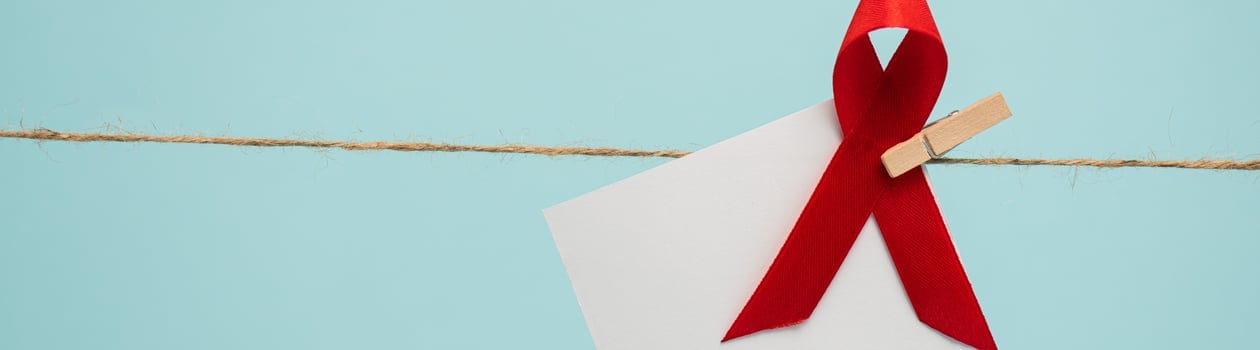
National Native HIV/AIDS Awareness Day (NNHAAD) focuses on HIV education, testing, and support for Native communities, including American Indians, Alaska Natives, and Native Hawaiians.
This day encourages Native people to protect their health by learning about HIV risks, getting tested, and accessing treatment.
It tackles unique challenges these communities face, such as limited healthcare access, stigma, and low awareness about HIV status.
The day stands out by promoting culturally meaningful HIV resources tailored for Native communities and recognizing the power of traditions and values in health discussions. It unites diverse Tribal communities under a common cause, fostering support through storytelling, public events, and targeted resources.
This approach makes HIV prevention efforts more relatable and accessible, aiming to close gaps in HIV care. The day also highlights the strength of Native communities as they come together to share knowledge and build healthier futures.
National Native HIV/AIDS Awareness Day Timeline
Carole LaFavor Diagnosed and Began HIV Advocacy
Ojibwe activist Carole LaFavor was diagnosed with HIV and went on to cofound Positively Native and serve on the Minnesota American Indian AIDS Task Force, becoming one of the earliest visible Native voices on HIV/AIDS.
Lisa Tiger’s Diagnosis Spurred Native HIV Education
Muscogee Nation citizen Lisa Tiger learned she was living with HIV and began sharing her story, later becoming a prominent Native HIV educator who links prevention and stigma reduction to Native cultural values.
Native People Categorized as “Other” in Early HIV Data
In the early years of the epidemic, the federal HIV surveillance systems group American Indians, Alaska Natives, and other small populations into an “other” category, obscuring the specific impact of HIV in Native communities.
LaFavor Serves on Presidential HIV/AIDS Advisory Council
Carole LaFavor was appointed to the President’s Advisory Council on HIV/AIDS, where she was the only Native member and advocates for traditional medicine and culturally grounded HIV services for Native people.
National Native HIV Network Launched Storytelling Efforts
As Native HIV advocates organized nationally, they elevated storytelling and oral tradition as core tools for resilience, education, and stigma reduction around HIV in Indigenous communities.
Indian Health Service Expanded HIV Program in Tribal Clinics
The Indian Health Service strengthens its National HIV/AIDS Program and partnerships with tribal health systems to integrate HIV testing, prevention, and treatment into routine care for American Indians and Alaska Natives.
HIV Diagnosis Rates Rose Sharply for Native Communities
While national HIV rates declined, diagnoses among American Indians and Alaska Natives increased by 11 percent overall and by 50 percent among Native women, underscoring persistent gaps in prevention and care.
How to Celebrate National Native HIV/AIDS Awareness Day
Here’s a set of creative and engaging ways to mark National Native HIV/AIDS Awareness Day.
Each idea combines community connection, education, and personal reflection to help reduce HIV stigma and increase awareness within Native communities.
Host a Storytelling Circle
Celebrate the power of stories by hosting a gathering where individuals can share their personal experiences around health, resilience, and understanding HIV.
Storytelling is deeply rooted in Native culture and can foster empathy, inspire action, and break down the stigma surrounding HIV.
Share on Social Media
Take part online by using hashtags like #NNHAAD and #StopHIVTogether. Share facts, encouraging words, or artwork that highlights Native perspectives on HIV prevention and care.
Even a simple post can spread awareness far and wide, creating a wave of support across digital spaces.
Volunteer for Testing Events
Check out local clinics or health organizations offering free HIV testing on this day.
Volunteering not only helps these efforts but also supports the health of Native communities by increasing access to testing resources. Plus, it’s a practical way to make a direct difference.
Create Educational Art
Art can make powerful statements. Encourage friends or community members to create posters, drawings, or even beadwork that represents themes of awareness, healing, and protection.
Display these works in community centers, schools, or online to add a colorful, personal touch to the day.
Arrange a Cultural Performance
Organize a cultural event, such as a dance, song circle, or drumming session, to raise awareness. These gatherings can draw people in while providing information about HIV’s impact on Native populations.
A blend of tradition and education can inspire unity and understanding in meaningful ways.
History of National Native HIV/AIDS Awareness Day
National Native HIV/AIDS Awareness Day began in 2007 as a call to address HIV’s impact on Native communities, including American Indians, Alaska Natives, and Native Hawaiians.
This day was launched as a collaborative effort primarily driven by organizations like the National Native American AIDS Prevention Center and the Inter-Tribal Council of Arizona.
These groups received support from the Centers for Disease Control and Prevention (CDC) to improve Native health by raising awareness and promoting HIV testing.
The founders chose the first day of spring to symbolize renewal and balance, values deeply respected in many Native cultures.
They wanted to align the message of awareness with the idea of growth, helping communities face HIV together. Since then, the day has grown, encouraging people to engage in HIV education, prevention, and treatment discussions every spring.
Native health organizations continue to organize events, share educational resources, and address the stigma often surrounding HIV.
These efforts aim to support Native people in understanding HIV risks and staying proactive about their health.
HIV Awareness and Survival Gaps in Native Communities
These facts highlight the urgent challenges Native communities face in the fight against HIV.
From shorter survival times and underreported cases to systemic barriers in healthcare and disproportionate infection rates, the data points to deep inequities that require culturally informed care, better reporting, and stronger prevention efforts.
Shorter Survival After HIV Diagnosis for Native People
CDC analyses show that American Indians and Alaska Natives have one of the shortest survival times after an HIV or AIDS diagnosis of any U.S. racial or ethnic group, despite representing a very small share of new infections.
Researchers link this to later diagnosis, co‑occurring health conditions, and long‑standing barriers to consistent, high‑quality HIV care.
Underestimation of HIV in Native Communities
Surveillance studies have documented that racial misclassification in medical records and HIV reporting can cause serious undercounting of HIV among Native people, with one analysis estimating that the true number of American Indians and Alaska Natives living with HIV may be two to five times higher than official statistics suggest. This underestimation can limit resources and delay targeted prevention efforts.
Disproportionate HIV Impact on Indigenous Peoples in Canada
In Canada, Indigenous peoples make up roughly 4.3% of the national population but accounted for 12.2% of new HIV infections and 18.8% of reported AIDS cases in 2011, with HIV diagnosis rates more than six times higher than among non‑Indigenous people.
Public health researchers connect this disparity to colonial histories, poverty, and barriers to culturally safe care.
Injection Drug Use and HIV Among Native Women
Among women in the United States, American Indian and Alaska Native women have one of the highest proportions of HIV cases attributed to injection drug use, with some CDC data showing about 40% of diagnoses in this group linked to injection‑related exposure.
This pattern reflects intersecting risks, including the opioid and methamphetamine crises and limited access to harm‑reduction services in many Native communities.
Economic Hardship and HIV Vulnerability
National data indicate that about 21% of American Indians and Alaska Natives live below the federal poverty level, compared with 12.8% of the overall U.S. population, and roughly 19% lack health insurance, versus 8.7% nationally.
These economic and coverage gaps make it harder to obtain regular HIV testing, prevention tools like PrEP, and ongoing treatment.
Urban Native Communities and HIV Knowledge Gaps
A survey by the Urban Indian Health Institute in Seattle found significant gaps in HIV knowledge and testing among urban Native people, including widespread misconceptions about how HIV is transmitted and low awareness of modern treatment effectiveness.
The report highlighted the need for culturally grounded education materials tailored specifically to urban Indigenous communities.
Native Hawaiians and Pacific Islanders Face Distinct HIV Risks
Native Hawaiians and other Pacific Islanders make up only about 0.4% of the U.S. population, yet in 2019 their HIV diagnosis rate was estimated at 11.1 per 100,000 people, more than double the rate among white Americans.
CDC data show that Native Hawaiian and Pacific Islander men, in particular, experience HIV diagnosis rates several times higher than their white counterparts.
National Native HIV/AIDS Awareness Day FAQs
You may also like
Elizabeth Peratrovich Day
Elizabeth Peratrovich Day celebrates an incredible woman's fight for equality. This day honors Elizabeth Peratrovich, a Tlingit woman who played a key role in passing Alaska's Anti-Discrimination Act of 1945. Her efforts led to this landmark law, which was the first of its kind in the United States. Elizabeth Peratrovich Day...
- Canada
- United States
HIV Long-Term Survivors Day
HIV Long-Term Survivors Day honors the resilience, stories, and advocacy of people aging with HIV, raising awareness, fighting stigma, and inspiring community support.
- Canada
- International
- United Kingdom
- and 1 more

National HIV/AIDS and Aging Awareness Day
National HIV/AIDS and Aging Awareness Day brings attention to the growing number of older adults living with HIV. This day highlights how advances in treatment have enabled many to live longer and healthier lives. With over half of those living with HIV in the U.S. now aged 50 or older...
- United States

National Baked Alaska Day
Picture a crispy golden exterior, followed by a layer of cool, creamy ice cream. Top it off with a blow-torched meringue for a heavenly dessert!
- United States
National days and holidays on March 20 2027

National Quilting Day
Let's dive into the colorful world of National Quilting Day! Imagine a day dedicated entirely to the celebration of quilts, a craft that combines art, tradition, and community. This day turns the spotlight on a skill that has been an integral part of human culture for centuries. How to Celebrate National...
- Australia
- Canada
- United Kingdom
- and 1 more

French Language Day
Celebrating rich heritage, the melodious language of romance captivates with its elegance, sparking cultural curiosity and connection.
- Belgium
- Canada
- France
- and 2 more

March Madness
Get your game face on for March Madness! This high-energy tournament is a slam dunk of excitement, passion, and heart-pumping action. So grab your team colors, gear up for the showdown, and let the madness begin!
- United States

International Day of Happiness
Finding joy in the little moments, and appreciating life's simple pleasures are key ingredients to a fulfilling life.
- Australia
- Canada
- International
- and 2 more
Seize Every Day
Join free for personalised recommendations, email reminders and exclusive guides. Never miss a day.