National Potty Dance Day
National Potty Dance Day is a cheeky, relatable celebration of a very specific human experience: the urgent wiggle performed when the bathroom is needed immediately. It takes a moment that is usually private, slightly frantic, and a little ridiculous, and turns it into something people can laugh about together.
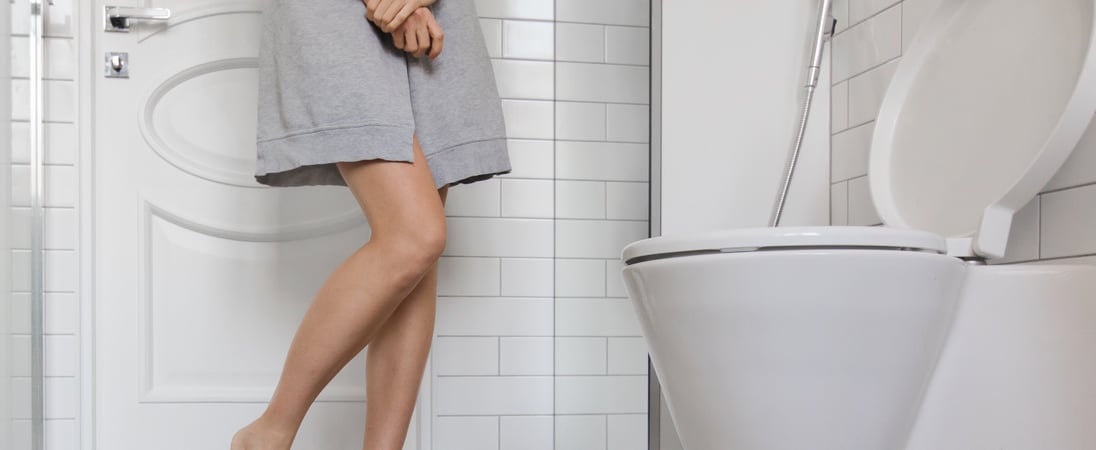
At its core, this day is about playfully normalizing a universal body signal. Everyone has done some version of the potty dance, whether it is a toe-to-toe shuffle, a knees-together bounce, or the classic “one hand on the hip, one hand pointing toward the restroom” speed-walk.
National Potty Dance Day invites people to embrace the humor in that shared experience, while also gently spotlighting potty training and bathroom habits without making it awkward.
Reasons for Celebrating National Potty Dance Day
National Potty Dance Day gets celebrated because it turns a minor daily drama into a harmless joke everyone understands. The potty dance is nearly universal, and that is exactly why it works as a theme. It is physical comedy powered by biology, and it crosses age, language, and personality types with ease.
One big reason is that it can make potty training feel less intense. Potty training is a major developmental step, and it can be stressful for caregivers who worry about accidents, routines, and readiness signals. Framing the whole topic with a silly dance shifts the mood.
A child who feels pressure to “perform” can instead feel like they are playing a game. When grown-ups treat bathroom learning like a normal part of life, kids often feel calmer, more confident, and more willing to try.
Another reason is that it helps people talk about body cues in a practical, non-scary way. The potty dance is essentially a visible sign of urgency. For children, recognizing that sensation and responding in time is the heart of toilet learning.
For adults, it is a reminder that ignoring body signals usually ends poorly. A funny theme can still carry a real message: noticing discomfort early, planning bathroom breaks, and respecting basic needs is part of staying comfortable and healthy.
It also builds empathy in a surprisingly effective way. Anyone who has hurriedly searched for a restroom in a store, on a long drive, or during a meeting knows the particular mix of urgency and embarrassment that can come with it.
Laughing about the potty dance makes people kinder about it. It can encourage patience with children who are still learning, understanding toward older adults or people with medical conditions that cause urgency, and consideration for anyone who simply needs a break.
Finally, it is a day that permits people to be a little goofy. Not every celebration needs grand traditions. Sometimes the best ones are small, silly, and low-stakes. A quick dance, a shared joke, or a playful family moment is enough to turn an ordinary day into one that feels lighter.
National Potty Dance Day Timeline
1596
Sir John Harington Describes an Early Flush Toilet
English courtier Sir John Harington published “The Metamorphosis of Ajax,” describing a valve-flush water closet that anticipates later indoor toilets and private bathroom habits.
1851
Public Flushing Toilets Debut at London’s Great Exhibition
The “Monkey Closet” flush toilets installed for visitors at the Crystal Palace make pay-per-use public restrooms popular and help normalize modern toilet use in crowded cities.
1880s
Indoor Toilets Spread in Middle-Class Homes
By the late nineteenth century, water closets and separate bathrooms had become commonplace in middle-class British and American homes, altering daily routines and children’s toilet habits.
1946
Benjamin Spock Publishes “Baby and Child Care”
Pediatrician Benjamin Spock’s bestselling guide recommends a more relaxed, child-centered approach to toilet training, moving away from strict early regimens toward watching a child’s cues.
1962
Toilet Training Guidelines Entered Pediatric Literature
The American Academy of Pediatrics began publishing guidance that emphasizes developmental readiness and positive reinforcement, reshaping how parents respond to children’s bathroom signals.
1991
“Once Upon a Potty” Video Popularizes Playful Potty Themes
The animated adaptation of Alona Frankel’s book “Once Upon a Potty” reached a wide U.S. audience, using gentle humor and simple visuals to normalize toddlers’ bathroom behavior and body awareness.
2010
Pull-Ups’ “Potty Dance” Campaign Hits Television and Online Media
Kimberly-Clark’s Pull-Ups brand launched a “Potty Dance” song and routine in TV commercials and web videos, turning children’s urgent wiggles into a playful, choreographed celebration of potty training.
History of National Potty Dance Day
National Potty Dance Day is a relatively modern observance that grew out of brand-led efforts to make potty training and bathroom talk more approachable.
Consumer household brands have long used playful characters, jingles, and gentle humor to take the edge off everyday topics like toilet paper, cleanliness, and children’s hygiene. This day fits neatly into that tradition, using comedy as a bridge between a universal human need and family-friendly conversation.
The observance is widely associated with Charmin, a major toilet paper brand, which has been credited with popularizing National Potty Dance Day as a recognizable named celebration.
The idea is straightforward: the “potty dance” is something many people do instinctively when trying to hold it in, so it is easy to identify, easy to joke about, and easy to recreate for fun.
Around the same broader era, potty training campaigns from other brands also leaned into music and movement to encourage kids to use the toilet. These campaigns often included simple dance moves and catchy songs that helped children connect the sensation of needing to go with the action of heading to the bathroom.
For families in the thick of potty training, turning “time to try” into a routine with a little rhythm can be genuinely helpful. The dance becomes a cue, not just a joke.
The phrase “potty dance” itself became common in everyday parenting language because it describes something very real: the telltale movements kids make when they are trying to delay a bathroom trip. Caregivers often learn to spot these signals quickly.
Common tells include crossing legs tightly, bouncing in place, squatting, grabbing at clothing, or suddenly becoming still and focused in a way that suggests a child is trying very hard not to have an accident.
Adults do their own version too, though they may try to disguise it with pacing, shifting weight from foot to foot, or “casually” heading toward a restroom at high speed.
As social media grew, the potty dance became an easy share. Short clips of toddlers celebrating a successful bathroom trip or doing a delighted wiggle afterward naturally spread because they are funny, wholesome, and familiar.
Even people without kids recognize the body language. The concept became a simple way to talk about a big milestone: learning to listen to the body, make it to the toilet, and feel proud afterward.
National Potty Dance Day now lives in that intersection of parenting humor, everyday reality, and playful internet culture. It is not about oversharing private details. It is about acknowledging, with a wink, that everyone has been there and that it is okay to laugh at the very human fact that sometimes the bladder is in charge.
How to Celebrate National Potty Dance Day
Host a Potty Dance Party
A Potty Dance Party works best when it is treated like a general silly-dance gathering with a bathroom-themed twist, not an excuse to embarrass anyone. Keep it light, inclusive, and age-appropriate.
Decorations can be as simple as bright streamers, balloons, and a “dance floor” area cleared in the living room. If kids are involved, it can help to make the party feel like a normal celebration rather than a spotlight on potty training.
Music should be upbeat and easy to move to. Think short songs with clear rhythms that invite hopping, clapping, and silly marching in place. Partygoers can take turns inventing a “potty dance move” and teaching it to everyone else.
Some classic standbys include the knee knock, the side-to-side wiggle, the penguin waddle, and the dramatic tiptoe sprint that ends in a victory pose.
For families working on potty training, a party can also include practical support without being preachy. Easy bathroom access, reminders to take breaks, and spare clothes for young kids keep the vibe relaxed. When accidents are treated as no big deal, and cleanup is calm, children tend to feel safer and more willing to keep practicing.
Create a Potty Dance Routine
Creating a routine turns the joke into a creative project. The best routines are short, repeatable, and a little exaggerated. A good structure is to start with “I need to go” moves, then build to “hurrying to the bathroom” steps, and finish with a “success” celebration.
For example, the routine might begin with a slow wiggle and crossed-ankle bounce, then switch to a fast shuffle in place, then a pretend “door open” gesture, and finally a big triumphant cheer with jazz hands.
Keeping it simple makes it accessible for kids, but adults can also add flair with spins, silly facial expressions, or a dramatic freeze-frame at the end.
This activity is also a sneaky way to practice coordination and listening skills. Kids can learn sequencing by remembering the order of moves. Groups can practice teamwork by staying in sync.
If people want to share a video with friends, it helps to focus on the dance itself, not on bathroom details. The humor is in the movement and the universal recognition, not in making anything personal.
Dress Up in Potty-Themed Costumes
Costumes can make the day feel festive, especially for kids who love dressing up. The key is to keep costumes playful and comfortable.
Simple ideas include wearing a plain white outfit with a sash that says “Potty Dance Champion,” adding a bow tie patterned with bubbles, or making a cardboard “bathroom sign” prop that can be held up during photos.
If the group enjoys crafts, costumes can become part of the celebration. People can create silly crowns from paper, make “ticket” badges for the dance party, or design homemade medals for categories like “Funniest Wiggle,” “Most Dramatic Sprint,” or “Best Victory Pose.” These awards keep the mood upbeat and help avoid competitiveness. The goal is giggles, not perfection.
For caregivers, it can help to steer away from anything that might shame a child who is still learning. The most successful potty-themed costumes are general and silly, not targeted. A child should feel like they are part of the fun, whether they are newly trained, still practicing, or not interested in the topic at all.
Play Potty Dance Games
Games give the celebration structure, especially for groups with kids who thrive on activities with clear starts and stops. “Musical Toilets” is a playful spin on musical chairs, where players circle a set of seats and freeze when the music stops.
“Pin the Plunger on the Toilet” is another silly option that works well with paper cutouts and painter’s tape, so nothing gets damaged.
Charades-style games can also fit the theme without making things uncomfortable. Players can act out “looking for the restroom,” “doing the potty dance,” “washing hands,” or “drying hands with a noisy hand dryer,” and everyone else guesses. It keeps the focus on relatable moments and hygiene habits rather than anything too personal.
For a calmer activity, try a “Potty Dance Freeze” game: when the music plays, everyone dances; when it stops, everyone must freeze in a potty-dance pose. Younger kids usually find it hilarious, and it is an easy way to burn energy without complicated rules.
Small prizes can add excitement, but they do not need to be expensive. Stickers, handmade certificates, or the honor of choosing the next song are often more than enough. If the group includes very young children, it can be kinder to give everyone a little recognition rather than having one “winner.”
Donate to Sanitation Charities
A donation component adds heart to the humor. While the potty dance is about urgency and laughter, bathroom access and sanitation are serious issues in many communities.
Supporting organizations that improve sanitation infrastructure, provide hygiene supplies, or help schools and families access clean facilities can turn a quirky celebration into something that also does good.
Donations do not have to be financial. Some people choose to gather hygiene items, organize a supply drive, or support local community efforts focused on cleanliness and safe restrooms. Even a small action can shift the day from purely silly to meaningfully grounded.
This is also a good opportunity to reinforce simple hygiene habits positively. Handwashing can be celebrated as part of the routine, not treated like a lecture.
A fun “handwashing song” challenge, a family poster of good bathroom habits, or a playful reminder that “the victory dance includes clean hands” keeps the tone light while still being practical.
National Potty Dance Day FAQs
Is it unhealthy to “hold it” and do a potty dance instead of going to the bathroom?
Regularly delaying urination is not recommended. Pediatric specialists note that frequent holding behaviors such as leg crossing, squatting, or “curtsying” can be signs of dysfunctional bladder habits, which are linked with daytime wetting, recurrent urinary tract infections, and, in rare cases, kidney problems if not addressed.
Going to the toilet when the urge appears is generally healthier than repeatedly putting it off. [1]
What does the “potty dance” tell caregivers about a child’s bladder health?
When a child squirms, hops, or grabs their crotch instead of going to the toilet, it is often a clear nonverbal sign that the bladder is quite full and the child is trying to avoid an accident.
Pediatric urology programs describe these “holding maneuvers” as common signals that a child may be postponing bathroom visits, which can contribute to lower urinary tract dysfunction if it happens again and again. [2]
Can delaying toilet training cause bladder problems later on?
A meta‑analysis published in the Journal of Pediatric Urology found that children who started toilet training earlier, especially before 24 months, had lower odds of daytime incontinence, bedwetting, and lower urinary tract dysfunction compared with children trained later.
While every child develops at their own pace, the research suggests that very delayed training may be associated with more bladder control issues. [3]
How often do young children typically urinate, and when is frequent “pee dancing” a concern?
Healthy children usually urinate every few hours during the day, but patterns vary with age, fluid intake, and activity. Pediatric bladder clinics consider frequent, urgent needs to urinate combined with holding maneuvers, daytime accidents, or repeated urinary tract infections as reasons to seek medical advice, since these can indicate lower urinary tract dysfunction rather than just normal squirming. [4]
Is it okay for parents to use silly dances and songs during potty training?
Using playful dances, songs, and games is a common behavioral strategy to make toilet training less stressful.
Surveys of parents reported by academic and hospital sources show that many families struggle with “potty anxiety,” and experts often encourage positive reinforcement, praise, and fun routines rather than punishment or pressure, since a relaxed atmosphere tends to support better long‑term toileting habits.
Does doing a “potty dance” increase the risk of urinary tract infections in children?
The dance itself is not harmful, but what it represents can be. Pediatric urologists explain that chronic urine holding and incomplete emptying of the bladder are associated with recurrent urinary tract infections in some children.
If a child often does dramatic holding behaviors instead of taking regular bathroom breaks, caregivers are usually advised to encourage a calm trip to the toilet and discuss the pattern with a pediatrician if infections or accidents occur.
How can caregivers tell the difference between a playful potty dance and a possible medical issue?
A lighthearted wiggle that ends with a normal bathroom trip is usually just playful behavior. Red flags include frequent daytime wetting, bedwetting after age 5 to 6, pain with urination, strong or foul‑smelling urine, constipation, or recurrent urinary tract infections.
Pediatric guidelines recommend that children with these symptoms, especially when combined with intense holding maneuvers, be evaluated for lower urinary tract or bowel dysfunction.
Also on ...
View all holidays
National Cheese Doodle Day
Crunchy, cheesy bites that make your taste buds dance with joy, the ultimate snack-time sidekick for any occasion.



We think you may also like...
National Dance Like a Chicken Day
Gather your friends and family, put on that funky music, and do the classic, goofy, ever-popular Chicken Dance to get moving and, undoubtedly, laughing.
Reading Is Funny Day
By reading books of riddles, jokes, and comedy, help kids see how reading can be just as fun and funny (if not moreso) as video games, tv, or the internet.
National Bugs Bunny Day
This famous cartoon character has been entertaining audiences for generations with his quick wit and cunning, playful demeanor.