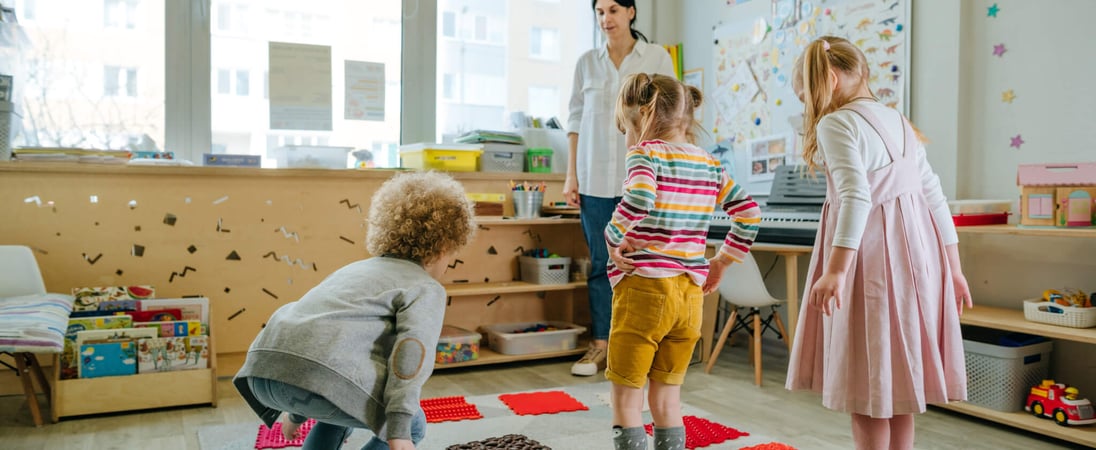
National Preschool Fitness Day
Nurturing the well-being of young children — ensuring vitality through gentle activities — builds the early foundations for lifelong health.
All children deserve the attention and care they need to be healthy and fit!
But preschoolers have a particular opportunity as they are spending these years building foundations and habits that lead through their childhoods and last a lifetime.
National Preschool Fitness Day is here to act as an important reminder for parents, teachers, grandparents and other caregivers of preschoolers to focus on their children’s health needs.
National Preschool Fitness Day Timeline
1837
First Public Kindergarten Established
Friedrich Froebel opens the first kindergarten in Germany, pioneering early childhood education focused on play and health.
1922
First U.S. Child Health Conference
The White House holds the first National Conference on Child Health and Protection, emphasizing early childhood health initiatives.
1965
Head Start Program Launched
The U.S. government initiates Head Start, promoting comprehensive health, nutrition, and education for preschool-aged children.
1989
Physical Activity Guidelines for Young Children Published
The National Association for Sport and Physical Education releases its first guidelines on appropriate physical activity for preschoolers.
2000
Rise in Childhood Obesity Recognized
The Centers for Disease Control and Prevention report a marked increase in obesity rates among preschool-aged children, prompting new focus on health and fitness.
History of National Preschool Fitness Day
National Preschool Fitness Day was started to encourage parents and teachers of preschoolers to get the children in their care to get moving!
The day was founded by the folks over at the KID-FIT organization, which was created in 1991 and is focused on the health of preschoolers. The day is also supported by the Child Care Services Association (CCSA), with the aim of helping children and families to build a better future.
This is a great time for parents and teachers of preschoolers to get access to early health education, encourage nutritious eating, and develop an active lifestyle.
The last Friday in the month of January is a perfect time for National Preschool Fitness Day to take place, as the winter months can be a time when it’s cold outside and tempting to spend time hibernating.
And with childhood obesity on the rise in the United States, it is important to create healthy and positive habits in children from a very young age.
And keeping kids busy and moving starting in preschool is one of the best ways for them to be and stay healthy and fit!
How to Observe National Preschool Fitness Day
Get involved with National Preschool Fitness Day in a variety of creative ways that help to keep the little ones healthy, so get started with some of these:
Keep Preschool Kids Active
All kids will benefit from getting regular exercise, but it’s important to make the exercise fun and not drudgery!
One of the best ways for kids to enjoy movement is to make it a dance by adding music, or turn it into a game.
Parents and teachers can get involved too, with the extra bonus of burning a few calories themselves.
Get Health Checkups for Preschoolers
Parents of preschool children know that it is important to keep their children healthy with regular medical checkups and health screenings through their pediatricians.
National Preschool Fitness Day is a great reminder that keeping these types of appointments allow for routine tests that help to detect problems before symptoms arise.
This could be anything from hearing and vision screenings to blood pressure and blood cholesterol checks to dental health checkups.
Make Some Healthy Food Exchanges
Kids in preschool are still young enough that their food preferences are continuing to be sealed! This is a great time to exchange some less healthy snacks or foods for some healthier ones.
Trade out white bread for healthier whole wheat bread, change snack cakes for apple slices with peanut butter, or swap pudding cups for yogurt.
Facts About National Preschool Fitness Day
Critical Period for Physical Activity Habits
Research shows that the preschool years (ages 3–5) are a critical period for establishing lifelong physical activity behaviors, as motor skills and preferences for active play are rapidly developing during this time.
Early positive experiences with movement can significantly influence long-term health outcomes.
Role of Nutrition in Early Brain Development
Proper nutrition during the preschool years is essential for brain development, as key nutrients such as iron, zinc, and omega-3 fatty acids support cognitive growth, memory, and attention.
Deficiencies during this stage have been linked to delays in cognitive and emotional development.
Preschool Screen Time and Physical Health Risks
Excessive screen time for preschool-aged children has been linked to increased risks of obesity, sleep disturbances, and delayed motor skill development.
The American Academy of Pediatrics recommends limiting screen time for children aged 2 to 5 years to one hour per day of high-quality programming.
Vaccinations Protect Preschoolers from Serious Illnesses
Routine immunizations recommended for preschool-aged children, such as those for measles, mumps, rubella (MMR), and polio, have dramatically reduced the incidence of these diseases, safeguarding both individual and public health.
Adhering to the vaccination schedule is a vital component of preschool health.
Importance of Sleep for Preschool Health
Preschool-aged children require 10 to 13 hours of quality sleep per day, including naps, to support physical growth, emotional regulation, and immune function. Shorter sleep durations have been associated with higher risks of obesity and behavioral problems.
National Preschool Fitness Day FAQs
What are the recommended amounts and types of physical activity for preschool-aged children?
Health authorities recommend that preschoolers (ages 3-5) engage in at least 3 hours (180 minutes) of physical activity each day, with activities ranging from light to vigorous intensity.
These should include a variety of movement types, such as running, jumping, climbing, and dancing, incorporated throughout the day and preferably including time outdoors.
What is a common misconception about preschoolers’ physical activity levels?
A widespread misconception is that preschoolers are naturally highly active and effortlessly meet recommended physical activity guidelines.
Research, however, shows that many children in this age group do not achieve the necessary daily activity levels on their own and may need encouragement from caregivers.
How does caregiver knowledge impact preschoolers’ nutrition and physical activity habits?
Caregivers’ understanding of nutrition and physical activity significantly shapes preschoolers’ health behaviors.
Studies indicate that caregivers, including educators, often lack specific knowledge about age-appropriate portion sizes, serving recommendations, and credible nutrition information, which can affect children’s daily habits and long-term health.
Do organized physical activity programs provide different benefits than unstructured play for preschoolers?
Research has shown that preschool children involved in organized physical activity programs—such as structured classes or guided exercise—demonstrate greater improvements in health-related fitness measures compared to those who participate primarily in unorganized play.
Can technology-based activities be as effective as traditional physical education for preschoolers?
Studies suggest that certain mobile apps designed for preschoolers’ movement and exercise can produce physical activity outcomes comparable to traditional physical education activities, such as obstacle courses or group fitness games, when properly implemented.
What are global trends in preschool health and fitness research?
Recent trends emphasize developing fundamental movement skills, integrating 24-hour movement behaviors (including activity, limited sedentary time, and adequate sleep), and exploring interventions that address both motor skills and cognitive development in early childhood.
Also on ...
View all holidays
National Fun at Work Day
Creating laughter and good vibes while tackling tasks, the office can be a playground of camaraderie, where work and play intermingle.
National Draw a Dinosaur Day
A whole species of animals that once roamed the earth, but have been extinct for many thousands of years, represents the mystery of the world that existed prior to humankind.

National Croissant Day
Enjoy a delicious pastry treat from your local bakery, pair with sweet and savory fillings alike or make your own buttery batch at home.

National Escape Day
Celebrate the little things in life with smiles, laughter, and a reminder to find joy every day!
We think you may also like...

National Childhood Obesity Awareness Month
In the face of a growing health concern among our youth, society's nurturing role becomes increasingly vital for a healthier future generation.


National Exercise With Your Child Week
Encouraging outdoor play, fostering healthy habits, and instilling a love for movement in children for lifelong well-being.