National Raisin and Spice Bar Day
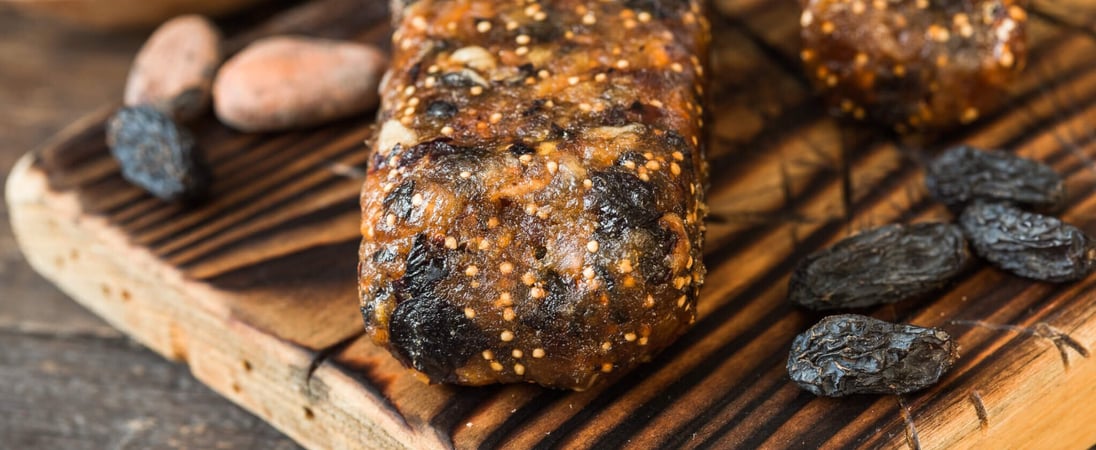
Imagine biting into a soft, chewy bar where sweet raisins meet warm spices like cinnamon and nutmeg.
That’s the delight of a raisin and spice bar—a treat combining dried fruits with aromatic spices to create a comforting snack. These bars have been cherished for generations, offering a simple yet flavorful indulgence.
National Raisin and Spice Bar Day invites us to savor this classic dessert. It’s a moment to appreciate the blend of sweetness and spice that makes these bars special.
Whether enjoyed with a cup of tea or shared among friends, raisin and spice bars bring warmth and joy to any occasion.
National Raisin and Spice Bar Day Timeline
2000–1000 BCE
Early Raisin Use in Ancient Near East
Archaeological and textual evidence shows dried grapes being produced and traded in regions such as ancient Persia and Egypt, where raisins were valued as sweeteners and added to breads and other foods.
11th–13th Centuries
Medieval Europe Discovers Sweet Spices
Contact with the Islamic world during the Crusades exposes Europeans to luxury spices like cinnamon and cloves, which begin to appear in sweetened medieval dishes and early dessert-style preparations.
14th Century
Spiced Fruit Breads in European Cooking
By the late Middle Ages, European cooks are combining dried fruits with imported spices in rich breads, puddings, and cakes, setting a culinary pattern that later inspires spiced fruit cakes and bars.
17th Century
Nutmeg and Mixed Spice Become Baking Staples
European demand for nutmeg and related spices fuels intense colonial competition, and these aromatics become key ingredients in emerging mixed spice blends used in sweet baking across Britain and Europe.
1896
Bar Cookies Enter American Cookbooks
The 1896 “Boston Cooking-School Cook Book” by Fannie Farmer includes some of the earliest American recipes for cookies baked in a sheet and cut into bars, helping popularize the bar-cookie format.
Early 1900s
Oatmeal Raisin and Spiced Cookies Spread
As commercial oats and raisins become more widely available in the United States, cookbooks and package inserts promote oatmeal raisin and lightly spiced cookies, bringing the raisin–spice pairing into everyday home baking.
1930s–1950s
Pan Bars Become Standard Home-Baking Treats
Mid‑20th‑century American community and brand cookbooks regularly feature dessert “bars” that combine dried fruits, warm spices, and simple pan-baked techniques, paving the way for familiar raisin and spice bar recipes.
How to Celebrate National Raisin and Spice Bar Day
Ready to spice up your day? Here are some playful ideas to celebrate National Raisin and Spice Bar Day:
Bake Your Own Bars
Dust off that apron and preheat your oven. Whipping up a batch of homemade raisin and spice bars fills your kitchen with delightful aromas. Experiment with spices like cinnamon, nutmeg, or cloves to craft your signature treat.
Host a Tasting Party
Gather friends for a raisin and spice bar-tasting soirée. Invite each guest to bring their unique version of the classic bar. Compare flavors, swap recipes, and enjoy a sweet time together.
Explore Local Bakeries
Embark on a quest to discover the best raisin and spice bars in town. Visit local bakeries or cafes, sample their offerings, and maybe find a new favorite spot.
Pair with Beverages
Enhance your bar experience by pairing them with complementary drinks. A hot cup of chai, spiced latte, or even a glass of mulled wine can elevate the flavors.
Get Creative with Ingredients
Feeling adventurous? Add a twist to the traditional recipe by incorporating ingredients like apricots, pecans, or chocolate chips. Personalizing your bars can lead to delightful discoveries.
History of National Raisin and Spice Bar Day
National Raisin and Spice Bar Day arrives each year on April 5th, bringing attention to a treat packed with warm spices and chewy raisins.
The exact origins of this day remain a mystery, with no clear records showing when it first began or who established it.
Some national food days are created by companies, culinary groups, or even enthusiastic home bakers, but no one has stepped forward to claim credit for this one.
Despite the uncertainty, it has found a place on food calendars and continues to be observed by those who love this classic snack.
Spiced baked goods have been enjoyed for centuries, with raisins adding a natural sweetness long before refined sugar became common. Combining these ingredients in bar form likely came from a desire for a portable, satisfying dessert.
While the first raisin and spice bar recipe is difficult to trace, versions of this snack have appeared in cookbooks for decades. Its lasting appeal comes from the simple yet comforting blend of flavors.
Though its official history is unclear, National Raisin and Spice Bar Day serves as a delicious excuse to enjoy a homemade or store-bought version of this timeless treat. Whether baking or tasting, it’s a day worth celebrating.
Facts About National Raisin and Spice Bar Day
Ancient Raisins Were Luxury Food and Currency
Archaeological and written evidence suggests that raisins were prized luxury foods in the ancient Mediterranean, where Greeks and Romans used them not only as sweeteners and decorations for dishes, but also as prizes in sporting events and as a form of payment or tribute, reflecting their high value before cane sugar became common.
From Vineyard to Raisin: Specialized Grape Varieties
Commercial raisin production relies on grape varieties bred specifically for drying, such as Thompson Seedless, which can lose around two-thirds of their weight as water during drying, with roughly four kilograms of fresh grapes needed to produce one kilogram of raisins, a ratio that shapes both vineyard planning and pricing.
California’s Raisin Belt and a World Record Crop
California’s San Joaquin Valley, particularly Fresno County, became the world’s largest raisin-producing region by the late 20th century, and in 2000 the United States set a world record by harvesting about 475,000 tons of raisins, most of them sun-dried on paper trays between vineyard rows.
Why Cinnamon Works So Well in Baked Bars
Cinnamon’s warm flavor in baked bars comes from cinnamaldehyde and related compounds in the bark of Cinnamomum trees, which are fat soluble and become especially aromatic when heated with butter or oil, helping carry spice flavor evenly through dense batters such as bar cookies and cakes.
Nutmeg’s Hidden Power and Safety Limits
Nutmeg owes its distinctive flavor to volatile oils rich in myristicin and other phenylpropenes that survive baking and contribute a sweet, woody aroma, but those same compounds have psychoactive effects in very large doses, which is why food safety agencies recommend using nutmeg in the small culinary amounts typical of baking.
How Bar Cookies Became an American Kitchen Staple
Bar cookies and dessert bars took off in American home baking in the early 20th century as sugar, flour, and dried fruits became cheaper and stoves more reliable, with community cookbooks from the 1910s and 1920s featuring “raisin bars” and other sheet-pan recipes that were easier, faster, and more economical than rolling individual cookies.
Spices in Medieval European Baked Goods
By the late Middle Ages, imported spices such as cinnamon, cloves, and nutmeg were common in European festival breads and cakes, and their high cost meant spiced baked goods signaled status and celebration, a tradition that later evolved into fruitcakes, gingerbread, and other raisin- and spice-laden treats associated with holidays.
National Raisin and Spice Bar Day FAQs
Are raisins actually a healthy ingredient in baked bars, given their sugar content?
Raisins are high in natural sugar, but they also provide fiber, potassium, iron, and a range of antioxidants.
A small serving, such as a quarter cup, typically offers around 2 grams of fiber and beneficial plant compounds that can support digestion and heart health.
Nutrition experts generally view raisins as a nutrient-dense ingredient when eaten in moderation and balanced with whole grains and nuts in baked bars.
How do warming spices like cinnamon and nutmeg change the flavor of a dessert bar?
Cinnamon, nutmeg, and similar warming spices contain aromatic compounds that are easily released by heat and fat, which is why they bloom so well in baked goods.
These spices amplify perceptions of sweetness and add complexity, so a bar can taste richer and more flavorful even without significantly increasing sugar.
Their warmth also pairs particularly well with caramelized flavors in dried fruits such as raisins.
Why are raisins such a common choice for traditional spice cakes and bars?
Historically, raisins stored well and offered concentrated sweetness long before refined sugar was widely available, so they became a staple in cakes, breads, and puddings.
In many older recipes, raisins were used to add both moisture and bursts of flavor, especially in dense spice cakes that traveled well.
That tradition continues today, where raisins provide chewiness and natural sweetness that stands up to bold spices like cinnamon and cloves.
Do raisins behave differently from fresh fruit when baked into bars?
Yes. Raisins are much lower in water and higher in sugar than fresh fruit, so they do not release as much moisture into the batter.
This helps baked bars hold their structure and keeps the crumb from becoming soggy.
At the same time, their concentrated sugars caramelize slightly during baking, which deepens flavor without significantly altering the bar’s texture.
Are spiced raisin bars better made with whole wheat flour or white flour from a nutrition standpoint?
Whole wheat flour generally makes a more nutrient-dense bar because it retains the bran and germ of the grain.
Compared with refined white flour, whole wheat provides more fiber, vitamins, minerals, and phytochemicals, which can help moderate blood sugar spikes from the natural sugars in raisins.
Many bakers use a blend of whole wheat and all-purpose flour to balance nutrition with a tender texture.
How do different types of raisins, like golden and dark, affect the taste and texture of spice bars?
Golden raisins are usually dried with controlled heat and often treated to preserve a lighter color, which gives them a slightly plumper texture and a milder, fruitier taste.
Dark raisins dry more slowly and develop deeper, caramel-like notes.
In spice bars, golden raisins tend to stand out with brighter flavor, while dark raisins blend into the background with a more molasses-like sweetness.
Bakers sometimes mix both to add complexity.
What are some practical ways to reduce added sugar in raisin and spice bars without losing flavor?
Cooks often rely on the natural sweetness of raisins to cut back on added sugar.
Techniques include puréeing some of the raisins with water to sweeten and moisten the batter, using ripe mashed banana or unsweetened applesauce in place of part of the sugar and fat, and increasing spices like cinnamon and vanilla to enhance perceived sweetness.
Whole grains and a pinch of salt can also make flavors taste more rounded so less sugar is needed overall.
Also on ...
View all holidays

Geologists’ Day
Don’t take the ground beneath your feet for granted: honor the scientists that have delved into the Earth to teach us more about it on National Geologist’s Day.

First Contact Day
On April 5th, 2063, Zefram Cochrane makes first contact between man and extraterrestrials: this day is for Trekkies everywhere to let their geekdom out.

Gold Star Spouses Day
Courageous partners, facing loss with resilience, forming an unspoken bond—a testament to strength beyond words.
We think you may also like...
National Chocolate Mousse Day
Rich, creamy, fluffy, chocolatey…make your own chocolate mousse and add coffee, vanilla, or even rum, and treat yourself to the decadent dessert. Guilt-free.
National Strawberry Sundae Day
Pile on some vanilla ice cream, strawberry sauce, and fresh cut strawberries, then add whatever toppings you like—chocolate syrup, sprinkles, etc.

National Eat Your Jello Day
Delight in the wobbly joy of a gelatinous marvel that brings smiles and culinary creativity to gatherings and desserts.