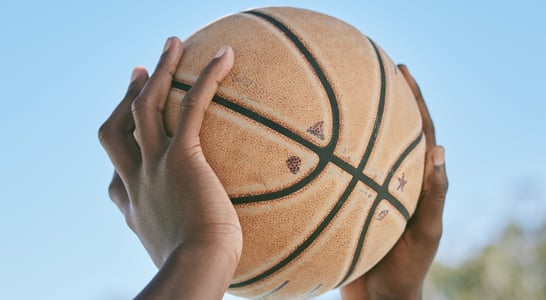
National Sportsmanship Day
Being gracious, respectful, and encouraging towards your opponents makes the game more enjoyable for everyone involved.
Being a good sport is one of the most important parts that makes playing games and sports fun, safe and enjoyable! Sportsmanship is a characteristic that is present in those who have respect for the game as well as their fellow players,
Now, National Sportsmanship Day is here for athletes and sports people to enjoy and celebrate in a myriad of ways!
National Sportsmanship Day Timeline
1858
Thomas Hughes Publishes “Tom Brown’s School Days”
This popular novel about life at Rugby School portrays games as a training ground for character, helping cement Victorian ideals of fair play, honor, and gentlemanly conduct in sport.
1869
“Muscular Christianity” Links Morality and Sport
English writer Thomas Hughes and clergyman Charles Kingsley promote “muscular Christianity,” arguing that team games build moral courage, self‑control, and fairness, shaping early ideas of sportsmanship.
1894
Olympic Revival Enshrines Fair Play
Pierre de Coubertin founds the International Olympic Committee and revives the Olympic Games with a strong emphasis on amateurism, character building, and fair play as core sporting values.
1908
Olympic Oath Concept Takes Shape
Debates over controversial judging and behavior at the London Olympics spur Coubertin and others to call for an athletes’ oath, reinforcing ideals of chivalry, respect for opponents, and clean competition.
1920
First Olympic Athletes’ Oath Is Taken
At the Antwerp Games, fencer Victor Boin recites the first Olympic Oath on behalf of all athletes, publicly pledging to compete with honor and obey the rules in the spirit of sportsmanship.
1978
UNESCO Adopts International Charter of Physical Education and Sport
UNESCO’s charter declares that sport should promote human dignity and fair play, influencing many national education systems to teach sportsmanship and ethical conduct through physical education.
1994
UNESCO’s Fair Play Campaign Expands Globally
UNESCO and the International Fair Play Committee work together to promote awards, education programs, and campaigns that celebrate exemplary acts of sportsmanship across different sports worldwide.
How to Celebrate National Sportsmanship Day
Take some time to consider the best possible ways to pay heed to and enjoy National Sportsmanship Day. Get creative in celebrating or perhaps get started thinking about it with one of these ideas:
Reward Good Sportsmanship in Young Athletes
Those who are parents, teachers, coaches or others who work with young people in sports may celebrate the day by promoting sportsmanship-like behavior among their athlete participants.
Acknowledging character traits like kindness, strong leadership, a positive attitude, treating others with respect and many others is a great way to promote and celebrate National Sportsmanship Day.
Host a National Sportsmanship Day Event
Coaches and parents of students who are involved in sports might want to organize a banquet or dinner in honor of their athletes.
Whether hosted by the school or a community athlete committee, It’s a great time to have an awards ceremony where the kids with the best sportsmanship characteristics and qualities are given a certificate or award.
Check Out Examples of Sportsmanship
Whether doing a little online search engine research, reading a book or watching a movie, National Sportsmanship Day is a great time to get inspired by other people who have shown what it means to be a good sport.
Get inspired by some of these movies that reveal the character of good sportsmanship in their storyline:
- Chariots of Fire (1981) starring Ben Cross and Ian Charleson. Based on a true story of Olympians participating in the 1924 games.
- The Mighty Ducks (1992) starring Emilio Estevez. This trilogy of films is about a group of young hockey players.
- A League of Their Own (1992) starring Geena Davis, Tom Hanks and Madonna. This film tells the story of a league of women baseball players.
- American Underdog: The Kurt Warner Story (2021). Also based on a true story, this movie follows Warner as an undrafted player who goes on to win the Super Bowl.
History of National Sportsmanship Day
While the idea of good sportsmanship has been around for centuries, perhaps since 1700s England, National Sportsmanship Day is a more recent occurrence.
It seems the day was founded in 1990 by the folks at the Institute of International Sport at the University of Rhode Island. The inaugural observance of the day was celebrated at more than 3000 schools throughout the United States.
Since that time, for more than 30 years, National Sportsmanship Day has been celebrated each year to promote the idea of good sportsmanship, honoring and rewarding those who show this character trait.
The day has made a positive impact on hundreds of thousands of young student athletes across the United States since that time and will continue to do so, far into the future!
Facts About National Sportsmanship Day
Victorian “Muscular Christianity” Helped Turn Games Into Moral Training
In 19th‑century Britain, sportsmanship was strongly shaped by the “muscular Christianity” movement, which held that organized games were a way to build moral character, self‑discipline, and fairness in boys who would become leaders of the British Empire.
Elite public schools like Rugby and Eton built team sports into daily life not just for fitness, but to teach ideals such as playing fair, accepting defeat, and respecting opponents, helping to cement sportsmanship as a moral duty rather than just game etiquette.
The Modern Olympic Movement Put Fair Play in Its Founding DNA
From its revival in 1894, the Olympic Movement tied sport to ethics by writing fair play, respect, and non‑discrimination into the Olympic Charter.
The current Charter states that Olympism seeks to place “sport at the service of the harmonious development of humankind,” and the IOC’s Fair Play initiatives promote respect for rules and opponents as core values, making sportsmanship an explicit part of what it means to compete as an Olympian.
FIFA Uses Yellow and Red Cards to Punish Unsporting Conduct
In world soccer, sportsmanship is enforced not only by culture but by law: the FIFA Laws of the Game list “unsporting behavior,” dissent, and using offensive or abusive language as cautionable offenses that earn yellow cards, while serious foul play and violent conduct bring red cards and ejection.
Referees are instructed to sanction players who disrespect opponents or attempt to deceive officials, so poor sportsmanship can directly change a match’s outcome and even lead to suspensions.
College Sports in the United States Have Formal Sportsmanship Codes
In the NCAA, sportsmanship is written into bylaws that require “honesty and integrity” and “respect for the dignity of others” from athletes, coaches, and fans.
Conferences such as the Big Ten and SEC add their own sportsmanship policies, and schools can face fines, suspensions, or loss of hosting privileges if crowds or teams engage in taunting, harassment, or other disrespectful conduct, making good behavior an institutional responsibility rather than just a personal choice.
Youth Athletes Who Value Winning Above All Are More Likely to Cheat
Research with youth and adolescent athletes has found that those who strongly endorse an “ego” or win‑at‑all‑costs orientation report more willingness to cheat, fake injuries, or intentionally foul opponents, while athletes who focus on personal improvement and mastery show higher levels of prosocial behavior and fair play.
These findings support the idea that how adults frame success in sport can significantly influence whether young competitors act with or against sportsmanship ideals.
Coaches’ Emphasis on Effort and Respect Predicts Better Sportsmanship
Studies in youth team sports show that when coaches intentionally emphasize effort, learning, and respect for opponents, athletes report higher levels of fair play, helping behavior toward teammates, and respect for officials.
Conversely, environments where coaches tolerate trash talk or excuse rule‑bending to win are linked with more aggressive play and acceptance of cheating, suggesting that day‑to‑day coaching messages powerfully shape how young people understand sportsmanship.
Sportsmanship Programs Can Reduce Aggression in Youth Leagues
Intervention programs that teach specific sportsmanship skills, such as shaking hands, using positive communication, and responding calmly to bad calls, have been shown to lower aggressive penalties and technical fouls in youth leagues.
In one controlled study of a structured sportsmanship curriculum in youth basketball, teams that received the program committed fewer rule violations and showed improved respect for referees and opponents compared with control teams that did not receive the training.
National Sportsmanship Day FAQs
What are the core elements of good sportsmanship in any sport?
Good sportsmanship typically includes respect for opponents and officials, adherence to rules, self-control under pressure, and a focus on fair play rather than winning at any cost.
It also involves accepting victories without gloating, handling defeat without blaming others, and showing concern for the safety and dignity of all participants.
These elements are emphasized by major organizations like the International Olympic Committee and national youth sport bodies as essential to ethical sport.
How does sportsmanship affect youth athletes’ development beyond the playing field?
For children and teenagers, learning sportsmanship supports social and emotional development by teaching empathy, cooperation, and conflict management.
Research in youth sport psychology has found that environments that reward fair play and respect are linked to better self-esteem, greater enjoyment of sport, and lower dropout rates, while “win-at-all-costs” climates can increase anxiety and unsporting behavior.
These life skills often transfer into school, work, and relationships later on.
Is good sportsmanship only about obeying the rules of the game?
Sportsmanship includes rule adherence, but it goes further by covering the spirit behind those rules.
Ethical sport involves behaving fairly even when no one is watching, avoiding tactics that exploit loopholes, and rejecting behaviors that may be technically legal but clearly contradict the intent of the game, such as deliberate time-wasting or targeted intimidation.
Many codes of conduct in organized sport explicitly distinguish between the “letter” and the “spirit” of the rules.
How do cultural and regional differences shape ideas of sportsmanship?
Expectations for sportsmanship can vary by culture and sport, even though respect and fairness are widely valued.
In some countries, a strong emphasis is placed on humility and not celebrating individual success too openly, while in others expressive celebrations are accepted as part of the game.
Contact sports may tolerate more physical aggression than non-contact sports, yet global bodies such as FIFA and the International Olympic Committee promote common standards that condemn discrimination, violence, and harassment everywhere.
Can strong competitiveness coexist with good sportsmanship?
High competitiveness is not inherently at odds with sportsmanship. Many elite athletes and coaches describe “competitive integrity” as striving to perform at one’s best while still respecting opponents, rules, and officials.
Studies in sport ethics show that athletes who define success in terms of effort, improvement, and honor are often both highly competitive and highly sportsmanlike, whereas problems usually arise when winning is treated as the only value that matters.
What role do parents and spectators play in promoting or harming sportsmanship?
Parents and fans can strongly influence how athletes behave. Supportive spectators who applaud effort, accept officials’ decisions, and avoid hostile language create a climate where fair play is rewarded.
In contrast, yelling at referees, taunting opponents, or pressuring children to win can normalize poor conduct and increase aggression on the field.
Many youth sport leagues now provide sideline codes of conduct and education programs to guide adult behavior.
How do officials and governing bodies encourage sportsmanship in modern sports?
Leagues and governing bodies use rule changes, disciplinary systems, and educational campaigns to promote sportsmanship.
Examples include fair play awards, respect campaigns targeting abuse of officials, and stricter penalties for dissent, simulation, or violent conduct.
International and national federations often publish codes of ethics or conduct that define acceptable behavior and outline sanctions for violations, signaling that character is part of performance.
Also on ...
View all holidays

International Irish Whiskey Day
Savoring that smooth, amber-hued spirit with a rich heritage, evoking the warmth of tradition and the charm of Irish culture.

World Wildlife Day
Nature's untamed wonders are always captivating, from the majestic beasts of the savanna to the tiny creatures in your backyard.
World Hearing Day
Discovering the key to lifelong well-being: nurturing and safeguarding your hearing for a vibrant and connected life.
We think you may also like...
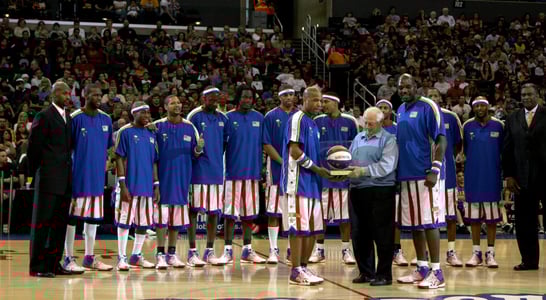
Harlem Globetrotter’s Day
Those basketball entertainers with jaw-dropping skills, comedic antics, and dazzling tricks — they turn the court into a stage of sheer amusement.
Christopher Street Day
Celebrating diverse identities and promoting equality, an annual event advocating for LGBTQ+ rights and fostering a sense of community.