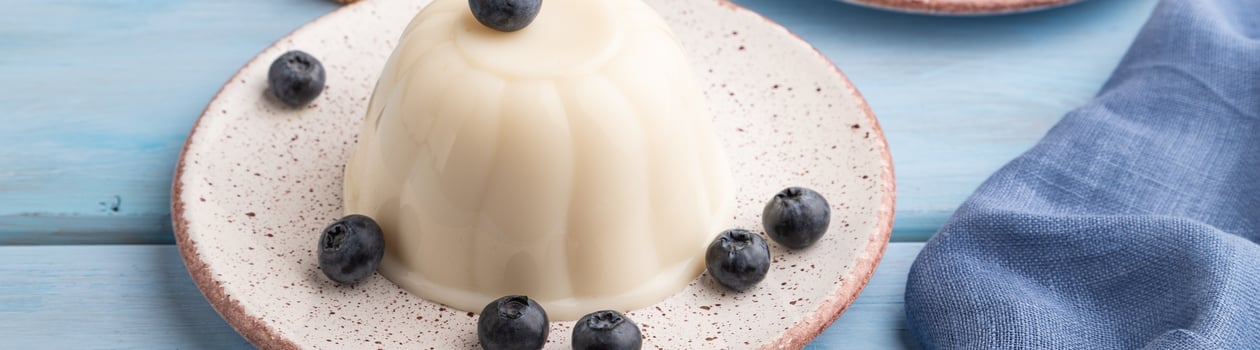
National Vanilla Pudding Day celebrates the smooth, creamy goodness of a classic dessert. This day is all about enjoying the comforting simplicity of vanilla pudding, which has long been a favorite in many households.
It’s a dessert that can be enjoyed on its own or dressed up with toppings like fresh fruit, cookies, or whipped cream, making it an ideal choice for any sweet tooth.
The day invites people to indulge in this timeless treat and appreciate its role in our kitchens and dessert tables.
What makes vanilla pudding special is its wide appeal. The gentle flavor of vanilla offers a blank canvas, allowing for creative combinations, from layering it in trifles to using it as pie fillings.
For those who love a quick and easy dessert, the popularity of instant pudding has made it even more accessible!
National Vanilla Pudding Day Timeline
First Commercial Custard Powder
English chemist Alfred Bird develops and markets an egg‑free custard powder thickened with cornstarch, laying the groundwork for modern cornstarch-based vanilla puddings.
Vanilla Custards Spread in American Cookbooks
American cookbooks begin featuring recipes for vanilla-flavored boiled custards and “cornstarch puddings,” signaling the growing popularity of vanilla as a standard dessert flavor.
Industrial Vanilla Production Accelerates
The introduction of cured Bourbon vanilla from Madagascar into global trade helps make vanilla more affordable and widely available for use in puddings, custards, and other desserts.
First Packaged Vanilla Pudding in the U.S.
American food companies introduce packaged vanilla pudding mixes thickened with cornstarch, making it easier for home cooks to prepare consistent, creamy puddings.
Jell-O Adds Cooked Vanilla Pudding
The Jell-O brand, already known for flavored gelatins, launches a line of cooked pudding mixes including vanilla, helping to cement vanilla pudding as a familiar packaged dessert.
Jell-O Instant Pudding Debuts
Jell-O introduces instant pudding mixes that set without cooking, dramatically simplifying preparation and boosting the popularity of quick, creamy vanilla puddings in American homes.
Pudding as Versatile Dessert Base
By the late 1900s, vanilla pudding is widely used not only as a stand‑alone dessert but also as a base for pies, trifles, and layered refrigerator desserts in both home and commercial kitchens.
How to Celebrate National Vanilla Pudding Day
Looking for fun ways to celebrate National Vanilla Pudding Day? There are plenty of creative ways to make the most of this delightful day.
From simple, sweet indulgences to full-blown pudding events, there’s something for everyone who loves this classic dessert. Check out these playful suggestions.
Host a Pudding Topping Bar
Set up a pudding topping bar with bowls of fun ingredients like berries, crushed cookies, and whipped cream. Everyone can personalize their pudding cups with their favorite flavors. Mix and match to discover the ultimate combo!
Bake a Pudding Pie
Try using vanilla pudding as a pie filling! Whether you choose a graham cracker crust or a flaky pastry, this creamy dessert can be transformed into a luscious pie. Add some fruit or chocolate for an extra twist.
Experiment with Pudding Flavors
Get adventurous and make different versions of vanilla pudding. Add a touch of cinnamon, almond extract, or even a splash of coffee to see how the flavor changes. Each spoonful could be a surprise!
Have a Pudding Face-Off
For those who love a friendly competition, organize a pudding-making contest. Everyone brings their best vanilla pudding recipe, and a panel of judges can decide the winner based on taste, texture, and creativity.
Enjoy a Pudding Picnic
Pack up some pre-made vanilla pudding cups and head to the park for a laid-back pudding picnic. Share with friends or family, and enjoy your desserts surrounded by nature’s beauty.
History of National Vanilla Pudding Day
National Vanilla Pudding Day celebrates a classic dessert that has been enjoyed for centuries. While no one can pinpoint exactly when this food holiday started, it likely grew in popularity along with the rise of commercial puddings in the United States.
Early vanilla puddings were made with basic ingredients like cornstarch and milk, and the first packaged version was sold in 1918. Alfred Bird, an English chemist, invented the first egg-free custard, which eventually led to the rise of vanilla pudding.
In the 1940s, instant puddings became a hit, making it easier for families to whip up this sweet treat in no time. This convenience and its versatile flavor helped vanilla pudding become a household favorite.
The tradition of celebrating pudding likely followed the rise of other food-themed days, though its exact origin is unclear. Today, people recognize this day as an excuse to indulge in creamy vanilla goodness.
This day honors more than just a dessert; it celebrates a simple yet satisfying piece of culinary history. As a timeless favorite, vanilla pudding’s special day allows everyone to enjoy a beloved classic in their own way.
Facts About National Vanilla Pudding Day
Vanilla’s Journey From Mexican Orchids To Global Flavor
Vanilla flavor in pudding and custard ultimately traces back to the vanilla orchid, native to present-day Mexico, where the Totonac people first cultivated it and the Aztecs later used it to flavor cacao drinks.
For centuries, vanilla vines could only be successfully pollinated in this region because pollination depended on a specific native bee; it was not until 1841 that a 12-year-old enslaved boy, Edmond Albius, on Réunion Island discovered a hand-pollination method that allowed vanilla cultivation to spread worldwide and made vanilla-flavored desserts common in Europe and the United States.
Starch Gelatinization Gives Pudding Its Creamy Body
The smooth texture of cornstarch-thickened vanilla pudding comes from a process called starch gelatinization, in which starch granules absorb liquid and swell when heated in milk.
Food scientists have shown that as the mixture reaches roughly 140–194 °F (60–90 °C), the swollen granules leak amylose molecules that tangle together and trap water, turning a thin liquid into a soft gel; careful control of temperature and stirring prevents lumps and graininess, which is why many pudding recipes call for gradual heating and constant whisking.
How Custard Powder Created Egg-Free “Puddings”
Many modern vanilla puddings owe a debt to 19th-century custard powder, created in Britain as an egg-free substitute for traditional egg-thickened custard.
Alfred Bird, a chemist whose wife was allergic to eggs, developed a cornstarch-based powder flavored with vanilla that thickened when cooked with milk and sugar; this product allowed home cooks to make a smooth, custard-like dessert without fresh eggs and helped popularize starch-thickened vanilla puddings throughout the British Empire and beyond.
Instant Pudding Helped Define Postwar Convenience Cooking
Instant vanilla pudding emerged in the mid‑20th century as part of a broader wave of convenience foods that reshaped American home cooking.
Brands such as Jell‑O introduced powdered mixes that used pregelatinized starches, which thicken without long boiling, so a dessert that once required careful stovetop cooking could be whipped up in minutes with cold milk; historians of food culture link these products to changing household labor patterns, increased refrigeration, and the rise of quick “semi-homemade” desserts in the 1950s and 1960s.
Why Vanilla Tastes “Sweet” Even Without Sugar
Vanilla pudding often tastes sweeter than its actual sugar content because key compounds in vanilla interact with human flavor perception.
Vanillin, the primary aromatic in vanilla beans, has been shown in sensory studies to enhance perceived sweetness and overall flavor intensity, which lets manufacturers and home cooks slightly reduce added sugar without making desserts seem less indulgent; this sweetness-enhancing effect is one reason vanilla is widely used as a background flavor in many processed foods.
The Costly Reality Behind Real Vanilla
Real vanilla used in premium puddings and custards is one of the most labor-intensive flavorings in the world, which is why it is far more expensive than synthetic vanilla.
Each vanilla orchid flower must be hand-pollinated within a narrow time window, and the resulting pods then require months of curing and drying before they develop their characteristic aroma; today, a large share of the global supply comes from smallholder farmers in Madagascar, where price swings and climate risks make vanilla production economically precarious.
Puddings Once Belonged To The Savory World
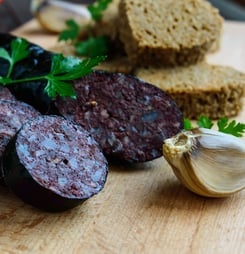
Before desserts like vanilla pudding became common, the word “pudding” in English often referred to savory dishes such as blood puddings or suet-based boiled mixtures.
By the 18th and 19th centuries, sweet custards and starch-thickened dishes gradually took over the term in Britain and North America, helped by cheaper sugar and improved dairy supplies; this linguistic shift explains why, in modern American usage, “pudding” usually means a sweet, creamy dessert rather than a meat-filled sausage or steamed dish.