
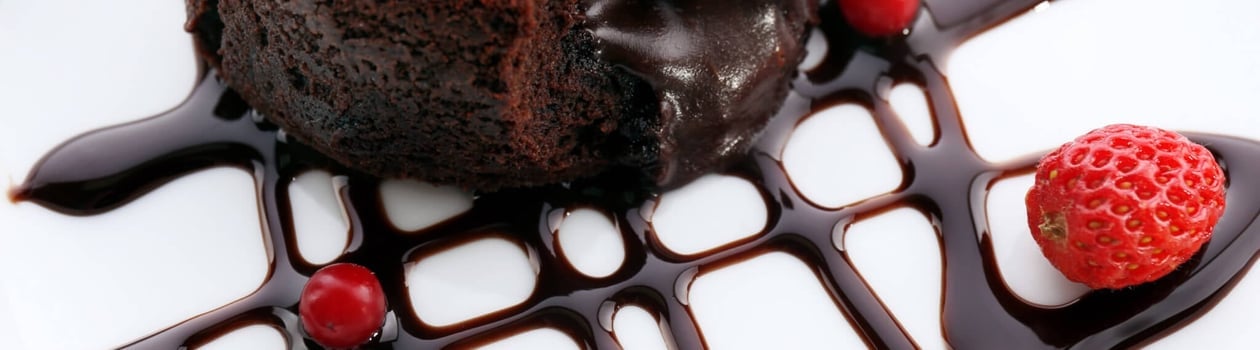
Rich, flavorful, and decadent, there’s nothing in life quite as good as chocolate pudding. It is a simple dessert with a big personality: glossy, spoonable, and capable of turning an ordinary moment into something that feels a little special.
Its creamy texture is without a doubt one of the most amazing things about it, but there’s a secret in the pudding not everyone knows. The “secret” is not a mystical ingredient so much as a clever bit of kitchen science. Chocolate pudding becomes pudding because something transforms a pot of sweet chocolate milk into a thick, velvety custard-like bowl of comfort.
Worry not though, we’ll be letting you in on it when we talk about the history of puddings and, of course, National Chocolate Pudding Day.
How to Celebrate National Chocolate Pudding Day
Well to start off with get yourself a great big bowl of delicious chocolate pudding and go to town. That can be store-bought, from a mix, or made from scratch. The point is to enjoy it on purpose, with the kind of attention usually reserved for “fancier” desserts.
If you’re feeling particularly adventurous you can even try making your own, which opens up a broad range of possibilities. Homemade chocolate pudding is surprisingly manageable, and it rewards a little patience. The basic idea is to gently heat milk (or a dairy-free alternative), sugar, and chocolate flavoring, then thicken the mixture and chill it until it sets. The biggest difference between “pretty good” and “wow” pudding is usually technique: whisking thoroughly, heating gradually, and giving it enough time to cool properly.
A milk chocolate may be a classic type of pudding, but you can also mix it up with a dark chocolate, a white chocolate, even a mint chocolate! Dark chocolate pudding tends to taste more grown-up and intense, while milk chocolate leans nostalgic and mellow. White chocolate versions are sweeter and creamier, and they often benefit from a pinch of salt to keep things from getting too one-note. Mint chocolate works well when the mint is used with restraint, more like a background note than toothpaste-level enthusiasm.
For anyone who likes to tinker, National Chocolate Pudding Day is an excuse to play with flavor layers:
- Add espresso powder for a mocha vibe.
- Stir in orange zest for a chocolate-citrus twist.
- Use a pinch of cinnamon or chili for warmth.
- Fold in a spoonful of peanut butter after cooking for a marbled effect.
Then you can top it with a swirl of caramel or even sprinkle it with rainbow sprinkles. Toppings are where chocolate pudding becomes a choose-your-own-adventure dessert. A few crowd-pleasers include toasted nuts for crunch, shaved chocolate for extra drama, crushed cookies for texture, or fresh berries for contrast.
National Chocolate Pudding Day celebrates this amazing treat and offers you the opportunity to eat your fill, top it with whipped cream! For an extra bit of fun, pudding also plays nicely with other desserts. It can be layered into parfaits, spooned into tart shells, tucked into a cake as a filling, or frozen into a frosty treat that eats like a softer, creamier ice pop.
If the celebration involves sharing, chocolate pudding is an easy “bring-a-bowl” dessert. Make one big batch and set up a topping bar so everyone can customize their own cup. It’s playful, low-pressure, and it makes pudding feel like an event instead of just a snack.
National Chocolate Pudding Day Timeline
Alfred Bird Invents Egg-Free Custard Powder
British chemist Alfred Bird creates Bird’s Custard Powder in Birmingham, using starch instead of eggs and paving the way for convenient, eggless custard-style desserts that later include chocolate versions.
Rise of Creamy, Starch-Thickened Puddings
In Britain and North America, sweet milk puddings shift from egg-thickened custards and steamed “puddings” to softer, cornstarch- or flour-thickened desserts, laying the groundwork for modern chocolate pudding.
Early Printed Recipe for Chocolate Pudding
One of the earliest known English-language recipes titled “chocolate pudding” appears in the 18th century, describing a rich, cooked mixture closer to a baked or boiled pudding than today’s creamy American version.
First Boxed Chocolate Pudding Mix Sold in U.S.
The My‑T‑Fine brand begins selling what is described as the first boxed pudding mix, a chocolate flavor, helping transform chocolate pudding into an easy, standardized home dessert.
Cook-and-Serve and Instant Puddings Spread
Major U.S. brands such as Jell‑O expand from gelatin desserts into cook-and-serve and instant pudding mixes, using modified starches so chocolate pudding can be made quickly with milk at home.
Chocolate Pudding Becomes Everyday Comfort Food
By the late 1900s, ready-to-eat cups, boxed mixes, and home recipes make chocolate pudding a standard American comfort dessert, served in school lunches, hospital trays, and family kitchens alike.
Health-Conscious and Vegan Chocolate Puddings Emerge
Building on the classic dessert, cooks and manufacturers develop chocolate puddings based on alternative milks, tofu, avocado, and reduced sugar, reflecting contemporary interest in vegan and lighter treats.
History of National Chocolate Pudding Day
The history of puddings starts far back in the 17th century, when the first recipes for puddings appears. Back then puddings were made much different than the (classically thought of) pudding is today, and to make it clear we’re talking about dessert puddings not savory puddings, which are another topic entirely.
Historically, the word “pudding” covered a lot of culinary territory. In some traditions it referred to dishes that were boiled or steamed, often in a cloth or mold, and they could be dense, sliceable, and closer to cake than custard. Over time, the idea of pudding split into different meanings depending on where one lived. In many places, pudding remained a broad category that could include steamed desserts, while in North America “pudding” commonly narrowed into the creamy, spoonable dessert most people picture when they hear the phrase “chocolate pudding.”
Common ingredients were butter and flour, suet, cereals, and other ingredients which when they came together served to create more of a cake like result than the puddings we think of today. It’s also worth mentioning that they baked, steamed, even boiled into their final form.
That variety of methods matters because pudding’s identity has always been tied to texture. Long before instant mixes and refrigerated cups, cooks were already trying to turn basic pantry items into something cohesive and satisfying. Boiling, steaming, and baking were ways to make ingredients hold together without modern thickeners, and they produced sturdy desserts designed to feed a lot of people with ingredients that were affordable and filling.
Originally it was egg that provided the thickening agent that made a pudding into a type of custard, but the invention of a stable powder-form of egg-free custard mix really helped to bring the dessert pudding into the modern day.
This is where that “secret” starts to come into focus. Eggs can thicken a mixture beautifully, but they require attention. Heat them too fast and they scramble, leaving little cooked egg bits where silkiness should be. Starch thickening, on the other hand, is more forgiving and more consistent for everyday cooking. As food manufacturing expanded, powdered mixes made pudding easier to reproduce reliably at home. Instead of relying on eggs and careful tempering, a cook could use a measured blend that set up with predictable results.
Chocolate pudding is of the type known as a creamy pudding, and is typically made of a combination of sugar, milk, and a thickening agent of one of broad range of things. Sometimes a gelatin was used, tapioca and cornstarch are popular, or even rice puddings.
Cornstarch is the classic thickener for many modern chocolate puddings because it creates a clean, smooth gel as it heats. When cornstarch granules are warmed in liquid, they absorb moisture and swell, thickening the mixture into something spoonable. Tapioca gives a slightly different texture, sometimes with a gentle chew or a glossy finish depending on the form used. Gelatin can create a softer set that feels more like a molded dessert. Rice-based puddings thicken partly through starch from the grains and partly through reduction, and they tend to be heartier and more substantial.
Chocolate itself also varies. Some puddings rely on cocoa powder for a deep, slightly bitter chocolate taste. Others use melted chocolate for richness and a rounder flavor. Many home cooks combine both: cocoa for intensity, chocolate for body. A small amount of salt is not just a “trendy” addition either; it helps the chocolate taste more like chocolate, not just sugar.
The majority of puddings are served cold, though a few are prepared warm. Rice puddings are particularly popular as a warm served treat, and chocolate puddings are one of the few that can get away with being served warm or cold.
Serving temperature changes everything about pudding’s personality. Warm chocolate pudding feels cozy and sauce-like, almost like a cross between pudding and hot chocolate. Cold pudding tastes more defined, with a firmer structure and a cleaner finish on the tongue. Many people prefer it chilled because the flavors settle and the texture becomes denser and more satisfying.
The rise of convenience pudding products also shaped the way people think about chocolate pudding. Powdered pudding mixes became popular because they were fast, shelf-stable, and consistent. Some early mixes still required cooking, but later “instant” versions were engineered to thicken quickly when mixed with cold milk. That quick-setting magic comes from pre-gelatinized or modified starches. In simple terms, the starch has been processed so it acts like it has already been cooked, which means it can thicken without simmering on the stove. It’s a clever shortcut that made chocolate pudding an easy weeknight dessert and a lunchbox favorite.
National Chocolate Pudding Day celebrates this diverse and delicious treat!
It celebrates the comforting spoonful, the nostalgia factor, and the surprisingly wide world of “pudding” itself. It also gives chocolate pudding its moment to shine as more than a kid’s dessert. Done well, it can be a genuinely elegant dish: smooth, glossy, deeply chocolatey, and balanced enough to stand on its own without needing a mountain of toppings to prove its worth.
Facts About National Chocolate Pudding Day
Colonial American Chocolate “Pudding” Was Baked, Not Spoonable
An 18th‑century chocolate pudding recipe linked to George Washington’s Mount Vernon shows that early American “chocolate pudding” was a baked, custard-like dish made with grated chocolate, eggs, cream, and sugar, closer to a firm baked pudding than today’s soft, spoonable dessert.
The First Recorded “Chocolate Pudding” Dates Back to 1730
Food historians trace the earliest known printed reference to “chocolate pudding” in English to 1730, when the term referred to a boiled or steamed, often bread- or suet-based pudding rather than the cornstarch-thickened chocolate custards familiar in modern American kitchens.
Chocolate Custard Helped Give Birth to Modern Chocolate Pudding
Chocolate custard, a thick, creamy dessert that relies on egg coagulation, appears in 19th‑century cookery records and is recognized by food historians as a key ancestor of modern chocolate pudding, which later incorporated starch thickeners for a more stable, spoonable texture.
Cornstarch Gelatinization Is the Hidden Engine of Pudding Texture
In many chocolate puddings, cornstarch granules start to swell and gelatinize between about 62 and 82 °C (144–180 °F), absorbing water, bursting, and releasing amylose molecules that form a gel network, which transforms a thin chocolate milk mixture into a thick, glossy dessert.
Why American “Pudding” Is Creamy While British “Pudding” Is Cake‑Like
Food-history research notes that in Britain, “pudding” traditionally meant a boiled or steamed, often suet‑rich dish that became cake‑like by the 19th century, while in the United States the word shifted to describe soft, custard- or starch-thickened desserts, which is how chocolate pudding came to mean a creamy, spoonable sweet.
Instant Chocolate Pudding Was Refined Through Food Engineering
By the late 20th century, food technologists were patenting specialized instant cocoa pudding mixes that addressed technical problems like stabilizing cocoa particles and preventing syneresis, reflecting how something as simple as chocolate pudding benefited from industrial research into starch chemistry, emulsifiers, and processing methods.
Starch and Eggs Work Together in Custard‑Style Chocolate Puddings
Food-science writers point out that many chocolate puddings rely on both starch and egg yolks: starch provides reliable thickening and opacity, while egg proteins coagulate to add richness, color, and a delicate custard structure, with the combination giving the dessert its characteristic creamy yet sliceable consistency.
National Chocolate Pudding Day FAQs



You may also like

National Vanilla Pudding Day
Celebrate National Vanilla Pudding Day by enjoying creamy vanilla desserts, fun topping bars, creative pudding recipes, and the sweet history of this classic treat.
- Canada
- United Kingdom
- United States

National Plum Pudding Day
Savor a delightful holiday dessert, rich with tradition and warm memories, as it brings a taste of nostalgia to your table.
- Canada
- United Kingdom
- United States

National Yorkshire Pudding Day
Golden brown and crispy on the outside, soft and doughy on the inside — the perfect accompaniment to any roast dinner!
- Australia
- Canada
- United Kingdom
- and 1 more

National Black Pudding Day
Savoring blood sausage connects taste buds to rich culinary traditions, blending savory notes that captivate discerning palates.
- France
- Ireland
- Spain
- and 1 more
National days and holidays on June 26

National Beauticians Day
Get together with your friends or family and pamper yourselves, while supporting the beauticians whose training and hard work help us look our best.
- Canada
- United Kingdom
- United States

World Drug Day
Understanding the dangers and effects of substances is crucial for making informed choices and protecting your health.
- Canada
- United Kingdom
- United States

World Refrigeration Day
Don’t take for granted the importance of refrigeration in modern life. Consider what life without it would be, and have some gratitude for the innovators who made it possible.
- United Kingdom
- United States

Dream Big Day
Discover how Dream Big Day inspires children to explore passions, broaden horizons, and build skills for a more inclusive, opportunity-filled future.
- United Kingdom
Seize Every Day
Join free for personalised recommendations, email reminders and exclusive guides. Never miss a day.