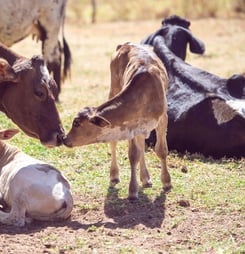
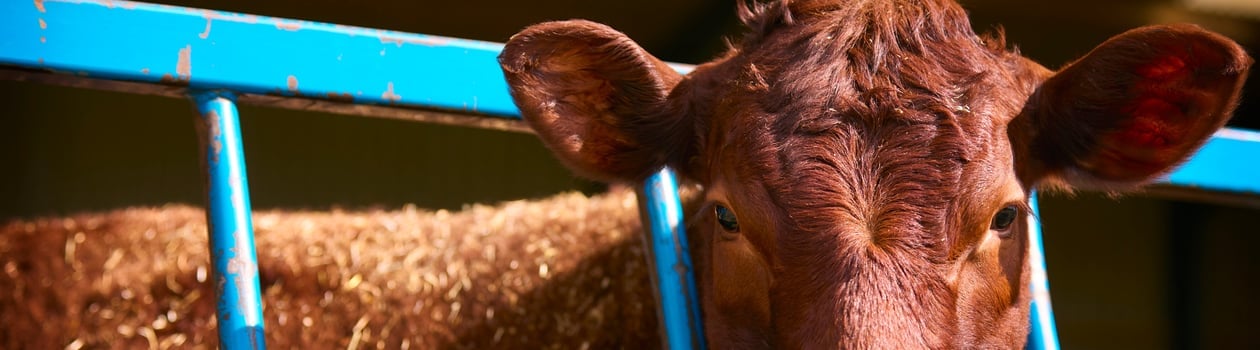
National Veal Ban Action Day gets people thinking about something often hidden behind closed doors—the lives of baby calves.
It’s not just about cutting out a type of meat. It’s about understanding what those animals go through before they end up on someone’s plate.
Many are confined in small crates, barely able to move. This day asks us to stop and consider what kind of world we support with our choices.
It’s a moment to speak up for those who can’t. People from all walks of life—animal lovers, parents, students, chefs—join in to say enough is enough.
They share stories, spark conversations, and question the cost of cruelty. Every small action matters. Together, they push for change, not just in farming, but in hearts and minds. This day reminds us that kindness should never be left off the menu.
National Veal Ban Action Day Timeline
Humane Slaughter Act in the United States
Congress passes the Humane Slaughter Act, one of the first federal laws to address treatment of livestock, bringing public attention to conditions of animals, including young calves, in meat production.
Publication of “Animal Machines”
Ruth Harrison’s book “Animal Machines” exposes intensive farming practices in Britain, including the confinement of calves for veal, and helps spark the modern farm animal welfare movement.
Council of Europe Convention on Farm Animals
The Council of Europe adopts the Convention on the Protection of Animals Kept for Farming Purposes, which lays groundwork for later detailed rules on housing and welfare for calves raised for veal.
First EU Directive on Calf Welfare
The European Community adopts Council Directive 91/629/EEC, setting minimum standards for the protection of calves, including space, diet, and general care, and marking a shift from unregulated veal crate use.
EU-Wide Ban on Individual Veal Crates Comes Into Force
Under Council Directive 2008/119/EC (building on 91/629/EEC), the European Union phases out individual veal crates for calves over eight weeks old, effectively ending the traditional crate-based veal system across member states.
Arizona Voters Ban Veal Crates
Arizona passes Proposition 204, which prohibits the confinement of veal calves in crates that prevent them from turning around or extending their limbs, signaling growing U.S. concern about veal production practices.
United Kingdom Moves Toward Veal Welfare Alignment
Following earlier EU rules, the U.K. government confirms continued adherence to bans on veal crates and emphasizes higher welfare standards for calves, reflecting long-term public pressure over veal production conditions.
How to Celebrate National Veal Ban Action Day
National Veal Ban Action Day is the perfect opportunity to take a stand for animals and rethink the choices we make every day.
Start with Your Plate
Skip veal for the day and try a delicious plant-based alternative. Explore new recipes that don’t involve animal products.
Choose meals that reflect compassion and creativity. A colorful vegetable stir-fry or hearty lentil stew can surprise you.
Share a homemade meat-free dish with friends to spark interest. Let your choices show your values, one bite at a time.
Watch and Learn
Stream a documentary or short video that shows how veal is produced. Real footage helps people understand the impact behind the scenes.
Stories stick with us more than facts alone. Make time to reflect afterward and talk it through with someone.
Awareness begins when you look beyond the surface. Let the truth guide you toward more thoughtful decisions.
Speak Up
Use your voice on social media to start a conversation. Post a fact, share a story, or ask a question. Encourage others to learn more.
Tag organizations that support ethical farming. Use hashtags that highlight animal welfare. Even a short post can create a ripple effect. Change often starts with one bold sentence.
Support the Cause
Donate to a group working to end factory farming. Help fund rescues, investigations, or education campaigns.
Volunteer time if giving money isn’t an option. Local shelters and sanctuaries also welcome help. Your effort can protect animals in need. Every step—big or small—makes a difference when it comes from the heart.
Teach the Next Generation
Talk to children about kindness to animals. Use books, games, or stories to keep it age-appropriate. Help them see that animals have feelings too.
Encourage empathy in everyday life. Show them how choices at the store matter. When kids grow up informed, they grow up kinder. Compassion can start at any age.
History of National Veal Ban Action Day
National Veal Ban Action Day began in 1982. Dr. Alex Hershaft, a Holocaust survivor and animal rights activist, started it. He founded the Farm Animal Rights Movement (FARM) after attending the World Vegetarian Congress in 1981.
The event started as the Veal Ban Campaign, aiming to end the cruel treatment of calves in veal production.
Veal comes from young calves, often taken from their mothers shortly after birth. These calves are confined in small crates, restricting movement to keep their meat tender. They are fed a liquid diet lacking essential nutrients, leading to anemia and other health issues.
The campaign gained momentum through public awareness and protests. In 1983, FARM established World Day for Farmed Animals to highlight the suffering of animals raised for food.
Over time, the Veal Ban Campaign evolved into National Veal Ban Action Day, observed annually on the second Sunday of May.
The movement has led to significant changes. Veal consumption in the U.S. has declined dramatically. Some states have banned veal crates, and public awareness about animal welfare has increased.
National Veal Ban Action Day continues to advocate for the humane treatment of animals and encourages people to consider the origins of their food.
Facts About National Veal Ban Action Day
Decline of Veal Consumption in the United States
Per capita veal consumption in the United States has dropped from about 8 pounds per person in the 1940s to well under 1 pound today, according to USDA data.
Analysts link this steep decline not only to changing tastes and higher beef availability, but also to growing public concern over the treatment of calves and the use of confinement crates, which has made veal a symbol of intensive livestock production for many consumers.
Male Dairy Calves as a Byproduct of Milk Production
Veal production is closely tied to the dairy industry because most veal in North America and Europe comes from male calves born to dairy cows, who cannot produce milk themselves.
The Food and Agriculture Organization notes that dairy systems generate large numbers of “surplus” calves, many of which are either raised for veal or low-value beef, illustrating how milk and meat supply chains are intertwined rather than separate.
Welfare Concerns Around Individual Calf Crates
Scientific reviews from the European Food Safety Authority report that individually housing calves in narrow crates with restricted movement impairs their ability to perform natural behaviors such as grooming, playing, and social interaction, and is associated with higher levels of abnormal oral behaviors.
These welfare concerns underpinned European Union legislation that banned traditional veal crates and mandated group housing for calves over eight weeks of age.
EU-wide Ban on Conventional Veal Crates
Council Directive 2008/119/EC required all European Union member states to phase out narrow veal crates that prevented calves from turning around, with full implementation from 2007 for new facilities and 2013 for existing ones.
The directive set minimum pen sizes, required group housing above a certain age, and mandated access to roughage and iron, marking one of the earliest region-wide legal standards focused specifically on the welfare of calves raised for veal.
Health Effects of Low-Iron Diets Used to Produce Pale Veal
Traditional veal systems often relied on deliberately low-iron liquid diets to keep the meat pale, but veterinary research has shown that such feeding practices can cause anemia, weakened immune function, and increased susceptibility to disease in calves.
Studies referenced by the American Veterinary Medical Association highlight that providing adequate iron and roughage improves both health and welfare, which has led many producers to abandon extreme low-iron regimens.
Rise of “Group-Housed” and “Rose Veal” Systems
In response to welfare and consumer concerns, some producers, particularly in Europe, shifted to group-housed systems and “rose veal,” where calves are kept in small social groups, given more space, and fed diets that allow their meat to be pink rather than very pale.
Reports from the UK’s Department for Environment, Food & Rural Affairs describe these systems as improving behavior and health markers such as reduced abnormal licking and better weight gain compared to traditional crate-based veal.
Public Opinion and Support for Farm Animal Welfare Laws
Surveys of U.S. voters conducted by the ASPCA and independent polling firms over the past decade consistently find large majorities supporting laws that give farm animals, including calves, more room to move and banning treatments considered cruel.
Similar Eurobarometer surveys in the European Union report that roughly nine in ten citizens believe farm animal welfare should be better protected, showing that concern for animals used in food production extends across cultures and political lines.