National Wedding Ring Day
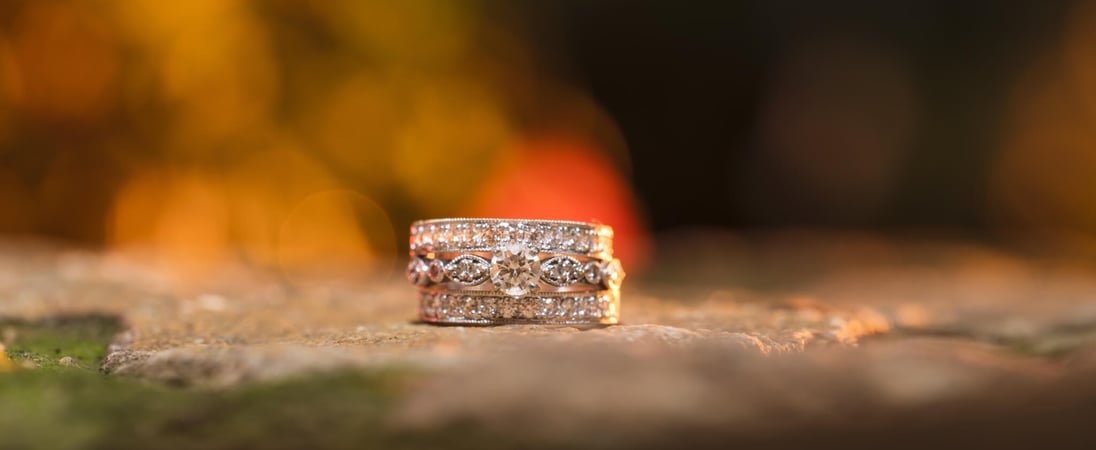
The wedding ring… It’s more than just a piece of jewelry. It stands for eternal love and commitment between partners. That simple circle symbolizes the unbroken, lifelong bond of marriage.
National Wedding Ring Day is a special day dedicated to celebrating the significance of wedding rings in marriages.
Couples use this day to reflect on the love and commitment symbolized by their rings. It’s a joyful occasion for both newlyweds and long-married pairs to appreciate the enduring bond their rings represent. This day encourages couples to reignite their romance and cherish their shared journey.
The day provides a chance to renew vows and reinforce the promises made on their wedding day. Exchanging or admiring their rings reminds couples of their commitment and their deep connection.
This celebration also emphasizes wedding rings’ cultural and personal importance, highlighting their role in symbolizing eternal love and unity.
The celebration of this day brings couples closer. It encourages romantic gestures and creative expressions of love, such as designing new rings or engraving heartfelt messages.
Couples can use this day to reflect on their journey together, appreciating the moments that have strengthened their relationship.
Overall, National Wedding Ring Day is a wonderful reminder of the power and beauty of love symbolized through wedding rings.
National Wedding Ring Day Timeline
c. 3000 BCE
Ancient Egyptians Exchange Braided Rings
Archaeological and textual evidence suggests Egyptians exchanged rings made from braided reeds, hemp, and later bone or ivory as symbols of eternal love, with the circular form representing eternity. [1]
1st–3rd Centuries CE
Roman Iron and Gold Marital Rings Emerge
In ancient Rome, men gave brides iron rings, and later gold, as visible signs of ownership, fidelity, and the husband’s status, helping establish the wedding ring as a legal and social symbol. [2]
9th Century (c. 866)
Pope Nicholas I Describes Christian Ring Customs
Pope Nicholas I details that Christians present women with espousal gifts including a ring placed on her finger before the nuptial service, helping formalize ring-giving in medieval Christian marriage. [3]
1477
Archduke Maximilian’s Diamond Betrothal Ring
Archduke Maximilian of Austria presents Mary of Burgundy with a diamond engagement ring, one of the earliest well-documented diamond betrothal rings and an important precedent for later European elites.
16th–17th Centuries
Posy and Gimmel Rings Express Romantic Devotion
In early modern Europe, engraved “posy” rings and interlocking “gimmel” rings become popular betrothal and wedding tokens, emphasizing personal sentiment and shared unity in ring symbolism. [4]
World War II (1939–1945)
Men’s Wedding Bands Become Common
Many Allied soldiers began wearing plain wedding bands while deployed to feel connected to spouses at home, helping normalize wedding rings for men in Western cultures. [5]
1947
De Beers Launches “A Diamond Is Forever” Campaign
De Beers’ advertising campaign powerfully links diamonds with everlasting love, driving the modern expectation of diamond engagement and wedding rings in the United States and beyond.
History of National Wedding Ring Day
National Wedding Ring Day began as a way to honor the symbol of love and commitment that wedding rings represent.
Ancient Egyptians were among the first to use rings in their ceremonies, viewing the circular shape as a symbol of eternity. The tradition spread to the Romans, who saw rings as a symbol of ownership and loyalty.
During the medieval period, Christians adopted the practice of exchanging rings during marriage ceremonies.
Pope Nicholas I declared that a gold ring should be used in Christian weddings, solidifying the ring’s significance in Western marriage rituals.
This practice evolved, with diamond rings becoming popular in the 20th century thanks to a successful marketing campaign by De Beers.
Today, National Wedding Ring Day is celebrated by couples to reflect on their relationships and the enduring symbol of their rings.
It serves as a reminder of the vows taken and the journey shared, encouraging couples to renew their commitments and appreciate the deep meaning behind their wedding rings.
How to Celebrate National Wedding Ring Day
Renew Vows in Style
Why not celebrate National Wedding Ring Day by renewing vows? Plan a small ceremony or a cozy dinner.
Recite those promises again with a smile and add some new ones. This charming act reaffirms your love and commitment, making the day truly special.
Exchange Thoughtful Gifts
Surprise each other with new wedding bands. Select something unique that reflects your shared journey. Engrave a special message or date inside the ring.
This thoughtful gesture adds a fresh layer of meaning to your commitment.
Plan a Romantic Date
Use this day as the perfect excuse for a romantic outing. Arrange a candlelit dinner, a sunset picnic, or a fun adventure. Spending quality time together strengthens your bond and creates beautiful memories to cherish.
Host a Fun Gathering
Invite friends and family to join in the celebration. Organize a small party where couples can share their love stories and maybe even exchange rings again. This social event makes the day lively and memorable.
Create Together
Get creative and design a ring together. Visit a jeweler to craft a custom piece, or try a DIY project at home.
This fun activity not only results in a unique ring but also strengthens your teamwork and creativity as a couple.
Write Love Letters
Pen heartfelt love letters to each other. Express your feelings, recount special moments, and share your hopes for the future.
Reading these letters together adds a personal and romantic touch to the celebration.
Facts About Wedding Rings
Wedding rings may feel timeless, but many of the traditions surrounding them are surprisingly recent—or rooted more in symbolism than fact. From medieval bands etched with private messages to wartime habits that reshaped modern ceremonies, wedding rings reflect changing ideas about love, identity, and partnership. These facts explore how history, myth, and social shifts have shaped the way rings are worn, exchanged, and understood across centuries.
-
Double-Ring Ceremonies Are a 20th-Century Innovation
For much of Western history only brides received rings, and the now-familiar “double-ring ceremony,” where both partners exchange bands, did not become common in the United States until the 1940s–1950s, when wartime separation and shifting gender expectations encouraged men to adopt wedding bands as visible symbols of commitment.
-
World War II Cemented Men’s Wedding Bands as a Norm
Before World War II, relatively few American men wore wedding rings, but soldiers and sailors heading overseas began adopting plain gold bands as “identity tokens” to feel connected to their spouses, and jewelry-industry reports show that this wartime habit continued after demobilization, helping to make men’s wedding bands a mainstream feature of mid‑20th‑century marriage culture.
-
The “Vena Amoris” Is a Romantic Myth, Not Anatomy
The custom of placing a wedding ring on the fourth finger of the hand is often explained by the ancient notion of a “vena amoris,” a special vein running directly from that finger to the heart, but modern anatomy shows that no such unique vein exists, illustrating how symbolic stories rather than scientific fact helped fix the “ring finger” in Western marriage traditions.
-
Claddagh Rings Encode a “Three-Part” Marriage Message
The traditional Irish Claddagh ring, associated with the fishing village of Claddagh near Galway in the 17th century, weaves three distinct relationship ideals into a single design: the heart stands for love, the hands for friendship, and the crown for loyalty, and long-standing custom holds that wearing it in different orientations can discreetly signal whether the wearer is single, engaged, or married.
-
Fede Rings Used Clasped Hands to Signify Union
Fede rings, popular in medieval and Renaissance Europe, depicted two right hands clasped together and took their name from the Italian phrase “mani in fede” (“hands in faith”), visually representing the joining of partners in a vow and sometimes serving as tangible proof of a betrothal in societies where spoken promises carried legal weight.
-
Posy Rings Hid Intimate Messages Inside the Band
Posy rings, favored in late medieval and early modern England and France, carried short engraved mottoes—often in French, Latin, or English—on the inner surface of the band, turning the ring into a private exchange of verse or sentiment that only the wearer and giver were meant to see, and surviving examples reveal a mix of romantic, religious, and humorous inscriptions.
-
Early Gem-Set Marriage Rings Preceded Modern Diamond Marketing
Long before 20th‑century advertising popularized diamond engagement rings, European inventories and wills from the late Middle Ages and Renaissance already mention marriage-related rings set with diamonds, rubies, and other stones, showing that gem-set bands were part of elite marital gift-giving centuries before they became a mass-market symbol.
National Wedding Ring Day FAQs
Did ancient cultures use materials other than metal for wedding rings?
Yes, ancient Egyptians crafted rings from braided hemp or reeds, symbolizing eternal love.
These materials, though perishable, held deep meaning. Over time, more durable materials like leather and bone became popular, leading to the metal rings we recognize today.
Why do some cultures wear wedding rings on the right hand instead of the left?
In countries like Germany and Russia, couples wear wedding rings on the right hand.
This tradition stems from beliefs associating the right hand with strength and honor. In contrast, many Western cultures choose the left hand, once thought to have a vein directly connected to the heart.
Are there any superstitions linked to dropping the wedding ring during the ceremony?
Yes, some believe dropping the ring can bring bad luck or foretell future marital discord.
To counteract this, certain traditions suggest the person who drops the ring should slip it onto their partner’s finger to reverse the omen.
How do some cultures incorporate wedding rings into unique ceremonies?
In traditional Jewish weddings, the groom places the ring on the bride’s right index finger. After the ceremony, she often moves it to the left ring finger, highlighting the ring’s significance in the marriage contract.
What unusual materials are used for wedding rings in different cultures?
In India, some brides wear toe rings called bichiya instead of finger rings. These silver rings symbolize marital status and are traditionally worn on the second toe of both feet.
How did World War II influence men’s wedding ring traditions?
During World War II, many soldiers began wearing wedding rings to feel connected to their spouses while overseas.
This practice popularized the tradition of men wearing wedding bands, which was less common before the war.
Are there any myths about the origin of the engagement ring?
A popular myth credits Archduke Maximilian of Austria with initiating the diamond engagement ring trend in 1477.
However, evidence suggests that diamond rings were used in betrothals even earlier, indicating a more gradual adoption of the tradition.
How do some cultures handle the loss of a wedding ring?
In certain cultures, losing a wedding ring is considered an omen of marital trouble.
To ward off bad luck, some believe in performing a ritual, such as placing a new ring on the partner’s finger while reaffirming vows, to restore harmony.
What are some modern alternatives to traditional wedding rings?
Some couples opt for tattooed rings, choosing designs that hold personal significance. This permanent symbol reflects their commitment and offers a unique twist on the traditional ring exchange.
How do some cultures signify engagement without rings?
In traditional Chinese culture, engagements were marked by the exchange of betrothal gifts rather than rings.
These gifts, often including money and food, symbolized the families’ agreement and the couple’s forthcoming union.
Also on ...
View all holidays
Doggy Date Night
Pets bring so much joy and quality to the lives of pet owners that it’s important to make sure those pups are feeling loved and cared for!

National Golden Retriever Day
These friendly dogs are a popular breed for families and service work, known for their loyalty, love of people, and enthusiasm for life.

We think you may also like...
Global Hug Your Kids Day
Wrap your arms around them and feel their warmth. Express your love, affection and appreciation by hugging your kids every day!