

National Yucatán Shrimp Day celebrates a dish that feels like a mini vacation in a bowl: bright citrus, a little heat, plenty of garlic, and shrimp meant to be eaten with your hands. It is the kind of meal that encourages leaning in, getting messy, and savoring every last drop of sauce with bread, rice, or whatever is nearby and ready to soak up flavor.
Originating from Florida’s Doc Ford’s Rum Bar & Grille, Yucatán shrimp features plump, peel-and-eat shrimp bathed in a spicy, citrusy sauce. This culinary creation draws inspiration from Mexico’s Yucatán Peninsula, blending fresh seafood with tangy, zesty seasonings.
What makes this dish memorable is its balance. The sauce usually lands somewhere between buttery and brothy, with a punch of lime and a gentle burn from chiles or red pepper. Garlic adds depth, and herbs can bring a fresh, green edge.
The shrimp are typically cooked just until they turn pink and tender, which keeps them juicy instead of rubbery. Served hot, it delivers that satisfying contrast of rich and bright that keeps people going back for “just one more.”
The day highlights the fusion of cultural flavors and culinary innovation. It underscores the importance of sustainable fishing practices, ensuring that future generations can enjoy this delectable dish.
Shrimp is one of the most popular seafood choices in many kitchens, which makes sustainability an especially meaningful theme here. “Sustainable” can mean different things depending on where shrimp is sourced and how it is harvested or farmed, but the basic idea stays the same: protecting ocean ecosystems, reducing bycatch, and supporting responsible producers.
National Yucatán Shrimp Day offers a natural moment for diners to think beyond the plate, ask questions at the seafood counter, and choose options that fit their values and their budget.
National Yucatán Shrimp Day invites food enthusiasts to savor a unique gastronomic experience, reflecting the rich tapestry of regional cuisines.
It also celebrates the way recipes travel. A dish can be inspired by a region, interpreted by a restaurant, and then reinterpreted again in home kitchens everywhere. That’s part of the fun: one cook leans heavier on lime, another brings more heat, and someone else adds extra garlic because they believe garlic is a lifestyle.
The core spirit remains the same, though. Yucatán shrimp is about bold, sunny flavors and the simple joy of gathering around a dish that demands a stack of napkins.
How to Celebrate National Yucatán Shrimp Day
National Yucatan Shrimp Day offers a delightful opportunity to indulge in this flavorful dish. Here are some engaging ways to celebrate:
Host a Yucatan Shrimp Feast
Invite friends and family for a Yucatan shrimp dinner. Prepare shrimp using authentic recipes that highlight its unique flavors. This communal meal fosters connection and enjoyment.
A feast does not need to be complicated to feel special. The centerpiece is the shrimp and sauce, but a few thoughtful supporting players can turn it into a full spread:
- Something to soak up sauce: crusty bread, tortillas, rice, or even roasted potatoes. The sauce is too good to waste, and guests will appreciate the “scoopable” options.
- Fresh crunch: a simple slaw, sliced cucumbers, or a salad with citrus vinaigrette can keep the meal from feeling heavy.
- A little smoke or char: grilled corn, blistered peppers, or lightly charred lime wedges can echo the dish’s heat and brightness.
- A cool counterpoint: avocado, crema, or a mild yogurt sauce can tame the spice for guests who prefer gentle heat.
For hosting logistics, peel-and-eat shrimp are part of the charm, but they do require a plan. Provide plenty of napkins, a bowl for shells, and a way for guests to wash their hands. Serving the shrimp in a wide, shallow dish helps keep them coated in sauce, and keeping the sauce warm ensures every portion tastes as it came straight from the pan.
Home cooks can also tailor the recipe to different comfort levels. Spice can be adjusted by choosing milder peppers, reducing crushed red pepper, or adding heat at the table with hot sauce. Citrus can be layered by using both juice and zest, which gives a more aromatic punch without turning the dish sour.
Explore Local Seafood Restaurants
Visit nearby seafood establishments to savor their Yucatan shrimp offerings. Many restaurants feature this dish, especially on National Yucatan Shrimp Day. Tasting different versions can inspire your own culinary experiments.
Ordering the dish out is a great way to understand what “Yucatán shrimp” means in the real world, because interpretations can vary. Some versions lean buttery and rich, while others are more tangy and broth-like. One kitchen may emphasize garlic, another may highlight a particular pepper, and some may add extra herbs for a brighter finish.
When exploring restaurants, diners can also pay attention to the shrimp itself. Size and texture change the experience. Larger shrimp deliver a more dramatic bite and are easier to peel, while smaller shrimp can feel more delicate and soak up sauce quickly. A good restaurant version should taste balanced and the shrimp should be tender, never chewy.
This is also an easy opportunity to ask a simple question that makes seafood lovers sound like pros: “Is this wild-caught or farmed?” There is no one correct answer for everyone, but asking encourages transparency and helps diners make informed choices.
Attend Special Events
Some venues host events to commemorate National Yucatan Shrimp Day. For instance, Doc Ford’s Rum Bar & Grille celebrates with special menus and giveaways. Participating in such events adds excitement to the occasion.
Special events can turn the day into more than a meal. Restaurants sometimes build limited-time menus around a signature dish, pairing it with drinks, appetizers, or desserts that complement the flavor profile. For Yucatán shrimp, that often means bright, tropical, or citrus-forward pairings, along with sides that can stand up to spice.
Even without an official event nearby, people can create a “special menu” vibe at home. A small themed lineup might include:
- a citrusy starter (like a simple lime-and-salt cucumber plate),
- the shrimp as the main event,
- a fruit-forward dessert (mango, pineapple, or coconut flavors often fit naturally).
The goal is not strict authenticity. It is capturing the spirit of the dish: lively, fresh, and a little indulgent.
Share Your Culinary Creations
Create your own Yucatan shrimp recipe at home. Share your culinary creations on social media, tagging relevant pages to join the broader celebration. This allows you to connect with fellow enthusiasts and showcase your cooking skills.
Yucatán shrimp is visually appealing, which makes it perfect for sharing. The sauce tends to shine, the shrimp are vibrant, and garnishes like lime wedges or chopped herbs add color. But sharing can be about more than photos. Many cooks enjoy swapping notes about technique, especially with seafood where timing matters.
A few practical details often make the difference between “good” and “absolutely gone in five minutes”:
- Do not overcook the shrimp. Shrimp cook quickly. As soon as they turn opaque and curl into a loose “C” shape, they are usually done.
- Build flavor in layers. Bloom spices briefly in fat, sauté garlic until fragrant, then add citrus and seasonings. That sequence helps the sauce taste rounded rather than sharp.
- Season thoughtfully. Citrus can mute salt. Tasting near the end and adjusting salt can bring everything into focus.
Sharing a recipe variant is also part of the fun. Some people add extra lime zest, others like a touch of sweetness to round the heat, and some prefer a heavier garlic profile. The dish is forgiving, which makes it friendly for beginners and still interesting for experienced cooks.
Learn About Yucatan Cuisine
Use this day to delve into the rich culinary traditions of the Yucatan region. Exploring its history and ingredients can deepen your appreciation for the dish.
The Yucatán Peninsula has a distinctive culinary identity, often recognized for bright citrus notes, savory spice, and deeply seasoned meats and seafood. While restaurant versions of Yucatán shrimp are an inspired creation rather than a single traditional recipe, the flavor cues point toward what many people associate with the region: citrus-driven marinades, chile heat, and aromatic seasonings that feel both bold and clean.
Learning can be as simple as exploring ingredients associated with that flavor family. Citrus is a major player, as are chiles and garlic. Herbs and spices can vary widely depending on the cook, but the overall theme tends to be high-impact and refreshing. For home cooks, this exploration can lead to new kitchen habits, like keeping limes on hand, using zest for fragrance, or experimenting with different chiles to find a preferred heat level.
Understanding the “why” behind the flavors also increases appreciation. Citrus brightens seafood and cuts richness. Heat adds energy and keeps the palate engaged. Garlic and butter create a savory base that makes the dish feel comforting rather than purely sharp. Put together, the dish becomes an easy crowd-pleaser: exciting enough for food lovers, approachable enough for hesitant seafood eaters.
Enjoy National Yucatan Shrimp Day by immersing yourself in these activities, making the celebration both enjoyable and memorable.
National Yucatán Shrimp Day Timeline
Spanish Arrival Brings Citrus to Yucatán
Spanish colonizers introduced Old World citrus fruits like sour orange and lime to the Yucatán Peninsula, which became essential in local marinades and seafood dishes.
Maya and Spanish Culinary Fusion Shapes Yucatecan Cuisine
Traditional Maya techniques and ingredients such as achiote, chile, and sour orange blend with Spanish influences to form the distinct, citrusy and spice-forward profile of Yucatecan cooking.
Commercial Shrimp Fishing Expands in the Gulf of Mexico
Advances in boats and icing technology allow commercial shrimp fleets to grow in the Gulf of Mexico, supplying coastal Mexico and the United States with fresh shrimp for regional recipes.
Modern Mexican Shrimp Cocktails Gain Popularity
Spicy, citrus-based shrimp cocktails featuring lime, tomato, and chile become popular in Mexican coastal cities, showcasing a style of bright, tangy seafood preparation that influences later shrimp dishes.
Yucatecan Cuisine Begins Reaching a Wider Mexican Audience
Improved transportation and tourism to Mérida and coastal Yucatán help spread emblematic Yucatecan dishes that rely on citrus, chile, and seafood, inspiring chefs beyond the region.
U.S. Sun Belt Sees Boom in Mexican and Coastal Seafood Restaurants
Population growth and tourism along the Gulf Coast and Florida spur a rise in Mexican-inspired and Caribbean-style seafood restaurants, encouraging creative, cross-border shrimp preparations using citrus and chiles.
U.S. Shrimp Fishery Recognized as Fully Exploited
The National Marine Fisheries Service notes that many U.S. shrimp stocks, including in the Gulf of Mexico, are fully exploited and subject to bycatch concerns, prompting stronger management and sustainability efforts that later shape how shrimp is sourced for popular dishes.
History of National Yucatán Shrimp Day
National Yucatán Shrimp Day started in 2020. Doc Ford’s Rum Bar & Grille, a popular Florida restaurant, created the holiday.
The goal was to celebrate its signature dish, Yucatán shrimp, and introduce more people to its bold flavors. This dish features tender shrimp cooked in a tangy, spicy citrus sauce inspired by Yucatán’s rich culinary traditions.
Doc Ford’s Rum Bar & Grille built a reputation around relaxed, coastal dining and flavors that feel sunny and escapist. In that kind of menu lineup, a dish like Yucatán shrimp makes perfect sense. It is interactive, aromatic, and instantly recognizable once it hits the table.
The shrimp arrive glistening in sauce, often with lime close by, and the smell alone makes nearby diners curious. Creating National Yucatán Shrimp Day gave the restaurant a way to spotlight that experience and encourage people to try something that might be new to them.
The restaurant, known for its seafood and tropical flavors, wanted to highlight this particular recipe. The combination of butter, garlic, fresh lime, and red pepper gives Yucatán shrimp its distinct taste. By dedicating a day to it, Doc Ford’s encouraged more food lovers to experience this vibrant dish.
That ingredient list also explains why the dish travels so well beyond the restaurant. Butter and garlic create a familiar foundation, lime adds instant brightness, and red pepper brings adjustable heat. It is flexible enough for different skill levels and different kitchens. A home cook can make a weeknight version with a skillet and a handful of pantry staples, while a restaurant can elevate it with carefully sourced shrimp, house-made spice blends, and expertly timed cooking.
It also fits modern tastes. Many diners love food that is bold but not overly heavy, and seafood often delivers that. Yucatán shrimp hits the sweet spot by feeling indulgent while staying lively and fresh. That is the kind of dish people remember and recommend, which helps explain why it became a signature worth celebrating.
Since its introduction, National Yucatán Shrimp Day has gained attention across the country. Seafood lovers, home cooks, and restaurants take part by preparing and enjoying this flavorful meal. Some businesses offer special menu items, while others share unique recipes.
As the day spreads, it naturally invites creativity. Some cooks keep the dish classic and simple, focusing on the core trio of butter, garlic, and lime with a measured kick of heat. Others expand the flavor profile with additional citrus, fresh herbs, or extra spices. The shrimp can be served as an appetizer for sharing or turned into a main course with rice, pasta, or vegetables. That adaptability helps it fit many different tables and appetites.
The celebration also tends to encourage a bit of kitchen confidence. Shrimp can intimidate people who worry about overcooking seafood, but it is actually one of the faster and more forgiving proteins once the basics are understood. Learning to cook shrimp well often unlocks a whole category of quick meals, from tacos to salads to stir-fries. National Yucatán Shrimp Day gives people a delicious reason to practice.
Beyond just good food, the celebration connects people to the traditions of Mexico’s Yucatán region. It also showcases how cultural flavors influence modern cuisine.
Food inspiration is a kind of storytelling. A dish can nod to a region’s flavor signatures without pretending to represent every local tradition. National Yucatán Shrimp Day highlights that playful, respectful exchange: a restaurant dish inspired by a place, enjoyed by people who might then become curious about the broader cuisine that inspired it.
At the same time, the day keeps the spotlight on seafood choices and the realities behind them. Shrimp can come from a range of fisheries and farms, and the best choice depends on what is available and what standards producers follow.
By tying a celebratory dish to the idea of sustainable fishing practices, the day encourages diners to think like informed consumers. Even small actions, like asking about sourcing or choosing responsibly raised options when possible, can nudge demand in a better direction.
As awareness grows, more people look forward to this annual event, making it a lasting tribute to a beloved dish.
That lasting appeal comes down to a simple formula: a social, hands-on seafood dish with a sauce that tastes bright, spicy, and comforting all at once. National Yucatán Shrimp Day celebrates that formula, along with the creativity that brought it to life and the communal pleasure of gathering around a platter of shrimp that disappears faster than anyone expects.
The Flavors and Origins Behind Yucatán Shrimp
Yucatán shrimp dishes are shaped by a rich blend of history, geography, and bold local ingredients. From citrus introduced during Spanish colonization to the region’s thriving coastal fisheries, each element plays a role in creating the vibrant, tangy, and deeply rooted flavors that define this cuisine today.
Citrus in Yucatán Cooking Traces Back to Spanish Contact
While citrus feels integral to many Yucatán-inspired shrimp dishes today, oranges and limes are not native to the region.
They were introduced by the Spanish in the 16th century and gradually blended into Mayan cooking, where they paired especially well with local seafood and chile-based marinades.
Achiote and Sour Orange Define Traditional Yucatecan Marinades
Yucatecan cooks are known for a distinct flavor base built from achiote (annatto seed) paste mixed with sour orange juice or other citrus, garlic, and spices.
This combination, called “recado rojo,” is used to marinate meats and seafood, giving dishes a bright red color and tangy, earthy flavor that differs from other Mexican regions.
Yucatán’s Coastline Supports a Longstanding Shrimp Fishery
The Yucatán Peninsula fronts both the Gulf of Mexico and the Caribbean Sea, and its shallow continental shelf and estuaries provide nursery grounds for commercially important shrimp species.
Mexican fisheries data show that white, pink, and brown shrimp are key Gulf species, supporting coastal communities while also facing pressure from overfishing and habitat degradation.
Shrimp Is the World’s Most Traded Seafood Commodity
Shrimp has become the most valuable seafood commodity in international trade, surpassing many finfish in both volume and economic importance.
The FAO reports that global shrimp production has grown rapidly since the 1980s, driven largely by aquaculture and strong demand in North America, Europe, and East Asia.
Farmed Shrimp Now Dominates Global Supply
Wild-caught shrimp from coastal fisheries once supplied most of the world’s shrimp, but aquaculture now accounts for the majority of production.
By the late 2010s, farmed shrimp, particularly from countries such as China, India, Indonesia, Thailand, and Vietnam, had overtaken wild harvests, reshaping supply chains and raising new sustainability and labor concerns.
Gulf of Mexico Shrimp Fisheries Face Bycatch and Habitat Challenges
Shrimp trawling in the Gulf of Mexico, which includes waters off the Yucatán region, has historically been associated with high levels of bycatch, including juvenile fish and other marine life.
Studies cited by NOAA led to the widespread adoption of turtle excluder devices and bycatch reduction devices, which significantly cut sea turtle and non-target species mortality but have not eliminated ecological impacts.
Coral Reefs Near the Yucatán Peninsula Support Seafood Diversity
The Mesoamerican Barrier Reef, which stretches along the coasts of Mexico, Belize, Guatemala, and Honduras, is the second-largest barrier reef system in the world and lies just off parts of the Yucatán Peninsula.
This reef and its associated mangroves and seagrass beds provide habitat for numerous fish and invertebrate species, underpinning local seafood traditions and small-scale fisheries.
National Yucatán Shrimp Day FAQs



You may also like
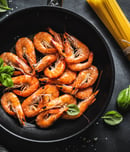
National Shrimp Day
Celebrate the taste of the sea! Indulge in delicious shrimp dishes, discover new recipes, and gather with friends and family.
- United States
National Garlic Day
If you think you have enough garlic, add more. These flavorful bulbs improve just about every dish you could think to put them in, so get cooking!
- Australia
- Canada
- United Kingdom
- and 1 more
National French Fried Shrimp Day
Crispy, golden-brown and delicious! These crunchy treats are the perfect appetizer for any seafood lover, especially if you love shrimp!
- United States
National Tartar Sauce Day
With hints of pickle and lemon, tartar sauce adds a refreshing flavor to any fish dish — perfect for seafood lovers.
- Australia
- Canada
- United Kingdom
- and 1 more
National days and holidays on May 24

Indianapolis 500
Discover the Indianapolis 500, where high-speed racing, rich traditions, and festival events create an iconic motorsport spectacle and cultural celebration.
- Australia
- Canada
- India
- and 2 more

Vivid Sydney
Vivid Sydney is a dazzling celebration that transforms the city into a vibrant playground of lights, music, and creativity. For weeks, iconic landmarks and urban spaces glow with stunning light installations and 3D projections, captivating both locals and tourists. This festival draws millions of visitors each year, offering an enchanting...
- Australia

International Women’s Day for Peace and Disarmament
International Women’s Day for Peace and Disarmament honors women leading peacebuilding and disarmament, inspiring communities to reduce conflict and violence.
- Canada

Brother’s Day
Celebrate Brother’s Day by honoring brothers and brotherly bonds with memories, gifts, and time together, reflecting on the role they play in family life.
- Australia
- Canada
- France
- and 4 more
Seize Every Day
Join free for personalised recommendations, email reminders and exclusive guides. Never miss a day.