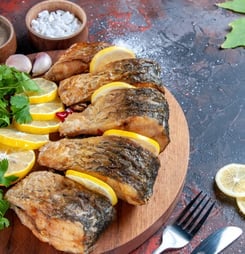

Steam rises as a parchment packet is peeled open, revealing tender fish, bright herbs, and warm citrus slices. It feels a little like opening a present that just happens to smell incredible. That sense of small-scale kitchen magic is exactly why parchment paper has earned a day of its own.
Parchment paper does more than keep pans tidy. It creates a gentle barrier between food and heat, helping ingredients cook evenly without clinging, tearing, or turning into a stuck-on mess. It also supports methods that make everyday meals taste deliberate, not rushed, like baking crisp-edged cookies that lift cleanly from the tray or roasting vegetables that caramelize without welding themselves to metal.
In packet cooking, parchment acts like a tiny steam chamber. Moisture stays where it belongs, flavors mingle, and delicate foods like fish or sliced vegetables come out tender without needing heavy oils or thick sauces. That can mean lighter meals that still taste rich, mostly because the aromatics do the heavy lifting.
National Parchment Day celebrates this humble sheet and the smarter, cleaner cooking it encourages. It also nudges cooks to think about kitchen waste: parchment is paper-based, and many types can be composted in some systems, depending on local guidelines and the specific product. However, it is handled after use, parchment often replaces more troublesome options for quick cooking tasks, and it does it with style.
How to Celebrate National Parchment Day
National Parchment Day offers a wonderful opportunity to explore the versatility of parchment paper in the kitchen. It is as useful to a dedicated baker as it is to someone who just wants a weeknight dinner with fewer dishes. The ideas below keep the celebration practical, playful, and delicious.
Host a Parchment Cooking Party
Gather friends or family for a cooking session built around one simple rule: each dish must involve parchment paper in a meaningful way. That could mean baking, roasting, steaming, or wrapping. Parchment naturally levels the playing field because it reduces sticking and helps with cleanup, so the focus stays on flavor rather than wrestling food off a pan.
A good format is to assign “parchment missions” so everyone tries a different technique:
- En papillote packets: fish, shrimp, chicken cutlets, tofu, or mixed vegetables with herbs and thin-sliced citrus.
- Sheet-pan roasting: assorted vegetables or potato wedges on parchment for easy browning and quick cleanup.
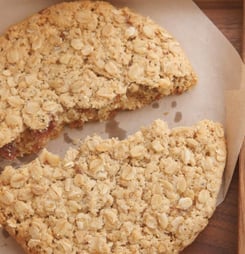
- Baking station: cookies, scones, granola, or roasted nuts lined on parchment for predictable release.
- Candy or chocolate corner: cooled bark, dipped fruit, or caramel shards set on parchment so nothing glues itself to the counter.
To make it feel like an event, each person can bring a small jar of an aromatic ingredient to share, such as capers, fresh dill, miso, chili crisp, preserved lemon, or a favorite spice blend. Parchment packet cooking rewards these small touches because the trapped steam carries aroma straight into the food.
Safety and success are part of the fun, too. Parchment should be kept away from direct flames, and it is smart to check the package for temperature guidance if cooking at very high heat. A party works best when the oven temperature stays in a comfortable baking and roasting range, and the parchment is trimmed so it does not overhang and flutter onto heating elements.
Experiment with New Recipes
National Parchment Day is a perfect excuse to try one new parchment-centered technique rather than simply lining a tray the usual way. Parchment’s real charm is how many jobs it can do without acting fussy.
Some practical experiments that tend to deliver noticeable results:
- Crispier roasted vegetables with less oil: Parchment reduces sticking, so vegetables can be tossed with a lighter coating of oil while still browning nicely. Spacing matters, too. A single layer with a bit of breathing room encourages caramelization rather than steaming.
- Neater baked goods: For cookies, parchment helps prevent over-browning on the bottoms and makes it easier to slide batches on and off hot pans. For bars, parchment “handles” can be created by leaving extra paper over the edges of the pan, making it easier to lift out and slice cleanly.
- Better fish without fear: Many cooks avoid fish because it sticks or falls apart during flipping. Parchment packet cooking removes that stress. The fish cooks gently in its own moisture with any added aromatics, and it arrives at the table intact.
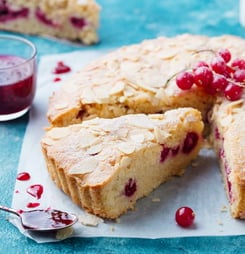
- A tidier cake release: Cutting a parchment circle for the bottom of a cake pan is a classic bakery trick. The cake still needs proper pan prep, but parchment often makes release more reliable, especially for tender crumb cakes.
Parchment also invites creativity in presentation. Packets can be folded into half-moons, rectangles, or simple triangles. The fold does not have to be restaurant-perfect to work, it only needs to be sealed enough to trap steam. Even a carefully folded “envelope” style packet can be effective for beginners.
Share Your Creations Online
Parchment cooking is photogenic by nature. The moment the packet opens and steam rises is dramatic, and the food inside usually looks vibrant because it has been gently cooked with minimal disturbance.
When sharing, it helps to show what makes parchment special rather than simply posting a finished plate. A simple three-photo sequence tells the whole story:
- Ingredients arranged on the parchment.
- The folded packet before baking.
- The opened packet with the finished food.
Including small details makes the post genuinely useful to other cooks: approximate cooking time, oven temperature, and what liquids were added, if any. In parchment packets, a tablespoon or two of broth, wine, citrus juice, or seasoned oil can change the final texture dramatically.
Too much liquid creates soup; too little may not generate enough steam for very lean ingredients. Sharing those “learned the fun way” lessons turns a pretty photo into a helpful tip.
Using #NationalParchmentDay can also connect the post to others who are celebrating with their own parchment experiments, from baking projects to packet meals.
Support Local Bakeries
Many bakeries rely on parchment paper as quietly as they rely on flour. It lines sheet pans for cookies and pastries, helps prevent burning, and keeps production moving smoothly. Supporting a bakery that uses solid technique is a tasty way to honor the role parchment plays behind the scenes.
A parchment-themed bakery visit can be more interactive than simply picking up a treat. Asking a friendly, low-pressure question can reveal useful kitchen wisdom, such as:
- Whether the bakery prefers pre-cut parchment sheets or rolls.
- How parchment is used for delicate items like macarons or meringues.
- Why some pastries bake better on parchment than directly on metal.
- How parchment helps with consistent browning across batches.
Choosing items that show off parchment’s strengths can make the experience feel intentional: crisp cookies with clean edges, sticky buns that release without tearing, or laminated pastries where controlled browning matters.
Educate Yourself on Parchment Benefits
Parchment paper has a reputation for being “just paper,” but culinary parchment is specifically made for cooking. Understanding what it is and how it differs from look-alikes helps cooks use it safely and get better results.
A few useful points to learn and remember:
- Parchment paper is not wax paper. Wax paper is great for cold tasks like wrapping sandwiches or rolling out candy, but it is not designed for high oven heat. Culinary parchment is intended for baking and roasting.
- Nonstick is a function, not a miracle. Parchment makes sticking less likely, but very sugary mixtures or melted cheese can still cling if they overcook. Watching cook time still matters.
- Packet cooking is controlled steaming. The parchment traps moisture. That means delicate proteins stay tender, and herbs and aromatics perfume the food. It also means that overcrowding the packet can create too much liquid and soften textures.
- Cleanup is not just about convenience. Lining pans with parchment can reduce scrubbing and limit the need for harsh cleaning products. It also protects baking sheets from burned-on residue that can affect future batches.
The environmental conversation is worth a thoughtful look as well. Parchment is paper-based, but not every composting or recycling program treats it the same way, particularly once it is greasy or cooked on. Some places accept food-soiled paper in compost; others do not. Reading the parchment box and checking local guidelines helps ensure good intentions actually translate into better waste habits.
National Parchment Day Timeline
Early Vegetable Parchment Experiments
Chemists discover that briefly immersing high‑grade paper in strong sulfuric acid hardens the surface and makes it grease‑resistant, creating a plant‑based “vegetable parchment” that mimics some qualities of animal parchment.
Industrial Production of Vegetable Parchment
Pulp and paper mills begin producing vegetable parchment on an industrial scale, using acid‑treated wood pulp sheets to supply strong, grease‑resistant wrapping for butter, fats, and other foods.
Vegetable Parchment Enters Food Packaging
Vegetable parchment becomes a standard specialty paper in the packaging industry, valued for its strength and resistance to oil and moisture in applications such as bakery wraps and liners.
Baking Paper Becomes a Kitchen Staple
As home ovens spread and baking grows more popular, manufacturers market vegetable parchment specifically as “baking paper,” promoting it as a convenient nonstick liner for cakes, cookies, and pastries.
Silicone‑Coated Parchment Paper
Producers refine baking parchment by adding thin silicone coatings, giving kitchen parchment its familiar nonstick, heat‑resistant surface and distinguishing it from wax paper and untreated specialty papers.
Focus on Compostable Culinary Parchment
With rising concern about kitchen waste, brands begin offering unbleached and third‑party‑certified compostable parchment papers, positioning them as more sustainable alternatives to aluminum foil and some plastics.
History of National Parchment Day
National Parchment Day was created in 2016 by PaperChef, a company known for culinary parchment products. The point was simple and surprisingly practical: shine a spotlight on a tool that many kitchens already had, but not everyone was using to its full potential.
The observance was set for the last Wednesday in June, giving it a consistent place on the calendar while keeping it tied to a season when light cooking and quick cleanup tend to sound especially appealing. It was also a smart time to encourage cooks to try parchment packet meals, which feel fresh and celebratory without requiring complicated equipment.
From the beginning, the message focused on what parchment paper makes easier. For home cooks, that often means:
- Less sticking and fewer pan disasters.
- More consistent browning for baked goods.
- Faster cleanup, especially for sticky glazes and roasted vegetables.
- A reliable way to cook delicate foods gently.
For professional kitchens, parchment’s appeal is efficiency and consistency. Lining pans speeds up production, helps with portioning, and protects equipment. In high-volume baking, that kind of small advantage adds up quickly.
National Parchment Day also helped popularize a technique that feels fancy but is quite approachable: cooking en papillote, or cooking food sealed inside parchment. The method has long been used in restaurant kitchens, partly because it locks in aroma and partly because the presentation is theatrical. The packet arrives closed, and opening it releases a burst of fragrant steam. It is dinner and a little performance, all in one.
The observance encourages experimentation beyond the classic fish packet. Vegetables, thin-sliced poultry, tofu, and even fruit can be cooked in parchment, as long as ingredients are chosen with steaming in mind. Tender items thrive; very dense ingredients may need pre-cooking or thinner cuts. This practical understanding, what works well and why, is part of what the day aims to spread.
Sustainability is another thread that runs through National Parchment Day. Compared with some single-use kitchen materials, parchment can be a more considerate choice, particularly when it replaces plastic wrap for certain prep tasks or reduces the need for disposable nonstick sprays.
At the same time, the most responsible end-of-life choice for used parchment depends on the product and local disposal rules. That nuance is important: the day encourages better habits, but smart habits still require reading labels and understanding local composting and recycling practices.
Since its launch, National Parchment Day has continued to appear in food and “national day” calendars, gaining attention among people who like cooking challenges, new techniques, and small upgrades that make the kitchen run more smoothly. It celebrates a kitchen staple that rarely gets applause, even though it quietly prevents countless stuck-on cookie catastrophes around the world.