When the word “waffles” comes up, many people can almost hear the sizzle and smell the buttery steam, even without a waffle iron nearby. Add the cozy comfort of oats and the satisfying crunch of nuts, and the craving feels even more justified. National Oatmeal Nut Waffles Day is a warm invitation to enjoy a breakfast that feels indulgent while still offering a sense of balance and staying power.
National Oatmeal Nut Waffles Day Timeline
Flat Cakes Cooked Between Metal Plates
Precursors to waffles appear in ancient Greece, where cooks prepared simple batter cakes called “obelios” between hinged metal plates over a fire.
Birth of the Medieval Waffle
In medieval Europe, obelios evolved into wafers and early waffles, baked in patterned irons and sold as street food or served at religious festivals.
Early Written Waffle Recipes in Europe
Manuscripts such as “Le Ménagier de Paris” record some of the first recognizable waffle recipes, using flour, eggs, and wine or water in molded irons.
Oat Porridge Becomes a Northern Staple
In Scotland and parts of Ireland, oats thrive in cool, wet climates, and oatmeal porridge becomes a daily staple, especially for breakfast.
Industrial Oatmeal for American Breakfast Tables
Ferdinand Schumacher begins processing oats for human consumption in Akron, Ohio, helping turn oatmeal into a mainstream American breakfast food.
Quaker Brand Drives Packaged Oatmeal
The Quaker trademark is registered for a line of processed oats, and branded packaging and advertising help cement oatmeal as a convenient, healthful breakfast.
U.S. Patent for an American Waffle Iron
Cornelius Swartwout receives a U.S. patent for a stovetop waffle iron, encouraging home waffle making that later inspires American waffle breakfasts and variations.
History of National Oatmeal Nut Waffles Day
Waffles have a long and well-toasted past. Batter cooked between heated plates dates back centuries, evolving from simple street foods into the crisp-edged, fluffy-centered favorites people recognize today. The familiar grid pattern is not just decorative. Those small pockets are designed to hold syrup, fruit, or yogurt, turning simple toppings into a perfectly engineered bite.
As waffle irons became more common in home kitchens, waffles shifted from special-occasion fare to an everyday option. In the United States, the late 1800s saw patented waffle iron designs that helped standardize home cooking. This made waffles more accessible and helped them become a regular part of the breakfast rotation.
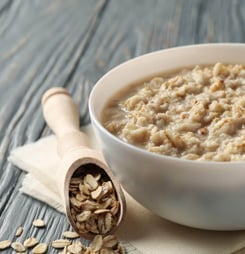
Oatmeal brings its own long tradition of comfort and practicality. Oats are hearty, mild in flavor, and easy to combine with spices, fruit, and other mix-ins. Warm oatmeal has long been valued as a filling way to start the day. Oats also contain soluble fiber, including beta-glucan, which is widely associated with supporting heart health when part of a balanced diet.
Bringing waffles and oatmeal together feels like a natural evolution. Oatmeal nut waffles borrow the cozy flavor profile of oatmeal cookies and transform it into something crisp and golden with a tender interior. The oats add texture and gentle toastiness, while nuts provide richness, crunch, and a subtle savory balance.
National Oatmeal Nut Waffles Day celebrates this combination. Rather than focusing on waffles in general, the day highlights a style that blends comfort food with more wholesome ingredients. Like many food-themed observances, its story reflects how recipes evolve as home cooks combine familiar favorites and create something new.
Of course, balance still matters. Oats and nuts offer fiber, protein, and satisfying fats, but waffles can easily become dessert depending on sugar levels and toppings. The appeal of oatmeal nut waffles is that they allow nourishing ingredients to take the lead, with sweetness added as a finishing touch instead of the main focus.
How to Celebrate National Oatmeal Nut Waffles Day
Celebrating National Oatmeal Nut Waffles Day is simple: make them, enjoy them, and take a moment to appreciate a breakfast that smells impressive without requiring complicated preparation. A waffle iron does most of the work, and the recipe is flexible enough to suit different tastes and kitchens.
A good starting point is a favorite waffle recipe with an oatmeal-and-nut upgrade. Stir rolled oats into the dry ingredients, add chopped nuts, and include a touch of cinnamon for warmth. For a smoother texture, oats can be ground into oat flour or blended briefly before mixing. The goal is a waffle with a lightly nutty aroma, a crisp exterior, and a hearty bite.
A few practical tips help ensure great results:
- Toast the nuts first. A quick toast in a dry pan or warm oven enhances their flavor. Let them cool before adding.
- Mix gently. Over-mixing leads to dense waffles. Stir just until combined.
- Let the batter rest. This gives the oats time to absorb moisture and improves texture.
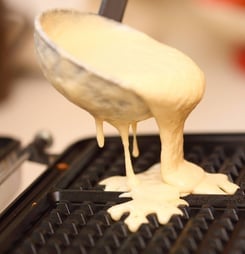
- Preheat the waffle iron well. A fully heated iron creates a crisp, golden exterior instead of steaming the batter.
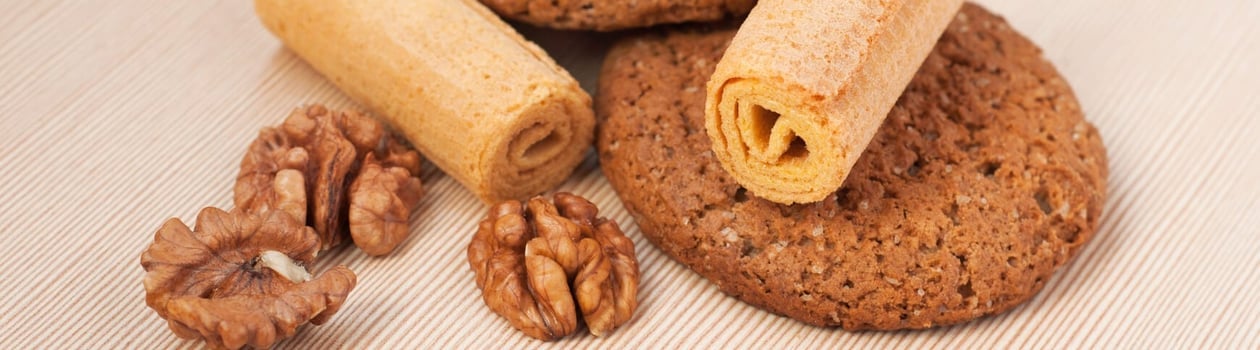
Different nuts create different flavor profiles. Walnuts give a classic oatmeal-cookie feel, pecans add buttery sweetness, and almonds provide a clean crunch. Hazelnuts bring richness, while pistachios add color and a slightly elevated touch. For those avoiding nuts, toasted seeds such as sunflower seeds or pepitas can provide a similar texture.
Warm flavors pair naturally with oatmeal nut waffles:
- Cinnamon for comfort
- Nutmeg is used lightly for depth
- Vanilla for a bakery-like aroma
- A pinch of salt to balance sweetness
Mix-ins offer room for creativity. Raisins and dried cranberries are traditional, but chopped dates, dried apricots, or shredded coconut can give the waffles a new personality. Chocolate chips turn them into a dessert-style treat, which fits perfectly on a day devoted to waffles.
Toppings can take the experience in different directions:
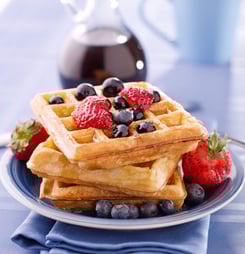
- Fresh fruit with yogurt for a balanced option
- Nut butter melted into the waffle pockets with banana slices
- Maple syrup or honey for classic sweetness
- Spiced fruit compote made from simmered apples or pears
- Cream cheese or sour cream for a tangy contrast
For a savory version, reduce the sugar in the batter and keep spices minimal. Plain yogurt, mild cheese, or lightly salted toppings can create a satisfying alternative.
The day is also a great opportunity to prepare waffles ahead of time. Homemade freezer waffles make busy mornings easier.
To freeze successfully:
- Cool waffles completely on a rack
- Freeze briefly in a single layer before transferring to airtight bags
- Label different flavors for convenience
For reheating, a toaster restores crispness best. An oven works well for larger batches, while a microwave is faster but produces a softer texture.
National Oatmeal Nut Waffles Day can also become a small kitchen event. Tasks are easy to share, making it suitable for families or groups. One person mixes ingredients, another prepares toppings, and someone manages the waffle iron.
To keep things organized:
- Set up a topping bar for customization
- Make mini waffles if possible
- Prepare two batters—one lightly sweet and one more neutral for savory options
Ultimately, National Oatmeal Nut Waffles Day celebrates the simple pleasure of comfort food with a hearty twist. The aroma of toasted oats, the crunch of nuts, and the sight of steam rising from a freshly opened waffle iron can turn an ordinary morning into something warm, satisfying, and just a little more golden.
National Oatmeal Nut Waffles Day Facts
National Oatmeal Nut Waffles Day celebrates more than a comforting breakfast favorite—it highlights a story of tradition, innovation, and nourishing ingredients.
From the medieval origins of the waffle iron to the long-standing role of oats as a hearty morning staple, these facts reveal how history, technology, and everyday kitchen creativity came together to create a breakfast that is both comforting and practical.
Ancient Roots of the Waffle Grid
Waffles trace their ancestry to medieval Europe, where batter was cooked between patterned metal plates that evolved from irons used to make thin communion wafers.
By the 14th century, in regions like present-day Belgium and the Netherlands, craftsmen were forging hinged irons with engraved scenes or grids, creating the characteristic honeycomb surface that holds butter and syrup so well today.
The First U.S. Waffle Iron Patent
The first U.S. patent for a waffle iron was granted on August 24, 1869, to Cornelius Swartwout of Troy, New York.
His design featured a cast-iron griddle with a handle and a swiveling hinge that sat on a wood or coal stove, making it easier and safer to flip waffles evenly over the heat and helping to popularize waffles in American home kitchens.
Electrifying Breakfast: The 1910s Waffle Iron
General Electric developed one of the earliest electric waffle iron prototypes in 1911, adapting a simple heating element concept originally demonstrated for an electric clothes iron.
By about 1918, GE began selling electric waffle irons for home use, helping shift waffles from occasional, fire-side treats to a more convenient everyday breakfast in middle-class American households.
Oats as a Traditional Scottish Breakfast Staple
For centuries, oats have been a cornerstone of the Scottish diet, especially at breakfast.
Historically, Scots boiled oats into thick porridge or baked them into oatcakes as a practical way to use a hardy grain that grew well in the cool, wet climate, providing sustained energy for laborers and becoming a cultural symbol of traditional Scottish fare.
How Oats Help Lower Cholesterol
Oats are rich in a soluble fiber called beta-glucan, which forms a gel-like substance in the gut that can bind to cholesterol-rich bile acids and help carry them out of the body.
Clinical research has shown that consuming about 3 grams per day of oat beta-glucan, achieved with roughly 1½ cups of cooked oatmeal, can reduce LDL (“bad”) cholesterol and support heart health when part of a balanced diet.
Heart-Healthy Fats in Nuts
Tree nuts such as walnuts, almonds, and pecans contain mostly unsaturated fats, along with fiber and plant sterols that can help improve blood lipid profiles.
Large cohort studies have found that people who eat a small handful of nuts several times a week tend to have lower rates of heart disease, which is one reason many dietary guidelines recommend nuts as part of a heart-healthy eating pattern.
The Science of Crisp, Fluffy Waffles
The beloved texture of a waffle comes from a balance of batter chemistry and hardware.
A relatively thick, leavened batter hits a very hot waffle iron, where rapid steam formation and expansion of gases from baking powder or yeast create internal air pockets, while contact with the hot metal promotes Maillard browning on the ridged surface, yielding a crisp exterior that contrasts with a tender, airy interior.