

Orthodox Good Friday is a deeply revered day among Orthodox Christians, observed to honor the crucifixion of Jesus Christ.
This solemn day falls on different dates each year, adhering to the Julian calendar, unlike many Western Christian churches that use the Gregorian calendar. In 2024, for example, it will be observed on May 3rd, marking a time of reflection and remembrance of Jesus’ sacrifice.
This day is characterized by various spiritual practices aimed at contemplating Jesus’ profound sacrifices. Many Orthodox Christians participate in church services where the Gospels are read and hymns are sung. These services recount the painful events of Jesus’ crucifixion and his final moments on the cross.
During the day, people fast, pray, and mourn. Rituals might include venerating a cross or participating in processions that symbolize Jesus’ journey to the crucifixion site.
The significance of Orthodox Good Friday lies in its focus on spiritual reflection and penance. The faithful meditate on their lives and seek forgiveness, much like the biblical accounts of the thieves crucified alongside Jesus, who sought mercy.
Through these observances, participants draw closer to Christ’s teachings and sacrifice, finding deeper spiritual renewal and connection.
History of Orthodox Good Friday
Orthodox Good Friday has a rich history that dates back to the early days of Christianity. Originally known as “Pascha of the Cross,” it marks the day Jesus Christ was crucified, an event central to Christian theology. This day was first observed around the year A.D. 33, the date traditionally believed to be that of Jesus’ crucifixion.
The significance of this day was formally recognized by the Church in the 4th century, specifically at the Council of Nicaea in 325 A.D., where the date for Easter—and by extension, Good Friday—was established according to the Julian calendar, which is still used by the Orthodox Church today.
This difference in calendars is why Orthodox Good Friday often occurs on a different date than Good Friday observed by Western Christian churches, which use the Gregorian calendar.
Over the centuries, Orthodox Christians have continued to observe Good Friday with solemnity and reverence.
The day includes fasting, prayer, and liturgical services that reflect on Jesus’ suffering and crucifixion. These traditions commemorate Jesus’ death and serve as a spiritual preparation for celebrating His resurrection on Easter Sunday.
How to Celebrate Orthodox Good Friday
Join a Candlelit Procession
Nothing says Good Friday quite like the solemn glow of candlelight. In many Orthodox traditions, believers join in processions, carrying candles through the streets or around their churches.
Why not light your candle and remember the historical and spiritual journey of this day? It’s a luminous way to reflect on the themes of sacrifice and redemption.
Decorate with a Personal Touch
Engage in the deeply symbolic act of decorating the Epitaphios, the representation of Christ’s tomb. You can bring spring flowers into your home, maybe even create your small shrine.
This act of decoration can serve as a meditative practice to honor the burial and remember the resurrection that is to come.
Savor the Silence
Orthodox Good Friday is a perfect time for silence and reflection. Try turning off your gadgets and sitting in quiet contemplation.
Reflect on the spiritual significance of the day, or perhaps read passages from the Gospels that recount the events of Christ’s Passion. This could be a peaceful way to connect more deeply with your faith and the solemnity of the occasion.
Engage in Fasting and Prayer
Fasting is a core part of Good Friday observance, symbolizing mourning and spiritual preparation for Easter.
Consider observing a strict fast as a form of spiritual discipline, and use the time you might spend preparing meals to pray or meditate. This can deepen the personal significance of the day and enhance your spiritual journey.
Perform Acts of Kindness
Good Friday is not only a day of mourning but also a time to spread love and kindness. Consider performing acts of charity, such as donating to a shelter or helping out those in need.
Such good deeds resonate deeply with the sacrificial love that Good Friday commemorates.



You may also like
Good Friday
Observed in remembrance of the crucifixion of Jesus, this significant event is usually marked by church services and solemn reflections.
- Australia
- Canada
- International
- and 2 more
Ascension Day
Ascension Day is a major Christian observance that remembers the belief that Jesus Christ, after the resurrection, ascended into heaven. It is traditionally marked on the fortieth day after Easter and is often observed on a Thursday. In many churches, it falls within the stretch of days between Easter and...
- Austria
- Belgium
- Denmark
- and 13 more
Orthodox Holy Saturday
Orthodox Holy Saturday is a deeply symbolic day that follows the sorrow of Good Friday. It represents a powerful moment of waiting and hope. This day honors Jesus' burial yet carries a unique, uplifting promise. Orthodox Christians reflect on Christ’s descent into Hades, where he brings hope to souls and...
- Albania
- Australia
- Bulgaria
- and 14 more
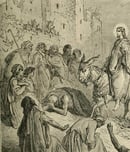
Palm Sunday in the Orthodox Church
Palm Sunday in the Orthodox Church bursts with color and meaning. It marks the moment Jesus rode into Jerusalem, welcomed by cheering crowds waving branches and laying them on the road. People greeted Him with joy, believing He brought hope and peace. This event stands as a highlight in the...
- Australia
- Bulgaria
- Cyprus
- and 11 more
National days and holidays on April 10

National Siblings Day
Show your siblings you appreciate them, even if you sometimes want to kill them, or volunteer to adopt-a-sibling and enrich some else’s life on Siblings Day.
- Australia
- Brazil
- Canada
- and 12 more

National Erase Self-Negativity Day
Some studies have shown that 80% of the thoughts running through an average person’s mind are negative – tipping the scale much too far away from the positive thoughts that most people desire! To live healthy and happy lives, people may need to do a bit of work to create thought...
- United States

Orthodox Holy Week
Orthodox Holy Week is a deep and meaningful journey leading up to Easter, which celebrates Christ's resurrection. This sacred week starts with Palm Sunday, marking Jesus’ arrival in Jerusalem, greeted as a king. Each day then carries unique themes and moments of reflection. Early in the week, the parable of...
- Belarus
- Bulgaria
- Cyprus
- and 7 more

National Hug Your Dog Day
Give that furry creature a special celebration by enjoying National Hug Your Dog Day with them.
- United States
Seize Every Day
Join free for personalised recommendations, email reminders and exclusive guides. Never miss a day.