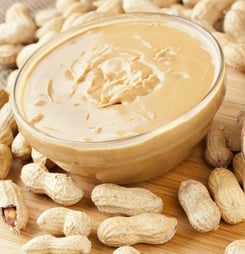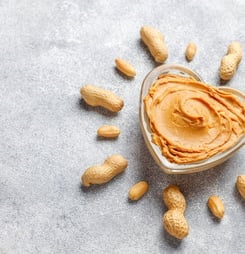

Most people are familiar with peanut butter for its presence on sandwiches, often accompanied by jelly…or bananas (as was the favorite of Elvis Presley).
But peanut butter is also an extremely useful ingredient in the kitchen, added to savory meals or sweet desserts. Today, the featured baked good is the rich and tasty peanut butter cookie!
Peanut butter cookies are yummy snacks that can be enjoyed any time, but especially on National Peanut Butter Cookie Day.
National Peanut Butter Cookie Day Timeline
Early Peanut Pastes in the Americas
Indigenous peoples of the Americas, including Aztec and Inca cultures, grind roasted peanuts into a paste, creating an early forerunner to modern peanut butter used in sauces and foods.
Peanut Paste Developed for Patients
A St. Louis physician develops and sells peanut paste as a protein-rich food for patients with poor teeth, helping introduce ground peanuts as a soft, nutritious product in the United States.
Kellogg’s Peanut Butter Innovation
Dr. John Harvey Kellogg patents a process for making peanut butter as a health food for patients at his Battle Creek Sanitarium, further popularizing nut pastes as a meat alternative.
One of the Earliest Peanut Cookies in Print
Mrs. Rorer’s New Cook Book includes a recipe for “peanut cookies,” considered one of the earliest American cookbook references to cookies using peanuts or peanut butter.
Carver’s Peanut Cookies in Government Bulletin
George Washington Carver publishes the Tuskegee Institute bulletin “How to Grow the Peanut and 105 Ways of Preparing it for Human Consumption,” featuring several recipes for peanut-based cookies and desserts.
First Printed Crisscross Peanut Butter Cookie
A recipe published in the Schenectady Gazette instructs bakers to press peanut butter cookie dough with a fork, creating the now-classic crisscross pattern that helps the dense dough bake evenly.
Pillsbury Popularizes Fork-Marked Cookies
Pillsbury’s Balanced Recipes cookbook includes directions to flatten peanut butter cookies with a fork, helping standardize the crisscross look and firmly establish peanut butter cookies in American home baking.
How to Celebrate National Peanut Butter Cookie Day
Take some time to enjoy and celebrate National Peanut Butter Cookie Day in a variety of creative ways, such as:
Bake Peanut Butter Cookies
Celebrate National Peanut Butter Cookie Day by baking your own cookies using a traditional recipe – make sure to put traditional criss-cross fork marks on top – then enjoy eating them with friends and family.
One peanut butter cookie recipe is so easy that all it requires is three ingredients and can be whipped up super fast. No chilling or rising or waiting at all. Just mix, roll, bake and eat!
Try out this super simple recipe:
- 1 cup of peanut butter
- 1 cup of sugar
- 1 egg
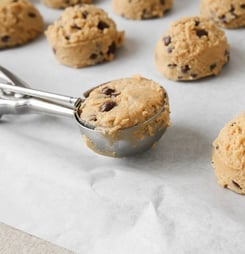
Stir the ingredients together, roll into balls, press with a fork, then bake in a 350-degree oven for about 12 minutes. Voila! Super easy and tasty peanut butter cookies.
Because this recipe is so easy, it’s a great one to try out with kids who are learning how to bake. And since it doesn’t contain flour, it’s a great option for people with gluten allergies. But don’t forget to preheat the oven because the cookie dough will be ready to go in no time!
Share Peanut Butter Cookies at Work
Keeping in mind that some people might have a peanut butter allergy (so be sure to ask around ahead of time) peanut butter cookie day would be a nice day to bring a treat of peanut butter cookies to share at work.
Make them at home or buy them in a bakery, then share them with coworkers and let them know that it’s National Peanut Butter Cookie Day!
Get Creative with Peanut Butter Cookies
For those who are more adventurous in the kitchen, consider going a bit more extreme with the peanut butter cookie recipes, with these types of ideas:
- Peanut Butter Roll-Out Cookies. Instead of making the standard round cookies, chill and roll the cookie dough, then stamp with cookie cutters into fun shapes. After baking, use frosting or icing to decorate.
- Flourless Peanut Butter Chocolate Chip Cookies. Using the recipe above, substitute ½ cup packed brown sugar for the white sugar, then add a heap of chocolate chips and a teaspoon of baking soda.
Fluffernutter Sandwich Cookies. Make peanut butter cookies as normal. After cooling, turn them into sandwiches by spreading marshmallow fluff frosting in the middle.
History of National Peanut Butter Cookie Day
Peanut butter goes back pretty far into history. It has been discovered that the ancient Aztecs and Incas made a paste by mashing roasted peanuts, and that seems to have been the first known instance of the use of peanut butter.
Of course, it took quite some time after the ancient Aztecs and Incas for peanut butter to turn into peanut butter cookies.
Peanut butter cookies have been popular since the early 1900s. In fact, in 1913 the wife of the 28th US President, Woodrow Wilson, published a list of her cookie recipes, which generously included a recipe for Peanut Cookies that, of course, used peanut butter.
Further along, in 1916, an industry bulletin was produced to promote the use of peanuts. It was called “How to Grow the Peanut and 105 Ways of Preparing it for Human Consumption” and, when it was released, it included 3 different recipes for cookies made with peanuts.
The trajectory was clear and peanut butter cookies became a standard household item not long after that.
Facts About National Peanut Butter Cookie Day
Crisscross Fork Marks Began as Practical Baking Advice
The iconic crisscross pattern on peanut butter cookies appears to trace back to a 1932 notice in the Schenectady Gazette, which advised home bakers to press the dense dough with a fork so it would flatten and bake evenly.
The technique caught on because peanut butter dough is thicker than many other cookie batters, and the fork marks helped ensure the centers cooked through rather than staying underdone.
Ancient Peanut Pastes Prefigured Modern Peanut Butter
Long before commercial peanut butter existed, Indigenous peoples in South America were grinding peanuts into a paste.
Archaeological and historical evidence suggests that the Inca and other pre-Columbian cultures in the Andes roasted peanuts and pounded them into a thick spread, using the legume both as food and in ceremonial contexts.
This practice provided the basic idea of a smooth, concentrated peanut paste that would later evolve into peanut butter.
How Peanut Butter Got Its Distinct Roasted Flavor
Peanut butter’s signature roasted, nutty taste is largely a result of the Maillard reaction, a complex series of chemical reactions between amino acids and sugars that occurs when peanuts are roasted at high heat.
This reaction generates hundreds of flavor compounds that deepen the aroma and color of the nuts, which then carry over into peanut butter and baked goods like cookies.
Why Natural Peanut Butter Can Ruin a Cookie’s Texture
Natural peanut butter, which typically contains just peanuts and salt, tends to separate as the oil rises to the top of the jar.
Food scientists and test kitchens note that if those oils are not thoroughly stirred back in, the fat content in cookie dough becomes uneven, leading to cookies that either spread too much and turn greasy or bake up dry and crumbly.
By contrast, stabilized peanut butters with emulsifiers keep fats evenly distributed and produce more consistent cookie textures.
Peanut Butter Acts as Both Fat and Structure in Cookies
In cookie dough, peanut butter does more than provide flavor. Its natural oils function like butter or shortening to tenderize the crumb, while its proteins help provide structure once the cookies set.
Because it behaves as both fat and a binder, bakers can formulate flourless peanut butter cookies that hold together without gluten, relying on peanut butter’s fat, protein and stickiness to create a cohesive dough.
George Washington Carver Popularized Peanuts, Not Peanut Butter
Although George Washington Carver is often mistakenly credited with inventing peanut butter, historians point out that his real contribution was showing Southern farmers dozens of new uses for peanuts and promoting them as an alternative to cotton.
Working with the USDA and at Tuskegee Institute, Carver published bulletins detailing peanut-based foods, paints and industrial products, which helped shift peanuts from a minor crop into a major American agricultural staple.
Peanut Butter Rose with Industrial Food Processing
Modern peanut butter owes its smooth, spreadable consistency to early 20th-century advances in industrial food processing.
After John Harvey Kellogg’s late 19th-century experiments with ground peanuts, commercial producers refined the product by roasting peanuts more deeply, grinding them more finely and adding stabilizers to prevent oil separation.
These innovations made peanut butter affordable, shelf-stable and uniform, which in turn encouraged home cooks to use it in baked goods such as cookies.