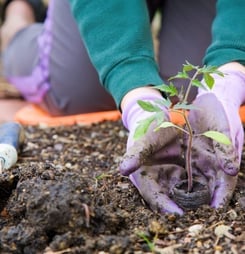
Plant Something Day invites everyone to dig in and add a touch of green to their surroundings. Whether it’s a flowerpot on a windowsill or a tree in the yard, each plant contributes to a healthier environment.
This day encourages individuals to connect with nature, fostering a sense of accomplishment and joy as they watch their plants grow.
Beyond personal satisfaction, planting has broader benefits. It improves air quality, supports local wildlife, and enhances community spaces. Engaging in planting activities can also reduce stress and promote well-being.
By participating, people not only beautify their surroundings but also contribute to a more sustainable and vibrant ecosystem.
Plant Something Day Timeline
First Arbor Day Spurs Organized Tree Planting
Nebraska celebrates the first Arbor Day on April 10, with residents planting more than one million trees, inspiring later public tree planting and civic beautification efforts across the United States.
“City Beautiful” Movement Promotes Urban Greening
The World’s Columbian Exposition in Chicago popularizes the City Beautiful movement, which links orderly streetscapes, parks, and plantings with public morality and civic pride, encouraging cities to add trees and gardens.
Postwar Suburbs Fuel Home Gardening Boom
Rapid suburbanization in the United States, characterized by single-family homes and yards, leads to a surge in residential lawns, flower beds, and backyard vegetable gardens as symbols of domestic prosperity.
“Silent Spring” Sparks Modern Environmental Awareness
Rachel Carson’s book “Silent Spring” exposes the ecological dangers of pesticides, helping launch the modern environmental movement and encouraging more ecologically conscious gardening and planting practices.
First Earth Day Elevates Grassroots Environmental Action
On April 22, the first Earth Day mobilizes millions of Americans in teach-ins and cleanups, encouraging ordinary people to plant trees, start gardens, and engage in local environmental stewardship.
Early Community Gardens Take Root in New York City
Residents and activists in New York’s Lower East Side transform vacant lots into community gardens, pioneering a model of neighborhood-based planting that spreads to other U.S. cities over the following decades.
NASA Study Highlights Air-Purifying Power of Plants
A NASA Clean Air Study reports that certain common houseplants can remove indoor air pollutants in sealed environments, helping popularize the idea that everyday planting can improve air quality and well-being.
How to Celebrate Plant Something Day
Plant Something Day is a wonderful opportunity to connect with nature and add some greenery to your surroundings.
Whether you have a spacious backyard or a small windowsill, there are many ways to participate and make a positive impact.
Start a Mini Garden
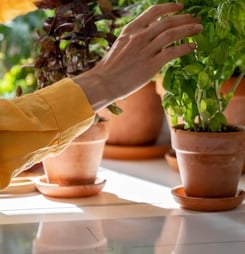
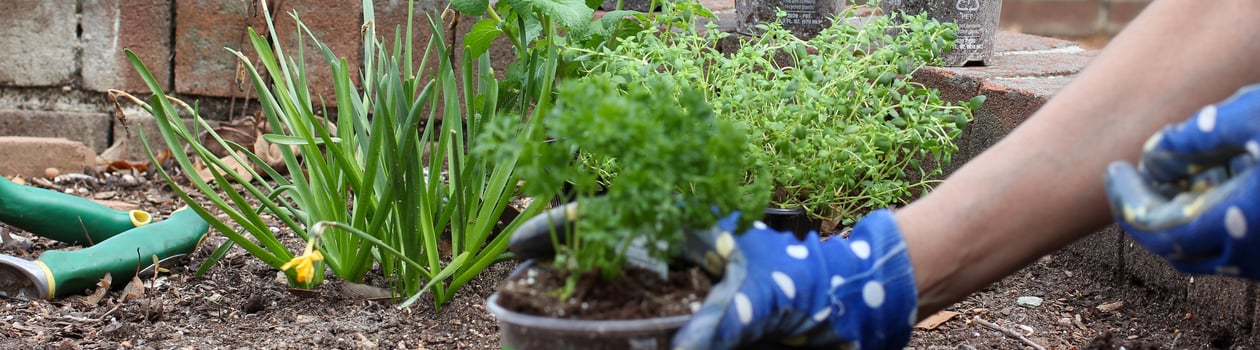
Transform a corner of your home into a green oasis. Use pots, containers, or even recycled items to plant herbs, flowers, or small vegetables.
This not only beautifies your space but also provides fresh ingredients for your meals.
Organize a Community Planting Event
Gather your neighbors and plan a community planting day. Choose a local park, school, or communal area that could use some greenery.
Working together strengthens community bonds and enhances shared spaces.
Educate and Inspire
Host a workshop or seminar on the benefits of planting and caring for plants. Share knowledge on topics like composting, sustainable gardening, and native plants.
Educating others can inspire more people to participate in green initiatives.
Create Plant-Based Crafts
Engage in creative activities by making crafts using plant materials. Press flowers to create art, design leaf prints, or build decorative planters.
These crafts can be both fun and educational, especially for children.
Support Local Nurseries
Visit local plant nurseries and purchase plants or gardening supplies. Supporting local businesses helps the economy and provides you with quality plants suited for your region. Ask for advice on the best plants for your area and how to care for them.
History of Plant Something Day
Plant Something Day began in 2012, started by the National Initiative for Consumer Horticulture (NICH). The group wanted to spark action and get more people planting.
They believed growing something green could help the environment and improve daily life. The first official celebration followed in 2013. Since then, the idea has grown steadily across the United States. More towns, schools, and families now participate each year.
This special day encourages anyone, regardless of age or gardening skill, to add some green to their space. A tiny herb in the kitchen, a flower on a balcony, or a tree in the park all make a difference.
You don’t need fancy tools or a big yard. Just small amount of effort can brighten your home and help the planet breathe easier.
Each plant plays a role in creating cleaner air and richer soil. Green spaces can also support bees, birds, and other creatures. As more people join this simple movement, it also builds a stronger connection between communities and nature.
What started as a quiet idea has become an annual tradition for many. It reminds us that growing something, even small, can shape a better, greener future. A single seed can bring change.
Facts About Plant Something Day
Ancient Civilizations Used Tree Belts as Early Climate Control
Evidence from ancient Mesopotamia and Egypt shows that people planted rows of trees and gardens around cities and along irrigation canals to cool hot, arid environments and reduce dust.
In Mesopotamian cities like Nippur, date palm groves and garden belts were carefully irrigated to create shade, moderate temperatures, and protect soils, functioning in ways similar to modern urban forestry programs that fight heat islands today.
Small Urban Gardens Quietly Boost Citywide Biodiversity
Research in the United Kingdom has found that private domestic gardens, even tiny backyards, can together make up a significant share of urban green space and support surprising levels of wildlife.
A 2004 study estimated that British domestic gardens cover about 433,000 hectares, and surveys in cities such as Sheffield have recorded hundreds of plant species and numerous invertebrates, birds, and small mammals using these fragmented spaces as stepping stones across the urban landscape.
Native Plants Can Dramatically Increase Backyard Wildlife
Ecologists have shown that replacing ornamental non‑native plants with native species in home landscapes can significantly increase local insect and bird diversity.
A long-term study in the suburbs of Washington, D.C. found that yards planted mostly with native plants supported more caterpillar biomass and higher breeding success for Carolina chickadees, while non‑native-dominated yards could not support sustainable bird populations, highlighting how plant choices at home scale up to broader ecosystem health.
Victory Gardens Turned Ordinary Yards into Food Powerhouses
During World War II, “victory gardens” in the United States and United Kingdom transformed lawns, schoolyards, and vacant lots into productive vegetable plots to relieve pressure on public food supplies.
By 1944, the U.S. Department of Agriculture estimated that nearly 20 million American victory gardens produced about 8 million tons of food, roughly 40 percent of the nation’s fresh vegetables grown for home use that year, showing the cumulative power of many small gardens.
Gardening Has Measurable Mental Health Benefits
Clinical and population studies have found that regular gardening reduces stress, anxiety, and depression and improves life satisfaction.
A 2017 systematic review of 22 studies reported that participation in gardening activities was consistently associated with reductions in mood disturbance and perceived stress, as well as improvements in BMI and quality of life, suggesting that tending plants is a simple, low-cost intervention with broad health benefits.
Plants Help Cities Manage Floodwater as Living Infrastructure
Urban planners increasingly use trees, rain gardens, and vegetated swales as “green infrastructure” to absorb stormwater that would otherwise overwhelm drains and cause flooding.
Field research in U.S. Cities have shown that bioswales and rain gardens can capture 70 to 90 percent of runoff from small to moderate storms, filtering pollutants and allowing water to soak into the ground instead of rushing into rivers, which helps protect both neighborhoods and downstream ecosystems.
Indoor Greenery Can Improve Mood and Cognitive Performance
Experiments in offices, classrooms, and hospitals have found that simply having plants in indoor environments can support psychological well-being and even certain aspects of cognitive function.
A 2014 study in the United Kingdom and the Netherlands reported that introducing plants into previously bare offices increased employee productivity by about 15 percent, while other research has linked indoor plants with reduced fatigue and improved concentration, likely through a combination of visual relief and subtle air-quality benefits.
Plant Something Day FAQs