
Poet in a Cupcake Day
Bake a cupcake that reflects your favorite poet. Pick the flavor, colors, and appearance, and add a poem on a popsicle stick to celebrate two of life’s great joys.
If you are a literature nerd, then you’d know a little bit about poets and their history. They can be moody, sarcastic, and quite truthful at times. If you love the art of poetry and are looking for a way to express that love, then check out Poet in a Cupcake Day!
Poet in a Cupcake Day is a day all about celebrating your favorite poets while making your favorite cupcakes. If you’re interested, then read more below about the history of Poet in a Cupcake Day and see how you can take part in this sweet day.
History of Poet in a Cupcake Day
Poet in a Cupcake Day is a fun capstone day for Take Your Poet to School Week, a week-long event that began through the efforts of Tweetspeak. Tweetspeak is a poetry party collective that regularly hosts poetry parties where people can come, write poetry and submit them on Twitter or to their blog website.
Tweetspeak originally started as a small group of friends on Twitter who loved writing poetry online and in 2009 officially launched Tweetspeak to keep up with their poetry archives and help others express themselves in the world of poetics.
Since then, in 2015 Tweetspeak was acquired by T. S. Poetry Press, a publishing company that publishes poetry and other forms of literature.
Tweetspeak offers various ideas for literature fans to run with, but their most famous idea is the Take Your Poet to School Week, where each day is themed with a certain activity to help you express your love for your favorite poets.
One of those holidays is the Poet in a Cupcake day, where people can make their favorite cupcake flavors in line with their favorite poets. It’s a day of cupcakes and poetry, so why not have a little fun and celebrate Poet in a Cupcake Day!
How to celebrate Poet in a Cupcake Day
It’s easy to celebrate with Tweetspeak’s poet cut-outs. You can print and cut out your poets, color, and put them on popsicle sticks and then insert into your favorite cupcake!
They suggest that you should read a little about your poet before deciding what kind of cupcake might be the best sweet pedestal. You can also read a poem by the poet in the spirit of this day.
If you’re not up for actual sweets, then you can watch for Tweetspeak’s printable cupcake collection, that can be cut and colored.
Also on ...
View all holidays
National Hug Your Dog Day
Give that furry creature a special celebration by enjoying National Hug Your Dog Day with them.


National Siblings Day
Show your siblings you appreciate them, even if you sometimes want to kill them, or volunteer to adopt-a-sibling and enrich some else’s life on Siblings Day.

Golfer’s Day
Hit the green and practice your swing. Never played golf, or have terrible weather? Find a mini-golf course, or even fire up a golfing video game at home.
We think you may also like...

National Plum Pudding Day
Savor a delightful holiday dessert, rich with tradition and warm memories, as it brings a taste of nostalgia to your table.
National Fruitcake Day
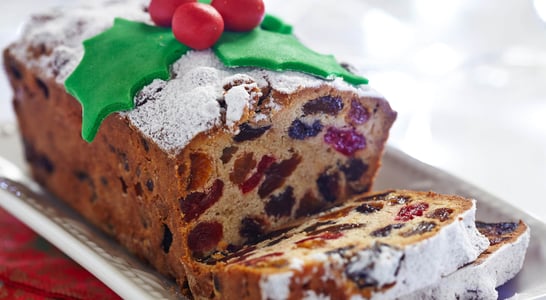
Indulge in variations of a classic cake from all over the world or compete to see who can fling this fruit-packed favorite the furthest.
National Kouign Amann Day
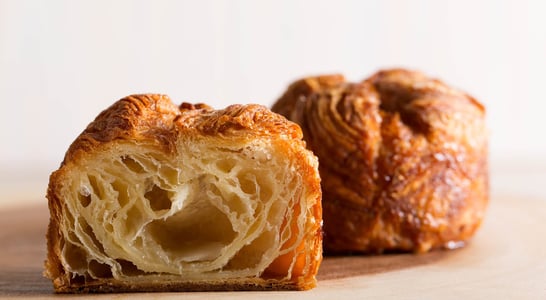
Kouign Amann is a pastry-like cake made with an insane amount of butter—and therefore is incredibly delicious. Visit a bakery or try making your own at home.
Sprinkle Day
Make your day just a little more festive and sweet by adding sprinkles to everything! Within reason, of course. Oatmeal, muffins, and of course dessert all benefit.