
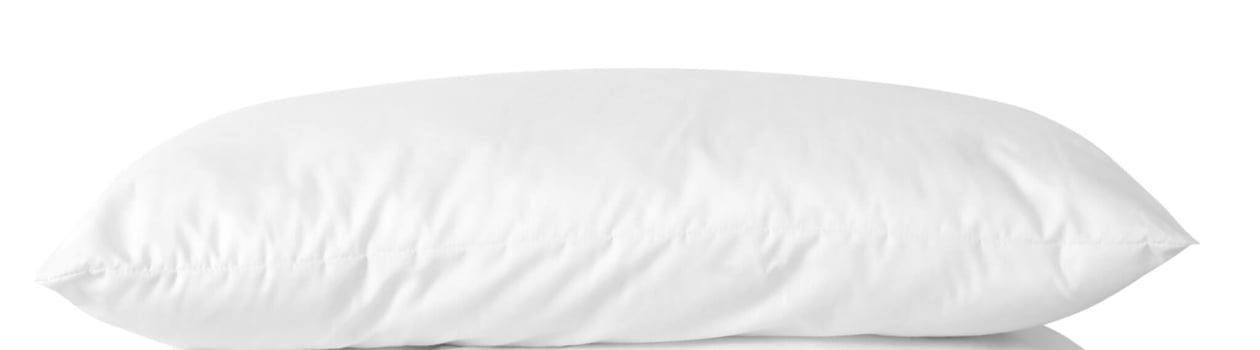
Your pillow brings you comfort every night but you’ve probably been frustrated at how this resource is often wastefully ignored throughout each day. However, during Put a Pillow on your Fridge Day you can make sure your pillow is working all day to bring you prosperity and good fortune.
How to Celebrate Put a Pillow on your Fridge Day
Put a Pillow On Your Fridge
Of course, you may decide to celebrate Put a Pillow on your Fridge Day quite literally; by putting a pillow in your fridge!
Needless to say, you are going to need a lot of space in your fridge to do this, but if you are someone who loves nothing more than flipping your pillow to the cold side, you will certainly be excited to use the pillow once it has spent a bit of time amongst your milk and yogurts! If you don’t want to try and cram a massive pillow into your fridge (we can’t say we blame you!), you can go for the traditional approach of finding a piece of linen from something in your bedroom and placing it in the fridge. This is way more practical after all!
Check Out Social Media
If you do a bit of digging online, one thing you will quickly learn is that social media has fallen in love with Put a Pillow on your Fridge Day. This is a day that has gained a lot of popularity over the past few years. It has quickly become one of the favorite days for people who like to use social media for the weird and the wonderful! It has almost become a competition to see who can come up with the best image of a pillow in a fridge.
Create Your Own Pillowcase
You can even have fun creating your own pillowcase for the date if you are a bit crafty and you want to make sure you have the best images for social media. There are pillowcases online that are dedicated to this date, saying things like “it is put a pillow on your fridge day” with images of cute fridges holding pillows!
This date really has been embraced by retailers and fans all over the world. You could make your own pillowcase from home or you could design a pillowcase and have it made and sent to you. There are a number of different companies that offer this sort of service, as the industry for personalized goods is massive at the moment, so you should have no trouble getting a unique pillowcase printed if you don’t want to embroider one yourself.
Learn About Put a Pillow on your Fridge Day
Before the invention of refrigerators in the 1920s, people in Europe and the USA would put a cloth in their larder for good luck once a year. Food storage habits have changed since then, putting the future of this fine tradition in doubt. However, this event has survived the scare and is back stronger than ever.
All you need to do is place a pillow on your fridge on the correct day. The observant among you may notice that the true equivalent of the old tradition would be to put a pillow inside your fridge. Perhaps try both to make sure you don’t miss out on any of that luck!
However, as you will soon discover, it is part of paying tribute to something that people used to do for luck in earlier times. There are a lot of different traditions all over the world when it comes to luck, and there are many symbols that are associated with it as well. This includes everything from the penny coin to the horseshoe.
However, this tradition doesn’t stem back to ancient times, and it is simply an ode to families who were hoping for more food for their household. So, while it may seem like a bit of a silly day to celebrate, when you really think about why families placed a piece of linen in their larders, it is touching, to say the least.
After all, food is something that a lot of us take for granted today. If you have ever worried about what you are going to put on the table for dinner, then you will certainly have a great appreciation for what Put a Pillow on your Fridge Day is about.
Put a Pillow on your Fridge Day Timeline
Larders enter the English language
The word “larder,” from Old French “lardier” and Latin “lardum” for pork or bacon, began appearing in Middle English to describe a cool room or cupboard for storing meat and other provisions in homes and estates.
Pantries and larders became standard in middle-class homes
With growing urbanization and larger middle‑class houses in Britain and America, dedicated larders and pantries were commonly built as cool storage spaces for meat, dairy, and dry goods, often placed on north walls or partly underground to keep food fresh.
William Cullen demonstrates artificial refrigeration
Scottish professor William Cullen gives a public demonstration in Glasgow showing that evaporating ether in a partial vacuum can produce a cooling effect, an early scientific experiment that lays the groundwork for later mechanical refrigeration.
Jacob Perkins patents a vapor‑compression refrigerator
In London, American inventor Jacob Perkins received a patent for a closed‑cycle vapor‑compression refrigeration machine, often cited as the first practical refrigerator design, even though it was not widely adopted in homes.
Early domestic refrigerators appeared
The first self-contained electric refrigerator for home use was introduced in the United States around 1913, and by 1918, Frigidaire began mass-producing electric refrigerators, starting the gradual replacement of household larders with mechanical cold storage.
General Electric’s “Monitor‑Top” brings fridges into middle‑class homes
General Electric releases its “Monitor‑Top” refrigerator, a relatively affordable and widely marketed electric fridge that becomes extremely popular, accelerating the shift from traditional food larders and pantries to modern kitchen refrigeration.
Folk practices of household luck continue in kitchens
Throughout the 20th century, European and American folk traditions maintained rituals that linked bedrooms and kitchens to prosperity, such as placing special cloths, charms, or coins near food storage or cooking areas to attract luck and ensure plentiful meals.
History of Put a Pillow on Your Fridge Day
This is a bit of a random day, and it reaches back to the early 1900s. This is when families would place a piece of linen or cloth within their larders. The piece of cloth would usually have been torn from something they had in their bedroom, be it a nightgown or a blanket, and then it would be placed in the larder. They did this because they believed that it would bring them prosperity and good fortune.
People believed that if they were to put a piece of cloth from their bedroom in the place where they stored their food, it would bring rich fertility and the possibility of plentiful food to their household.
What is a Larder?
You may be reading this and wondering what a larder is. Why don’t you have one? Well, the larder is an old-fashioned word, which appeared as early as the 14th century in the English language. It basically means a closet or a room whereby meat and other provisions would be stored. After all, not everyone has had the luxury of owning a fridge!
Larders are typically a big cupboard or a cold room that is used for food storage. They were very common back in the day, especially amongst the middle classes. Larder comes from the word Lardum, which is a Latin word for bacon, fat, or pork. Today, a closet full of meat doesn’t really sound very appealing does it?
However, it was used back in the days when lard was required for cooking food and greasing pans. The larder is where the bacon and the lard were kept. Today, the closest thing to this is a pantry.
Changing with the Times
Put a Pillow on your Fridge Day is something that is based on the original tradition of putting a piece of fabric into the larder, yet it has adapted over the years, as time and technology have both progressed. Today, larders are very uncommon.
If you walk into most homes around the world, you will find that an electrical refrigerator is used for food storage. The fridge marked the death of larders, but it certainly did not mark the end of this holiday. Instead, the tradition moved forward, and that is how we have ended up with this amazing, albeit unusual, Put a Pillow on Your Fridge Day.
From Folk Beliefs to Fridges: How Food Storage Traditions Evolved
Across Europe and beyond, the way people stored food was shaped by culture, necessity, and innovation.
From symbolic bedroom rituals linked to fertility and abundance, to the practical use of larders as early cooling systems, and finally the rapid rise of modern refrigerators, these traditions reveal how everyday habits evolved to support survival, comfort, and changing lifestyles.
Bedrooms, Bread, and Fertility in European Folk Belief
In many parts of Europe, especially rural areas, bedrooms and bedding were traditionally linked with both fertility and general household prosperity.
Folklorists have documented customs where newlyweds’ beds were sprinkled with grain, bread, or coins, and where pillows and mattresses were stuffed with symbolic plants such as hops or rosemary to encourage fertility and future abundance.
This overlap between sleeping spaces, reproduction, and the hope for a well‑provisioned home helped create a cultural logic in which items from the bedroom could be seen as carrying luck or “life force” into food stores.
The Larder as a Critical Cooling Technology
Before electric refrigerators became common, the larder was a key piece of domestic “technology” for keeping food safe.
In Britain and parts of northern Europe, larders were often built on the north side of the house, with thick walls, slate or stone shelves, and ventilation openings to keep temperatures several degrees cooler than the rest of the home.
This passive cooling could extend the life of meat, dairy, and leftover meals by days, a crucial margin in households that relied on weekly markets and had no mechanical refrigeration.
From Iceboxes to Fridges: How Quickly Habits Changed
In the United States, mechanical household refrigerators were rare luxuries in the 1910s but spread rapidly after World War I.
Census data and industry records show that by 1930, only about 8 percent of U.S. homes had an electric refrigerator, but by 1944 that figure had jumped to roughly 85 percent, effectively displacing iceboxes and most dedicated larders within a single generation.
Similar, though slightly slower, transitions followed in Western Europe, transforming how families stored food and gradually eroding older cupboard‑based rituals tied to food security.
Lucky Kitchen Rituals for a Full Cupboard
Across Europe and North America, households developed small rituals to attract food abundance, long before modern welfare states or supermarkets reduced the daily fear of an empty pantry.
Ethnographic records describe practices like leaving a bit of bread in the breadbox overnight “for luck,” crossing loaves before baking, or never letting the salt container sit empty, all inspired by the belief that treating food storage spaces respectfully and symbolically “feeding” them would help keep them from running bare. Such customs reveal how precarious food security once felt for ordinary families.
Pillows and Ill Fortune: Never Put One on the Floor
Folk belief does not just attach pillows to comfort but also to luck and status. In parts of Eastern Europe and the Mediterranean, traditional etiquette codes warned that placing a pillow on the floor or sitting on it invited misfortune or poverty, because it “lowered” a household item associated with rest, dignity, and sometimes sacred guests.
Similar ideas appear in Middle Eastern and South Asian customs where cushions used by elders or honored visitors must be kept elevated, reinforcing the notion that the handling and placement of bedding carries symbolic weight beyond its practical use.
The Word “Larder” and Its Meaty Origins
The English word “larder” comes from the Old French “lardier,” derived from “lard,” meaning bacon or pork fat, and ultimately from the Latin “lardum.”
In medieval and early modern great houses, the larder was specifically the room where salted meats and animal fats were stored, distinct from the “pantry,” which dealt with bread, and the “buttery,” which managed ale and wine.
Over time, as domestic architecture simplified, “larder” broadened in everyday English to mean a cool cupboard or small room for general food storage, but its origin reflects how central preserved meat and fat once were to survival.
Refrigeration and the Decline of Seasonal Scarcity
The spread of home refrigeration did more than allow leftovers to last longer; it helped smooth out seasonal peaks and troughs in food availability.
By safely storing perishable foods, families could buy meat, dairy, and produce less frequently and rely less on salting, smoking, and heavy sugaring for preservation.
Historians of technology link this change to reduced rates of foodborne illness and to a shift in diet toward more year‑round fresh foods in industrialized countries, which in turn altered everyday anxieties about whether there would be enough safe food in the house.
Put a Pillow on your Fridge Day FAQs


You may also like

World Refrigeration Day
Don’t take for granted the importance of refrigeration in modern life. Consider what life without it would be, and have some gratitude for the innovators who made it possible.
- United Kingdom
- United States

International Pillow Fight Day
Let loose and connect with others by joining or organizing a pillow fight. Join your family, roommates, or even your whole community to let the feathers fly.
- Canada
- International
- United Kingdom
- and 1 more

Self Storage Week
It’s time to unlock the hidden potential of your space - and your imagination! Self Storage Week celebrates the surprising, empowering, and incredibly useful world of self storage - one box, one shelf, and one cleared-out garage at a time. Whether you’re decluttering your life, launching a side hustle, or...
- International
- United States

Poem on Your Pillow Day
Print or write out a poem to leave on the pillow of a loved one or guest. Maybe a funny poem for a child, or a love poem to make your special someone smile.
- Canada
- United Kingdom
- United States
National days and holidays on May 29

Vivid Sydney
Vivid Sydney is a dazzling celebration that transforms the city into a vibrant playground of lights, music, and creativity. For weeks, iconic landmarks and urban spaces glow with stunning light installations and 3D projections, captivating both locals and tourists. This festival draws millions of visitors each year, offering an enchanting...
- Australia

National Alligator Day
Celebrate National Alligator Day by learning gator safety, fun facts, and their vital role in wetland ecosystems, plus ideas for parks, films, and more.
- United States

End of the Middle Ages Day
Explore End of the Middle Ages Day, honoring Constantinople’s fall and the transition from medieval Europe to the Renaissance through history, culture, and reflection.
- International

Oak Apple Day
Discover Oak Apple Day, honoring King Charles II’s daring escape, the oak leaf tradition, and enduring English heritage through community celebration.
- United Kingdom
Seize Every Day
Join free for personalised recommendations, email reminders and exclusive guides. Never miss a day.