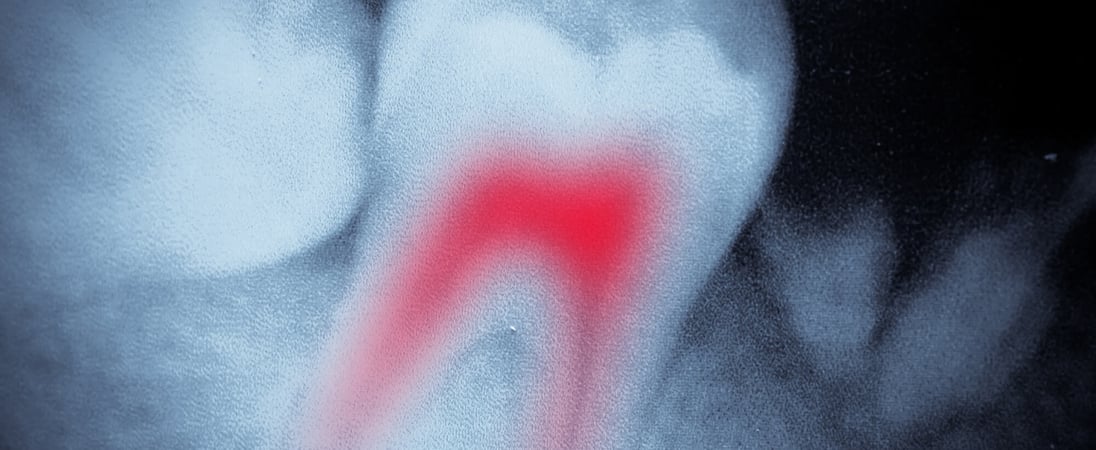
Root canals are among the most common and misunderstood dental procedures. In the simplest terms, a root canal is a way to save a tooth that has become inflamed or infected on the inside, where the nerve tissue and blood supply live.
Instead of removing the tooth entirely, a dentist (often a specialist called an endodontist) cleans out the problem tissue, disinfects the space, and seals the tooth so it can keep doing its job: chewing, smiling, and holding its place in the bite.
National Root Canal Appreciation Day shines a friendly spotlight on a treatment that has rescued countless teeth and relieved plenty of late-night throbbing.
It also offers an excuse to appreciate the dental professionals who do careful, detail-oriented work in a place most people would rather not think about: deep inside a tooth.
How to Celebrate National Root Canal Appreciation Day
A little appreciation can make a big difference, especially for professionals who spend their days helping others feel at ease while working with delicate tools in a very small space. Celebrating National Root Canal Appreciation Day can be as simple as recognizing the effort dentists and endodontists put in, even when patients arrive anxious, uncomfortable, or in pain.
A few simple, universally appreciated ideas:
- Write a short thank-you note. A handwritten card or a thoughtful message is often kept and shared within the office. Mention something specific, such as how clearly a procedure was explained or how they helped someone feel calm.
- Leave positive feedback. Many dental clinics depend on word of mouth. Sharing a kind and honest review about professionalism, cleanliness, communication, and comfort helps others feel confident when choosing care.
- Thank the entire team. Dental assistants, hygienists, and reception staff all play a role in creating a smooth experience. Root canal treatment is usually a team effort, from imaging to scheduling to explaining aftercare.
- Be a responsible patient. Arriving on time, following instructions before appointments, and being open about symptoms and medical history is a meaningful way to show appreciation. It supports safer and more efficient treatment.
For anyone who has experienced a root canal that transformed intense tooth pain into relief, the “thank you” almost comes naturally.
Learn More About Root Canals
Root canals often carry a negative reputation, mainly because the term itself is frequently used jokingly. In reality, modern dentistry has significantly improved the experience. Understanding the purpose of the procedure and why it is recommended removes much of the uncertainty.
What problem does a root canal solve?
Inside each tooth is a chamber containing soft tissue known as the pulp, made up of nerves, blood vessels, and connective tissue. This pulp can become irritated or infected due to:
- Deep decay reaching the inner part of the tooth
- A crack or chip that allows bacteria to enter
- A failing filling or older dental work breaking down
- Repeated procedures on the same tooth
- Injury to the tooth, even without visible damage
Once bacteria reach the pulp, the body struggles to eliminate the infection because blood flow inside the tooth is limited. This is why the issue often continues or worsens without treatment.
What actually happens during a root canal?
Although each case varies, the general process includes:
- Numbing and comfort. Local anesthesia is used to ensure the tooth and surrounding area feel comfortable. Many clinics also offer options to help reduce anxiety.
- Accessing the tooth. A small opening is created to reach the pulp chamber and root canals.
- Cleaning and shaping. Specialized tools remove the infected or inflamed tissue. The space is then shaped for proper cleaning and sealing.
- Disinfecting. The canals are thoroughly cleaned to eliminate bacteria and debris.
- Filling and sealing. The cleaned canals are filled with a rubber-like material and sealed to prevent future infection.
- Restoring the tooth. In many cases, a crown is placed afterward. This is not because the root canal weakens the tooth, but because the tooth was already compromised. A crown helps protect it and restores normal function.
Common misconceptions that deserve to be retired
- “Root canals are extremely painful.” The discomfort people associate with root canals is usually caused by the infection itself. The procedure is meant to remove that pain. With modern techniques, many patients compare it to getting a standard filling.
- “It is better to remove the tooth.” While extraction is sometimes necessary, preserving a natural tooth has clear benefits. It maintains chewing ability, supports nearby teeth, and keeps the bite aligned. Replacing a missing tooth often requires additional treatments like implants or bridges.
- “A root canal kills the tooth.” The pulp is removed, but the tooth remains functional. It continues to be supported by surrounding structures and works effectively when properly restored.
- “If the pain goes away, the problem is gone.” Pain can disappear even if the infection remains. In some cases, serious infections cause little or no discomfort, which is why proper evaluation and imaging are important.
Signs a tooth may need evaluation
Only a dentist can confirm the need for a root canal, but common warning signs include:
- Ongoing tooth pain or pressure, especially when chewing
- Sensitivity to hot or cold that does not go away
- Swelling around the gums near a tooth
- A small bump on the gum that may indicate infection drainage
- Darkening of a tooth after injury
- Pain that spreads to the jaw or ear or disrupts sleep
Understanding these basics helps shift the perception of root canals from something intimidating to a practical and tooth-saving solution.
Practice Good Dental Hygiene
One of the best ways to show appreciation for dentists is by preventing problems before they start. Good oral care is not only about avoiding cavities, but also about stopping the progression from minor decay to serious infection.
Helpful, realistic habits include:
- Brush twice a day with fluoride toothpaste. Brushing should be gentle but thorough, especially along the gumline where plaque tends to build up.
- Clean between teeth daily. Floss, interdental brushes, or water flossers are all effective. The goal is to remove plaque in areas a toothbrush cannot reach.
- Be mindful of frequent eating and drinking. Regular exposure to sugary or acidic foods and drinks gives bacteria a constant energy source. Even small, frequent sips can harm teeth over time.
- Use a mouthguard if needed. Grinding or playing contact sports can damage teeth. A simple guard can prevent cracks and injuries that may lead to root canals.
- Attend regular dental checkups. Routine visits help detect problems early, before they reach the nerve. Early treatment is usually quicker, easier, and more affordable.
It is also important to remember that dental care is not about being perfect. It is about staying consistent. Just a few minutes each day can help prevent serious issues that might otherwise lead to a root canal.
National Root Canal Appreciation Day Timeline
Early Pulp Treatment Described
French dentist Pierre Fauchard later credited Pierre Dionis with describing early methods to relieve dental pulp pain, a precursor to root canal therapy.
First Modern Root Canal Instruments
American dentist Edwin Maynard adapted a watch spring to create one of the first root canal files, allowing mechanical cleaning of the canal space.
X‑rays Introduced to Dentistry
After Wilhelm Röntgen discovered X‑rays, dentists began using radiographs to visualize tooth roots and canals, transforming diagnosis and root canal planning.
Endodontics Recognized as a Specialty
The American Dental Association formally recognized endodontics as a dental specialty, establishing root canal therapy as a distinct field within dentistry.
American Association of Endodontists Founded
The American Association of Endodontists was established to advance research, education, and clinical standards for root canal treatment and pulp therapy.
Dental Operating Microscope Developed
Clinical use of the dental operating microscope began, giving endodontists enhanced vision for locating canals and improving root canal precision.
Nickel‑Titanium Rotary Files Introduced
NiTi rotary instruments were introduced for root canal shaping, offering greater flexibility and efficiency and reducing procedural errors in curved canals.
History of National Root Canal Appreciation Day
National Root Canal Appreciation Day began under the most unusual of circumstances. It was created in 2005 by dentist Dr. Chris Kammer, who has been widely described as a “rock-and-roll dentist” thanks to his energetic approach to promoting oral health.
Rather than limiting education to the exam room, he brought dental messages into public spaces with music and performance, aiming to make brushing, flossing, and dental awareness feel more approachable.
One of the most memorable moments connected to his outreach came from a performance of his original rap song, “Get Out the Brush,” at a collegiate league ballpark associated with the Madison Mallards.
The performance encouraged thousands of fans to brush their teeth at the same time, creating a highly visible, slightly goofy, and undeniably memorable demonstration of dental enthusiasm. Reports describe 5,991 baseball fans brushing simultaneously, turning a basic hygiene habit into a group spectacle that people could talk about long after the last note.
Dr. Kammer’s blend of dentistry and entertainment extended beyond that event. Appearances on widely watched platforms helped him reach audiences who might not usually tune in for a lecture about plaque and pulp.
In this sense, National Root Canal Appreciation Day fits into a broader tradition of health awareness efforts that use creativity to lower the barrier to learning. When a topic is intimidating, humor and performance can create a more welcoming first step.
The tooth at the center of this day’s theme, however, is not the toothbrush. It is the root canal, a procedure that often suffers from dramatic storytelling.
Root canal therapy is typically recommended when the inner tissue of a tooth has been damaged by bacteria or trauma, creating inflammation or infection that cannot be resolved with a simple filling. Without treatment, that infection can spread into the surrounding bone, cause swelling, and lead to more serious complications.
Dentistry generally treats oral infections as more than “just tooth problems” because the mouth is connected to the rest of the body through blood supply and shared anatomy. The goal is not only comfort, but also overall health and function.
Root canal therapy has also evolved over time. Improvements in imaging, anesthesia, rotary instruments, and disinfection techniques have helped make treatment more precise and predictable. Many offices now use digital imaging to evaluate root structure and detect hidden issues. Specialized instruments allow clinicians to clean narrow, curved canals more effectively. These advances matter because root canal anatomy is famously complex: some teeth have extra canals, branching spaces, or unusual curves that require careful navigation. A well-done root canal is not simply “cleaning a hole.” It is meticulous work in a maze-like space measured in millimeters.
National Root Canal Appreciation Day recognizes that precision, and it recognizes the people behind it. General dentists often perform root canals, and endodontists focus on them as a specialty, especially for complicated cases. Both rely on steady hands, strong diagnostic skills, and the ability to make patients feel safe when they would rather be anywhere else.
In practice, the day tends to encourage two things: **better understanding** and **better habits**. People use it as a prompt to learn what a root canal actually is, why a dentist might recommend it, and what recovery typically looks like.
It also nudges people toward preventive care such as consistent brushing, flossing, and routine dental visits. Some people choose to show appreciation directly through cards, small tokens, or simply being more vocal about positive experiences with dental care.
Above all, National Root Canal Appreciation Day reframes a procedure with a tough reputation. Instead of treating it like a dreaded milestone, the day presents it as a useful tool in modern dentistry, one that has helped countless people keep their natural teeth, return to comfortable eating, and avoid the domino effect that can follow untreated infection.
Surprising Facts About Root Canal Treatment
Root canal treatments are often misunderstood, but the reality is far more complex and fascinating.
From hidden canal systems inside teeth to their long history and high success rates, these procedures reveal just how advanced modern dentistry has become.
Hidden Canal Systems Make Root Canals Technically Demanding
Human teeth often contain complex, branching canal systems that cannot be seen on standard X‑rays, which is one reason root canal treatment is considered one of the most technically challenging procedures in dentistry.
Studies using micro–computed tomography have shown that more than half of molars have additional canals or intricate lateral branches that must be thoroughly cleaned and filled to prevent persistent infection, prompting widespread adoption of operating microscopes and cone‑beam CT in endodontic practice.
From Ancient “Worm” Theories to Scientific Endodontics
For centuries, tooth pain was blamed on “tooth worms,” and treatments ranged from herbal poultices to cauterization or extraction.
Scientific endodontics only began to emerge in the 19th century, when researchers like Edwin Truman and Louis Pasteur linked dental infection to microorganisms, and dentists started experimenting with antiseptic methods and filling materials inside roots, laying the groundwork for modern root canal therapy that saves rather than removes diseased teeth.
Root Canal Treatment Has High Long‑Term Success Rates
Contrary to popular belief that root canals often “fail,” long‑term clinical studies have found that properly performed root canal treatment has survival rates comparable to or better than many other dental procedures.
A large review in the Journal of Endodontics reported success rates typically between 86 and 98 percent for teeth treated and restored correctly, with failures more often linked to complex anatomy or inadequate final restorations than to the root canal procedure itself.
Local Anesthetics Have Transformed the Experience of Root Canals
The dread surrounding root canals is largely based on experiences from the era before modern local anesthetics became standard.
Today, agents such as lidocaine and articaine, often combined with techniques like intraosseous anesthesia and use of topical numbing gels, allow dentists to block nerve signals so effectively that many patients report root canal therapy feels similar in comfort to getting a routine filling, a change documented in patient‑reported outcome studies.
Untreated Dental Infections Can Become Life‑Threatening
An abscessed tooth is not just a localized problem; if the infection spreads beyond the tooth and supporting bone, it can enter facial spaces or the bloodstream and in rare cases lead to deep neck infections, brain abscesses, or sepsis.
Case reports and public health data describe hospitalizations and occasional deaths linked to untreated dental infections, which is why procedures such as root canal therapy or extraction are considered medically important, not merely cosmetic.
Oral Health and Heart Disease Are Biologically Linked
Chronic oral infections, including those originating from diseased teeth, are associated with an increased risk of cardiovascular problems.
Research summarized by the American Heart Association shows that bacteria from the mouth can enter the bloodstream, contribute to inflammation, and have been found in atherosclerotic plaques, suggesting a plausible mechanism by which controlling dental infections through treatments like root canals may support overall cardiovascular health.
Saving Teeth Helps Preserve Chewing Function and Jawbone
Keeping a natural tooth with a successful root canal does more than avoid a gap in the smile; it helps maintain normal chewing forces and stimulation of the jawbone.
When teeth are lost and not replaced, the bone that once supported them gradually resorbs, which can change facial appearance and make eating more difficult, leading professional organizations such as the American Association of Endodontists to emphasize tooth‑saving therapies over extraction whenever feasible.