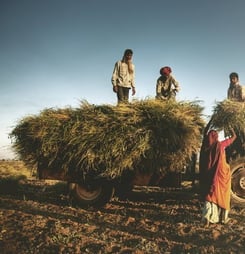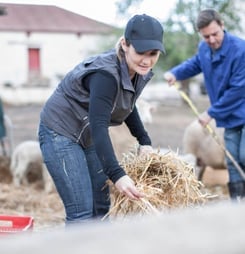

Rural Life Sunday is a special day that honors the contributions of rural communities and their deep connection to the land.
It highlights the importance of agriculture and the people who dedicate their lives to farming.
This day brings attention to the beauty and significance of rural life, encouraging communities to come together in appreciation of the hard work and traditions that sustain them.
It’s a time for both reflection and celebration, recognizing the vital role rural areas play in our world!
Rural Life Sunday Timeline
Morrill Land-Grant Act Transforms Rural Education
The Morrill Act creates land-grant colleges across the United States, expanding practical education in agriculture and the mechanical arts and strengthening the role of rural communities in national life.
U.S. Country Life Commission Studies Rural Conditions
President Theodore Roosevelt’s Country Life Commission investigates rural problems, emphasizing the social, economic, and spiritual well-being of farm families and calling for better schools, churches, and community organizations.
Smith-Lever Act and Cooperative Extension Service
The Smith-Lever Act establishes the Cooperative Extension System, linking land-grant universities with rural communities to share research-based knowledge on farming, home life, and community development.
Rural Electrification Brings Power to the Countryside
Creation of the Rural Electrification Administration helps extend electric service to isolated farms and small towns, dramatically changing daily life, work, and social connections in rural America.
Formation of the American Rural Sociological Society
Rural sociologists consolidate their work in the Rural Sociological Society, advancing research on rural communities, agricultural change, and the social dimensions of life in the countryside.
Community Supported Agriculture Takes Root in the U.S.
One of the first U.S. community supported agriculture farms begins in Massachusetts, pioneering a model that directly links consumers with local farmers and reinforces the economic and social fabric of rural areas.
Local Food and Farm-to-Table Movement Expands
The U.S. Department of Agriculture reports rapid growth in farmers markets and direct-to-consumer sales, reflecting renewed interest in rural producers, local foods, and closer relationships between farms and nearby communities.
How to Celebrate Rural Life Sunday
Host a Farm-to-Table Feast
Kick off the day with a farm-fresh feast! Gather everyone for a delightful meal featuring local produce. Imagine the joy of eating crisp vegetables, fresh fruits, and home-baked bread.
The charm of sharing dishes made from ingredients grown nearby adds a special touch to the celebration.
Organize a Nature Walk
Why not explore the stunning outdoors with a nature walk? Participants can enjoy the beauty of the fields and forests.
Spotting birds, identifying plants, and soaking in the fresh air can be both fun and educational. It’s a perfect way to appreciate the natural world around you.
Visit a Local Farm
Take a trip to a nearby farm and see where the magic happens! Many farms offer tours where visitors can learn about crops and livestock.
Petting baby animals or seeing tractors up close can be exciting for kids and adults alike. It’s a fantastic opportunity to connect with the agricultural roots of the community.
Hold a Gardening Workshop
Host a workshop to share gardening tips and tricks. Invite local experts to demonstrate planting techniques and care practices.
Participants can take home seedlings and new knowledge to start or improve their gardens. It’s a hands-on way to celebrate and promote sustainable living.
Organize a Community Fair
Throw a lively community fair with games, crafts, and contests. Think sack races, pie-eating contests, and homemade crafts stalls.
Such events can bring people together for a day of fun and laughter. The fair can also feature local artisans and farmers selling their goods, supporting the local economy.
Reasons for Celebrating Rural Life Sunday
Rural Life Sunday is celebrated for several reasons. It acknowledges the essential role farmers and rural workers play in producing food and other resources.
This day also highlights the environmental stewardship of those who care for the land, ensuring its health and productivity for future generations.
Additionally, it aims to raise awareness about the challenges facing rural communities, such as economic hardships and access to resources. By celebrating Rural Life Sunday, we show our support and gratitude for these communities and their contributions to society.
History of Rural Life Sunday
Rural Life Sunday started in the early 20th century when the United Methodist Church officially began observing it in 1929. This special Sunday was designed to honor the church’s deep roots in rural communities and agriculture.
It pays tribute to the farmers and rural workers who form the backbone of these communities. Over the years, the day has grown to include celebrations that emphasize the importance of farming, land stewardship, and rural life.
John Wesley, a key figure in Methodism, often preached in barns, fields, and farmhouses during the 18th century. His dedication to serving rural communities laid the foundation for this observance.
The United Methodist Church recognized the need to celebrate and support these communities, leading to the establishment of Rural Life Sunday.
This day reflects the church’s commitment to rural life and the environment, highlighting the essential contributions of farmers and rural workers to society!
Facts About Rural Life Sunday
Rural Population Has Fallen Below Half of Humanity
For most of history, the world was overwhelmingly rural, but in 2007 the global urban population surpassed the rural population for the first time on record.
By 2020, only about 44 percent of people worldwide lived in rural areas, and the share is projected to keep shrinking even though the absolute number of rural residents remains in the billions.
Rural Areas Produce Most of the World’s Food
Although rural regions are home to less than half of the world’s people, they produce the vast majority of the global food supply.
The FAO estimates that family farms, most of which operate in rural settings on less than 5 hectares, manage around 75 percent of the world’s agricultural land and are central to feeding both local communities and distant cities.
Rural Broadband Access Lags Far Behind Cities
High‑speed internet access remains uneven, with rural areas often left behind. In 2021 the U.S. Federal Communications Commission estimated that while about 98.3 percent of urban residents had access to fixed broadband at benchmark speeds, only about 82.7 percent of rural residents did, limiting opportunities for education, telehealth, and modern farm management.
Electrification Transformed Rural Life in the 20th Century
In the 1930s, most farms in the United States still lacked electricity, which meant chores like pumping water, milking cows, and lighting homes were done by hand or with kerosene lamps.
The Rural Electrification Administration, created in 1935, helped bring power lines to remote communities so effectively that by the mid‑1950s more than 90 percent of U.S. farms had electric service, radically changing work, home life, and farm productivity.
Soil Conservation Movements Grew Out of Rural Crises
Modern soil conservation practice has deep roots in rural disasters such as the Dust Bowl of the 1930s in the Great Plains of the United States.
Severe wind erosion stripped away topsoil on millions of acres of farmland, prompting the creation of the Soil Conservation Service in 1935 and leading to widespread adoption of contour plowing, crop rotation, and later conservation tillage to protect rural landscapes.
Rural Cooperatives Help Farmers Survive Market Pressures
Farmer‑owned cooperatives emerged worldwide as a way for rural producers to pool resources, bargain for better prices, and gain access to markets that would be hard to reach alone.
In the United States, agricultural cooperatives today market about 28 percent of the nation’s farm products and supply roughly a quarter of farm inputs, demonstrating how shared ownership can bolster small- and mid-sized rural farms.