

Crunchy cookies, chewy brownies, decadent tortes, cute cupcakes, crusty baked bread…baking is an art this world would just not be the same without.
Do you even know anyone who could honestly say they don’t have deep, unconditional love for at least one of the above? We thought not!
This World Baking Day, it’s time to dig out that rolling pin and prepare something delicious! Surprise a friend, coworker, neighbor or relative with a delicious sweet or savory treat to let them know how much you care, or just make something to enjoy in your own home.
However you decide to celebrate this day, make it deliciously unforgettable!
World Baking Day Timeline
Earliest Known Flatbread Baking
Archaeologists at the Shubayqa 1 site in northeastern Jordan discover charred crumbs showing that Natufian hunter‑gatherers baked unleavened flatbreads from wild cereals long before agriculture.
Roman Bakers Form a Professional Guild
In ancient Rome, bakers are organized into the Collegium Pistorum, a powerful professional association supplying bread to the city and illustrating how specialized baking had become in urban life.
Assize of Bread and Ale Regulates Bakers in England
England’s Assize of Bread and Ale law standardizes bread prices, weights, and quality, showing how commercial baking is tightly controlled to protect consumers from fraud.
Invention and Commercialization of Baking Powder
Chemists like Alfred Bird and Eben Norton Horsford develop modern baking powders, making reliable chemical leavening widely available and transforming home and professional baking alike.
Commercial Packaged Yeast Reaches American Bakers
Charles and Maximilian Fleischmann introduce standardized compressed yeast at the Vienna Bakery exhibit, giving bakers a consistent, convenient leavening agent that speeds bread production.
Wartime Rationing Spurs Creative Baking
During the Great Depression and World War II, shortages of sugar, fat, and eggs lead home bakers in the U.S. and U.K. to invent “war cakes” and recipes using substitutions like applesauce.
Boxed Cake Mixes Launch a New Era of Home Baking
Companies such as Betty Crocker popularize ready‑to‑bake cake mixes, turning baking into a quicker, more approachable activity for millions of households and reshaping dessert culture.
How to Celebrate World Baking Day
You don’t have to be a pastry chef specializing in fancy tortes to celebrate this holiday. All you really need is a little flour, sugar and butter and a sense of adventure!
Bake Something
One of the best things about baking is that there are thousands upon thousands of recipes to choose from, so everyone is sure to find something to suit their specific tastes.
Are you a fan of all things chocolate? Why not make some brownies?
Rocky Road Brownies, for example, combine the richness of chocolate with the crunchiness of walnuts and the softness of marshmallows. But perhaps the best news about brownies is that almost all brownie recipes can be made in just one bowl!
Keep It Healthy
If you’re more of a health food buff, there’s no reason for you to feel left out—there are plenty of baked goods that are decidedly good for you, like apple-cinnamon bran muffins or date and oatmeal muffins, and many more.
Bake with the Kids
Do you have a rambunctious child who is curious about the world? Why not share the magic of baking with them by making some creatively decorated cookies?
Chocolate cherry thumbprint cookies, for example, are both easy and fun to make. Sugar cookies are also very simple to make and lots of fun to decorate with colorful icings and sprinkles.
Or are you a bit more experienced at baking? If so, there are also many torte recipes that you could hone your skills making. Apricot Almond Torte, for example, requires you to make your own marzipan. And who wouldn’t want to know how to make their own perfect marzipan?
Make it Savory
Or are you a fan of baking but prefer savory to sweet? Why not bake that bread, or create those mouth-watering pies and pastries that we all love so much?
Fill your creations with delicious savory treats, like cheese or meat. Vegan or vegetarian? Browse your favorite recipe books for inventions made with flour, salt, applesauce, and sunflower oil.
If you’re a budding savory baker, crustless quiches are the perfect way of incorporating delectable fillings in a quick and easy way.
Visit a Local Bakery
If you don’t have time to bake, you could visit a local bakery instead of buying yet another package of mass-produced, sugary cookies filled with preservatives but devoid of flavor.
Nothing is quite as relaxing as sitting back with a cup of coffee or tea and perhaps a book, enjoying a piece of pie.
Host a Baking Party
If you want to share the baking joy with your nearest and dearest, why not invite some friends over for a baking party?
It’s the perfect excuse to share your cakes and cookies (or at least the recipes). You can ask them to bring round their favorite cookie cutters and recipe ideas and you can all whizz up a storm in your kitchen.
Or you can order in from your local bakery, put on a cooking competition and binge-watch and eat at the same time.
However, you decide to celebrate this day, make sure you and your nearest and dearest enjoy this day and all of its sweetness to the fullest!
History of World Baking Day
World Baking Day was created to spread the joy of baking all around the world, especially to those who perhaps don’t bake too often and are not particularly experienced at it.
It was started in 2012, with some sources attributing its founding to the food company, Dr. Oetker, as an encouragement for more people to get involved with baking, while others claim it was founded by Unilever, to promote its Blue Band margarine.
This day is meant to show people just how much fun it can be to make a cake or some cookies, and baking can be a great way to spend time with family and friends. Not to mention how much fun it is to eat what you’ve made once it’s done!
It’s incredible that we’ve managed to go so long without a World Baking Day. We discovered evidence that baking has existed for over 14,000 years, proving that we simply can’t live without it!
In fact, the first bakers in Jordan created flatbreads, which they then wrapped around meat—potentially the first-ever sandwich in existence. Roman times saw the birth of the artisan baker. Lovers of all things decadent, Romans prized the pastry chef, and those that brought new baked goods to the world were ever-popular at feasts and banquets.
In the United Kingdom, by the Middle Ages, baking went commercial, with many trading regulations and rules governing how to bake and sell bread.
But everyone’s got to eat, so anyone with an oven was baking bread to feed their families. The delicious, mouth-watering cakes we eat today started to emerge for the upper echelons of society from the middle ages onwards.
Technology also helped upgrade the ovens to help bring better-baked goods to the masses, especially in the nineteenth century.
Food was easier to preserve, too, so many people could order in meats and milk from across the country rather than relying on their backyard cows or chickens. Cans also cultivated a new innovation for baking, as meats and veg could be canned and exported from places like Australia.
New baking innovations arrived during WWI and WWII. In the US during the wars, baking thrived as people moved to the US, and rationing saw the need for increasingly crafty creations. Also, different flavors from across the world arrived, from Italian cannolis to Mexican Tres Leches.
When people couldn’t find fat or eggs during the wars, Applesauce Cake was baked into existence, which is still made today and used as an alternative to eggs and fat in vegan baking.
Enjoy the chance to bake, eat, and be merry with friends and family during this important and delicious day!
Facts About World Baking Day
Ancient Flatbreads Preceded Agriculture by Millennia
At the Natufian hunter-gatherer site of Shubayqa 1 in northeastern Jordan, archaeologists found charred bread-like crumbs made from wild cereals and tubers that date to about 14,400 years ago.
This pushes the earliest evidence of bread baking to at least 4,000 years before the domestication of cereal crops, suggesting that baking may have encouraged early cultivation rather than simply resulting from it.
Egyptian Bakers Helped Drive the First Leavened Loaves
In ancient Egypt, bakers learned to harness naturally occurring yeasts from fermented doughs and beer, producing some of the earliest leavened breads.
Tomb paintings from around 2500 BCE show large-scale bakeries using sourdough-like starters, kneading troughs, and clay ovens, illustrating that bread making was already a specialized, organized craft tied closely to both daily rations and temple offerings.
Rome Turned Baking into a Regulated Profession
By the 2nd century CE, baking in Rome was so important that professional bakers formed a distinct collegium, or guild, known as the collegium pistorum.
Bakers supplied state-controlled grain rations and bread to the urban population, operated under strict regulations, and could pass membership down through families, which shows how central baked bread was to the political stability and food security of the empire.
Medieval “Assize of Bread” Laws Protected Consumers
Beginning in the 13th century, English authorities enforced the Assize of Bread and Ale, a law that fixed the weight and price of bread relative to grain costs and penalized bakers who cheated customers.
Officials known as “ale‑tunners” and “bread weighers” inspected loaves, and bakers who shorted weight could be fined, pilloried, or even forced to ride through town with substandard bread around their necks.
The Maillard Reaction Gives Baked Goods Their Signature Crust
When breads, cookies, or pastries bake, amino acids in proteins react with reducing sugars in a complex process known as the Maillard reaction, which begins around 285°F (140°C).
This reaction creates hundreds of flavorful compounds and the characteristic brown crust on baked goods, distinguishing the taste and aroma of baked items from foods that are simply boiled or steamed.
Steam and Gluten Turn Dough into Airy Bread
The open crumb of a loaf relies on gluten proteins forming an elastic network that traps gases from yeast fermentation and water vapor.
As the dough heats, gases expand and water turns to steam, stretching this network and causing “oven spring,” while starches gelatinize and proteins set, locking the bread’s structure in place and transforming sticky dough into a sliceable loaf.
Baking Has Been Used as a Mental Health Coping Tool
Psychologists have observed that the structured, goal‑oriented nature of baking can support emotional well‑being by combining creativity with clear, achievable tasks.
A longitudinal study from New Zealand found that engaging in small creative activities such as cooking and baking was associated with increased daily feelings of flourishing and positive well‑being the following day, suggesting that time in the kitchen can offer measurable psychological benefits.
World Baking Day FAQs


You may also like

National German Chocolate Cake Day
Celebrate National German Chocolate Cake Day with rich chocolate, coconut, and pecan flavors, fun recipes, and the surprising story behind this iconic dessert.
- Canada
- Germany
- United Kingdom
- and 1 more

National Chocolate Cake Day
Indulge in this delectable cocoa-based dessert, make the original pioneering recipe or put a modern twist on this classic by adding flavors like matcha.
- United States

National Devil’s Food Cake Day
Celebrate National Devil’s Food Cake Day by baking, sharing, and savoring this rich, moist chocolate classic that brings people together in sweet indulgence.
- Australia
- Canada
- United Kingdom
- and 1 more

National Applesauce Cake Day
Celebrate National Applesauce Cake Day with moist, spice-kissed applesauce cake, creative baking, and shared slices that honor a comforting, historic dessert.
- United States
National days and holidays on May 17

Cannes Film Festival
The Cannes Film Festival is one of the most glamorous and important events in the film industry. Held annually in the beautiful city of Cannes on the French Riviera, this festival draws the biggest names in cinema, from directors to actors. The red carpet is a dazzling display of style...
- France

National Stationery Week
Sharpen your pencils and break out your fine pens, and take this excuse to use some fancy stationery. Write a loved one, find a pen pal, or even make your to-do list.

American Craft Beer Week
Exploring diverse flavors and styles, American craft beer showcases innovation and craftsmanship, delighting enthusiasts worldwide.
- United States
National Walnut Day
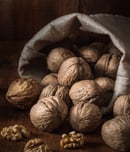
Go nuts for walnuts! These crunchy delights pack a punch of flavor and nutrition in every bite. Sprinkle them on salads, bake them into treats, or snack on them straight from the bag. It's a nutty good time!
- United States
Seize Every Day
Join free for personalised recommendations, email reminders and exclusive guides. Never miss a day.