Seeing-Eye Guide Dog Anniversary
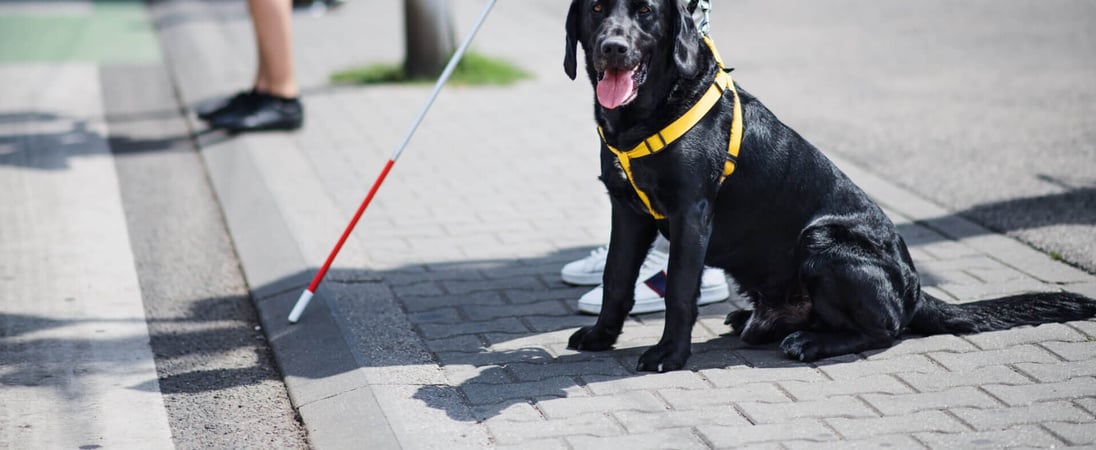
The Seeing-Eye Guide Dog Anniversary recognizes and celebrates the remarkable partnership between expertly trained guide dogs and their handlers, who are blind or visually impaired.
This special day shines a spotlight on the essential role these dogs play in providing greater independence, safety, and confidence to their human partners. It also calls attention to the collaboration, patience, and dedication of the trainers, volunteers, and entire communities that support these teams.
Guide dog pairs are admired for moving together with seamless trust, inspiring admiration and hope in onlookers.
Their teamwork exemplifies what can be achieved when animals and humans work together toward a goal that goes far beyond simply finding the way—it restores a sense of possibility and opens up more of the world for those with vision loss.
The occasion serves as a heartfelt tribute to both the four-legged guides and the people who rely on and care for them.
How to Celebrate Seeing‑Eye Guide Dog Anniversary
Marking the Seeing-Eye Guide Dog Anniversary involves both celebration and meaningful action for guide dogs and the organizations supporting them. There are countless practical ways to honor these working dogs, their handlers, and the professionals who train them.
Donate to support training
Financial donations are the lifeblood of nonprofit guide dog programs. Since it costs tens of thousands of dollars to raise, train, and match each guide dog with its handler, contributions—no matter the size—help keep these initiatives thriving.
Funds often cover essentials like food, veterinary care, grooming, and specialized equipment such as harnesses and leashes. Donations also enable research and ongoing training programs that ensure both dogs and handlers remain at the top of their ability. Some guide dog schools even offer the dogs to recipients free of charge, making public support all the more vital.
Volunteer your time
Many guide dog organizations depend on a robust team of volunteers. People can help in numerous ways: caring for dogs in kennels, assisting with administrative tasks, leading campus tours for visitors, or supporting community outreach events that educate the public about guide dog etiquette and accessibility.
Events such as open houses, fundraising walks, and educational workshops benefit from people willing to lend a hand. Even basic chores—like laundry, dog bathing, or socializing puppies—play a crucial part in keeping operations running smoothly.
Raise funds with a mini event
Fundraising events are a fun and interactive way to get the community involved. Consider organizing a sponsored walk or run, a trivia night focused on dog facts, a pet wash, or a bake sale where proceeds benefit a local guide dog school.
Virtual events, such as online auctions or streaming marathons, can also draw wide participation while raising both money and awareness. These activities offer a chance to share stories about guide dog teams, highlight their achievements, and help more teams come together.
Become a puppy raiser
For those seeking a life-changing volunteer experience, becoming a puppy raiser is a unique and rewarding opportunity. Puppy raisers foster young dogs—usually between eight weeks and 16 to 18 months old—helping them learn good manners, basic obedience, and vital social skills.
Raisers introduce the puppies to many environments and situations, from buses and shops to city parks and quiet neighborhoods, ensuring the dogs grow into calm, adaptable companions. Puppy raisers also become part of a supportive community, receiving training, supplies, and guidance from guide dog organizations.
Share stories and facts online
Social media wields incredible influence when it comes to raising awareness about guide dogs and their cause. Sharing photos, heartwarming stories, informative posts, or short videos about working guide dog teams can reach a vast audience.
Using hashtags related to the anniversary helps spread the message further. Online campaigns can highlight etiquette tips for safely interacting with guide dogs, spotlight milestones from guide dog graduates, or raise funds for training costs.
Each post helps break down barriers, corrects misconceptions, and strengthens respect for guide dog teams.
Thank a handler or trainer
Another simple but impactful way to celebrate the Seeing-Eye Guide Dog Anniversary is to personally thank a guide dog handler or trainer.
A note or word of appreciation acknowledges the effort, patience, and commitment it takes to raise and train these remarkable animals. Kind gestures—like a card delivered to a local guide dog school—can go a long way toward boosting morale and strengthening community support.
Educate others about guide dog etiquette
Awareness is crucial to the safety and effectiveness of guide dog partnerships. Spread knowledge about how to behave around working guide dogs: never distract, feed, or pet a guide dog while it’s wearing its harness, as doing so could interfere with its critical job.
Remind others that handlers rely on their dogs to stay safe, navigate obstacles, and maintain independence. Respecting the team means giving them space to work without interruption.
Advocate for accessibility
Raise your voice for policies and practices that keep public spaces welcoming to guide dog teams. Support legislation that protects access rights, such as allowing guide dogs entry into public buildings, on public transportation, and in shared workspaces. Discuss the importance of accessibility with local businesses or community leaders, encouraging them to foster a more inclusive environment for people who rely on service animals.
Seeing-Eye Guide Dog Anniversary Timeline
79 CE
Earliest Depictions of Dogs Assisting the Blind
A Roman mural in the ruins of Herculaneum portrays a blind man being led by a dog, suggesting early recognition of canine assistance.[1]
1780
First Documented Guide Dog Training Attempt
A Paris hospital for the blind reportedly undertakes the first verified attempt to train dogs to guide blind individuals.[2]
1819
Instructional Textbook on Guiding Techniques
Johann Wilhelm Klein publishes a textbook in Vienna describing a method for blind people to be guided by dogs using a special harness.[3]
1916
First Guide Dog School Opens in Germany
Dr. Gerhard Stalling establishes the world’s first guide dog school in Oldenburg, Germany, training dogs for blinded World War I veterans.
1928
Morris Frank Trains with Buddy in Switzerland
Inspired by Dorothy Eustis’s article, Morris Frank received his guide dog, Buddy, after training in Switzerland, and successfully demonstrated the concept in America.[4]
1929
The Seeing Eye Was Founded in the United States
Morris Frank and Dorothy Harrison Eustis established The Seeing Eye in Nashville, marking the beginning of organized guide dog education in North America.[5]
History of Seeing-Eye Guide Dog Anniversary
The Seeing-Eye Guide Dog Anniversary pays tribute to the founding and enduring impact of the first formal guide dog school in the United States, an institution that fundamentally reshaped possibilities for people who are blind or visually impaired.
The origins of the modern guide dog movement are deeply tied to human ingenuity, cross-continental collaboration, and the persistent desire for independence.
The inspiration began with Morris Frank, a young man from Nashville who lost sight in both eyes due to two separate accidents. Disheartened by his limited mobility and dependence on others, Frank longed for the freedom to walk streets and navigate life on his own.
His quest intersected with the work of Dorothy Harrison Eustis, an American dog trainer living in Switzerland. Eustis was then working with police and military dogs, focusing on their use in guiding World War I veterans who had lost their sight.
After reading Eustis’s published article about these guide dogs assisting wounded soldiers in Germany, Frank became determined to bring this concept to the United States. He reached out to Eustis, expressing his frustration and asking for help.
Moved by his determination, Eustis invited Frank to Switzerland, where he began training with a German Shepherd named Buddy. Through intensive work, Frank and Buddy learned to communicate through harness cues and voice commands, developing mutual trust crucial for navigating crowded streets, crossing intersections, and responding to unexpected obstacles.
Frank’s return to the US with Buddy in 1928 was a landmark moment. Onlookers watched in amazement as Frank and Buddy confidently navigated the busy streets of New York City.
Their successful demonstration made headlines nationwide, shattering doubts about the abilities of people with vision loss and the potential of guide dogs.
Encouraged by this proof, Frank and Eustis went on to cofound The Seeing Eye in 1929, establishing the first American guide dog training school in Nashville before relocating it to New Jersey.
The organization’s name quickly became synonymous with guide dogs across the country. Their mission was not only to train guide dogs but also to educate the public, advocate for legal rights, and promote equal access for those working with service animals.
The school set the standard for guide dog training and handler education. Over the decades, The Seeing Eye has matched thousands of guide dog teams, driving advancements in breeding, health screening, and positive reinforcement training techniques.
The partnership between handler and dog is built on precise commands, mutual respect, and an ability to “intelligently disobey” when the dog’s judgment about safety is paramount—such as refusing to cross when a vehicle approaches, despite a handler’s instruction.
Frank and Buddy’s trailblazing example played a vital role in changing laws and societal attitudes. Thanks to their advocacy, guide dogs have been granted legal access to public spaces, transforming what was once met with resistance into a universally recognized right.
Their impact rippled far beyond a single country, inspiring the founding of guide dog schools around the globe and cementing the guide dog-handler relationship as a benchmark of service animal partnerships.
Today, The Seeing Eye and other organizations continue to innovate in areas such as matching teams based on lifestyle and pace, expanding puppy raising networks, and supporting alumni through advanced training or retirement readiness for aging dogs.
Celebrating the Seeing-Eye Guide Dog Anniversary is, at its heart, about honoring a legacy of courage and progress. The journey of Morris Frank, Dorothy Eustis, and Buddy proves what determination and cooperation can achieve, opening doors and paving literal and metaphorical paths forward for people with visual disabilities.
As the movement spread, more breeds joined the effort, and the process for evaluating, breeding, and nurturing guide dogs became more sophisticated. Trainers adopted positive reinforcement methods, rewarding dogs for desired behaviors with food, praise, or play.
Today’s guide dog trainees learn a wide range of skills: stopping at curbs, avoiding low-hanging obstacles, navigating changing environments, boarding buses, and even “intelligent disobedience,” where they must refuse a command if it puts their handler’s safety at risk.
The effort continues as handlers and guide dog schools work closely for a perfect match of pace, personality, and lifestyle. Teams undergo weeks of intensive training together before venturing out as a bonded duo.
Each successful pairing is a triumph, made possible by communities of dedicated breeders, veterinarians, trainers, volunteers, event organizers, and supporters who believe in mobility, autonomy, and dignity for people with vision loss.
The Seeing-Eye Guide Dog Anniversary stands as a reminder of the partnership that changes lives—not just for those holding the harness, but for all who witness the unwavering devotion at its core. It celebrates the spark of hope that started a movement, the milestones achieved, and the path forward for generations yet to come.
Facts About Guide Dogs That Changed the World
Guide dogs are far more than loyal companions—they are highly trained partners who have transformed independence and mobility for people with visual impairments. From their origins in wartime Europe to the sophisticated training methods used today, guide dogs represent a remarkable blend of science, empathy, and teamwork. The facts below highlight how these dogs are selected, trained, and recognized globally for the life-changing role they play.
-
The First Guide Dog Schools Originated in Germany
The world’s first formal guide dog training schools were established in Germany during World War I to assist soldiers blinded in combat. These schools, such as the one in Oldenburg, served as early examples that inspired similar programs in other countries, including the United States.
-
Not All Dog Breeds Are Suited for Guide Dog Work
While many dogs possess intelligence and loyalty, specific breeds like Labrador Retrievers, Golden Retrievers, and German Shepherds are most commonly trained as guide dogs. These breeds are selected due to their temperament, ability to learn complex tasks, and adaptability to different environments.
-
Guide Dogs Must Master “Intelligent Disobedience”
Guide dogs are trained to exhibit “intelligent disobedience,” meaning they learn to refuse a command from their handler if obeying would put them both in danger. This vital skill ensures safe navigation around obstacles and traffic, even when it contradicts direct instructions.
-
International Symbol of Service Dogs Is a Harness
A guide dog typically wears a special harness with a rigid handle, which serves as the international symbol indicating that the dog is working. The harness helps the handler feel the dog’s motions and alerts the public that the animal should not be distracted.
-
Guide Dogs Can Navigate Both Urban and Rural Environments
Guide dogs are trained to assist their handlers in diverse settings, from crowded city streets to quieter rural areas. Training includes recognizing landmarks, managing public transportation, and memorizing regular routes, making these dogs adaptable for various lifestyles.
Seeing-Eye Guide Dog Anniversary FAQs
What breeds are most commonly used as guide dogs and why?
The most commonly used breeds for guide dogs are Labrador Retrievers, Golden Retrievers, and German Shepherds, chosen for their intelligence, trainability, temperament, and size, which allow them to effectively guide people with visual impairments. [1]
What are the key phases of guide dog training?
Guide dog training includes puppy socialization, basic obedience, exposure to various environments, and advanced training in specific guiding tasks like stopping at curbs, avoiding obstacles, and responding to directional commands. The training culminates with matching the dog to a handler and working together as a team.
Are guide dogs allowed to accompany their handlers in all public places worldwide?
While many countries, including the United States and those in the European Union, have laws granting guide dogs access to most public spaces, access rights and the degree of enforcement can vary globally, and some regions may have restrictions or less consistent protections.
How do guide dogs help improve the independence of people with visual impairments?
Guide dogs enable people with visual impairments to navigate environments safely, increasing their mobility, confidence, and ability to participate in daily activities, work, and social life independently.
Also on ...
View all holidays
National Puzzle Day
From jigsaws to Rubik’s Cubes, crosswords to riddles, give your brain a rewarding workout or try inventing a brand new puzzle of your own.


We think you may also like...
Operation Santa Paws
Helping furry friends in need, giving a paw up to shelters, and being a voice for those who can't speak for themselves.
International Working Animal Day
Honoring the tireless collaborators, creatures contributing silent efforts, weaving indispensable threads into the fabric of human progress.

SUDEP Action Month
Don’t just raise awareness: on SUDEP Action Month, take actions to help all of society understand sudden death from epilepsy and how to mitigate the risk.