Spring Begins
Spring Begins is a day full of life and new starts. It falls on March 19 or 20, depending on where you live. This date marks the spring equinox in the Northern Hemisphere.
It’s a special moment when day and night are almost the same length. People welcome warmer weather and longer days from this point forward.
People celebrate Spring Begins for several reasons. It signals a change from cold to warmer temperatures, allowing everything in nature to grow again.
Flowers start blooming, and animals become more active. It’s a time of renewal and fresh beginnings. Also, the increasing daylight after the equinox encourages more outdoor activities and brings a sense of joy as we move away from the darker winter months.
Moreover, Spring Begins has deep cultural significance in many parts of the world. It’s associated with various traditions and festivals that highlight new life and rebirth. For example, in Iran, the Persian New Year, known as Nowruz, starts on the vernal equinox and lasts for 13 days.
This celebration brings families together to welcome the new year with hope and happiness. Spring Begins is not just a change in weather; it’s a globally recognized moment that uplifts spirits and brings communities together in anticipation of the good times ahead.
Spring Begins Timeline
46 BC
Julius Caesar Fixes Spring to the Equinox
The Julian calendar reform in Rome tied the start of the calendar year and key festivals to the March equinox, using the sun’s position to anchor spring more reliably in the year.
550–330 BC
Achaemenid Persia Centers New Year on Spring’s Arrival
In the Achaemenid Empire, the festival of Nowruz is celebrated at or near the spring equinox at royal sites like Persepolis, marking the rebirth of nature and the beginning of the new year.
1000–1200 AD
Maya Builders Align Chichen Itza with the Equinox Sun
At the Pyramid of Kukulkán in Chichen Itza, architects designed the staircase so that, around the spring equinox, sunlight and shadow create the illusion of a serpent descending, signaling the return of spring.
1113–1150 AD
Angkor Wat’s Towers Frame the Equinox Sunrise
Builders of Angkor Wat in Cambodia oriented the temple so that, viewed from a specific point on the western causeway, the sun rises directly over the central tower near the spring equinox.
1079 AD
Omar Khayyam Reforms the Iranian Calendar
Persian scholar Omar Khayyam leads a calendar reform that sets the first day of the Solar Hijri year at the exact moment of the vernal equinox, firmly linking the civil new year to the start of spring.
1780
Meteorological Spring Is Formally Defined
The Societas Meteorologica Palatina standardizes “meteorological seasons,” defining spring as March through May in the Northern Hemisphere to better organize weather records and climate statistics.
19th–20th Centuries
Equinox Becomes a Reference Point in Modern Astronomy
As celestial coordinate systems are refined, astronomers adopt the vernal equinox as the zero point for right ascension, turning the beginning of spring into a fundamental reference for mapping the sky.
History of Spring Begins
The story of Spring Begins, or the vernal equinox, is a fascinating blend of astronomy, tradition, and culture. Every March, this event signals the start of spring in the Northern Hemisphere, bringing equal lengths of day and night.
This balance happens because the Earth’s axis is not tilted toward or away from the sun, making the sun rise due east and set due west on this day. The precise date varies, falling on March 19, 20, or 21, and is determined by the Earth’s tilt and orbit around the sun.
Different cultures and countries mark the start of spring based on various definitions. For example, meteorologists in some places define spring from March to May, aligning it with the months that typically experience a significant warming trend.
In contrast, other regions might follow different calendars or ecological signs, such as plant blossoming or animal behaviors, to mark the season’s start.
Throughout history, spring has been a time for numerous cultural celebrations and rituals. Ancient civilizations, like the Maya, aligned their structures with the equinoxes, creating phenomena like the appearance of a “snake” made from shadows at Chichen Itza.
Today, celebrations like Nowruz, the Persian New Year, and Japan’s Shunbun no Hi, a day for honoring ancestors, are directly tied to the equinox.
These traditions reflect humanity’s enduring fascination with the balance between day and night and the rebirth and renewal that spring represents.
Interestingly, the date of the vernal equinox has shifted over time due to the Earth’s orbit and rotation. There hasn’t been a March 21 equinox in the mainland U.S. during the 21st century, a pattern that won’t change until 2101.
This shifting date reflects the complex celestial mechanics that dictate our seasons and illustrates the dynamic nature of our planet’s relationship with the sun.
Spring begins, ushering in warmer weather and longer days. It also plays a significant role in our cultural and scientific understanding of time and the cosmos.
Its celebration across different cultures underscores the universal human connection to the rhythms of the Earth and the skies.
How to Celebrate Spring Begins
Unleash Your Inner Artist
Grab those paints and let the colors flow. A canvas awaits your spring-inspired masterpiece. Think blooming flowers, bright skies, or even abstract splashes that scream “Spring is here!” No rules in art, only fun.
Dance in the Rain
Spring showers bring… a dance party! Slip-on rain boots, find an open space, and let loose. Raindrops keep falling on your head? That’s more like a natural rhythm section for your spontaneous dance moves.
Picnic with a Twist
Pack a basket, but forget the usual suspects. Try themed snacks that celebrate renewal and growth—think green veggies, flower-shaped cookies, and sunny lemonade. Find a spot where nature’s in full swing, and enjoy the feast.
Plant Something Wild
Don’t just garden, go wild. Plant flowers that bees love or veggies that you’ve never tried before. It’s about getting your hands dirty and embracing the unpredictable joy of growth. Who knows what will pop up?
Spring Begins is not just a date on the calendar; it’s a doorway to new adventures, tastes, and experiences. It’s about breaking out of the winter cocoon and fluttering into the vibrant, energetic season with style and a dash of whimsy.
When Spring Rewrites the Natural Schedule
Spring may feel familiar, but the timing of nature’s biggest events is quietly shifting.
From the balance of day and night to the movement of stars and the changing rhythms of forests, the season reveals subtle changes in Earth’s systems.
These facts explore how astronomy, sunlight, and plant life all reflect the dynamic nature of spring.
-
Solar Geometry Makes Day and Night Nearly Equal
Day and night are not exactly 12 hours long on the equinox, but they come close because of Earth’s geometry and atmosphere.
As the sun’s center crosses the celestial equator, the day–night dividing line on Earth runs nearly pole to pole.
However, sunrise and sunset are defined by when the top of the sun’s disk touches the horizon, and atmospheric refraction bends sunlight so the sun appears slightly higher than it really is.
These effects together add several extra minutes of daylight, so even on the equinox, most locations get a bit more than 12 hours of daylight.
-
The “First Point of Aries” Has Drifted Into Pisces
Astronomers historically used the vernal equinox as the “First Point of Aries,” the zero point for measuring right ascension in the sky, because around 2,000 years ago, the sun stood in the constellation Aries at the March equinox.
Due to the slow wobble of Earth’s axis, known as precession, this reference point has drifted westward along the ecliptic and now lies in Pisces, yet the name “First Point of Aries” is still widely used in celestial coordinate systems.
-
Trees and Wildflowers Are Reordering Their Spring Timetables
In temperate forests, many plants time leaf-out and flowering to the warming period just before spring, and long-term records show that many species are now shifting earlier as springs warm.
Research on European woodlands has found that different tree and understory species respond at different rates to temperature, which can reshuffle the usual sequence of who buds or blooms first, altering competition for light in the short window before forest canopies fully leaf out.
-
Spring Phenology Is a Key Player in the Carbon and Water Cycles
The timing of spring green-up does more than change the landscape’s color; it affects how much carbon and water land ecosystems exchange with the atmosphere.
Satellite analyses across the Northern Hemisphere show that earlier spring vegetation activity increases the length of the growing season, which can enhance carbon uptake and modify evapotranspiration, with knock‑on effects for regional climate and hydrology.
-
Meteorologists and Astronomers Use Different “Springs”
Scientists who study weather define spring differently from astronomers because they need consistent three‑month blocks for climate statistics.
Meteorological spring runs from March 1 to May 31 in the Northern Hemisphere, based on the annual temperature cycle, while astronomical spring begins at the March equinox and ends at the June solstice, so its exact start and length vary slightly from year to year.
-
Spring Light Boosts the Body’s Internal Clock
As days lengthen around the time of the vernal equinox, changes in daylight help reset human circadian rhythms, which influence sleep, hormone release, and daily alertness.
Clinical and neuroscience research links increased springtime light exposure to adjustments in melatonin timing and to improved alignment between the internal clock and the external day–night cycle, which can ease some winter‑related mood and sleep problems.
-
Working Memory Peaks Around the Spring Season
Brain‑imaging studies tracking people across the year suggest that some aspects of thinking may be seasonally tuned.
One study of healthy adults found that brain responses related to working memory tasks reached their highest levels around the spring months, while other functions, such as sustained attention, tended to peak closer to summer, indicating that human cognitive systems subtly track seasonal light and environmental changes.
Spring Begins FAQs
Why are day and night not exactly 12 hours long on the spring equinox?
Day and night are close to equal on the spring equinox, but not perfectly 12 hours everywhere, because of two main factors.
First, atmospheric refraction bends sunlight around the horizon and lets people see the sun a few minutes before it has fully risen and a few minutes after it has set.
Second, sunrise and sunset are defined by the top edge of the sun’s disk crossing the horizon, not the center, which adds a little extra daylight. These effects together can make the day slightly longer than 12 hours, especially at higher latitudes. [1]
What actually happens astronomically when spring begins in the Northern Hemisphere?
Astronomically, spring begins in the Northern Hemisphere at the March (vernal) equinox, when the sun’s apparent path crosses the celestial equator heading north.
At that moment, Earth’s axis is tilted neither toward nor away from the sun, so the sun is directly overhead at the equator, rises roughly due east, and sets roughly due west for most locations on Earth.
This alignment marks the transition from the sun favoring the Southern Hemisphere to favoring the Northern Hemisphere in terms of direct sunlight. [2]
Why does the date of the spring equinox change from year to year?
The date of the spring equinox shifts each year slightly because Earth takes about 365.24 days to orbit the sun, not exactly 365.
To keep calendars aligned with the seasons, leap years add an extra day every four years, which nudges the calendar forward relative to Earth’s position in its orbit.
As a result, the equinox can fall on different dates in March, usually between the 19th and 21st, instead of being fixed to a single calendar day. [3]
How do scientists differ from weather forecasters in deciding when spring starts?
Astronomers define the start of spring by Earth’s position relative to the sun, so for them, spring begins at the vernal equinox.
Meteorologists, however, use “meteorological spring,” which runs from March 1 to May 31 in the Northern Hemisphere, because fixed three‑month blocks line up better with temperature patterns and make climate statistics easier to compare from year to year.
Both definitions are widely used, but they serve different professional needs. [4]
Does the beginning of spring in the Northern Hemisphere mean the same thing for the Southern Hemisphere?
When spring begins in the Northern Hemisphere at the March equinox, the Southern Hemisphere enters astronomical autumn.
From that moment onward, the sun’s direct rays move north of the equator, lengthening days and generally warming conditions in the north while shortening days and leading toward cooler conditions in the south.
The same equinox is therefore experienced as the start of two different seasons, depending on which hemisphere a person lives in. [5]
How do plants and animals respond to the arrival of spring around the equinox?
Many plants and animals respond to the increasing daylight and temperature that follow the spring equinox.
Plants in temperate regions often use day length and warmth as signals to break dormancy, produce buds, and flower.
Animals may time migration, breeding, and changes in behavior or coat thickness to the shift toward longer days and milder conditions.
This seasonal timing, known as phenology, helps species match critical life stages to favorable environmental conditions. [6]
Why have so many cultures built traditions and monuments around the spring equinox?
Across history, societies have watched the sky to track the seasons because agriculture, navigation, and religious life depended on knowing when conditions would change.
The spring equinox offered a clear, repeatable marker of increasing light and warmth, so many cultures built monuments aligned with the equinox sunrise or sunset and created rituals around themes of renewal and balance.
Examples include gatherings at sites such as Chichén Itzá in Mexico, where the equinox sun creates a serpent‑like shadow on the pyramid steps, and New Year celebrations like Nowruz in Iran that begin with the equinox itself.
Also on ...
View all holidays
Won’t You Be My Neighbor Day
Fred Rogers, beloved host of Mister Rogers' Neighborhood, taught us to be kind and empathetic, and his legacy continues to inspire and brighten the world.

Red Nose Day
Red Nose Day is not only about the red noses; it's about making a difference by having fun. Join the laughter and support a great cause!


French Language Day
Celebrating rich heritage, the melodious language of romance captivates with its elegance, sparking cultural curiosity and connection.
We think you may also like...

Lei Day
Bring the feeling of sand in your toes and sun on your face to wherever you are by wearing a tropical lei, most commonly associated with beautiful Hawai’i.
Chimborazo Day
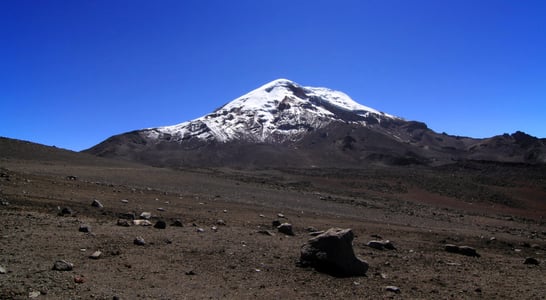
Climb a hill or mountain, or set yourself a metaphorical “mountain” goal to honor the tallest mountain the world as measured from the Earth’s core, Chimborazo.
Build A Scarecrow Day
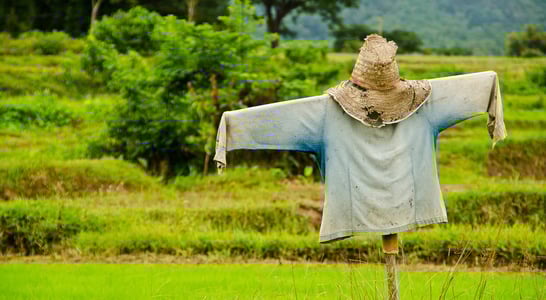
Find a festival or competition and gather together with others to make the best scarecrows you can make, keeping your crops safe in the coming years.