
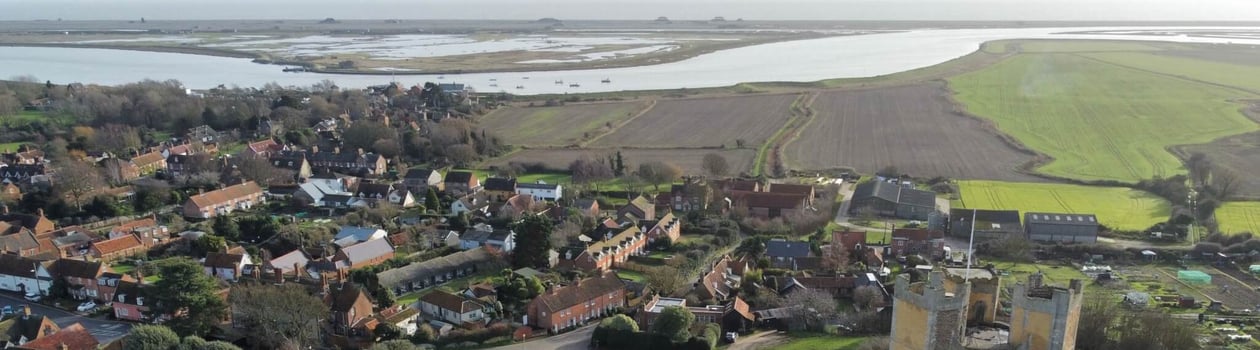
Suffolk Day is a community-minded celebration of Suffolk, the English county known for its big skies, historic market towns, and a coastline that invites long walks and unhurried afternoons. It is a chance for residents, local organizations, businesses, and anyone with a connection to the county to share what they value about it, whether that is heritage, creativity, food, landscapes, or the people who keep communities running.
Observed each year on June 21, Suffolk Day is tied to the summer solstice and is often described as the longest day of the year. The date suits the spirit of the occasion: more daylight for being outdoors, visiting favorite places, and taking part in events that highlight local character. It also reflects Suffolk’s association with sunrise, a nod to the county’s easterly coastline and the feeling that the day starts early there.
How to Celebrate Suffolk Day
Suffolk Day works best when it feels shared rather than staged. Some people mark it with a day out, others with something as simple as a conversation about what makes Suffolk distinctive. The celebration is flexible by design, making room for family traditions, community gatherings, and small personal rituals that still feel meaningful.
A good approach is to pick one theme and lean into it, rather than trying to cover everything. That theme might be local history, coastal life, farming and food, art and music, or the simple pleasure of spending time outside. Suffolk Day is less about “seeing it all” and more about noticing what is close by and why it matters.
Attend Suffolk Day Events
Public events often sit at the center of Suffolk Day, especially when museums, libraries, town councils, arts venues, and volunteer groups use the day as a reason to open their doors or try something new. What is offered changes from year to year, but the goal is consistent: bring people together around local stories and local pride.
Because Suffolk includes coastal communities, rural villages, and larger towns, events can look very different depending on where they are held. A single local program might include a guided walk focused on architecture, a short talk on local history, a family craft session, a performance by local musicians, and a social gathering that encourages neighbors to meet. Some celebrations also use the day to support community causes, pairing the county’s pride with practical help for charities and volunteer-led projects.
Suffolk Day is also easy to take part in from afar. People who used to live in the county, have family ties there, or simply fell in love with it during a visit can join in by sharing memories, photos, and recommendations with friends. A “Suffolk moment” might be a view across a marsh, a favorite local meal, a lane lined with hedgerows, a village green, or a tradition that feels rooted in the county’s rhythm of life.
For those who prefer in-person experiences, a few straightforward ideas include:
- Take a walk with a theme. Choose a route that tells a story, such as a coastal path, a riverside trail, or a town center where older buildings sit alongside modern life.
- Visit a museum, gallery, or heritage site. Suffolk Day can be a good prompt to learn something new about the county’s past, from everyday working life to nationally significant moments.
- Support local makers and businesses. Buying local food, crafts, or books can be a simple way to contribute, especially when it comes with a quick chat about how something is made or where ingredients come from.
- Host a small get-together. A picnic, tea with friends, or a shared meal can feel like a Suffolk Day celebration when it includes local produce, local conversation, or a plan to explore a nearby spot together.
However it is marked, Suffolk Day tends to feel most satisfying when the pace stays realistic. Rather than trying to “do” the whole county, people often enjoy choosing one place and paying attention to the details that make it distinctive: the street patterns, the noticeboards, the independent shops, and the everyday routines that keep traditions alive.
Fly the Suffolk Flag (or Use Local Symbols)
One of the most recognizable ways to mark Suffolk Day is to fly the Suffolk flag. It is a simple, visible gesture that turns private pride into something shared, whether it appears outside a home, at a community venue, or on a local landmark.
Not everyone has a flagpole or access to a public display space, but Suffolk Day does not require that kind of visibility. Local symbols can show up in smaller ways: a window display that uses county colors, a community board highlighting local achievements, a homemade banner in a school hall, or a photo that captures what Suffolk means to the person sharing it. The emphasis stays on recognition and participation, not on getting the “perfect” display.
For groups that want to make the day feel more communal, a coordinated display can be effective without being expensive. Shops on a high street might agree on a shared window theme. Community groups might decorate a meeting space with local images or archival photos. Even a simple shared dress color for staff or volunteers can create a quiet sense of unity.
Recognize People Who Make Suffolk Strong
Suffolk Day is often used as a moment to highlight community service and civic pride. It offers a natural opportunity to say thank you to the people who quietly make places work: volunteers, caregivers, community organizers, emergency responders, coaches, librarians, and neighbors who step in when someone needs a hand.
Some celebrations connect with formal recognition, including the Suffolk Medal, which honors exceptional contribution connected to the county. Yet Suffolk Day does not need an official award to do something meaningful. Communities can create their own version of recognition that feels personal and specific.
That might mean a public thank-you at a community gathering, a short write-up in a newsletter, a display of portraits and stories in a shared space, or a school project that highlights local role models. A business might recognize staff who go beyond what is expected. A club might spotlight long-serving members who welcome newcomers and keep activities going year after year. These gestures fit the day’s broader purpose: noticing what is already valuable and making sure it is seen.
History of Suffolk Day
Suffolk Day is a modern county day, first widely marked in 2017. It was created as a clear, repeatable way to highlight Suffolk’s strengths and encourage people to speak positively about where they live and what the county offers. The idea gained momentum through local support, including prominent coverage from BBC Radio Suffolk and other regional media, which helped turn a new concept into an event that communities could recognize and join.
The choice of June 21 matters for more than one reason. As the solstice, it is commonly regarded as the longest day of the year, which lends itself to outdoor plans and community activities that benefit from extended daylight. It also fits Suffolk’s public identity as a place associated with sunrise, making the date feel symbolic as well as practical. In other words, the timing encourages people to get out and experience the county rather than only reading about it.
From the beginning, Suffolk Day was designed to be inclusive. It does not depend on one central festival or one fixed program. Instead, it acts as a prompt that different communities can interpret in their own way. That openness has helped the day feel genuine: Suffolk is not a single story, and the celebration does not try to force it into one. A coastal town might highlight maritime heritage and beach cleanups, while an inland village might focus on local produce, crafts, and a community get-together.
Over time, Suffolk Day has developed a familiar set of customs without becoming rigid. Flag-raisings and civic moments have become a common feature, providing an easy way for towns and organizations to make the day visible. Local broadcasts, community noticeboards, school activities, and social sharing have also helped people feel connected to a wider celebration beyond their immediate neighborhood.
Another part of Suffolk Day’s growth has been its role as a spotlight for community contribution. The day has become a natural point in the calendar to highlight people and projects that improve life in the county, from long-running volunteer efforts to newer initiatives that respond to changing needs. That focus keeps Suffolk Day grounded. It is not only about scenery or nostalgia, but about the living community and the work required to sustain it.
Suffolk Day also sits comfortably alongside older forms of county identity. Suffolk has a strong sense of place shaped by its landscapes, historic towns, and long local memory. The celebration gives that identity an annual moment of attention, inviting people to take stock of what has been protected, what has changed, and what deserves support next.
Suffolk Day FAQs



You may also like

U.S. Coast Guard Reserve Birthday
The U.S. Coast Guard Reserve Birthday is a special day honoring the vital contributions of the Coast Guard Reserve. This day celebrates the dedicated individuals who support national security, maritime safety, and disaster response. Their work ensures that our waterways remain safe and that the Coast Guard can fulfill its mission...
- United States

U.S. Coast Guard Birthday
Show your support for the brave men and women of the US Coast Guard who put their lives on the line to save ours, from fishing boats accidents to hurricanes.
- Canada
- United Kingdom
- United States

World Seagrass Day
World Seagrass Day is a worldwide reminder that some of the planet’s most important landscapes are the ones most people never see. Beneath calm, shallow coastal waters, underwater meadows quietly perform outsized work: feeding marine life, clearing the water, buffering shorelines, and locking away carbon for the long haul. World Seagrass...
- Australia
- International
- United Kingdom
- and 1 more

International Coastal Cleanup Day
With a heart for the environment, individuals join forces to restore shores, demonstrating love and commitment to preserving our oceans' beauty.
- Australia
- India
- International
- and 3 more
National days and holidays on June 21

Summer Solstice
It's the day with the most sunshine, the longest day of the year. Celebrate the official start of summer with outdoor fun!
- Canada
- Sweden
- United Kingdom
- and 1 more

World Music Day
From Beethoven to Taylor Swift, there’s music for everyone. Revisit your old favorites or discover new artists from different cultures on World Music Day.
- Canada
- France
- India
- and 2 more

National Peaches ‘N’ Cream Day
Incredibly simple but oh so delicious, the combination of peaches and cream is sure to delight your friends and family, not to mention your own taste buds.
- Australia
- Canada
- United States

National Turkey Lovers’ Day
No need to wait until Thanksgiving to enjoy a delicious turkey. This is your chance to do up a bird in the oven, gather your friends and family, and dig in.
- Canada
- United Kingdom
- United States
Seize Every Day
Join free for personalised recommendations, email reminders and exclusive guides. Never miss a day.