Super Chicken Wing Day
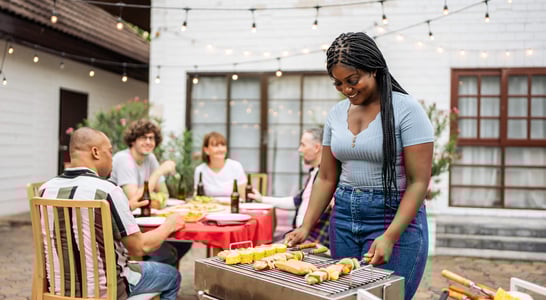
Savoring succulent bites while cheering for the big game, relishing the communal thrill of indulgent sporting moments.
Super Chicken Wing Day is a day that unites chicken wing lovers to feast on their favorite treat every year on the second Sunday of February. This day is not just about indulging in a plate of delicious wings. Instead, it honors a culinary creation that has become a staple in American culture.
Chicken wings are a favorite to eat during the biggest football game of the year — the Super Bowl. Coincidentally (or not?), Super Bowl Sunday usually coincides with Super Chicken Wing Day!
How to Celebrate Super Chicken Wing Day
Celebrating Super Chicken Wing Day is all about indulgence, fun, and creativity. Here are some ways to make the most of this delicious day:
Have a Chicken Wing Cook-off
Gather your friends and family for a Super Chicken Wing Day wing-making competition. Encourage your friends to bring their unique recipes, whether it’s a family secret sauce or an experiment still in the works. From classic Buffalo to sweet and tangy BBQ, the varieties are endless. Don’t forget to have a panel of ‘wing judges’ to crown the best wing chef!
Explore New Flavors
Use Super Chicken Wing Day the chance to explore new wing flavors and cooking methods. Take some new recipes for a test drive. Think honey-garlic glazed wings, spicy Korean-style wings, or even vegetarian wing alternatives. It’s a day to be adventurous with your palate.
Host a Chicken Wing Eating Contest
For the truly daring, organize a Super Chicken Wing Day eating contest. Set a timer and see who can eat the most wings. Remember, it’s all in good fun, so ensure plenty of water is on hand. Don’t forget to have some full-fat milk available to cleanse the palate after those spicy selections.
Throw a Wing Pairing Party
Wings and drinks are a classic combo. Host a chicken wing and beverage pairing party where guests can match different types of wings with various beverages. Think beyond beer – consider wine, cocktails, or even non-alcoholic options like artisanal sodas.
Educational Wing Night
Turn the celebration into a learning experience. Share the history of the Buffalo wing with your guests, and perhaps screen a documentary on the evolution of American food culture, highlighting the role of chicken wings.
Support Local Businesses
Visit your local wing joints or order in from them. It’s a great way to support local businesses while enjoying some professionally cooked wings.
Wing-Themed Crafts and Games
Families with little ones can create wing-themed crafts or organize games. Think of activities like making wing-shaped decorations or a ‘pin the wing on the chicken’ game.
Share on Social Media
Don’t keep your Super Chicken Wing Day adventures to yourself – share them on your social channels. Use the hashtag #SuperChickenWingDay to share your celebrations, recipes, and wing-eating triumphs on social media. It’s a great way to connect with fellow wing lovers and spread the joy of this delicious day.
History of Super Chicken Wing Day
The story of Super Chicken Wing Day begins in the bustling kitchen of the Anchor Bar on Main Street, in Buffalo, New York. It was 1964, and Teressa Bellissimo, the bar’s co-owner, needed to whip up a quick and satisfying snack for her son and his friends.
With a stroke of culinary genius, she took what was available — chicken wings, which she usually saved for soup stock — and transformed them into a mouth-watering delicacy. Teressa deep-fried the wings and tossed them in a special hot sauce, creating the first-ever batch of what we now know as Buffalo Chicken Wings.
The wings were an instant hit. Not only Teressa’s son and his friends fell head over heels for the chicken wings, but so did the Anchor Bar’s patrons. This newfound popularity led to an explosion in chicken wing consumption across the United States.
By the 1980s, as the cost of chicken wings decreased, they became a common feature in bars and restaurants, often paired with sports broadcasts. This trend was further bolstered in the 1990s when fast-food giants like KFC and McDonald’s began adding wings to their menus.
The connection between chicken wings and football solidified when the Buffalo Bills made it to the Super Bowl four years in a row, starting in 1990. This association gave rise to the notion of celebrating chicken wings on game day. One thing led to another, ending with the inception of Super Chicken Wing Day. The day is a spin-off of National Chicken Wing Day, celebrated on July 29, commemorating the original creation of the Buffalo Wing.
Facts About the Surprising History and Impact of Chicken Wings
Chicken wings haven’t always been the star of game-day tables and sports bars. For much of the 20th century, they were treated as a low-value cut—often discarded, repurposed, or overlooked entirely. The rise of Buffalo-style wings transformed that perception, turning wings into a cultural icon and a major economic force within the food industry. These facts explore how chicken wings evolved from a forgotten byproduct into one of America’s most popular and profitable comfort foods.
-
Hidden History of Chicken Wings as a “Throwaway” Cut
Before Buffalo wings became bar staples, chicken wings in the United States were so undervalued that they were often discarded, turned into pet food, or reserved mainly for making stock. Industry histories note that only when Buffalo‑style wings took off in the 1960s–1980s did demand for this once low‑value byproduct surge, reshaping how processors and restaurants viewed the profitability of the wing portion.
-
How Buffalo Wings Helped Change the Chicken Business
The rise of Buffalo wings coincided with a major shift in U.S. chicken consumption: by the 1980s, consumers increasingly preferred boneless, skinless breast meat, leaving wings as cheap surplus. Bars discovered they could sell spicy wings inexpensively while driving lucrative beer sales, and trade groups report that this combination helped turn wings from an afterthought into one of the most valuable parts of the bird, influencing pricing and marketing strategies across the poultry industry.
-
Super Bowl Sunday’s Billion‑Wing Appetite
The U.S. National Chicken Council’s annual “Wing Report” shows how tightly chicken wings are tied to football: for recent Super Bowls, Americans were projected to eat around 1.38–1.47 billion wings in a single weekend, which works out to roughly four wings for every person in the country. Retail data also show double‑digit percentage jumps in wing sales in the weeks leading up to the game, especially in the home markets of the competing teams.
-
Wings on the Menu Long Before Buffalo Sauce
Although Buffalo‑style wings date to the 1960s, historical menus from Buffalo show that people were eating wings much earlier. The Buffalo History Museum preserves an 1857 menu from the Clarendon Hotel listing “Chicken Wings, fried” as an entrée, and local histories describe other wing‑focused concepts—such as John M. Young’s Wings & Things in 1966—demonstrating that the city’s wing culture predates the invention of the modern hot‑sauce‑and‑butter Buffalo wing.
-
The Science Behind Crispy Wing Skin
Crispy chicken wings are a product of physics and chemistry: when wings are fried around 175–190 °C (347–374 °F), moisture at the surface vaporizes rapidly while fat under the skin renders out. This drying, combined with the Maillard reaction between amino acids and sugars at high heat, creates the characteristic browned, crackling skin, which also offers a rough, fatty surface that helps Buffalo‑style butter‑and‑hot‑sauce emulsions cling to the wing.
-
Korean Yangnyeom Wings and the “Chimaek” Culture
In South Korea, a popular counterpart to American Buffalo wings is yangnyeom chicken—double‑fried wings or drumettes coated in a thick, sweet‑spicy sauce based on gochujang, garlic, and sugar. Scholars and food historians link its modern popularity to the rise of “chimaek” culture (fried chicken plus beer) from the late 20th century onward, showing how wings have become central to bar‑snack and sports‑viewing rituals in very different culinary traditions.
-
Why Food Safety Matters with Party Platters of Wings
Public‑health agencies warn that large platters of wings can become a food‑safety risk if they sit out too long at room temperature during parties or big games. USDA and FoodSafety.gov guidelines state that cooked poultry should be held at 140 °F (60 °C) or hotter, or refrigerated within two hours (one hour if above 90 °F/32 °C); leftovers must be reheated to 165 °F (74 °C) to reduce the risk of illnesses from bacteria such as Salmonella and Campylobacter.
Also on ...
View all holidays
National Kite Flying Day
Colorful sails dancing in the sky, held by invisible strings, challenging the wind's whims in a delightful game of high-flying freedom.



National Molasses Bar Day
From rich gingerbread to sweet BBQ sauce, it's the secret ingredient in many beloved recipes, adding a deep, earthy sweetness.