
For me, surfing is as close a connection I can have with Mother Nature. To surf, you’re riding a pulse of energy from Mother Nature.
Xavier Rudd
And it’s strong. It’s real. It’s there. And you’re dancing with that. You’re connecting with that. You’re might be the only person in the history of the universe that connects with that particular pulse of energy.
Surfing has a funny way of turning ordinary people into lifelong students of wind, tides, and a moving horizon. It is part sport, part craft, part ocean literacy, and it comes with a culture that can sound like its own dialect if a person is not familiar with it.
Surfers are known for their unique slang, such as, for instance, “a young grommet out there getting a floater along the crest and almost getting caught inside.” To outsiders, that sentence can feel like overhearing a secret code. To surfers, it is simply a quick report on what matters: who is out there, what they rode, what maneuver they tried, and how close they came to getting pinned by the next wave.
These traditional beach bums have a love for the ocean and the sport itself, putting themselves in a highly dangerous situation to get that perfect wave. The risk is not only the obvious wipeout. It is also rip currents, reefs, rocks, cold water, big-wave conditions, marine life, and the quiet fatigue that comes from paddling for hours. Still, surfers keep coming back because the reward is unusually pure: a few seconds of being carried by energy that started as wind across open water.
This closeness to the sea has inspired many and International Surfing Day is just one of the many holidays that promotes this connection to the waves and the protection of the sea itself. It invites people to celebrate surfing’s joy while treating the beach and ocean like the shared, living places they are. For some, that means paddling out. For others, it means picking up trash, planting dune grass, or learning enough about local conditions to respect them.
How to Celebrate International Surfing Day
International Surfing Day works best when it is celebrated with equal parts stoke and stewardship. The point is not to perform “surf culture” perfectly. The point is to get closer to the ocean in a way that leaves it better than it was found, and to help other people do the same.
If you want to participate in the lineup of surfers ready to take on the waves and help in their cause, then one thing you can do is go to the Surfrider Foundation and make a donation. Donations help support practical work that affects day-to-day ocean enjoyment, including cleaner water, healthier shorelines, and beach access. For people who cannot get to the coast, it is a direct way to be part of the action.
Through their website, you can see if you can participate in local fundraisers and volunteer at a local environmental cleanup event near you. Many cleanups are designed for all ages and do not require any surfing ability at all. A typical cleanup “kit” is simple: closed-toe shoes, gloves if desired, sun protection, and a reusable bag or bucket. Some groups also encourage tracking what is collected. That data can be surprisingly useful for understanding what types of litter show up most often and where it likely comes from.
Those who do surf can celebrate on the water in ways that match their experience level:
- Beginners can book a lesson or join a supervised group session. Learning the basics like how to fall safely, how to protect the head, and how to avoid drifting into others is part of ocean respect.
- Intermediate surfers can make it a “good manners” session: no dropping in, no snaking, plenty of encouraging calls when someone else catches a great wave.
- Experienced surfers can invite a newer surfer, share tips, or demonstrate lineup etiquette that keeps everyone safer.
It is also a great day to do a quick personal audit of surf habits that affect the ocean. Small shifts add up when repeated:
- Switch to a reusable water bottle and snacks that do not leave plastic wrappers behind.
- Pack out all waste, including the sneaky stuff like wax comb shavings, zip ties, and broken leash strings.
- If driving to the beach, consider carpooling. Fewer vehicles can mean less congestion and a calmer parking lot experience for everyone.
Community celebration can be just as meaningful as a solo surf. Many places mark the day with friendly contests, cookouts, film screenings, or educational booths. Even without an official event, a person can host a simple “surf and serve” meet-up: a morning surf for those who paddle out, followed by an hour of cleanup and a casual picnic. Keeping it welcoming matters. Surfing sometimes gets a reputation for gatekeeping, so an open invite, a clear plan, and a respectful vibe can change someone’s whole idea of what surfing culture is.
You can also share this holiday on social media using the hashtag #surfday and let all your friends know how this holiday is important to you. Posts do not have to be glossy highlight reels. A quick photo of a cleanup haul, a short note about what was learned from local conditions, or a reminder to protect dunes and wildlife can spread the message further than a single beach can hold.
A few more celebration ideas that fit almost anywhere:
- Watch a surf film with a purpose. Pick something that highlights ocean conservation, surf history, or the craft of wave-riding, then use it as a conversation starter.
- Try a surf-adjacent activity. If there are no waves nearby, people often celebrate with skateboarding (the classic “sidewalk surfing”), balance training, swimming, or paddling. The spirit is the same: movement and water-mindedness.
- Support local surf community efforts. Many towns have surf clubs, adaptive surf programs, or youth initiatives that help people access the ocean more safely and confidently.
Celebration is the easy part. The real magic is that International Surfing Day makes it normal, even expected, to pair fun with caretaking.
History of International Surfing Day
International Surfing Day officially began in 2005 by Surfing Magazine, a magazine publication that ran from 1964 until 2017, and the Surfrider Foundation, a non-profit organization dedicated to keeping oceans clean and encouraging people to surf the waves.
The partnership made sense on a practical level. Surfing media had reach into surf communities, and Surfrider had a strong network of activists focused on protecting oceans, waves, and beaches. Put those together and a simple idea becomes a repeating, recognizable event: celebrate surfing, then immediately do something tangible to protect the place where surfing happens.
It’s a holiday that encourages people to be aware of the environmental impact of their activities in the sea and promote the protection of the ocean by building a passion for surfing. That combination is more strategic than it might appear. People tend to defend what they love, and surfers build a very specific love, not for “the ocean” as an abstract concept, but for a particular stretch of coast, a particular break, a particular feel of water moving over sand or reef. International Surfing Day leans into that attachment and gives it an outlet.
This holiday initially became an idea through a group surf forum, Usenet newsgroup, back in 1993, and while the intent was there, the resources to made the idea happen just wasn’t there. Early internet communities were good at rallying spirit and sharing stoke. They were less equipped to coordinate global events with permits, trash hauling, publicity, and local leaders. Over time, as surfing organizations grew and environmental groups built stronger chapter networks, the concept became more doable.
From the beginning, International Surfing Day has aimed to be inclusive in the simplest way: people can participate whether they surf or not. Surfing is the spark, but ocean enjoyment is the broader circle. Many celebrations include not only surfing but other ocean activities like paddling or swimming, plus on-land activities that keep coastlines healthier.
On this day, people go out and surf. They also host contests, barbecues, film screenings, and other activities that let people have fun while also educating people. Those educational pieces often focus on real, visible problems that surfers encounter up close: plastic debris in the lineup, murky runoff after storms, erosion that narrows beaches, or development that blocks access points. Because surfers spend so much time in the water, changes are noticed quickly. A beach that was clean last season can look different after a few big swells, a busy weekend, or a change in local infrastructure. International Surfing Day gives communities a reason to talk about those changes without the conversation feeling like a lecture.
Surfers who are passionate about their sport also give back by volunteering for beach cleanups, habitat restorations, and maintaining recreational areas to keep the environment healthy and people happy. Habitat work can be surprisingly hands-on. Dune restoration, for example, helps stabilize sand and protect inland areas from storms, while also providing habitat for coastal plants and animals. In some regions, native planting is a common activity because healthy dune vegetation can mean a healthier beach over time.
Another reason this day resonates is that it acknowledges surfing’s reliance on healthy systems. Waves are shaped by wind patterns and seafloor contours. Water quality is shaped by what happens on land. Beach access is shaped by community planning and policy choices. International Surfing Day is not only about what happens in the surf zone. It is about everything upstream of it, too.
Organizations such as the Surfrider Foundation ask for donations and create fundraisers to their cause and also host contests for unique prizes such as new surfboards and skateboards. In many places, the prizes and parties are simply a way to draw people in. The deeper goal is to get volunteers on the sand, get neighbors talking, and make ocean protection feel like a shared project rather than somebody else’s job.
Over time, the day has grown into a worldwide observance with events in many coastal regions. Some gatherings are small, like a handful of friends cleaning a favorite beach before paddling out. Others are large, with organized check-in tables, waste sorting, community partners, and big group photos. Both count. The scale is less important than the pattern: enjoy the ocean, then actively care for it.
International Surfing Day also reflects a basic truth about surf culture that is easy to miss if someone only sees the stereotypes. Yes, surfing has its laid-back image. But it also has discipline, local knowledge, and an intense sense of place. A surfer learns to read weather, interpret swell direction, time sets, and understand hazards. That knowledge naturally leads to respect, and respect often leads to stewardship. International Surfing Day essentially formalizes that instinct and invites anyone, surfer or not, to join in.
Facts About International Surfing Day
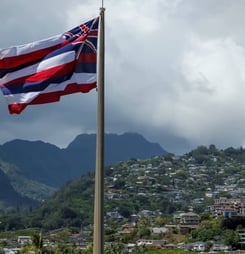
Ancient Hawaiians Used Distinct Boards for Different Social Classes
In traditional Hawaiian society, surfing equipment reflected rank and status. Commoners typically rode shorter, narrower boards called alaia, while chiefs and nobility used longer, heavier olo boards that could reach 16 to 24 feet in length and were often made from prized koa or wiliwili trees.
Access to certain breaks and the most prestigious boards was reserved for the elite, underscoring surfing’s deep connection to hierarchy and protocol in pre-contact Hawaii.
Peru’s Reed “Horses” Preserve a Parallel Surfing Tradition
Along Peru’s northern coast, fishermen have ridden the waves for centuries on narrow reed boats known as caballitos de totora, or “little reed horses.”
While primarily used for fishing, historic and ethnographic accounts describe riders straddling or kneeling on these craft to surf waves back to shore, with archaeological evidence of similar vessels going back more than 3,000 years.
Some Peruvian historians argue this represents an independent or very early form of surfing culture.
Wave Quality Depends on Subtle Underwater Landscapes
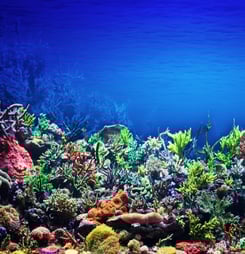
Surfable waves are not created by wind alone; they require just the right underwater topography.
Ocean swells generated hundreds or thousands of miles away only transform into clean, rideable waves when they encounter seabeds with gradual slopes, reefs, or sandbars that cause the wave to steepen and break in a predictable way.
Small differences in bottom shape can turn the same swell into world-class surf at one beach and unsurfable closeouts a short distance away.
The Global Surf Economy Is Worth Tens of Billions of Dollars
Modern surfing has grown into a sizable global industry that reaches far beyond the beach.
A 2017 study commissioned by the Australian government estimated that surfing contributed around AU$2.7 billion per year to the Australian economy alone through tourism, retail, and associated services, while broader international analyses place the worldwide surf industry in the tens of billions of U.S. dollars annually, driven by equipment, apparel, travel, and events.
Women Held Prominent Roles in Traditional Hawaiian Surfing
Contrary to modern stereotypes that long cast surfing as male-dominated, early European observers in Hawaii documented women surfing alongside men and sometimes outshining them.
High-ranking women took part in competitive surfing and wagered on their performances, and skill in the waves could enhance a woman’s status and attractiveness in traditional Hawaiian society.
Duke Kahanamoku Helped Turn a Local Practice into a Global Sport
Native Hawaiian Olympic swimmer Duke Paoa Kahanamoku is widely credited with carrying surfing beyond its island home.
Beginning in the 1910s, he gave surfing demonstrations in places like Southern California and Sydney’s Freshwater Beach, astonishing spectators with board riding that few outside Hawaii had ever seen.
His charisma and athletic success helped transform surfing from a largely Hawaiian cultural practice into an international pastime.
Surfing Communities Often Lead Local Coastal Protection Efforts
In many coastal regions, surfers have become de facto “sentinels” for the shoreline, noticing changes in water quality, erosion, and marine life before the general public.
Research on surf-break protection shows that local surf communities have successfully campaigned for marine reserves, sewage-treatment upgrades, and legal protection of surf breaks, linking their intimate knowledge of waves with broader coastal management and conservation policies.