Thomas Crapper Day
Revolutionizing plumbing, an innovator's legacy transformed the way we handle necessities, leaving an enduring mark on sanitation.
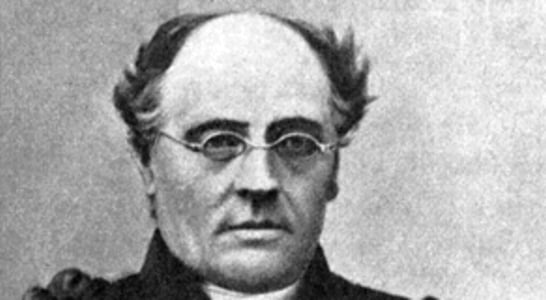
Thomas Crapper Day is dedicated to the legendary plumber whose name is now synonymous with what’s arguably one of the most essential inventions in human history: the toilet.
You might also affectionately call it the loo, porcelain throne, potty, or the can.
Whatever you call your toilet, Thomas Crapper Day honors the legacy of the English businessman and plumber who brought the modern flush toilet into our homes.
Without his innovations, we might still be headed out of doors to the outhouse every time nature calls.
Thomas Crapper Day Timeline
1 May 1870
Thomas Crapper’s Showroom Opens
Thomas Crapper opened the world’s first bathroom showroom in London, providing an unprecedented opportunity for homeowners to view and select sanitary appliances.
This initiative helped popularize indoor plumbing among the Victorian populace.
1880
Patents Filed for Plumbing Innovations
Between 1880 and 1886, Thomas Crapper filed several patents for plumbing improvements, including one for the floating ballcock, which enhanced water control in flush toilets.
These contributions helped improve the efficiency and reliability of bathroom fixtures.
1887
Royal Recognition and Contracts
Crapper & Co received royal warrants and supplied plumbing for Sandringham House, showcasing the high quality and reliability of his bathroom fixtures and solidifying his reputation as a leading figure in sanitary engineering.
1596
Invention of the First Flush Toilet
Sir John Harington, a godson of Queen Elizabeth I, invented the first flush toilet with a cistern and a working valve. This invention laid the groundwork for future advancements in sanitary technology.
1775
The S-Trap Patent by Alexander Cumming
Scottish watchmaker Alexander Cumming was granted a patent for the S-trap, an integral component in plumbing systems that uses water to seal drains and prevent odors from escaping.
This innovation is foundational to modern plumbing.
How to Celebrate Thomas Crapper Day
Celebrating Thomas Crapper Day can be both educational and fun. Here are some ways to honor this day:
Learn About Sanitation History
The history of sanitation shows an interesting pathway from ancient innovations to modern conveniences. The evolution of toilets reflects human ingenuity and the ever-present need for cleanliness to have better health.
Looking into this history, one will see the various stages of development, from the chamber pots of medieval Europe to the first flushing toilet invented by Sir John Harington in the Elizabethan Era.
Thomas Crapper’s contributions in the 19th century were leveled up, transforming these early models into the more efficient and hygienic commodes we use today.
Understanding this progress reveals both the importance of sanitation in human history and its impact on public health.
Visit Historical Toilets
The legacy of Thomas Crapper is still visible in London today. It takes the form of manhole covers and historical toilets throughout the city that bear his company’s name.
These relics are not mere relics of an earlier time – they are, indeed, symbols of a sanitary revolution. Visiting these sites offers a unique perspective on how far toilet technology has come.
The Crapper & Co. manhole covers remain scattered around London. They can help understand the extent of Crapper’s widespread influence in the city’s sanitation infrastructure.
Finally, some of his original toilets still exist inside historical buildings and museums, providing a tangible link to the past. Exploring these historical sites is a bit like a time capsule that offers a peek back into the Victorian era’s approach to sanitation and the ingenuity of Thomas Crapper.
Appreciate Modern Sanitation
Take a moment on Thomas Crapper Day to appreciate the modern toilet, a marvel of engineering and design that significantly improves our daily lives.
Today’s toilets are functional and water-efficient, thanks to advancements like dual-flush systems and low-flow designs.
The convenience and hygiene of modern toilets are something past generations could hardly have imagined.
They also play a key role in preventing the spread of diseases and maintaining public health. Reflecting on the luxury of having a clean and private bathroom space highlights the importance of ongoing efforts to improve sanitation worldwide.
It is sobering to imagine. but the world still has regions where such facilities are still a luxury.
Educational Activities for Kids
Thomas Crapper Day is an excellent opportunity to engage children in learning about hygiene and sanitation.
Parents and educators can organize activities that teach the importance of proper toilet use and handwashing. Interactive games, storytelling sessions about the history of toilets, and simple science experiments demonstrating how flushing works can make learning fun and memorable.
This day can also discuss the global challenges of sanitation and the importance of clean water, fostering a sense of global awareness and empathy in young minds.
Share Fun Facts
Sharing intriguing facts about toilets and sanitation is a great way to celebrate Thomas Crapper Day. Did you know that the average person spends about three months of their lifetime sitting on a toilet? Or was the first toilet paper used in China as early as the 6th century?
These fun tidbits can be shared with friends, family, or on social media to spark conversations about the often-overlooked importance of toilets in our lives.
Social Media Engagement
Utilize the power of social media to spread awareness about Thomas Crapper Day. Share posts, infographics, and fun facts using the hashtag #ThomasCrapperDay.
You can also participate in online discussions or quizzes about sanitation history, Thomas Crapper’s inventions, and modern toilet technology. Engaging in this digital celebration helps raise awareness about the importance of proper sanitation and honors the legacy of Thomas Crapper.
Host a Thomas Crapper Party
Celebrate Thomas Crapper Day with humor by hosting a themed party. Decorate with toilet-shaped cookies, cakes, and games centered around plumbing and sanitation.
This light-hearted approach can be fun to educate guests about the history of toilets and the significance of Thomas Crapper’s contributions.
Create a DIY Sanitation Project
Get hands-on by creating a simple DIY sanitation project, like building a toilet model or designing a water-saving device.
This activity is particularly engaging for those who love tinkering and can be a worthwhile STEM experience for children and adults alike. It is also a very practical way to appreciate the mechanics of toilets and the importance of water conservation.
History of Thomas Crapper Day
The idea of sanitation of human waste is perhaps an unpleasant topic. But it’s one that’s necessary for understanding Thomas Crapper’s innovations.
From the early sewers of Mesopotamia (a region within modern-day Iraq). to the sophisticated early sanitation systems of the Indus Valley Civilization of southern Asia, the need for hygienic waste goes back over 2,000 years.
The Greeks and Romans added a chapter to the story with latrines and chamber pots. Still, it wasn’t until the 19th century that more modern advancements in toilet technology were made.
Enter an entrepreneur called Thomas Crapper. The enterprising plumber and businessman in Victorian England established The Crapper & Co. showroom in London. In the 1880s, he showcased his patented sanitary appliances.
Despite a popular misconception, Crapper did not invent the first water closet. Rather, he was instrumental in refining and promoting the idea of indoor sanitary spaces. His improvements, such as the floating ballcock, enhanced the toilet’s sanitation and plumbing efficiency.
Crapper’s efforts in the late 19th century led to the widespread use of the flush toilet, which forever changed public health and sanitation for the better.
His name became so closely connected to bathrooms that the term “crapper” entered colloquial use, especially among the ranks of American soldiers fighting in Europe during World War I.
Thomas Crapper Day, observed annually on January 27th, the anniversary of his death, serves as a reminder of his contributions to modern sanitation. It’s a day to appreciate the luxury of having a clean and functional toilet, which has undoubtedly improved the quality of life for billions worldwide.
Facts About Thomas Crapper Day
The Birth of the Bathroom Showroom
Thomas Crapper pioneered the concept of the bathroom showroom, a space where customers could see and test various sanitary fixtures, crucial in making indoor plumbing a mainstream commodity during the Victorian era.
His showroom in Chelsea, London, showcased the household potential of flush toilets and sanitary fittings, simplifying public perception of sanitation needs.
The U-bend Revolution
In 1880, Thomas Crapper improved the S-bend plumbing trap by developing the U-bend, a design that was more effective at preventing sewer gases from entering buildings. This innovation had a lasting impact on plumbing practices, enhancing safety and efficiency.
Popularizing the Flush Toilet
Although Thomas Crapper did not invent the flush toilet, his company’s marketing and quality developments, such as the floating ballcock, helped popularize it.
Flush toilets gained widespread appeal in Victorian England partially due to the innovations and commercials Crapper championed.
The Royal Connection
Thomas Crapper’s reputation for excellence led to commissions for major British institutions, including supplying plumbing for Sandringham House and Windsor Castle. These prestigious collaborations helped cement his company’s status in the industry.
Victorian Sanitary Crusader
The improvements in plumbing systems promoted by Thomas Crapper are considered significant contributions to public health by reducing disease spread.
His work was part of a broader Victorian push towards improving urban sanitation and living conditions.
Thomas Crapper Day FAQs
Did Thomas Crapper really invent the flush toilet?
No, Thomas Crapper didn’t invent the flush toilet; Sir John Harington, a godson of Queen Elizabeth I, developed an early version in 1596.
Crapper, however, patented several plumbing innovations, including the ballcock (a valve in modern toilets).
His association with toilets became widespread because his name appeared on many bathroom fixtures, but he mainly popularized sanitary systems.
Is it true that “crap” comes from Thomas Crapper’s name?
Despite popular belief, the term “crap” wasn’t inspired by Thomas Crapper.
The word “crap” traces back to Middle English, with roots in the Dutch “krappen,” meaning “to cut off” or “to separate.”
It existed long before Crapper’s plumbing fame. However, his name coincidentally made it easy to connect him with bathroom-related slang.
How do people celebrate Thomas Crapper Day outside of the UK?
In Japan, where toilets are high-tech and celebrated for innovation, some enthusiasts mark Thomas Crapper Day by visiting bathroom-themed exhibitions or Tokyo’s TOTO Museum.
The museum showcases Japanese toilet advancements and even has a talking toilet exhibit. This day inspires appreciation for bathroom history and tech worldwide.
Are there any unusual toilet-related museums people can visit?
Yes! Besides the TOTO Museum in Japan, visitors can check out the Sulabh International Museum of Toilets in New Delhi, India.
The museum displays a global history of sanitation, with artifacts from ancient Roman chamber pots to European “thrones” used by kings.
Thomas Crapper Day often attracts toilet-history fans to such unique museums.
What was the public’s reaction to flush toilets in Victorian England?
When flush toilets first appeared in Victorian England, reactions were mixed.
Many Victorians viewed the idea of indoor plumbing as unhygienic, fearing sewer gases might enter homes.
However, advocates like Crapper promoted their benefits, eventually convincing people that flush toilets were safer and more sanitary.
What are some fun myths about toilets people believe today?
One amusing myth is that toilets flush counterclockwise in the Southern Hemisphere due to the Coriolis effect.
This isn’t true; toilets flush based on their design, not geography. Some use Thomas Crapper Day to debunk such myths and share quirky bathroom facts.
Are there any toilet-themed festivals around the world?
Yes! In South Korea, the city of Suwon hosts the Haewoojae Festival, celebrating its “Mr. Toilet House,” a museum shaped like a toilet bowl.
The festival includes bathroom art exhibits, sanitation awareness campaigns, and workshops. It aligns with Thomas Crapper Day’s spirit by promoting sanitation in a fun, educational way.
How did public restrooms become popular in Europe?
Public restrooms, or “comfort stations,” became popular in Victorian London to address sanitation issues in crowded cities.
London opened its first public toilet in 1852 at Fleet Street. Inspired by pioneers like Crapper, these restrooms soon spread, providing safer facilities for urban populations.
Why do some people believe toilets spin in opposite directions around the world?
This myth arises from misunderstandings about the Coriolis effect, which impacts large weather systems, not small flows like toilet water. Many enthusiasts use Thomas Crapper Day to explore fun science myths like this one, clearing up misconceptions.
How did toilet humor become part of pop culture?
Toilet humor traces back to ancient times. The Romans had graffiti in public latrines, joking about everyday bathroom experiences.
This humor stayed relevant, reflecting society’s lighthearted approach to a basic human need. Today, Thomas Crapper Day celebrates this legacy, making bathroom humor both amusing and culturally historic.
Also on ...
View all holidays
National Chocolate Cake Day
Indulge in this delectable cocoa-based dessert, make the original pioneering recipe or put a modern twist on this classic by adding flavors like matcha.

National Geographic Day
Explore the world without leaving your couch! Stunning photos, captivating stories, and amazing discoveries await you in this iconic publication.


National Plan for Vacation Day
Established in 2017 by the U.S. Travel Association, National Plan for Vacation Day acts as an annual reminder that people have vacation days to use – and they should be using them!
We think you may also like...

Martin Luther King Jr. Day
A champion for justice, he led with unwavering determination, inspiring change and fostering unity, leaving an indelible mark on history.


International Marconi Day
This 24-hour amateur radio event honors the legacy of Italian radio pioneer Guglielmo Marconi, for whom its named. Join the network to get involved!