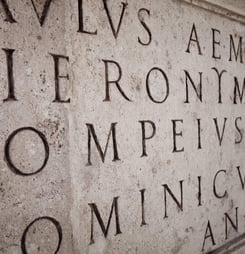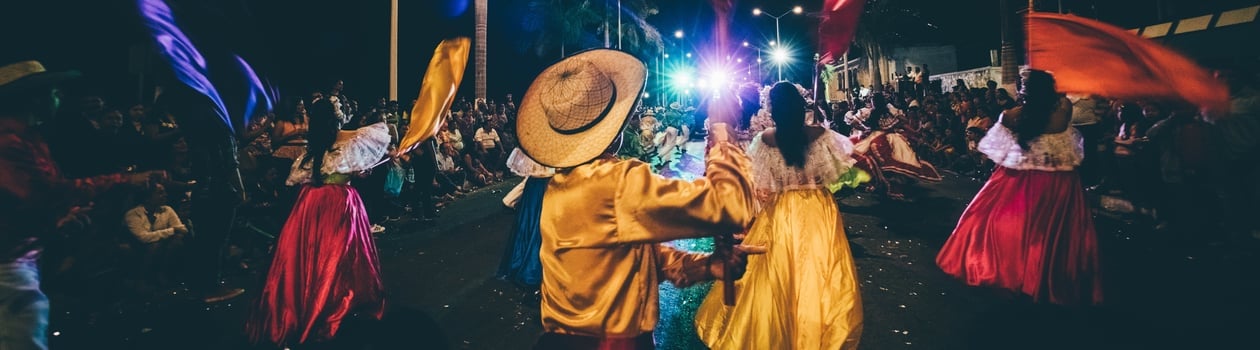
Embrace the beauty of a world that is diverse and varied, filled with unique art, music, foods, dances and so many other customs and practices!
Universal Day of Culture is here to celebrate the protection and preservation of culture and heritage through art and artifacts.
Universal Day of Culture Timeline
Roerich Pact Signed in Washington, D.C.
Twenty-one nations of the Pan-American Union sign the Roerich Pact, the first international treaty focused on protecting artistic and scientific institutions and historic monuments during war.
Hague Convention on Cultural Property Adopted
UNESCO members adopt the 1954 Hague Convention, creating a comprehensive international framework to safeguard cultural property in the event of armed conflict.
UNESCO World Heritage Convention Established
The UNESCO General Conference approves the World Heritage Convention, introducing the idea of “world heritage” and a global list of cultural and natural sites of outstanding universal value.
Nara Document on Authenticity Emphasizes Cultural Diversity
At a conference in Nara, Japan, experts adopt the Nara Document on Authenticity, broadening conservation principles to respect diverse cultural expressions and traditions.
UNESCO Universal Declaration on Cultural Diversity
UNESCO adopts the Universal Declaration on Cultural Diversity, recognizing cultural diversity as a “common heritage of humanity” and linking culture with human rights and development.
Convention for the Safeguarding of Intangible Cultural Heritage
UNESCO member states adopt a convention to protect living traditions such as oral expressions, performing arts, rituals, and craftsmanship, highlighting culture beyond monuments and objects.
Convention on the Protection and Promotion of the Diversity of Cultural Expressions
UNESCO’s 2005 convention strengthens international commitment to protect diverse cultural expressions and to support cultural exchange on a basis of mutual respect.
How to Celebrate Universal Day of Culture
Looking for ideas to enjoy Universal Day of Culture? Here are a few to begin with:
Enjoy a Cultural Experience
An excellent way to get involved in this event might be to spend some time learning about or experiencing the people, art, and artifacts from a culture that is not your own.
Head into a city that has a large population from another part of the world, with ethnic enclaves such as Chinatown in San Francisco, Little Italy in New York City, Little Ethiopia in Washington DC, Little Mogadishu in Minneapolis, and much more.
Enter as a learner and soak up some of the unique foods, music, art, and other sights or sounds that can be experienced in celebration of the Universal Day of Culture.
Celebrate Culture with Children
Parents, grandparents, teachers, and others with influence in the lives of children can broaden their horizons through lessons and activities that are inclusive to other cultures.
Universal Day of Culture offers a perfect opportunity to open conversations with children about the differences they see in people in the world, encouraging them to explore with curiosity and a welcoming disposition, rather than from a judgmental attitude.
Document Your Own Culture
Sometimes people aren’t aware of the uniqueness of their own cultures because it’s all they know. In honor of the Universal Day of Culture, it might be interesting to take on the role of a journalist or outsider.
Do some investigation, take some photographs, interview key players and more. Consider this project one that will help to protect your particular culture, and perhaps make it available online to promote the day.
History of Universal Day of Culture
The Universal Day of Culture has a background that can be followed back nine decades to its founding in 1935.
The proposal came from Russian artist and author Nicholas Roerich, but the idea and practices soon spread throughout the world. The United States first got on board when it ratified the agreement for the day on April 15, 1935.
Also referred to as the World Day of Culture, the motivation behind the event was to actively promote the protection of universal and international culture through preserving artifacts, works of art, and more.
Part of the establishment of this day includes the Banner of Peace, which is a symbol that includes a red circle with three dots inside, set on a white background
In 2008, the International Movement for the Universal Day of Culture brought a revival to the purpose of preserving cultural heritage around the world.
Dozens of non-profit organizations from at least 14 countries, along with at least 25,000 individuals, have been involved in this movement. Lithuania, Brazil, Canada, Italy, and many other countries from around the globe continue to support this important day.
Facts About Universal Day of Culture
Roerich Pact Helped Pioneer Legal Protection of Culture in War
In 1935, the Roerich Pact became one of the first international treaties devoted specifically to the protection of cultural heritage during armed conflict, obligating signatory states in the Americas to respect and safeguard museums, universities, and cultural monuments as they would hospitals.
This framework anticipated later global instruments on cultural property protection and introduced the idea that cultural treasures deserve special legal status regardless of who controls the territory in wartime.
The 1954 Hague Convention Was the First Global Treaty on Cultural Property in War
After the devastation of World War II, the 1954 Hague Convention for the Protection of Cultural Property in the Event of Armed Conflict became the first comprehensive international agreement focused on safeguarding cultural property worldwide, both in international and internal conflicts.
It established obligations to prevent theft and vandalism, mark protected sites, and create peacetime inventories, and it remains the cornerstone of modern cultural-heritage law, supplemented by later protocols to address looting and occupation.
UNESCO World Heritage List Is Dominated by Cultural Sites
As of 2024, the UNESCO World Heritage List includes more than 1,150 properties across over 165 countries, and roughly three-quarters of them are classified as cultural rather than natural or mixed sites.
These range from historic city centers and archaeological ruins to industrial landscapes and sacred spaces, reflecting the breadth of what is now considered “cultural heritage” at a global scale.
Intangible Cultural Heritage Recognizes Living Traditions, Not Just Monuments
UNESCO’s 2003 Convention on the Safeguarding of the Intangible Cultural Heritage shifted global attention from monuments and museum objects to living practices such as rituals, performing arts, craftsmanship, and oral traditions.
By 2023, the Representative List of the Intangible Cultural Heritage of Humanity had grown to more than 500 elements from over 130 countries, underlining how songs, dances, and traditional knowledge are now treated as vital parts of humanity’s shared cultural legacy.
Half of the World’s Languages May Disappear This Century
Linguists estimate that of the roughly 7,000 languages spoken worldwide today, at least 40 to 50 percent are endangered and could fall silent by 2100 if current trends continue.
Language loss is often tied to migration, globalization, and discrimination against minority groups, and when a language vanishes, it can take with it unique oral literature, ecological knowledge, and cultural identity that are difficult or impossible to reconstruct.
Cultural and Creative Industries Are a Major Economic Force
Far from being a purely symbolic asset, culture has significant economic weight: a joint UNESCO–EY study estimated that cultural and creative industries generate around 3 percent of global GDP and employ nearly 30 million people worldwide.
Sectors such as film, music, publishing, fashion, and video games show that cultural expression is intertwined with jobs, innovation, and urban development.
Looting and Illicit Trafficking Are Among the Biggest Threats to Artifacts
International organizations report that illicit trafficking in cultural property is a multibillion-dollar black market, fueled by looting of archaeological sites, theft from museums, and illegal exports during political instability and conflict.
UNESCO’s 1970 Convention and later initiatives encourage states to regulate trade, return stolen objects, and maintain export certificates, recognizing that once artifacts are removed from their context, the historical record and community connections to the past can be permanently damaged.