

For anyone who feels the urge to do something worthwhile, or an itch to give back to the community, but cannot quite seem to carve out a big block of time, International Microvolunteering Day offers an inviting alternative. It shines a light on small, practical actions that still add up to real-world good, even when life is busy and attention spans are short.
Microvolunteering is about finishing something helpful in a short window of time. It can be done online or in person, alone or alongside others, and often without the kind of long onboarding that traditional volunteering requires. The day encourages people to treat service as something that can fit into everyday life, not something that must wait for a free weekend or a major life change.
International Microvolunteering Day Timeline
Launch of UNV’s Online Volunteering service
The United Nations Volunteers program formally launches its Online Volunteering service, allowing individuals to support organizations remotely in small, discrete assignments that anticipate later “microvolunteering” models.
Release of Amazon Mechanical Turk
Amazon introduces Mechanical Turk, a web platform for breaking work into thousands of tiny tasks completed by distributed workers, helping popularize the idea of microtasks that later shape online microvolunteering and crowdsourced help for nonprofits.
Founding of The Extraordinaries (later Sparked)
Entrepreneurs in San Francisco begin developing The Extraordinaries, a mobile app and platform aimed at turning spare moments into short, skill-based volunteering tasks for nonprofits, one of the earliest explicit microvolunteering services.
Galaxy Zoo launches citizen science micro‑tasks
Astronomers and volunteers create Galaxy Zoo, inviting the public to classify galaxies in tiny, repeatable tasks, demonstrating how large scientific projects can be powered by many people each contributing a few minutes.
Rise of crowdsourcing as a named practice
Jeff Howe’s book “Crowdsourcing: Why the Power of the Crowd Is Driving the Future of Business” helps codify the idea of distributing many small tasks to large groups, reinforcing the intellectual framework that microvolunteering later adopts for social good.
UNV publishes global study of online volunteering
United Nations Volunteers releases the “State of the World’s Volunteerism Report” and related research highlighting how online volunteers contribute through short, flexible assignments, giving international recognition to bite-sized digital service.
Zooniverse platform expands volunteer micro‑tasks
The Zooniverse citizen science platform is rebuilt to host dozens of projects using simple, minutes-long online tasks, showing how structured micro‑contributions at scale can advance research in astronomy, ecology, and the humanities.
History of International Microvolunteering Day
Microvolunteering is built around a simple idea: helpful service does not always have to be formal, lengthy, or complicated to matter. Instead of committing to a weekly shift or a months-long project, a person can tackle bite-sized tasks that fit into spare moments.
That might mean five minutes between meetings, a quick task while waiting for dinner to cook, or half an hour on a quiet evening. The appeal is obvious: it lowers the barrier to entry and makes volunteering feel doable rather than daunting.
As a concept, microvolunteering gained traction alongside a broader shift in how people used the internet and mobile devices. As more of daily life moved onto phones and laptops, nonprofits and community groups began experimenting with ways to break work into smaller pieces.
Supporters also started asking for flexible options, especially those balancing multiple jobs, caregiving, school, or health limitations. In that environment, short, clearly defined tasks became a practical way to invite more people into service without demanding a long-term schedule.
The idea is not that microvolunteering replaces traditional volunteering. Rather, it complements it. Many organizations still need reliable, ongoing help, but they also have plenty of small tasks that are essential and easy to postpone. When those tasks are packaged well, they become approachable entry points for new volunteers and useful extra support for staff.
What makes microvolunteering different from simply “helping out” is that it is often structured to be frictionless. Tasks are typically designed to be completed quickly, require minimal training, and produce a clearly useful result.
Many microvolunteering opportunities are also remote-friendly, which helps people participate regardless of mobility, schedule, or proximity to a volunteer site. That said, microvolunteering is not limited to screens and keyboards. Small, local actions can count too, as long as they are easy to start, easy to finish, and connected to a real need.
Over time, microvolunteering has grown into a global mindset for active citizenship. It supports the notion that meaningful contributions can be woven into everyday life instead of being reserved for special occasions.
It also helps organizations that need ongoing support but may struggle to recruit long-term volunteers. When tasks are broken into manageable pieces, more people can participate, and a wider range of skills becomes useful.
International Microvolunteering Day emerged as a focused moment to spotlight this approach and encourage people to try it. It has been promoted by groups that advocate for flexible volunteering, with an emphasis on removing common barriers such as travel time, complicated applications, or the feeling that a person must have special expertise to contribute.
The day’s message is straightforward: small actions, completed consistently, can create measurable benefits for real people and real projects.
The impact of microvolunteering is easiest to see when considering scale. One person spending ten minutes on a task might not feel world-changing. Thousands of people doing the same task, however, can create usable data sets, improve accessibility, support community responses, enrich educational resources, or lighten the administrative load on understaffed nonprofits.
Microvolunteering also tends to create a gateway effect. People who start with a small action may later pursue deeper involvement, donate, advocate, or volunteer in more traditional ways once they have found a cause that resonates.
International Microvolunteering Day, at its core, celebrates that “small” and “meaningful” can coexist. It invites people to stop waiting for the perfect time and instead use the time they already have.
How to Celebrate National Microvolunteering Day
Microvolunteering Day offers a simple opportunity to support a cause in a way that fits everyday life. It can happen from a couch, a desk, a kitchen table, or anywhere with a bit of focus. The key is to choose tasks that are useful, clearly defined, and realistic for the time and energy available.
Microvolunteering works best when it respects personal limits. It is not about overloading a schedule or turning volunteering into a guilt-driven rush. It is about building a sustainable habit of helping. Even one finished task can create a sense of progress, especially for those who have wanted to volunteer but did not know where to begin.
Try some of these ideas to get started with celebrating International Microvolunteering Day:
Find Ways to Microvolunteer
A helpful first step is to decide which causes matter most. Some people care about education, others about public health, animals, the environment, accessibility, disaster response, arts and culture, or community support. Microvolunteering exists across all these areas, and focusing on one or two can make it easier to choose tasks and stay motivated.
Then, match opportunities to the type of effort that feels right:
- Quick, repetitive tasks for those who enjoy simple wins, such as sorting data, labeling images, or proofreading short pieces of text.
- Skill-based tasks for those who want to use their expertise, such as designing a flyer, translating a short passage, or writing a brief social media post.
- People-centered tasks for those who value connection, such as writing kind notes to someone who feels isolated or sending supportive messages through organized programs.
- Local micro-actions for those who prefer offline help, such as checking on a neighbor, preparing small care packages, or tidying a shared space with permission.
Many microvolunteering tasks can be done online, which makes them easier to fit into a busy day. Examples include:
- Accessibility support, like adding alt text to images, checking captions, or testing whether instructions are easy to follow.
- Language support, such as translating short materials so services can reach more people.
- Research and data organization, where volunteers help sort, verify, or format information so teams can focus on delivering services.
- Citizen-powered projects, such as transcribing short texts, classifying images, or tagging resources for easier access.
It is also useful to choose opportunities with clear instructions and a defined endpoint. A strong microvolunteering task should answer:
- What exactly needs to be done?
- How long will it take?
- What does “finished” look like?
- Where should the result be submitted?
When tasks are clearly designed, volunteers are more likely to complete them, and organizations are more likely to benefit. That balance creates the most value.
For those who prefer in-person volunteering, small actions can still have impact when they are organized properly. Reaching out to a local organization to ask what short tasks are helpful can be a good start. Often, the most valuable work is simple: organizing supplies, packing materials, making reminder calls, or helping with a short, defined role.
Recruit Microvolunteers
For nonprofit leaders, community organizers, or anyone coordinating volunteers, International Microvolunteering Day is a chance to think like a designer. The aim is to turn real needs into small, manageable tasks that people can complete quickly and correctly.
A strong microvolunteering task is more than a general request. It is a clearly defined assignment. That means:
- Keep it short. Around 30 minutes or less is ideal, and shorter can be even better.
- Minimize training. Use tasks based on common skills or provide simple templates.
- Show the impact. Explain how the task helps, even briefly.
- Give clear instructions and examples. If volunteers have to guess, the task is too unclear.
- Make submission easy. Use a simple form, email, or upload system that is easy to follow.
- Plan for quality checks. Add quick review steps or have more than one person complete the same task when accuracy matters.
Recruiting microvolunteers also means meeting people where they are. Some prefer tasks they can do on a phone. Others want to apply professional skills. Some value anonymity, while others enjoy recognition. Offering different types of tasks increases participation and reduces bottlenecks.
Organizations can also create “microvolunteering bundles” for those who want a bit more structure. Instead of one task, offer three to five small tasks that can be done independently. This keeps the commitment manageable while giving a stronger sense of progress.
Another effective approach is to maintain a running list of small tasks that always need attention. Many organizations have ongoing work that is easy to delay: updating resources, checking outdated information, writing short summaries, organizing files, or improving instructions. Turning these into microvolunteering options can gradually improve operations without overloading staff.
Finally, strong recruitment includes simple feedback. A short thank-you message, a note on how the work will be used, or a quick update can turn a one-time volunteer into a returning one. Microvolunteering may be small, but relationships still matter.
Support Remote Volunteering in a Realistic Way
Some people prefer microvolunteering that connects with larger, global efforts, especially if they have skills in design, writing, research, or translation. Remote volunteering can be a great fit, but it works best when expectations are clear.
To keep it truly “micro,” look for tasks that are:
- Deliverable-based, such as writing a short paragraph, creating one graphic, or proofreading a single page
- Clearly limited, with a defined word count, format, or checklist
- Time-bound, so the task can be completed without affecting the rest of the week
It is also important to be cautious of tasks that seem simple but may involve hidden complexity. Anything related to sensitive data, legal issues, medical advice, or crisis communication should include strong safeguards and proper oversight. If not, it is better to choose a different task.
For volunteers who enjoy using their skills, structured remote tasks can be very satisfying because they turn ability into a clear result. For beginners, well-defined tasks remove uncertainty. The volunteer knows what to do, and the organization receives something useful.
Whether volunteering locally, online, or through structured programs, International Microvolunteering Day highlights a simple idea: small actions matter. A completed task, no matter how small, is often more valuable than a large plan that never begins.
Small Actions, Big Impact: The Power of Microvolunteering
Microvolunteering may feel like a modern trend, but it is rooted in a long history of flexible, small-scale acts of service.
From one-time campaigns to quick digital tasks, these short contributions have evolved into accessible opportunities that allow people to help from anywhere.
Today, microvolunteering opens doors for those who may have been excluded from traditional volunteering, proving that even the smallest actions can create meaningful global impact.
Microvolunteering Builds on a Long Tradition of Flexible Service
Although the word “microvolunteering” is relatively new, researchers note that the idea of very short, low-commitment acts of service has roots in ad‑hoc and episodic volunteering going back decades, such as one-off fundraising events, letter-writing campaigns, and phone trees.
The modern version crystallized as internet access spread, making it technically simple to break tasks into minutes-long contributions that individuals can complete on their own schedule.
Digital Microvolunteering Opens Doors for People Previously Excluded from Volunteering
Studies of online and microvolunteering show that the ability to contribute from home, in short bursts, particularly benefits people with disabilities, caregiving responsibilities, or irregular work hours, who often find traditional volunteering schedules impractical.
Research on online volunteering for people with disabilities finds that digital tasks can help them build skills, social networks, and confidence while bypassing accessibility barriers in physical spaces.
Studies of online and microvolunteering show that the ability to contribute from home, in short bursts, particularly benefits people with disabilities, caregiving responsibilities, or irregular work hours, who often find traditional volunteering schedules impractical. Research on online volunteering for people with disabilities finds that digital tasks can help them build skills, social networks, and confidence while bypassing accessibility barriers in physical spaces.
The United Nations Volunteers (UNV) program reports that tens of thousands of people from nearly every country participate in its Online Volunteering service each year, contributing skills such as translation, web design, and research to civil society organizations and UN partners.
These assignments are often structured as discrete, time-bound tasks that can be completed remotely, demonstrating how micro-level digital contributions can support large-scale development and humanitarian efforts.
Citizen Science Relies Heavily on Microvolunteering-style Contributions
Large citizen science projects like Galaxy Zoo and Zooniverse depend on volunteers who spend a few spare minutes at a time classifying images of galaxies, wildlife, or medical scans.
By breaking complex datasets into tiny tasks that non-experts can complete online, these platforms have generated millions of classifications that astronomers and other researchers use to make discoveries, publish papers, and train machine learning models.
Digital Humanitarians Use “Microtasks” to Aid Crisis Response
In disaster situations, volunteer “digital humanitarians” often perform microtasks such as tagging social media posts, tracing roads and buildings on satellite images, or translating SMS messages into a common language.
Organizations like the Humanitarian OpenStreetMap Team and the Standby Task Force use these small contributions to create up-to-date crisis maps and information feeds that humanitarian agencies and local responders rely on during emergencies.
Nonprofits Use Microvolunteering to Test and Grow New Supporter Relationships
Research on nonprofit engagement strategies finds that low-commitment, task-based volunteering opportunities are often used as an entry point for new supporters who are hesitant to make long-term commitments.
By offering microvolunteering tasks that can be completed in under an hour, organizations can let people “try out” volunteering, then invite those who are a good fit into deeper roles such as ongoing mentoring, governance, or fundraising.
Short, Online Volunteering Can Still Produce Measurable Skill Gains
Contrary to the idea that only long-term placements build capacity, studies of online and episodic volunteers show that even brief, project-based contributions can help people develop practical skills such as digital literacy, teamwork in virtual settings, and cross-cultural communication.
Evaluations of virtual exchange and online collaboration projects find that participants often report increased confidence and employable skills after completing just a few focused online tasks for a cause.
International Microvolunteering Day FAQs



You may also like

Teach Your Daughter to Volunteer Day
Teach Your Daughter to Volunteer Day encourages families to invite girls into real-world kindness, not as a one-time good deed, but as a skill that grows with practice. It spotlights the simple idea that service is something people learn by doing, and that kids absorb values best when they see...
- United States

National Student Volunteer Day
National Student Volunteer Day celebrates the spirit of giving back among students. This special day acknowledges the efforts of young volunteers who work hard to improve their communities. From organizing charity events to helping in local shelters, students show their dedication and make a significant difference through various activities! How to...
- Australia
- Canada
- New Zealand
- and 1 more

Single Tasking Day
Ever notice how tackling one thing at a time feels like cruising down an open road instead of gridlocked traffic?
- Canada
- International
- United Kingdom
- and 1 more

Volunteer Recognition Day
The easiest way to honor volunteers on Volunteer Recognition Day is to volunteer yourself; don’t have time? Make sure to thank a volunteer, and donate to their cause.
- Australia
- Canada
- United Kingdom
- and 1 more
National days and holidays on April 15

National Dog Bite Prevention Week
It is hard to think something as loyal as a dog could ever harm someone. But even the sweetest pup may react when afraid or stressed. National Dog Bite Prevention Week brings this truth into focus. It reminds people that bites often come from everyday situations—startling a dog, grabbing its toy...
- United States

One Boston Day
One Boston Day is about turning pain into something powerful. It started as a way for the city to come together after a terrible event, but it’s grown into much more. Now, it's a day where kindness takes the lead. People help each other not just to be nice, but...
- United States
Father Damien Day
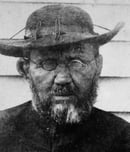
Father Damien Day honors a life that reads like a blueprint for practical compassion. It remembers a Belgian priest who stepped away from an ordinary ministry and chose to live among people affected by Hansen’s disease who had been separated from the wider community. The focus is not on grand...
- United States

Jackie Robinson Day
Every year on April 15, Major League Baseball observes Jackie Robinson Day, marking the anniversary of Jackie Robinson breaking the modern-era color barrier in Major League Baseball in 1947. It is both a baseball-wide tribute and a bigger cultural pause to remember what it costs to change an institution from...
- Canada
- United States
Seize Every Day
Join free for personalised recommendations, email reminders and exclusive guides. Never miss a day.