

One Boston Day is about turning pain into something powerful. It started as a way for the city to come together after a terrible event, but it’s grown into much more. Now, it’s a day where kindness takes the lead.
People help each other not just to be nice, but to honor strength, care, and unity. You’ll see neighbors pitching in, strangers lending a hand, and small acts that carry big meaning.
The city hums with a shared purpose—to lift each other up.
What makes this day special is the reason behind it. It’s not just about doing good things. It’s about showing that Boston refuses to be defined by tragedy. Instead, the city chooses to stand strong, with heart.
Every kind gesture, every thoughtful word, carries that deeper message: we remember, we care, and we move forward together. It’s a quiet but powerful promise that no one here is ever alone.
One Boston Day Timeline
First Boston Marathon is Run
The Boston Athletic Association stages the first Boston Marathon, inspired by the 1896 Olympic marathon, establishing what would become the world’s oldest annually run marathon.
Kathrine Switzer Challenges Barriers
Runner Kathrine Switzer officially enters and completes the Boston Marathon despite attempts by race officials to remove her from the course, helping to catalyze change in women’s distance running.
Wheelchair Division Debuts at Boston Marathon
The Boston Marathon introduces an official wheelchair division, formally recognizing athletes with disabilities and pioneering inclusion that other major road races would follow.
Boston Marathon Bombing
Two bombs detonate near the Boston Marathon finish line, killing three people and injuring hundreds, leading to an unprecedented emergency response and investigation.
First Boston Marathon Held After the Bombing
One year after the attack, the Boston Marathon is held with expanded security and increased participation from runners and spectators, widely seen as a powerful demonstration of resilience and communal healing.
How to Celebrate One Boston Day
One Boston Day is a time to spread kindness and strengthen community bonds. Here are some meaningful ways to take part:
Help Clean Up a Park
Join a local cleanup at Franklin Park or another green space. Grab gloves, fill trash bags, and make the area shine. Volunteers often gather early, bringing energy and teamwork to the task.
Give Blood to Save Lives
Participate in a blood drive organized by the Stepping Strong Center. Donations assist trauma patients at hospitals like Brigham and Women’s and Mass General. Your contribution can make a significant impact.
Support Local Artists
Purchase art from local creators or donate to artist relief funds. Your support helps sustain Boston’s vibrant arts scene. Every contribution fosters creativity and community spirit.
Thank a Veteran
Write a heartfelt note to a veteran. Expressing gratitude for their service can brighten their day. Simple gestures like this strengthen community ties.
Donate Essential Items
Contribute new socks and underwear to drives benefiting shelters like St. Francis House. These items provide comfort to those in need. Your generosity makes a tangible difference.
History of One Boston Day
One Boston Day started in 2015. Mayor Martin Walsh created it to mark the strength and spirit Boston showed after the 2013 marathon bombing. Instead of focusing on fear or sadness, the day points toward kindness, unity, and action.
It gives people a chance to do something meaningful, whether that means helping a neighbor, thanking a teacher, or joining a local event.
The goal is simple: turn pain into purpose. Instead of staying quiet, the city speaks through kind acts. On this day,the streets feel different.
There’s a stronger sense of care. People hold doors, share meals, or just pause to listen. It’s about reminding each other that even small actions can carry weight.
Every April, individuals, schools, and businesses across Boston join in. Some donate blood. Others write notes or collect food. Everyone finds their own way to give back. These gestures—big or small—build something lasting.
The idea has spread beyond Boston, too. Visitors and online groups often take part. That growing wave of kindness is part of what keeps this day powerful.
It isn’t about reliving the past. It’s about building a future grounded in care, action, and togetherness. That’s what keeps One Boston Day alive.
Facts About One Boston Day
Marathon Originated as a Tribute to a Single Legendary Run
The modern marathon distance commemorates the run of Pheidippides, a messenger in ancient Greece who is said to have run from Marathon to Athens to announce victory over the Persians before collapsing.
Although the historical accuracy of the exact story is debated, this legend inspired the inclusion of the marathon in the first modern Olympic Games in 1896, and Boston soon followed by establishing what became the world’s oldest annual marathon.
Urban Communities Often Show “Post-Traumatic Growth” After Disasters
Psychologists have documented that communities struck by terrorist attacks or mass violence often experience not only distress but also “post-traumatic growth,” including stronger social ties, greater civic engagement, and increased helping behavior.
Studies of New Yorkers after the September 11 attacks, for example, found higher levels of altruism and community participation among those who reported meaning-making and collective coping.
Acts of Kindness Can Spread Contagiously Through Social Networks
Experimental research has shown that when people receive an act of kindness, they are more likely to “pay it forward,” creating chains of prosocial behavior.
In one study, cooperative behavior in a public-goods game spread up to three degrees of separation, meaning that a single generous act could influence not just the recipient, but the recipient’s friends and their friends as well.
Collective Mourning in Cities Often Leads to New Public Rituals
Sociologists studying responses to tragedies such as the Oklahoma City bombing and the September 11 attacks have found that urban communities frequently create new rituals, memorial runs, vigils, and days of service as a way to process grief and reinforce shared identity.
These rituals can become long-term civic traditions that reshape how cities remember and move forward after violence.
Boston Has a Long Tradition of Grassroots Civic Action
Boston’s history includes a strong culture of citizen-led action, from the Boston Tea Party in 1773 to 19th-century abolitionist organizing centered on Beacon Hill.
This tradition of public protest, mutual aid societies, and neighborhood associations helped shape the city’s identity as a place where residents respond collectively to moral and social challenges.
Volunteering Rates in Greater Boston Exceed National Averages
Data from the Corporation for National and Community Service show that the Boston metropolitan area consistently ranks above the U.S. average for formal volunteering, with residents contributing tens of millions of volunteer hours annually.
High participation in service projects, neighborhood cleanups, and nonprofit work reflects a strong regional norm of civic responsibility.
Homelessness in Boston Is Driven Largely by High Housing Costs
Research by the City of Boston and the Boston Foundation has shown that the region’s high rents and shortage of affordable housing are major drivers of homelessness, even as the city maintains one of the country’s highest shelter utilization rates.
Family homelessness in particular has been closely tied to income inequality and the gap between wages and housing costs in Greater Boston.
One Boston Day FAQs



You may also like

National Boston Cream Pie Day
A delightful dessert with layers of sponge cake, velvety cream, and a luscious glaze, it's a sweet symphony of flavors and textures.
- Canada
- United Kingdom
- United States

PTSD Awareness Day
PTSD Awareness Day highlights the impact of trauma, encourages open conversations, and promotes understanding, support, and access to help for those affected.
- United States

Brain Injury Awareness Day
Brain Injury Awareness Day is a significant observance dedicated to boosting understanding of brain injuries and the many ways they can change a person’s life. It encourages people to look beyond the obvious because brain injury is often an invisible disability, and its effects can show up in memory, mood...
- Australia
- Canada
- United Kingdom
- and 1 more

OK Day
OK Day celebrates the small yet powerful word "OK," which has become a universal expression of agreement and understanding. This simple term crosses language barriers, finding a place in conversations worldwide. Its versatility allows it to function as a noun, verb, adjective, adverb, or interjection, making it a unique and...
- United States
National days and holidays on April 15

National Dog Bite Prevention Week
It is hard to think something as loyal as a dog could ever harm someone. But even the sweetest pup may react when afraid or stressed. National Dog Bite Prevention Week brings this truth into focus. It reminds people that bites often come from everyday situations—startling a dog, grabbing its toy...
- United States

International Microvolunteering Day
Not everyone has the time to volunteer regularly, or perform large acts of service. But microvolunteering allows you to give back anyway.
- Australia
- Canada
- International
- and 2 more
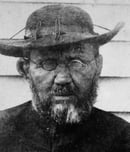
Father Damien Day
Father Damien Day honors a life that reads like a blueprint for practical compassion. It remembers a Belgian priest who stepped away from an ordinary ministry and chose to live among people affected by Hansen’s disease who had been separated from the wider community. The focus is not on grand...
- United States
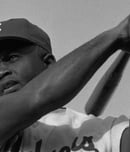
Jackie Robinson Day
Every year on April 15, Major League Baseball observes Jackie Robinson Day, marking the anniversary of Jackie Robinson breaking the modern-era color barrier in Major League Baseball in 1947. It is both a baseball-wide tribute and a bigger cultural pause to remember what it costs to change an institution from...
- Canada
- United States
Seize Every Day
Join free for personalised recommendations, email reminders and exclusive guides. Never miss a day.