Up-Helly-Aa
Up-Helly-Aa is a vibrant fire festival celebrated in the Shetland Islands. Thousands gather to witness the breathtaking sight of a longship ablaze, illuminating the night sky.
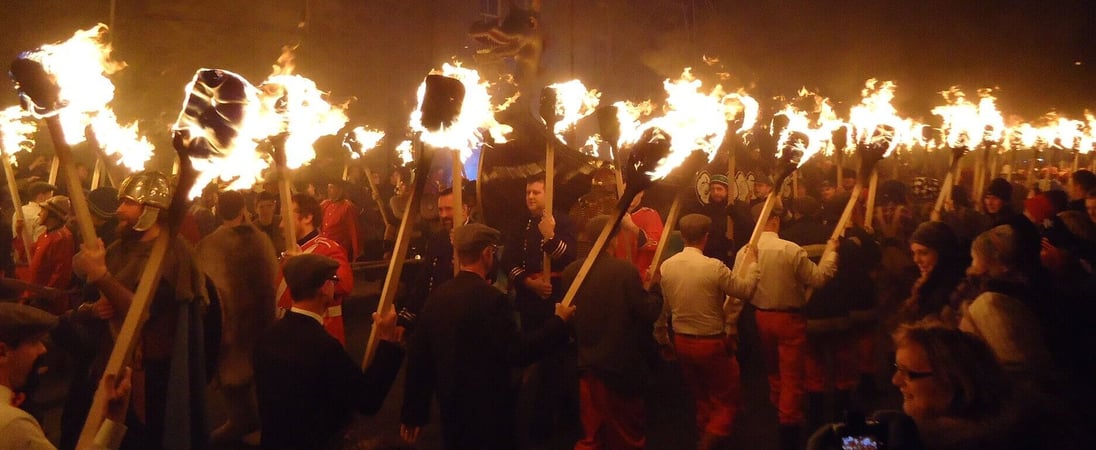
Participants dressed as Vikings parade through the streets, adding an air of excitement. The day pulses with energy, from the morning’s activities to the evening’s fiery climax.
It’s a spectacle that draws people together, blending ancient tradition with lively community spirit. The celebration’s high point, the burning of the galley, leaves a lasting impression on everyone who attends.
Up-Helly-Aa Timeline
800 AD
Viking Expansion to British Isles
Norse Viking ships began voyages to the British Isles, greatly influencing the cultures of regions such as the Shetland Islands, which would later play a significant role in cultural heritage celebrations like Up-Helly-Aa.
1469
Shetland Given to Scotland
The Shetland Islands were transferred from Norwegian to Scottish control as part of a royal marriage dowry, integrating Norse and Scottish customs and traditions.
This historical event laid a foundation for the blending cultures celebrated in festivals like Up-Helly-Aa.
1800s
Norse Romanticism Era
During this century, Romanticism sparked renewed interest in Viking history and Norse myths, contributing to cultural revivals seen in festivals across Europe, including those in the Shetland Islands.
1870s
Cultural Shift From Tar-Barrelling
Authorities in Shetland took action to control the dangerous practice of tar-barrelling, a precursor to organized festivals that used fire symbolically, influencing celebrations such as Up-Helly-Aa.
1960s
Heritage Movements in Scotland
A rise in cultural heritage movements during this time helped renew and preserve traditions linked to Norse heritage, impacting community-led festivals across Scotland, especially in the Shetland Islands.
How to Celebrate Up-Helly-Aa
Dress Up as a Viking
Nothing screams Up-Helly-Aa more than donning a Viking costume. Whether you go all out with armor and a helmet or keep it simple with a fur cloak, embracing the Norse spirit is a must.
A fake beard wouldn’t hurt either! Parading around as a Viking adds to the fun and helps you feel part of the celebration.
Join a Torchlight Procession
Get a torch, gather some friends, and march in a torchlight procession. It’s a fiery, fantastic way to participate. Feel the warmth of the flames and the excitement in the air as you join the crowd. If you’re lucky, you might even help set the longship ablaze!
Attend the Galley Burning
Watch in awe as a beautifully crafted longship meets its fiery end. It’s the event’s climax, so grab a good spot early. The flames crackle, and the ship slowly burns to ashes, lighting up the night sky. This is the moment everyone’s been waiting for—don’t miss it!
Learn a Norse Song
Nothing brings people together like a good sing-along. Pick up a traditional Norse song and belt it out with friends. You don’t need to be in tune—enthusiasm is what counts. Bonus points if you sing it while waving a torch!
Feast Like a Viking
After all that excitement, it’s time to feast. Prepare a hearty meal worthy of a Viking celebration. Roasted meats, hearty stews, and maybe a bit of mead should do the trick. Gather around a big table, eat with gusto, and share tales of bravery and adventure!
Significance of the Festival
Up-Helly-Aa honors Shetland’s Norse heritage. The festival marks the end of winter and the return of light. It’s a time for the community to come together and celebrate their shared history.
The event also highlights the islanders’ strong ties to their Viking ancestors. It’s a proud expression of cultural identity that has evolved over generations, creating a tradition that continues to unite and inspire the people of Shetland today.
History of Up-Helly-Aa
Up-Helly-Aa originated in the 19th century on the Shetland Islands to mark the end of the Yule season. The local people, influenced by their strong Norse heritage, sought to create a celebration that honored their ancestors. In its earliest days, the festival was quite chaotic.
Young men would drag barrels of burning tar through the streets, creating fiery scenes that sometimes led to accidents and disorder. These rowdy celebrations eventually prompted the community to rethink how they marked the occasion.
By the 1870s, a group of local leaders, including the Total Abstinence Society, decided to bring some order to the festivities. They formed a committee to plan and organize the event, which led to the creation of the first Viking-style longship. The burning of this galley became the centerpiece of the celebration.
Over time, the festival evolved, incorporating more elements of Shetland’s Norse past. Today, Up-Helly-Aa is a well-organized, vibrant festival that not only celebrates the end of winter but also showcases the islanders’ pride in their rich cultural history.
Facts About Up-Helly-Aa
Viking Revival Imagery
Up-Helly-Aa utilizes Viking imagery, such as the burning of a replica longship and the leadership of a character called the Guizer Jarl.
This incorporation of Norse motifs began in the late 19th century as part of a festive reinvention of older Yule customs.
Tar Barrelling Origins
The roots of Up-Helly-Aa can be traced back to the 19th-century tradition of ‘tar barrelling’, where young men would drag burning barrels through the streets, a chaotic celebration that eventually evolved into the organized festival seen today.
Community Volunteerism
Up-Helly-Aa is organized entirely by volunteers, showcasing community spirit.
The festival involves significant preparation, including the crafting of the galley and torches, and draws participation from thousands of locals and visitors.
Norse Inspiration Over Continuity
While the festival prominently features Norse themes, including costumes and rituals, it does not trace directly back to ancient Norse celebrations. These elements are part of a Victorian-era reimagining aimed at celebrating Shetland’s heritage.
Skaldic Satire and Entertainment
Post-procession events include humorous skits and performances by guizer squads, an element inspired by the satirical poetry and performances seen in Viking culture, adding a layer of cultural homage and entertainment.
Up-Helly-Aa FAQs
Why is fire a significant element in Viking and Norse traditions?
Fire played a crucial role in Viking and Norse rituals, symbolizing purification, renewal, and the transition between life and the afterlife.
Fire rituals, like ship burning, were intended to honor the deceased and guide them to the afterlife, reflecting broader themes of life cycles and celestial cycles.
Such practices resonate with the symbolic use of fire in Up-Helly-Aa today.
How is the Norse concept of ship burials reflected in the Up-Helly-Aa festival?
The burning of a replica Viking longship during Up-Helly-Aa echoes the Norse tradition of ship burials, where ships were set ablaze as a funerary rite for high-ranking individuals, symbolizing their voyage to the afterlife.
This element of the festival underscores its grounding in Norse heritage and emphasizes themes of honor and commemoration.
What cultural influences shaped the broader context for Up-Helly-Aa’s Norse-themed elements?
Up-Helly-Aa has been influenced by a mix of local Shetland customs and Norse elements.
While originally evolving from practices like tar-barrelling, it has incorporated Viking-themed motifs as part of a cultural revival that celebrates Shetland’s Norse roots, inspired by broader historical cultural influences during the Victorian era.
What does the torch-lit procession signify in the context of Up-Helly-Aa?
The torch-lit procession signifies the continuation of fire rituals that marked the end of winter and celebrated the return of light.
This procession involves participants carrying torches and echoes historical ceremonies that honored the sun’s return and symbolized the renewal of life and community bonds.
How does Up-Helly-Aa symbolize the end of the Yule season?
Up-Helly-Aa marks the conclusion of the Yule season, which in traditional Norse culture, symbolized the end of winter’s darkness and the return of the sun.
This festival combines elements of fire and celebration to encapsulate themes of renewal and community spirit, continuing a tradition that aligns with historical Norse celebrations.
Also on ...
View all holidays
National Chocolate Cake Day
Indulge in this delectable cocoa-based dessert, make the original pioneering recipe or put a modern twist on this classic by adding flavors like matcha.
National Geographic Day
Explore the world without leaving your couch! Stunning photos, captivating stories, and amazing discoveries await you in this iconic publication.
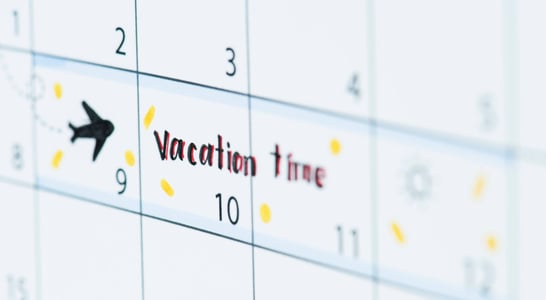
National Plan for Vacation Day
Established in 2017 by the U.S. Travel Association, National Plan for Vacation Day acts as an annual reminder that people have vacation days to use – and they should be using them!

Thomas Crapper Day
Revolutionizing plumbing, an innovator's legacy transformed the way we handle necessities, leaving an enduring mark on sanitation.
We think you may also like...

Santa’s List Day
Imagine being Santa, knowing who's been naughty or nice. Bring cheer to your family this Christmas season by making it to the nice list!
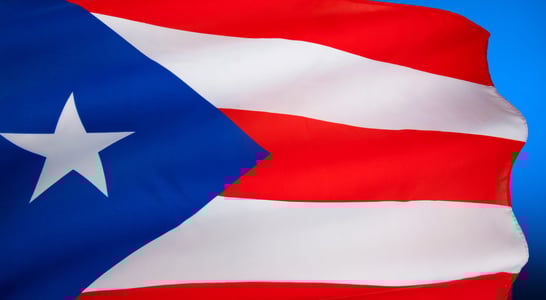
Discovery of Puerto Rico Day
An island of rich culture and vibrant life, where the splendor of the Caribbean unfolds in every facet of existence.