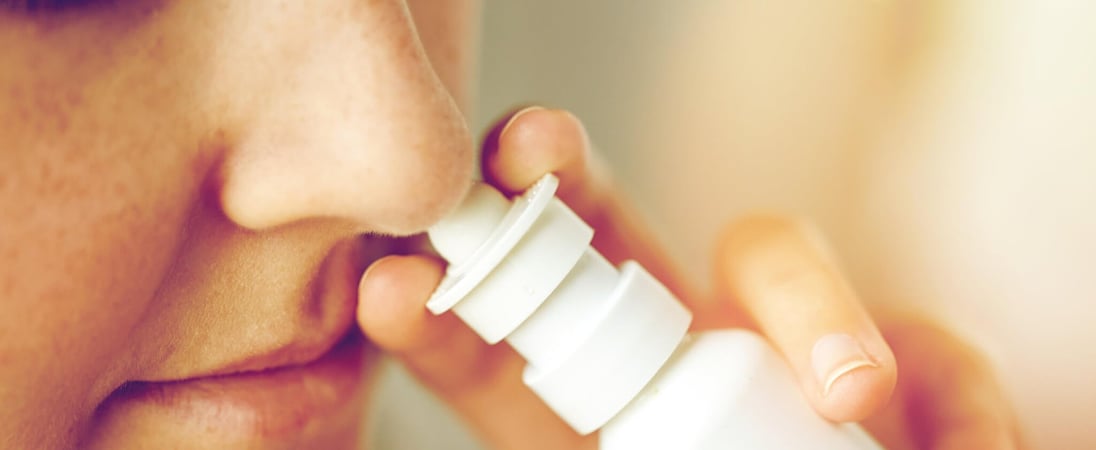
National Wash Your Nose Day
Keeping those nasal passages clear and feeling refreshed by giving them a gentle cleanse – a simple way to promote better nose hygiene.
Wash your hands. Wash your face. Wash your… nose? That’s right!
Washing out the nose hasn’t always been a very common practice for everyone–but it should be. Most people don’t realize how many germs, allergens and other icky invisibles can be present inside the nose just from the daily living of life.
But National Wash Your Nose Day is about to change all of that!
National Wash Your Nose Day Timeline
Circa 500–1000 CE
Ayurvedic Jala Neti Described
Ancient Indian Ayurvedic texts outline jala neti, a nasal cleansing technique using saline water poured through the nostrils to maintain sinus health and spiritual cleanliness.
Late 19th Century
European Physicians Note Nasal Irrigation
Doctors in Europe began describing saline nasal douching as a treatment for nasal and sinus disease, adapting traditional cleansing ideas into emerging modern otolaryngology practice.
Late 20th Century
Commercial Saline Nasal Rinse Kits Appear
Squeeze bottles and neti pots designed for home saline rinses enter Western consumer markets, making routine nasal irrigation more accessible outside clinical settings.
1891
Xylitol was first identified
German chemist Emil Fischer isolates and describes xylitol, a five-carbon sugar alcohol that will later be explored for dental and upper airway health applications.
1963
FDA Approves Xylitol as Food Additive
The United States Food and Drug Administration approves xylitol for use as a special dietary and nutritional additive, paving the way for broader use in gums, lozenges, and health products.
1970s
Finnish Researchers Study Xylitol and Oral Health
Large clinical studies in Finland, including the Turku sugar studies, show xylitol can reduce dental caries compared with sucrose, establishing its role in preventive oral care.
2014
Xylitol Enters ENT Practice Literature
An article in the Journal of Laryngology & Otology reviews evidence for xylitol in ear, nose, and throat practice, noting its potential to help prevent otitis media and rhinosinusitis by reducing bacterial adhesion.
History of National Wash Your Nose Day
National Wash Your Nose Day came about in order to make the average person more aware that washing their nose is actually an important part of a regular hygiene routine. Inspired by Xlear, a creator of natural, xylitol-based sinus and oral care products, National Wash Your Nose Day is aimed toward educating the public about the fact that nose washing is as essential for health as hand washing is.
Since the nose is connected to the ears, eyes and lungs, it acts as a sort of ‘nest’ for various viruses and bacteria that can enter through the nose and spread to other parts of the body. This can cause irritation, due to allergens or even infections from the bacteria or viruses that live in the back of the nose.
Practicing daily nose washing helps to support the body’s defences as the nasal passages work to rid themselves of irritants. This proactive approach helps to reduce health problems and even avoid illnesses such as cold, flu, allergies and other infections that tend to originate within the sinus cavities.
Because of this, National Wash Your Nose Day was established to help the public understand this necessary part of hygiene and learn how to protect themselves.
Fun Facts About Noses
When participating in National Wash Your Nose Day, these fun facts about the nose might be a lighthearted way to approach the day:
-
The region of the brain that is responsible for processing smell is 50% larger in women than in men.
-
Around 80% of what is tasted in the mouth is influenced by smell.
-
Humans have approximately 12 million smell (olfactory) receptors. Bloodhounds have around 4 billion!
-
Smell is unique among the 5 senses: it is the only one that is directly connected to the area of the brain that processes memories and emotions.
How to Celebrate National Wash Your Nose Day
It’s a unique day to celebrate–but anyone with a nose can certainly do it! Try these ideas for giving heed to this interesting day:
Learn About Nose Washing
Of course, the first step in honoring this day is to take a bit of time to understand more about the reasons behind the day. Getting to know these facts might help provide motivation for beginning to practice nose washing as a habit:
-
The top site of infection (whether bacterial or viral) in the human body is the upper airway, which is accessed through the nose.
-
Approximately 80% of primary care doctor visits are made due to upper respiratory issues. (That’s a lot of breathing struggles!)
-
Nose washing has the power to reduce the amount of exposure to bacteria, viruses, allergens and even pollutants, all of which can negatively impact a person’s health.
-
A nasal spray that includes the ingredient xylitol is effective in blocking adhesions of viruses and bacteria.
-
The Centers for Disease Control (CDC) in the US recommends a nasal wash treatment for removing allergens, decreasing the risk of bacterial or viral infections and reducing swelling to allow for better breathing through the nose.
Get Professional Advice
For those who aren’t sure if nose washing is right for them, it might be a good idea to speak with the family doctor about ways to keep the sinuses functioning well. In particular, ask about the benefits of using xylitol to support nasal health.
Learn How to Wash Your Nose
Just like learning to brush your teeth properly, learning how to perform a nasal wash treatment might take a bit of instruction or practice.
- Use distilled or sterilized water for a nasal wash. Only use tap water that has been boiled for 1 minute (to remove impurities) and then cooled.
- Make a saline solution using non-iodized salt, water and a pinch of baking soda. Or use a pre-made bottle of nasal wash that is made from saline (may also contain xylitol).
- If you’re making the solution at home, place it in a sinus rinse kit bottle, neti pot or bulb syringe.
- Adults should lean far over the sink with their head down. Pour or squeeze the solution into one nostril. The solution should come out of the other nostril (some of it may also come out through the mouth).
- Repeat the procedure on the other nostril.
Anyone interested in learning more can also find plenty of video guidelines on how to perform a nasal wash online.
Indulge in Some Nose-Oriented Entertainment
Sure, it’s a serious topic since it has to do with staying healthy, but that doesn’t mean National Wash Your Nose Day can’t be fun, too! Try out these nose-centric films that might create inspiration for that inaugural try at nose washing:
- Roxanne (1987). This American romantic comedy is a modern day retelling of Cyrano de Bergerac, a famous 1897 verse play written by Edmond Rostand. But don’t let the fact that it’s an old story make it seem dull. This adaptation by Steve Martin is filled with hijinx and humor, centering around a man with an unusually large nose who is in love with a woman named Roxanne.
- Pinocchio (1940). An early Disney animated version of this classic Italian fairy tale based on the 1883 novel, The Adventures of Pinocchio. This musical fantasy film tells the story of Gepetto, who builds a wooden puppet. The puppet (Pinocchio) comes to life and when he struggles with truthfulness, his nose tends to grow longer.
- Cyrano (1990). Based on the same story as Roxanne, but closer to the original, this French comedy-drama recounts the story of a large-nosed poet who is in love with his cousin, Roxanne. The film stars Gérard Depardieu, who was nominated for an Oscar for his portrayal of the romantic, historical character.
National Wash Your Nose Day FAQs
Is nasal irrigation safe to use every day?
Medical sources describe saline nasal irrigation as generally safe for daily use when it is done correctly with sterile or previously boiled water and clean equipment, though many clinicians suggest using it most regularly during flare‑ups of congestion, allergies, or sinus symptoms rather than indefinitely if a person feels completely well. [1]
What kind of water is safe for rinsing the nose?
Health agencies advise using only distilled or sterile water, or tap water that has been boiled and cooled, because untreated tap water can contain low levels of organisms such as Naegleria fowleri and other microbes that may be dangerous if they enter the nasal passages. [2]
How does nasal irrigation actually help the sinuses?
Clinical guidelines report that saline irrigation helps by mechanically flushing out mucus, allergens, pollutants, and inflammatory substances, improving the function of the nasal cilia, reducing swelling of the lining, and disrupting bacterial biofilms, which together can ease congestion and support treatment of chronic rhinosinusitis. [3]
Is nasal rinsing as effective as allergy pills or nasal steroid sprays?
Research and expert reviews suggest that nasal irrigation can reduce symptoms of chronic rhinosinusitis and some forms of rhinitis and may decrease the need for other medications, but it is usually recommended as a complement to treatments like intranasal steroids or antihistamines rather than a complete replacement, especially in moderate to severe disease. [4]
Who should avoid or be cautious about using nasal rinses?
Specialists caution that people with active ear infections, significant ear pressure, or severely blocked ears should not irrigate until cleared by a clinician, and anyone who has had recent sinus or skull‑base surgery should follow their surgeon’s specific instructions on timing, technique, and water temperature. [5]
Are neti pots, squeeze bottles, and nasal sprays used for the same thing?
All three deliver saline to the nose, but high‑volume, low‑pressure devices such as squeeze bottles or large‑volume irrigation systems are favored in guidelines for conditions like chronic rhinosinusitis, while low‑volume devices such as simple sprays are often used for milder dryness or congestion rather than deep sinus cleansing. [6]
What are the most important hygiene steps when washing the nose?
Regulators and hospital centers emphasize washing hands first, using distilled or previously boiled water, mixing saline exactly as directed, thoroughly cleaning and drying the irrigation device after each use, and replacing bottles or tips periodically to minimize the risk of introducing infection.[7]
Also on ...
View all holidays
National Dream Day
With unwavering determination and a spark of ambition, anyone can turn their deepest passions into a fulfilling reality.
National No Smoking Day (UK)
Breaking up with cigarettes can give you more energy, better health, and extra cash for fun activities. It's a win-win!


World Plumbing Day
From hot showers to clean drinking water, plumbing provides us with essential comforts that we often take for granted.
We think you may also like...

World Parkinson’s Day
On the birthday of Dr. J. Parkinson, the first to describe and diagnose the disease, learn about Parkinson’s, donate or volunteer, and raise awareness.
White Cane Safety Day
The blind and near-blind use a long white cane to feel objects, and to signal to others that they are visually impaired. Help raise safety awareness for them.

National Obesity Awareness Week
Promoting health and wellness, understanding the impact of lifestyle on well-being becomes crucial for public awareness.

World Vitiligo Day
Celebrating skin's unique beauty fosters acceptance, inclusivity, and appreciation for individual differences in our diverse world.