The White House Easter Egg Roll is a long-standing and cherished Easter Monday tradition for adults and children alike.
This annual event is full of history and festivity. It’s a day when the President’s staff invites families from around the United States to participate in an egg-rolling race.
The atmosphere is filled with laughter and community spirit. Perhaps most importantly, the White House Easter Egg Roll shows America’s ability to blend tradition with fun, a day of playful activities under the spring sun.
White House Easter Egg Roll Timeline
Easter Eggs Enter Christian Tradition
By the early Middle Ages, European Christians were decorating eggs for Easter, linking them with the end of Lenten fasting and the celebration of Christ’s Resurrection.
Informal White House Family Egg Rolls
Accounts suggest presidential families, including those of Andrew Johnson and Abraham Lincoln, held largely private Easter egg rolls on or near the White House grounds before any public event existed.
Easter Monday Egg Rolling at the U.S. Capitol
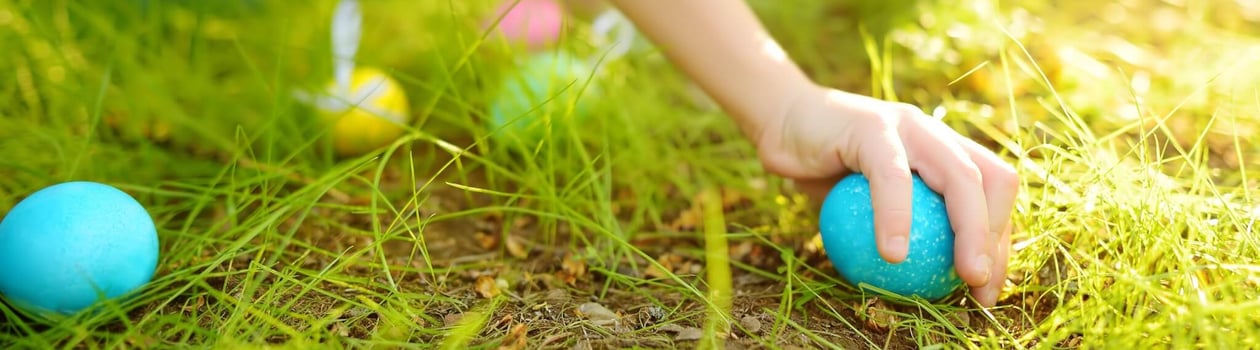
Washington families from many social backgrounds gathered on the west grounds of the U.S. Capitol so children could roll brightly dyed hard‑boiled eggs down the sloping lawns on Easter Monday.
Capitol Turf Protection Law Ends Hill Egg Rolling
Concerned about damage from the crowds, Congress passes a law protecting the Capitol’s turf and grass, effectively banning the use of the grounds as a playground and ending egg rolling there.
Hayes Opens White House Grounds to Egg Rollers
After the Capitol ban, President Rutherford B. Hayes orders that children coming to roll their eggs be admitted to the White House South Lawn, transferring Washington’s public egg‑rolling custom to the presidential grounds.
Marine Band Brings Music to Easter Egg Games
President Benjamin Harrison invites the United States Marine Band to perform during the Easter egg festivities, helping turn simple egg rolling into a larger public celebration with music and pageantry.
Costumed Easter Bunny Joins the Tradition
First Lady Pat Nixon introduces an official costumed Easter Bunny at the White House festivities, adding a now‑iconic character to the broader American image of Easter egg games.
How to Celebrate White House Easter Egg Roll
An Easter egg roll in lots of springtime fun, whether you are in D.C. or at home. Here are some tips on letting the good times roll:
Participate in Egg Rolling
An egg-rolling race is not just an Easter-time activity. Indeed, it embodies a spirit of fun and competition. If you are lucky enough to attend the event in Washington, D.C., having your children join the race is necessary.
Rolling eggs across the green lawns of the White House will certainly be a tale your kids can tell for all time. For those celebrating at home, you can easily recreate this tradition.
Find a suitable outdoor space, like your backyard or a local park, and set up an egg-rolling course.
Egg Decorating
Decorating Easter eggs is a creative activity that delights children of all ages. It’s a wonderfully creative chance to bond with your children and encourage their innate creativity.
Gather your decorating materials – paints, stickers, markers, and natural dyes. Tie them into an apron and let their creativity take over. Together, you can create patterns, characters, or abstract designs.
Dress for the Occasion
The White House Easter Egg Roll is a festive occasion, and dressing up adds to the fun and excitement. Whether you go to the actual White House event or join the fun from home, encourage your family to dress in Easter-themed attire.
Pastel-colored outfits, bunny ears, and floppy spring hats can make the day more special and photogenic. Feeling super adventurous? Dress up as the Easter Bunny and delight the little ones.
Picnic and Games
Celebrating the White House Easter Egg Roll from your house offers the perfect chance to have an Easter-themed picnic. Lay out a spread of traditional Easter foods. Think deviled eggs, spring salads, and hot cross buns. Complement the picnic with games and activities.
An egg hunt is a classic choice. If you have older kids, as well, organize a three-legged race, sack race, or any other fun outdoor games.
These activities are not just entertaining. They are also a way to engage the whole family in active, outdoor fun.
Getting Crafty
Setting up a craft-making station for Easter-themed crafts. Making crafts is a fantastic way to support the creativity that most people only have in childhood.
Provide materials for making bunny masks and Easter baskets This activity is all about stimulating imagination, honing fine motor skills, and providing a tangible memento of the celebration.
Virtual Participation
Virtual participation is the next best thing if you can’t attend the White House Easter Egg Roll.
Many of the White House Easter Egg Roll festivities go live, streaming online. Watching the events in real time allows families to enjoy the fun from anywhere.
Community Events
Forget the White House Easter Egg Roll! Many communities host their own Easter events, capturing that same fun spirit of the White House event. Participating in these local events is a great way to connect with your community and celebrate Easter in a festive setting.
Look for some fun springtime events near you and plan to attend. These community gatherings often feature egg rolls, crafts, and other Easter activities. They make a perfect outing for the whole family.
Are you ready to attend the White House Easter Egg Roll or start your own new tradition? Then it’s time to roll.
History of White House Easter Egg Roll
The White House Easter Egg Roll tradition was first recorded in 1878, during the presidency of Rutherford B. Hayes. The event has evolved significantly since its inception.
Initially, it was a simple gathering for children to roll decorated eggs on the White House lawns. Over the years, it has expanded to include many additional activities, making it a much-anticipated event each Easter.
President Benjamin Harrison introduced music to the event in 1889, inviting the United States Marine Band to perform and entertain the attendees. Adding marching band music was the beginning of a tradition that continues to this day.
The event has also seen its share of challenges and cancellations. It was not celebrated during World Wars I and II, out of respect for the hardships faced by Americans.
Conservation and renovation efforts at the White House also led to a hiatus from 1946 to 1952. Weather conditions and the Covid-19 pandemic have also caused occasional postponements or cancellations.
Despite these interruptions, the White House Easter Egg Roll has remained a beloved event. Each year, it brings families from all 50 states to Washington, D.C. Almost all working staff from the White House join in the lighthearted spring celebration.
The Easter Bunny started attending the annual celebration in 1969.
Facts About White House Easter Egg Roll
Racing Eggs on Capitol Hill Preceded the White House Tradition
Before children ever rolled eggs on the White House lawn, Washington families flocked to the west grounds of the U.S. Capitol each Easter Monday, sending brightly dyed hard‑boiled eggs tumbling down the terraces in the 1870s.
The gatherings were large and boisterous enough that Congress eventually passed legislation in 1876 to protect the Capitol’s landscaped grounds, effectively ending public egg rolling there and setting the stage for the activity to move to the President’s backyard instead.
Egg Rolling Once Spawned a Mini “Ticket Scalping” Economy
As the South Lawn tradition grew in the late 19th and early 20th centuries, officials tried to manage crowds with a rule that a grown person could enter only with a child, and a child only with an accompanying adult.
Enterprising youngsters began escorting unaccompanied adults through the gates for a fee, turning the rule into a small side business until the Secret Service was posted at the entrances by 1939 to crack down on these informal “admission rackets.”
A Public Children’s Party Helped Normalize Presidential Visibility
Historians note that the egg roll helped shift how Americans saw the presidency, by putting the First Family on casual display before ordinary citizens.
By 1885, President Grover Cleveland was coming out to greet crowds of children who had marched into the Executive Mansion with baskets of dyed eggs, and later presidents and first ladies regularly used the gathering as a way to appear approachable and family‑oriented in a very public setting.
The Marine Band Turned a Kids’ Game into a Full‑Scale Lawn Festival
The simple act of rolling eggs became more like a spring fair after President Benjamin Harrison invited “The President’s Own” United States Marine Band to perform in 1889.
Their marches and popular tunes gave the gathering a carnival atmosphere, and live music has remained a hallmark of the South Lawn festivities ever since, with later administrations adding performers, storytellers, and costumed characters around the egg‑rolling course.
The Event Reflects Shifting Ideas About Race and Belonging
Scholars have used postcards and photographs from the late 19th and early 20th centuries to study how the South Lawn crowd mirrored, and sometimes excluded, segments of American society.
An 1898 postcard, for example, shows Black workers in the background while white children dominate the foreground, a visual reminder that even a lighthearted children’s party on federal grounds was entangled with the era’s racial hierarchies and segregation practices.
Radio and Wooden Souvenirs Turned a Lawn Game into National Culture
By the 1930s, technology and keepsakes were amplifying the cultural reach of the Easter Monday games.
In 1933, Eleanor Roosevelt spoke to visitors and radio listeners nationwide from the South Lawn, while by the early 1980s children were leaving with brightly painted wooden eggs printed with the signatures of the President and First Lady, tangible reminders that a backyard children’s race had become a carefully branded national ritual.
Wars, Rationing, and Renovation Show How Domestic Life Mirrors Policy
Interruptions in the South Lawn egg rolling read like a shorthand timeline of 20th‑century American crises. The event was halted during both World Wars, skipped during the food‑conservation years of Harry Truman’s presidency, and absent from 1948 to 1952 while the White House was gutted and rebuilt from the inside.
When Dwight D. Eisenhower revived the gathering in 1953 after a 12‑year break, it signaled not just a construction project’s end but also a return to peacetime normalcy in domestic life.