Imagine a way of healing that listens to more than just symptoms. That’s the heart of homeopathy. It’s a medical system based on the idea that the body can heal itself with a little help.
Homeopathy uses very small doses of natural elements—plants, minerals, even animal sources. Supporters say these spark the body’s own power to recover.
This approach looks beyond the surface. It takes into account how a person feels, lives, and reacts. That’s why so many find it deeply personal and worth exploring.
World Homeopathy Day invites people to think differently about health. In many places, especially in India, this method is part of everyday care.
Thousands rely on it for a gentler way to ease allergies, pain, or stress. Clinics and experts share advice, answer questions, and spark curiosity.
The day nudges people to look at healing from a fresh angle. For some, it’s a starting point. For others, it’s a chance to deepen what they already practice. Either way, it opens doors.
World Homeopathy Day Timeline
Hahnemann Proposes the Principle of “Like Cures Like”
German physician Samuel Hahnemann publishes an essay in Hufeland’s Journal outlining the idea that a substance causing symptoms in a healthy person can, in small doses, treat similar symptoms in the sick, marking the birth of homeopathy.
Publication of The Organon of the Healing Art
Hahnemann releases the first edition of “Organon der rationellen Heilkunde,” later known as “The Organon of the Healing Art,” setting out the theoretical foundations, methods, and ethical principles of homeopathic practice.
Hahnemann’s Lectures at the University of Leipzig
Hahnemann begins lecturing on homeopathy at the University of Leipzig, helping to formalize teaching of the new system of medicine and attracting students who would spread homeopathic ideas across Europe and beyond.
First U.S. Homeopathic Medical Society Founded
The American Institute of Homeopathy is founded in New York, becoming the first national medical organization in the United States and promoting education, standards, and research in homeopathic medicine.
Establishment of the London Homeopathic Hospital
The London Homeopathic Hospital opens (later Royal London Homeopathic Hospital), providing institutional support for homeopathic treatment within Britain’s healthcare landscape and serving as a center for clinical practice and teaching.
Creation of India’s First Government Homeopathic Institute
The Government of India establishes the National Institute of Homoeopathy’s precursor units and begins formal steps toward standardized education, which culminate in structured diploma and degree courses in homeopathy.
Central Council of Homoeopathy Formed in India
The Indian Parliament passes the Homoeopathy Central Council Act, creating the Central Council of Homoeopathy to regulate education and professional standards, firmly integrating homeopathy into the country’s official health system.
How to Celebrate World Homeopathy Day
World Homeopathy Day offers a unique opportunity to explore and appreciate the principles of homeopathic medicine. Here are several engaging ways to participate in the celebration:
Explore Homeopathic Remedies
Begin by researching homeopathic treatments for common ailments. Visit local health stores or consult with practitioners to understand their applications.
This hands-on approach can provide insight into how these remedies aim to stimulate the body’s natural healing processes.
Attend Educational Events
Look for seminars or workshops in your area focusing on homeopathy. These events often feature experienced professionals discussing the fundamentals and advancements in the field.
Participating can deepen your understanding and answer any questions you might have.
Share Knowledge Online
Utilize social media platforms to spread awareness about homeopathy. Share informative articles, personal experiences, or upcoming events related to World Homeopathy Day.
Engaging content can spark interest and encourage others to learn more.
Support Local Practitioners
Consider scheduling a consultation with a homeopathic practitioner. This not only supports local businesses but also provides a personalized experience of homeopathic care.
Discussing your health concerns can offer a new perspective on treatment options.
Create Informative Materials
Design posters or brochures that explain the basics of homeopathy. Distribute them in community centers, libraries, or health fairs.
Visual aids can effectively communicate complex information in an accessible manner.
History of World Homeopathy Day
World Homeopathy Day honors the birth of Dr. Samuel Hahnemann, the German physician who founded homeopathy in the late 18th century.
In 1796, he introduced the principle of “like cures like,” suggesting that substances causing symptoms in healthy individuals could, in minute doses, treat similar symptoms in the sick.
This approach aimed to stimulate the body’s natural healing processes. Hahnemann’s ideas offered an alternative to the harsh medical treatments of his time, such as bloodletting and the use of toxic substances.
His work laid the foundation for a system of medicine that emphasizes individualized care and minimal dosing.
The first official World Homeopathy Day was celebrated in 2005, marking Hahnemann’s contributions to medicine. India, with its rich history of homeopathic practice, played a significant role in promoting this observance.
The day serves to raise awareness about homeopathy and its principles. It also encourages discussions on integrating homeopathic practices into modern healthcare.
Over the years, World Homeopathy Day has become a platform for practitioners and enthusiasts to share knowledge and explore the potential of this alternative medical system.
Facts About World Homeopathy Day
Microdosing and Potentization Are Central to Homeopathic Preparation
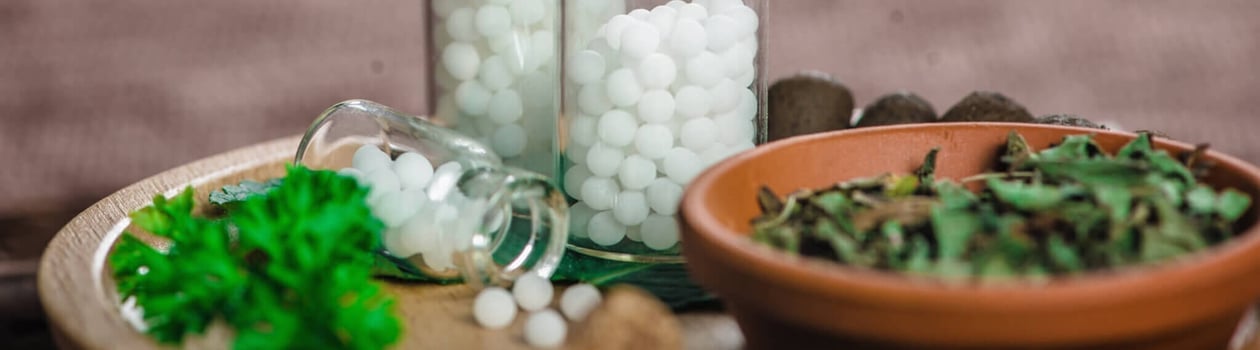
Homeopathic remedies are prepared through a process called potentization, in which a starting substance is repeatedly diluted and vigorously shaken, or succussed, at each step.
By the time many remedies reach commonly used potencies, such as 30C, the dilution often exceeds Avogadro’s number, meaning no molecules of the original substance are expected to remain.
This extreme dilution is one of the main scientific criticisms of homeopathy, since it conflicts with established dose‑response principles in pharmacology and chemistry.
Homeopathy Emerged in Reaction to Aggressive 18th‑Century Medicine
When Samuel Hahnemann developed homeopathy in the late 1700s, conventional medicine frequently relied on bloodletting, purging, and large doses of toxic substances like mercury.
Mortality from conditions such as fever was high, and many standard treatments caused severe side effects.
Historians note that homeopathy’s comparatively gentle approach, combined with strict attention to hygiene and individualized observation, made it appear safer and sometimes more successful than many mainstream therapies of that era.
Homeopathy Became a Major Force in 19th‑Century American Medicine
In the 1800s, homeopathy spread rapidly in the United States, leading to the establishment of dedicated medical schools, hospitals, and professional societies.
By the late 19th century, there were more than 20 homeopathic medical colleges and hundreds of homeopathic hospitals and dispensaries across the country.
This influence declined in the early 20th century as biomedical science and standardized medical education gained dominance, leading many homeopathic institutions to close or convert to conventional medical schools.
India Is Now the World’s Largest Center for Homeopathic Practice
Homeopathy is formally integrated into India’s public health system and regulated alongside other traditional and complementary systems under the Ministry of AYUSH.
Government surveys have reported tens of thousands of registered homeopathic practitioners and widespread use among the population, particularly for chronic conditions.
The Central Council for Research in Homoeopathy and national institutes conduct education and research, making India a global hub for homeopathic training and clinical services.
Major Health Bodies Consider Homeopathy Lacking Robust Evidence
Several national and international health organizations have reviewed the scientific literature on homeopathy and concluded that it lacks reliable evidence of effectiveness for specific conditions beyond placebo effects.
For example, a 2015 report by Australia’s National Health and Medical Research Council found no good‑quality, well‑designed studies demonstrating that homeopathy works better than placebo for any health problem.
Similar assessments by the UK’s House of Commons Science and Technology Committee and the European Academies’ Science Advisory Council have led to recommendations against public funding for homeopathic treatments.
Placebo and Consultation Effects Are Central in Research on Homeopathy
Clinical trials often find that patients using homeopathy report improvements in symptoms and quality of life, yet these benefits usually mirror placebo responses seen in control groups.
Researchers note that homeopathic care typically involves long, detailed consultations that allow patients to discuss their life circumstances and emotional state, which can itself produce measurable therapeutic effects.
This has led some scientists to study homeopathy less as a pharmacological intervention and more as a complex interaction of expectation, doctor‑patient relationship, and self‑healing processes.
Regulation of Homeopathic Products Differs Sharply by Country
Around the world, homeopathic remedies occupy a patchwork of legal and regulatory categories, ranging from licensed medicines to over‑the‑counter wellness products.
In the United States, for example, homeopathic products are recognized in the Homeopathic Pharmacopoeia of the United States but have faced tightened oversight from the Food and Drug Administration, including guidance that products must not make unsubstantiated claims for serious diseases.
In the European Union, many countries allow simplified registration of homeopathic medicines that meet safety criteria but do not require proof of efficacy, reflecting a compromise between consumer demand and evidence‑based standards.