
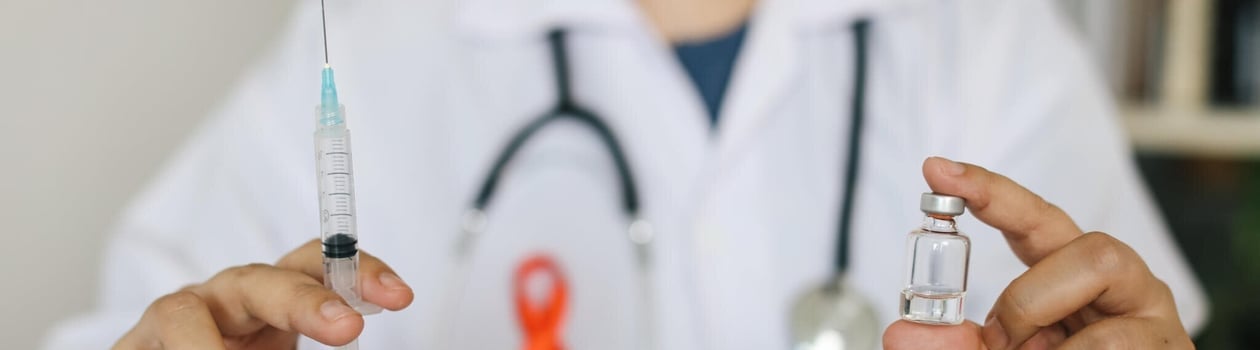
National Youth HIV and AIDS Awareness Day creates space for honest, practical conversation about HIV and how it affects teens and young adults. It is a call to swap whispers for real information: how HIV is transmitted, how it is prevented, what testing looks like, and what living well with HIV can mean today.
The tone is forward-looking and empowering, with young people positioned not as a “risk group,” but as leaders who deserve clear facts and easy access to care.
Youth ages 13 to 24 account for a significant share of new HIV diagnoses in the United States, often cited as around one-fifth. That statistic does not say anything about a young person’s character or choices.
It does highlight a reality of growing up: first relationships, changing social circles, and a lot of pressure to appear confident even when someone is unsure. This observance encourages adults and institutions to meet young people where they are with services that are confidential, affirming, and easy to use.
Testing and early treatment are central themes because they change outcomes quickly. A test can replace anxious guessing with clarity, and modern treatment can reduce the amount of HIV in the body to extremely low levels.
When a person living with HIV takes medication as prescribed and reaches an undetectable viral load, they can stay healthy and do not transmit HIV through sex. That single medical fact has reshaped the public health conversation, replacing fear with a clear pathway toward stability and prevention.
The day also spotlights prevention tools that many people still do not fully understand. Condoms remain a reliable option when used correctly, and they also help prevent other sexually transmitted infections. PrEP, short for pre-exposure prophylaxis, is medication taken by HIV-negative people to greatly reduce the chance of acquiring HIV.
PEP, post-exposure prophylaxis, is a short-term medication that can help prevent HIV after a potential exposure if started quickly. National Youth HIV and AIDS Awareness Day makes room for all of these tools, reinforcing that prevention is not one-size-fits-all. It is about choice, access, and support.
Stigma is another major barrier the observance aims to lower. Shame can keep someone from getting tested, asking questions, carrying condoms, or picking up medication at a pharmacy.
Stigma can also show up as jokes, rumors, or harsh assumptions about who “should” be worried about HIV. This day encourages people to practice a different reflex: listen, share accurate information, and treat sexual health like health, not gossip.
A hopeful thread runs through the observance because young people bring energy, creativity, and blunt honesty. Youth advocates push for medically accurate sex education, confidential services, and respectful treatment in schools, clinics, and community programs.
Many young organizers run campaigns, host forums, share personal stories, and build peer-to-peer encouragement that feels more relatable than a lecture. When young people speak up, they reshape how HIV is seen, turning silence into open conversation.
That kind of action strengthens support in very practical ways. It can influence school policies about health education, encourage clinics to offer teen-friendly hours, inspire parents and mentors to learn the language of prevention, and remind health systems to communicate in ways that actually make sense to adolescents.
National Youth HIV and AIDS Awareness Day ultimately argues for a simple standard: young people deserve respect, privacy, and real options for protecting their health.
How to Celebrate National Youth HIV and AIDS Awareness Day
Here are some creative ways to honor National Youth HIV and AIDS Awareness Day with energy and purpose:
Share Digital Graphics Online
Posting visuals is a fast way to replace myths with facts, especially in spaces where teens and young adults already spend time. Instead of vague messages, share graphics that explain a specific idea in plain language, such as what PrEP is, what an HIV test feels like, or why routine testing matters even when someone feels fine. Keep the tone calm and nonjudgmental. The goal is to make the topic feel normal, not scary.
Many organizations publish ready-to-use social graphics and sample captions. Pair those materials with a short note that sounds human, such as encouraging people to check local clinic hours or reminding them that knowing their status is an act of self-care. Use the hashtag #NYHAAD so posts are easier to find, and consider adding a content warning if sharing personal stories that discuss trauma or discrimination.
Host a Virtual Talk
A virtual event can reach people who might not attend an in-person session, including youth who are not “out” about their identity or who are simply private. Keep it short and interactive. A 30 to 45 minute format often works best: a brief overview of HIV basics, a discussion of testing and prevention options, and plenty of time for questions.
Inviting a local clinician, public health educator, or youth advocate adds credibility, but the tone should not feel like a press conference. Encourage the speaker to explain terms like “viral load,” “window period,” “PrEP,” and “PEP” without jargon.
Consider anonymous question submissions through a form or chat moderator so participants can ask what they actually want to know. If young people lead the conversation, adults can support behind the scenes by handling logistics and safeguarding respectful discussion norms.
Organize a Testing Jam
Testing events work best when they are friendly, convenient, and clearly explained. Partner with a clinic, community health center, mobile testing unit, or campus health office to offer free or low-cost rapid testing.
Make privacy a priority with clear signage about where results are shared and how confidentiality works. If the venue is a school or youth center, coordinate with staff so participants understand that a test is voluntary and that no one should be singled out.
The “jam” element is about vibe. Music, snacks, and a welcoming host can reduce nerves, but keep it balanced so the event remains respectful. Include a table with prevention materials and simple handouts on PrEP, condoms, and local resources.
If possible, have a navigator on-site who can help anyone who tests positive connect to confirmatory testing and care, and help anyone who tests negative learn about prevention options that fit their life. The goal is not just testing for testing’s sake, but a warm on-ramp to ongoing health support.
Create a Social Campaign
Youth-led campaigns can make HIV education feel less like a warning and more like community care. Set a clear theme so posts feel connected, such as “Know Your Status,” “Ask the Question,” or “Prevention Is Power.” Invite participants to record short clips about why they support testing, treatment, and prevention.
These do not need to be confessional. Some of the most useful videos are practical: explaining how to book an appointment, what to ask a clinician, or how to bring up condoms with a partner.
Establish basic safety guidelines before launching. Encourage participants to protect their privacy and avoid sharing identifiable health information unless they truly want to.
Moderate comments actively so stigma, harassment, and misinformation do not take over. If a campaign is run through a school or youth program, set expectations with staff about supporting students who may receive unexpected messages after posting.
Run an Essay or Art Contest
Not every young person wants to speak on camera, and creative projects offer another way to engage. An essay, poster, spoken-word piece, or digital illustration contest can explore topics like stigma, healthy relationships, medical progress, or what support looks like for youth living with HIV.
Provide prompts that invite insight rather than fear, such as “What does a supportive community look like?” or “How can accurate information change lives?”
Invite a mix of judges, including educators, health professionals, and youth representatives. Focus on clarity, creativity, and compassion, not just technical knowledge. If entries are displayed, ask for consent and allow anonymous submissions.
Consider offering practical prizes, such as gift cards, art supplies, or scholarships for community programs, and share the winning entries with permission to broaden the reach of youth voices.
National Youth HIV and AIDS Awareness Day Timeline
First Recognized Cases of AIDS
The U.S. Centers for Disease Control and Prevention reports unusual clusters of Pneumocystis pneumonia in young men, marking the first official recognition of what will be called AIDS and eventually affect youth worldwide.
FDA Approves First HIV Antibody Test
The U.S. Food and Drug Administration approves the first blood test to detect HIV antibodies, enabling screening of blood supplies and opening the door to broader diagnostic testing for adolescents and adults.
CDC Expands AIDS Case Definition to Include Adolescents
The CDC revises its AIDS case definition to include expanded clinical conditions and applies it to adolescents and adults, improving surveillance and recognition of HIV disease progression in young people. [1]
Introduction of Highly Active Antiretroviral Therapy (HAART)
Combination antiretroviral therapy becomes the standard of care, dramatically reducing AIDS deaths and turning HIV into a more manageable chronic condition for many, including youth living with the virus.
PEPFAR Launches Global Focus on Children and Youth
The U.S. President’s Emergency Plan for AIDS Relief (PEPFAR) is created, explicitly prioritizing treatment, prevention, and care for children and young people in heavily affected countries. [1]
CDC Recommends Routine HIV Screening from Adolescence
The CDC issues guidelines recommending routine, opt‑out HIV testing for all patients ages 13 to 64 in health care settings, a major shift that normalizes testing for teens and young adults. [1]
FDA Approves First PrEP Regimen
The FDA approves the first medication for pre‑exposure prophylaxis (PrEP) to prevent HIV infection, later extended to adolescents, offering sexually active youth a powerful new prevention tool.
History of National Youth HIV and AIDS Awareness Day
National Youth HIV and AIDS Awareness Day began in 2013. It was launched by Advocates for Youth, a nonprofit organization focused on helping young people make informed decisions about their sexual and reproductive health.
The goal was not simply to add another awareness day to the calendar, but to narrow the lens. Youth have unique barriers and needs, and HIV messaging designed for adults does not always translate to a teenager’s reality.
Organizers emphasized a few urgent themes from the beginning: young people need medically accurate information, judgment-free services, and the ability to access testing and prevention without being shamed. Adolescence and early adulthood are periods of experimentation and learning, but they are also times when privacy matters deeply.
A young person might avoid a clinic because they fear someone will find out, or because they assume they will be lectured. The observance calls on communities to remove those friction points by making services confidential, affordable, and welcoming.
From the start, the day aimed to put youth voices at the center of the HIV conversation. Public health messaging can sometimes sound like it is being delivered from a podium.
National Youth HIV and AIDS Awareness Day encouraged the opposite approach: peer-to-peer learning, storytelling, and youth leadership. When young people share what they wish they had known earlier, it can land with a kind of honesty that no brochure can replicate.
Early events often blended education with action. Schools, youth programs, and campuses hosted workshops on HIV basics and prevention, sometimes paired with on-site or nearby testing opportunities.
Online videos and social media campaigns helped spread consistent messages, especially as more youth organized in digital spaces. The emphasis was on practical knowledge: how HIV is and is not transmitted, why condoms and regular testing matter, and how to talk with partners about boundaries and protection.
As prevention science advanced and became more widely available, the observance expanded its toolkit. Condoms remained a core prevention method, but campaigns increasingly highlighted PrEP as a highly effective option for people who want additional protection. Messaging also began to include PEP, a time-sensitive option after potential exposure, because many people simply did not know it existed.
At the same time, treatment advances changed what it meant to live with HIV. Conversations moved beyond “avoid HIV” to include “support people living with HIV,” including the reality that consistent treatment can lead to an undetectable viral load and prevent sexual transmission.
Advocates for Youth continues to guide the event each year and collaborate with health agencies, community organizations, educators, and clinics. These partners often provide toolkits, classroom-ready materials, and shareable messages designed to be understandable and stigma-free. The consistent thread is access: access to clear information, to tests, to prevention, and to ongoing care without discrimination.
Over time, National Youth HIV and AIDS Awareness Day has become a platform for youth-led events and youth-informed policy conversations. Students and young organizers host health fairs, panel discussions, art showcases, and social challenges that invite peers into the topic without judgment.
Many events also address the real-world barriers that affect youth health decisions, such as transportation, cost, confidentiality, and fear of being labeled. Reducing stigma is not treated as a nice extra. It is treated as a form of prevention because people are more likely to seek care when they feel safe.
The observance also reinforces a balanced message about responsibility. It does not place the full burden on young people to “be careful” while ignoring the systems around them. It calls on schools to provide accurate education, on healthcare systems to offer respectful care, and on communities to support youth with practical resources.
When adults model calm, factual conversation about HIV, they make it easier for youth to ask questions early, seek testing routinely, and access prevention tools confidently.
National Youth HIV and AIDS Awareness Day ultimately stands for a modern, compassionate approach to HIV. It recognizes that young people deserve to know the truth about their options and to be treated with dignity regardless of their status.
It is a reminder that the most powerful thing a community can offer is not fear-based messaging, but clear information, accessible healthcare, and the steady belief that young people can lead the way.
Key Facts About Youth and HIV Awareness
Young people remain an important focus in the global effort to prevent and manage HIV.
Research and public health data show that adolescents and young adults face unique risks, including lower testing rates, delayed diagnosis, and barriers to prevention and care.
Understanding how HIV affects youth populations—and recognizing the role of awareness, education, and early testing—can help communities support healthier outcomes for the next generation.
Youth Bear a Disproportionate Share of New HIV Diagnoses
In the United States, young people aged 13 to 24 account for about 19 percent of all new HIV diagnoses, even though they make up a smaller share of the total population.
Within this group, gay and bisexual males and Black and Latino youth are especially affected, reflecting broader inequities in access to prevention, testing, and care.
Many Young People with HIV Do Not Know They Have It
An estimated 44 percent of youth aged 13 to 24 living with HIV in the United States are unaware of their infection, a higher proportion than in any other age group.
This lack of awareness is tied to lower testing rates among teens and young adults, which delays treatment and increases the risk of transmission.
Late HIV Diagnosis Is More Common in Adolescents and Young Adults
Studies of U.S. adolescents and young adults have found that a sizable share receive an HIV diagnosis only after their immune system is already significantly damaged, known as late diagnosis.
Factors such as limited routine screening, stigma around sexuality, and fear of disclosure to parents or partners contribute to these delayed diagnoses.
Daily PrEP Is Highly Effective for Older Teens When Taken Consistently
Pre-exposure prophylaxis (PrEP) with daily oral medication can reduce the risk of sexual HIV transmission by about 99 percent when taken as prescribed, and it is approved for adolescents weighing at least 35 kilograms (about 77 pounds).
Research shows, however, that adherence can drop over time for some youth, especially after structured study support ends, which reduces its protective benefit.
Treatment as Prevention Works for Young People Too
Antiretroviral therapy that fully suppresses the virus in the body leads to “undetectable” viral loads, which means HIV cannot be sexually transmitted, a concept often summarized as “U=U” (Undetectable equals Untransmittable).
Clinical data show that this principle holds true for young adults as well as older adults, provided they maintain consistent treatment and viral suppression.
Most U.S. High Schools Do Not Provide Comprehensive HIV Education
National surveys of school health policies show that while most U.S. high schools offer some form of HIV or sexual health instruction, fewer than half teach all the topics that the CDC identifies as critical, such as condom use, HIV testing, and prevention methods tailored for different orientations and identities. This leaves many students without the full set of skills and knowledge needed to protect their health.
State Laws Strongly Shape Teens’ Ability to Get HIV Testing and Prevention
In the United States, minors’ access to HIV testing, treatment, and preventive services such as PrEP is governed by a patchwork of state laws.
Most states allow minors to consent to HIV testing without parental approval, but rules around consent for treatment, PrEP, or related sexual health services vary widely, which can either ease or complicate confidential care for adolescents.
National Youth HIV and AIDS Awareness Day FAQs
How common is HIV among adolescents and young adults worldwide?
HIV remains a significant health issue for young people. UNAIDS estimates that in 2022, there were about 1.5 million adolescents aged 10 to 19 living with HIV globally, and hundreds of thousands of new infections occur each year among people aged 15 to 24.
In the United States, young people aged 13 to 24 accounted for roughly 20 percent of new HIV diagnoses in 2021, according to the CDC. These numbers vary by region, with sub-Saharan Africa carrying the highest burden, especially among adolescent girls and young women.
What are the most effective HIV prevention tools for teenagers and young adults?
For sexually active youth, the most effective prevention approaches combine several tools: consistent and correct condom use, regular HIV testing, prompt treatment of sexually transmitted infections, and use of pre-exposure prophylaxis (PrEP) for those at higher risk.
The CDC and WHO emphasize that PrEP, when taken as prescribed, greatly reduces the risk of acquiring HIV, while condoms protect against both HIV and many other STIs.
Evidence-based comprehensive sex education and access to youth-friendly health services are also critical so young people can understand and actually use these options.
How often should sexually active young people get tested for HIV?
The CDC advises that everyone between 13 and 64 be tested for HIV at least once, and that people with ongoing risk, including many sexually active youth, be tested at least once a year.
Some adolescents and young adults, such as those with multiple partners, those who inject drugs, or young men who have sex with men, may benefit from more frequent testing, such as every 3 to 6 months.
A health care provider or clinic that serves youth can help determine an appropriate schedule based on individual risk. [1]
What unique barriers do young people face in accessing HIV testing and treatment?
Adolescents and young adults often encounter practical and social obstacles, including concerns about confidentiality, fear of parents or peers finding out, limited knowledge about where to get tested, stigma, and judgmental attitudes from adults.
Structural issues such as lack of transportation, cost, or restrictive consent laws can also make services harder to reach.
Research summarized by the WHO and CDC shows that youth-centered, confidential, and nonjudgmental services greatly improve uptake of testing, linkage to care, and adherence to treatment. [1]
Is HIV different in young people compared with adults in terms of treatment and outlook?
Modern HIV treatment can work very well at any age, and youth who start antiretroviral therapy early and stay in care can have life expectancies close to those of people without HIV.
However, adolescents often have lower rates of consistent clinic attendance and medication adherence compared with adults. The NIH and CDC note that developmental changes, mental health challenges, the transition from pediatric to adult care, and stigma can all affect adherence.
Programs tailored for youth, including peer support and simplified treatment regimens, help improve long‑term outcomes. [1]
Can teenagers get PrEP, and how does it work for them?
Several PrEP medications are approved in the United States for adolescents who weigh at least 77 pounds (35 kg) and are at risk for HIV.
PrEP involves HIV‑negative people taking antiretroviral medicine to prevent infection if they are exposed to the virus. Clinical studies have shown that PrEP is highly effective for youth when taken as prescribed, though adherence can be more challenging for adolescents.
Access may depend on local laws about minors’ consent for sexual health services, so young people are often encouraged to talk with a knowledgeable clinician or clinic about their options.
How does HIV-related stigma affect young people’s health decisions?
Stigma can strongly discourage youth from getting tested, talking about sex or drugs, or seeking care after a positive result. Young people may fear bullying, rejection by family or partners, or being labeled based on sexual orientation or behavior.
Studies cited by UNAIDS and WHO show that stigma is linked to delayed testing, lower treatment uptake, and poor adherence among adolescents living with HIV.
Creating safe spaces, protecting confidentiality, and using respectful, nonjudgmental language are key strategies that help reduce stigma and support healthier choices.



You may also like
National Native HIV/AIDS Awareness Day
National Native HIV/AIDS Awareness Day (NNHAAD) focuses on HIV education, testing, and support for Native communities, including American Indians, Alaska Natives, and Native Hawaiians. This day encourages Native people to protect their health by learning about HIV risks, getting tested, and accessing treatment. It tackles unique challenges these communities face...
HIV Long-Term Survivors Day
HIV Long-Term Survivors Day honors the resilience, stories, and advocacy of people aging with HIV, raising awareness, fighting stigma, and inspiring community support.
- Canada
- International
- United Kingdom
- and 1 more

National HIV/AIDS and Aging Awareness Day
National HIV/AIDS and Aging Awareness Day brings attention to the growing number of older adults living with HIV. This day highlights how advances in treatment have enabled many to live longer and healthier lives. With over half of those living with HIV in the U.S. now aged 50 or older...
AIDS Awareness Month
AIDS Awareness Month lights up every October with a mission to spread the truth about HIV/AIDS. It's a time to share knowledge, fight myths, and support those affected by the disease. Over 37 million people globally are living with HIV, making this campaign crucial for public health. The month emphasizes...
National days and holidays on April 10 2027

National Siblings Day
Show your siblings you appreciate them, even if you sometimes want to kill them, or volunteer to adopt-a-sibling and enrich some else’s life on Siblings Day.

National Erase Self-Negativity Day
Some studies have shown that 80% of the thoughts running through an average person’s mind are negative – tipping the scale much too far away from the positive thoughts that most people desire! To live healthy and happy lives, people may need to do a bit of work to create thought...

National Hug Your Dog Day
Give that furry creature a special celebration by enjoying National Hug Your Dog Day with them.

National Public Health Week
The well-being of communities — disease prevention, and better living through knowledge and action, towards a healthier world.
Seize Every Day
Join free for personalised recommendations, email reminders and exclusive guides. Never miss a day.