
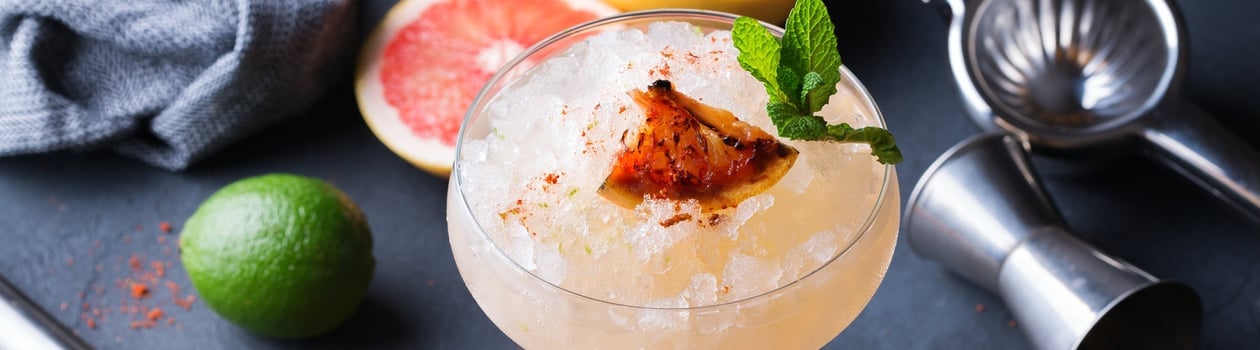
Imagine sipping a refreshing cocktail that perfectly balances the tang of grapefruit with the smooth warmth of tequila. That’s the Paloma, a classic Mexican drink that keeps things simple: tequila, grapefruit, and a bright squeeze of lime, often finished with a little salt. It tastes like sunshine and a breeze, with just enough bitterness to feel grown-up and just enough fizz to feel festive.
Celebrating this delightful concoction, World Paloma Day invites enthusiasts everywhere to raise a glass in its honor.
This day spotlights the Paloma’s place in modern cocktail culture and the wider tradition of agave spirits, citrus, and easygoing hospitality. A Paloma can be dressed up with fresh-squeezed juice and fancy salt, or made the straightforward way with grapefruit soda and ice. Either path leads to the same idea: a drink built for conversation, snacks, and a second round that somehow appears without anyone formally voting on it.
How to Celebrate World Paloma Day
Celebrating World Paloma Day offers a delightful opportunity to enjoy this refreshing Mexican cocktail in creative ways. Try these fun ideas to make the most of it:
Craft Your Own Paloma
A good Paloma is less about complicated technique and more about smart balance. Start with a tall glass (a highball works well), add ice, pour in tequila, then top with grapefruit soda and finish with fresh lime. The lime does more than add tang. It sharpens the grapefruit, pulls the tequila forward, and keeps the drink from tasting flat.
For a more “from scratch” approach, swap the soda for fresh grapefruit juice plus sparkling water. That version lets the real fruit flavors shine, but it needs a little structure. Many home bartenders add a small spoonful of sweetener (simple syrup or agave nectar) to round out grapefruit’s natural bitterness. A pinch of salt can play the same role, making citrus taste brighter and sweeter without actually adding sugar.
Small upgrades make a noticeable difference:
- Chill everything: cold tequila, cold soda, and plenty of ice keep the fizz lively.
- Pick the right tequila: blanco tequila tends to taste crisp and peppery, which fits the Paloma’s bright profile. Reposado adds soft vanilla and oak notes that lean richer and slightly dessert-like.
- Mind the bubbles: pour soda gently to keep carbonation from escaping too fast.
- Taste and adjust: grapefruits vary. If it’s very tart, add a touch more sweetener. If it’s sweet, lean on extra lime.
Host a Paloma Party
A Paloma party practically plans itself because the drink is customizable without being fussy. Set up a small “build-your-own” station with a few tequila options, grapefruit components, and garnish choices. Even people who rarely mix drinks can succeed, which keeps the vibe social instead of turning one person into the designated bartender all night.
A simple setup might include:
- Blanco and reposado tequila, plus a smoky alternative like mezcal for adventurous guests
- Grapefruit soda, sparkling water, and optional grapefruit juice
- Fresh limes (wedges and wheels)
- Sweetener options like agave nectar or simple syrup
- Salt for the rim, plus a “spicy salt” option (salt mixed with chili powder) for a bolder edge
- Garnishes like grapefruit wedges, lime wheels, rosemary sprigs, or a thin slice of jalapeño
To keep things smooth, provide a basic ratio on a small card: tequila, grapefruit, lime, ice. Then encourage people to tweak. The Paloma is friendly like that.
Explore Unique Variations
The Paloma’s core idea, agave spirit plus grapefruit plus citrus, is surprisingly flexible. A few thoughtful changes can steer it in totally different directions while still feeling like a Paloma.
- Mezcal Paloma: Swap tequila for mezcal to add smokiness. It pairs especially well with grapefruit’s bitter notes, creating a drink that tastes a little wilder and more campfire-adjacent.
- Spicy Paloma: Add fresh jalapeño slices or a small dash of chili-based seasoning. Heat and grapefruit make a natural match, especially when the rim is salted.
- Herbal Paloma: Muddle a sprig of rosemary or add a tiny splash of herbal liqueur. The goal is a subtle aromatic lift, not turning the drink into perfume.
- Fruity Paloma: Fresh berries can soften grapefruit’s bite. A few muddled raspberries or a splash of berry syrup can create a brighter, jammy variation.
- “Skinny” style: Use grapefruit juice, soda water, and extra lime. It’s crisp and less sweet, but still refreshing.
- Low-alcohol or no-alcohol: Replace tequila with a nonalcoholic agave-style spirit, or skip the spirit entirely and focus on grapefruit, lime, and sparkling water. A pinch of salt and a touch of sweetener help the alcohol-free version feel more cocktail-like.
Experimentation works best when it respects the drink’s main character: grapefruit. Keep the citrus front and center and the Paloma will still read as a Paloma.
Visit Local Bars
Ordering a Paloma at a bar is one of the easiest ways to see how different hands interpret the same blueprint. Some bars keep it classic with grapefruit soda, while others lean into a fresh-juice build that tastes like a brighter, more grown-up citrus spritz. Premium tequilas, house-made grapefruit syrups, and carefully chosen salts can shift the drink from “easy refresher” to “signature cocktail” without losing its relaxed charm.
A few friendly tips for ordering:
- If sweetness is a concern, ask whether it’s made with soda or fresh juice and whether it includes sweetener.
- If smoky flavors sound appealing, ask if they can make it with mezcal.
- If it arrives overly sweet, a small extra squeeze of lime usually fixes it.
Even better, a good bartender can explain why they chose a certain tequila or grapefruit element. That little behind-the-bar reasoning is part of what makes cocktail culture fun.
Pair with Mexican Cuisine
The Paloma is a natural partner for food because it has three things that play well at the table: acidity, bubbles, and a hint of bitterness. Acidity cuts through rich bites, bubbles lift fried textures, and bitterness keeps the drink from disappearing next to spicy food.
Pairing ideas that tend to shine:
- Tacos: especially those with grilled meats, citrusy marinades, or spicy salsas. The Paloma refreshes between bites without fighting the flavors.
- Ceviche and seafood: grapefruit and lime mirror the bright, clean taste of seafood and help the whole meal feel lighter.
- Grilled vegetables: char and citrus are good friends. A Paloma makes smoky, roasted flavors taste even more vivid.
- Spicy dishes: the drink’s chill and fizz offer relief, while salt and citrus keep the palate awake.
For snack-style gatherings, even simple chips with salsa, guacamole, or a tangy bean dip work beautifully. The Paloma is not picky about the company it keeps.
Share on Social Media
A Paloma is naturally photogenic: pale pink, beaded with bubbles, framed by salt crystals, and brightened by green lime. People who enjoy posting can keep it creative without turning the day into a production.
Ideas that look good and are genuinely helpful to others:
- Show a quick ingredient lineup for a “three-part” Paloma.
- Photograph different rim options: plain salt, chili-salt, or even a half-rim for flexibility.
- Share a short note about the tequila used and what flavor it brought to the drink.
Using #WorldPalomaDay makes it easier to find fellow fans swapping recipes and variations.
Learn About Its Cultural Roots
World Paloma Day is a good excuse to look beyond the glass. Tequila comes from agave, a plant with deep cultural and economic importance in Mexico, and the Paloma is one of the most approachable ways to taste what agave spirits can do. Unlike cocktails that rely on many ingredients, the Paloma keeps the spirit in view. The grapefruit does not hide tequila so much as it highlights tequila’s peppery, citrus-friendly side.
It also reflects a broader tradition in drinks culture: pairing regional spirits with widely loved mixers to create something that feels both local and universal. That mix of authenticity and accessibility helps explain why the Paloma has traveled so well.
World Paloma Day Timeline
Early Distillation of Agave Spirits in Mexico
Spanish colonists adapt indigenous fermented agave drinks into distilled spirits, laying the groundwork for what will become tequila and other regional agave liquors.
Grapefruit Soda Is Created in the United States
The first commercially produced grapefruit soda, later branded as Squirt in the 1930s, appears in the U.S., introducing the sweet‑tart, carbonated flavor profile that will eventually define the classic Paloma mix.
Tequila Gains Legal Definition in Mexico
Mexico establishes regulations that define tequila as a distilled spirit made primarily from Blue Weber agave in specific regions, reinforcing its identity and paving the way for tequila‑based cocktails.
Grapefruit Soda Mixers Become Popular in Mexico
Imported and locally produced grapefruit sodas such as Squirt gain popularity in Mexico, leading bartenders and drinkers to mix them with tequila and lime in highball-style drinks that resemble the modern Paloma.
La Capilla Bar and Don Javier in Tequila, Jalisco
At La Capilla bar in the town of Tequila, owner-bartender Don Javier Delgado Corona becomes known for simple tequila highballs, including his famous Batanga and a tequila‑grapefruit soda drink many later associate with the Paloma.
Paloma Emerges in International Cocktail Literature
As tequila and Mexican bartending traditions gain global recognition, English‑language cocktail books and magazines begin publishing Paloma recipes, helping transform the once-local highball into a standard on bar menus worldwide.
Tequila and Paloma Cocktails Surge in the United States
Rapid growth in tequila consumption and premium brands in the U.S. boosts demand for tequila cocktails, with the Paloma increasingly cited by industry analysts and bartenders as a lighter, grapefruit-forward alternative to the Margarita.
History of World Paloma Day
World Paloma Day, celebrated annually on May 22, honors Mexico’s beloved cocktail, the Paloma. This refreshing drink combines tequila with grapefruit soda and a splash of lime, offering a delightful balance of sweet and tangy flavors.
The Paloma has long been cherished in Mexican culture and is often considered the country’s national drink. That reputation speaks to how commonly the drink shows up in everyday life: casual meals, celebrations, and relaxed get-togethers where the goal is refreshment rather than elaborate ceremony. While other tequila cocktails may get more international glamour, the Paloma’s popularity comes from its practicality. It is easy to mix, easy to scale for a group, and built from ingredients that are straightforward to find.
As a cocktail, it also sits at a fascinating intersection of flavor and convenience. Grapefruit brings acidity and a gentle bitterness that pairs neatly with tequila’s earthy, peppery notes. The carbonation keeps it light on the palate, and the lime adds an extra pop of brightness. Many versions include a salted rim or at least a pinch of salt, a small detail that has an outsized effect. Salt reduces the perception of bitterness and amplifies citrus aromas, making grapefruit taste juicier and more fragrant.
In 2019, Cenote Tequila established World Paloma Day to celebrate and promote this classic cocktail. The inaugural celebration included a Paloma-focused pop-up experience that leaned into the drink’s easy versatility, showing how it can move from a simple highball to a more crafted bar staple without losing its identity.
The following year, tequila brand Jose Cuervo introduced a charitable initiative connected to a ready-to-drink bottled Paloma. That move echoed a broader shift in drinking culture: people increasingly enjoy bar-quality flavors at home, whether for convenience, curiosity, or a desire to recreate favorite drinks in a more relaxed setting. Tying the release to charitable support for the drinks industry also highlighted an important truth behind any well-made cocktail, the people who produce, serve, and craft it are part of the story.
World Paloma Day also invites curiosity about the Paloma’s earlier path to fame. The cocktail’s exact invention story is debated, but it is often associated with Don Javier Delgado Corona, linked with the La Capilla bar in the town of Tequila, Mexico. Whether or not a single person can be credited with “creating” the drink in a clean, definitive way, the association points to something meaningful: the Paloma grew out of places where tequila is not a trend, but a familiar ingredient woven into daily life.
The name “Paloma” is commonly translated as “dove,” which fits the drink’s bright, airy personality. It is a cocktail that rarely feels heavy. Even when made strong, its citrus and bubbles keep it lifted. That lightness may be part of why it has become such an ambassador for tequila. For people who assume tequila is harsh or only meant for shots, a well-made Paloma can be a gentle correction.
As the Paloma spread internationally, it evolved with local tastes and available ingredients. Some regions favor grapefruit soda for the classic, slightly sweeter profile. Others prefer fresh grapefruit juice for a more tart, fruit-forward drink. Bartenders may adjust sweetness with agave nectar, add bitters for complexity, or play with salt blends and garnishes. Yet the heart of the drink stays recognizable: tequila meeting grapefruit in a tall glass of ice.
World Paloma Day celebrates that adaptability. It is not just about repeating one “perfect” recipe. It is about appreciating how a simple combination became a global favorite, and how a drink rooted in Mexican cocktail tradition continues to welcome new interpretations. Whether served at a bustling bar, poured at a backyard gathering, or mixed quietly at home, the Paloma remains a sociable little classic: bright, bracing, and always ready to clink glasses.
Facts About World Paloma Day
Grapefruit Soda Helped Shape Modern Mexican Cocktails
Grapefruit soda became widely available in Mexico in the mid‑20th century, giving home bartenders an easy way to mix citrusy highballs with local spirits.
Brands such as Squirt, first sold in the 1930s in the United States and later bottled in Mexico, were quickly embraced as convenient mixers with tequila, helping popularize tall, refreshing citrus cocktails across the country.
Tequila Can Only Come From Specific Regions in Mexico
Tequila is legally defined as a spirit made from blue Weber agave grown in designated areas of Mexico, primarily the state of Jalisco and parts of four neighboring states.
This Denomination of Origin, first formally recognized in the 1970s, means that spirits made from agave outside these regions, even if produced in a similar way, cannot be labeled or sold as tequila.
Agave Plants Take Years to Grow Before Becoming Tequila
The blue Weber agave used for tequila is a slow crop: producers typically wait 6 to 8 years, and sometimes longer, before harvesting the mature “piñas” for cooking and fermentation.
This long growing cycle makes tequila production vulnerable to boom‑and‑bust swings, as a surge in global demand can quickly outpace the limited supply of fully mature agave plants.
Tequila Styles Change How Citrus Cocktails Taste
Different tequila categories alter the flavor profile of citrus drinks in noticeable ways.
Blanco tequila, usually unaged, tends to emphasize peppery, herbal, and mineral notes that stand out against grapefruit and lime, while reposado and añejo tequilas, which spend months or years in oak barrels, add vanilla, caramel, and spice tones that can soften acidity and give tall citrus cocktails a rounder, slightly sweeter impression.
Grapefruit’s Bitterness Comes From Specific Plant Compounds
The sharp bitterness in grapefruit-based drinks largely comes from molecules such as naringin and limonin in the fruit’s peel and membranes.
Studies show that carbonation, sugar, and a pinch of salt all change how people perceive these compounds, which is why fizzy, lightly sweetened grapefruit sodas often taste less bitter and more refreshing than fresh juice alone in mixed drinks.
Salt on a Glass Rim Alters Flavor Perception
Adding a salted rim to a citrus cocktail does more than decorate the glass.
Sensory research finds that low levels of salt can suppress bitterness and enhance sweetness and acidity, making tart flavors seem brighter and more balanced, which explains why many drinkers perceive salted-rim highballs as smoother and less harsh than the same drink served without salt.
Tequila Has Become One of the World’s Fastest-Growing Spirits
Over the past two decades, tequila has shifted from a regional product to a major global spirit category.
According to Mexico’s Tequila Regulatory Council, annual production more than doubled between 2000 and 2020, and exports now reach over 120 countries, with the United States absorbing the majority of shipments and driving demand for tequila-based citrus cocktails in bars worldwide.
World Paloma Day FAQs
What is the difference between using grapefruit soda and fresh grapefruit juice in a Paloma-style drink?
A Paloma made with grapefruit soda tends to be sweeter, less bitter, and more effervescent, since most commercial grapefruit sodas contain added sugar and carbonation.
Using fresh grapefruit juice with soda water or sparkling water produces a drier, more tart drink with more natural grapefruit bitterness and aroma.
The choice mainly comes down to personal taste: soda-based versions are easier and sweeter, while fresh-juice versions offer a brighter, more complex citrus flavor.
How does the type of tequila affect the flavor of a Paloma?
The tequila style makes a noticeable difference. Blanco (silver) tequila, which is unaged or lightly aged, gives a clean, peppery, and citrusy profile that emphasizes the grapefruit’s freshness.
Reposado tequila, aged in oak for at least two months, adds notes of vanilla, caramel, and spice that can make the drink richer and slightly softer.
Most bartenders favor 100 percent blue agave blanco tequila for a classic, crisp Paloma, while reposado can be used for a rounder, more layered version.
Is the Paloma really more popular in Mexico than the Margarita?
While the Margarita is very well known internationally, many drinks writers and spirits historians report that the Paloma is more commonly ordered in everyday settings in Mexico.
Simple highball-style tequila drinks with grapefruit soda or other carbonated mixers are widely enjoyed across the country, partly because they are refreshing in hot weather and easy to mix.
The Margarita remains iconic abroad, but the Paloma and similar long drinks are often described as more representative of how tequila is actually consumed in Mexico.
What is the legal definition of tequila, and why does it matter for a Paloma?
Tequila is a protected designation under Mexican law and international agreements.
It must be produced from blue Weber agave grown in specific regions of Mexico, primarily the state of Jalisco and limited areas of several neighboring states, and it has to meet detailed production standards overseen by Mexico’s Tequila Regulatory Council.
For drinkers, this means a bottle labeled “tequila” should meet minimum quality and origin requirements.
Using a tequila made from 100 percent blue agave (rather than a mixto that includes other sugars) generally gives a cleaner, more agave-forward flavor in cocktails like the Paloma.
How is tequila different from mezcal, and how would mezcal change a Paloma-style drink?
Tequila is a type of mezcal but follows stricter rules: it must come from blue Weber agave and specific regions, and it is usually produced with modern industrial methods.
Mezcal can be made from many agave species and is often crafted using more traditional techniques, such as roasting agave hearts in earthen pits, which imparts a smoky, earthy character.
Substituting mezcal for tequila in a Paloma-style drink changes the profile from clean and bright to more smoky and savory, with roasted and mineral notes standing alongside the grapefruit’s tartness.
Are there health considerations with grapefruit in cocktails like the Paloma?
Grapefruit juice can interact with a range of prescription medications by affecting how they are broken down in the body, which can increase or decrease drug levels.
Health agencies and medical references caution that people taking certain cholesterol-lowering drugs, blood pressure medications, and other prescriptions should check with a healthcare professional before consuming grapefruit or grapefruit-containing drinks.
The alcohol content of a Paloma adds an additional factor, so those on medication are advised to seek medical guidance rather than assume small amounts are harmless.
What do health guidelines say about enjoying tequila cocktails like Palomas in moderation?
National and international health authorities generally define moderate drinking for adults as up to one standard drink per day for women and up to two for men, on days when alcohol is consumed.
A standard drink in the United States is 14 grams of pure alcohol, which is about 1.5 fluid ounces of 40 percent ABV spirits such as tequila.
Since many Paloma recipes use at least that amount per serving, a single generous cocktail can equal one or more standard drinks.
Guidelines also stress that some people, including pregnant individuals, people under the legal drinking age, and those with certain medical conditions, should not drink alcohol at all.


You may also like
National Tequila Day
This iconic Mexican spirit is the star of many famous cocktails and pairs well with a variety of foods. Salud!
- Canada
- Mexico
- United Kingdom
- and 1 more
National Margarita Day
Transport yourself to a sunny beach with this delicious, refreshing drink that perfectly blends sweet and sour flavors. Cheers!
- Canada
- Mexico
- United Kingdom
- and 1 more
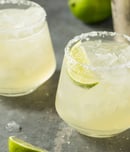
National Ranch Water Day
Refreshing blends of tequila, fizzy water, and zesty citrus create invigorating beverages perfect for laid-back moments or gatherings.
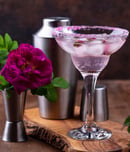
National Rosa Tequila Day
Crafted with a delicate blend, this tequila captivates with floral notes, offering a unique and exquisite tasting experience.
- Canada
- Mexico
- United Kingdom
- and 1 more
National days and holidays on May 22

Vivid Sydney
Vivid Sydney is a dazzling celebration that transforms the city into a vibrant playground of lights, music, and creativity. For weeks, iconic landmarks and urban spaces glow with stunning light installations and 3D projections, captivating both locals and tourists. This festival draws millions of visitors each year, offering an enchanting...

Cannes Film Festival
The Cannes Film Festival is one of the most glamorous and important events in the film industry. Held annually in the beautiful city of Cannes on the French Riviera, this festival draws the biggest names in cinema, from directors to actors. The red carpet is a dazzling display of style...

National Craft Distillery Day
National Craft Distillery Day honors small-batch distillers, handcrafted spirits, and local ingredients, inspiring people to explore, taste, and support craft makers.

National Title Track Day
Celebrate National Title Track Day by revisiting iconic album and movie title songs, exploring how they define their stories, and creating a playlist of unforgettable tracks.
Seize Every Day
Join free for personalised recommendations, email reminders and exclusive guides. Never miss a day.