This section brings together key facts that add context, depth, and perspective to the topic. Rather than listing details in isolation, the facts below highlight why this subject matters, how it has developed over time, and what makes it relevant today—offering readers a clear, engaging snapshot before diving deeper.
Yukon Quest
Yukon Quest is an exhilarating event that captures the spirit of adventure and the rugged beauty of the northern wilderness.
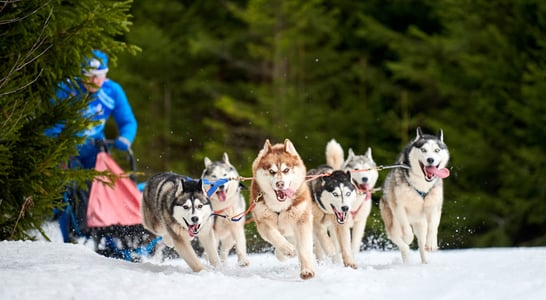
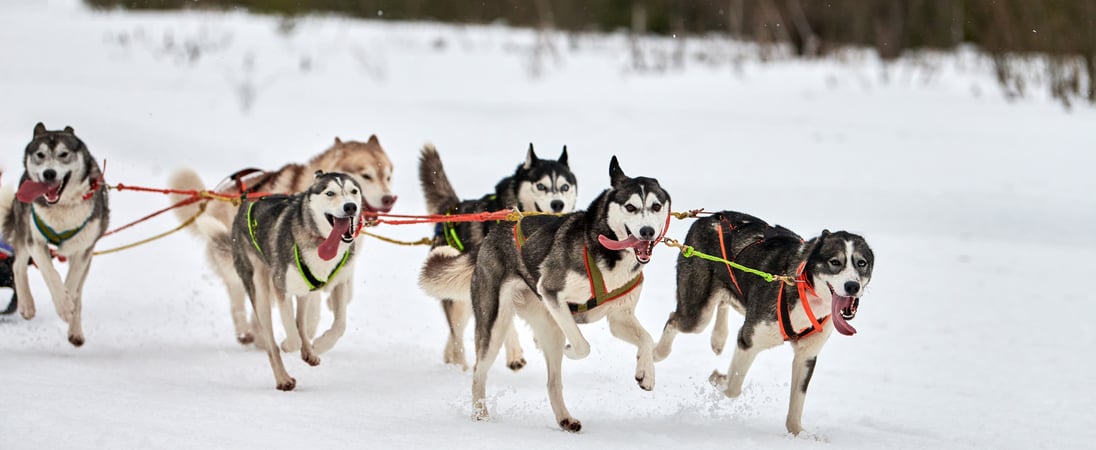
At its heart, Yukon Quest is about moving through winter the old-fashioned way: with a musher on the runners, a team of sled dogs leaning into their harnesses, and a long trail stretching into remote country.
It’s part endurance sport, part wilderness logistics, and part living tribute to the routes that once carried news, supplies, and people between far-flung communities.
This famous sled dog race challenges mushers and their teams to navigate a tough and icy route through the heart of Yukon.
The excitement and anticipation surrounding the event draw crowds and participants alike, making it a key highlight in the winter calendar for many.
What makes Yukon Quest feel different from many spectator sports is that the action doesn’t stay neatly in a stadium. The “course” is a corridor of snow, forest, frozen river, and mountain passes.
Conditions can change quickly, so strategy matters as much as speed. Mushers have to manage pacing, rest, food, and gear while reading the trail and weather like a second language.
Dogs do what they were bred and trained to do, pulling steadily and efficiently, but they also need careful care: paw protection, hydration, calories, and frequent check-ins.
The Yukon Quest celebration goes beyond the thrill of competition. It honors the rich traditions of sled dog racing and the historical significance of the routes taken by early adventurers and mail carriers.
That historical element is more than a catchy theme. The classic Yukon Quest route has been tied to the pathways used during the Klondike Gold Rush and to winter mail and transportation corridors that helped connect the North.
In an era when “getting there” could be the entire storyline, dog teams were dependable transportation. Yukon Quest turns that reality into a modern test of skill and preparation, with the added spotlight of public attention.
Participants and spectators alike experience a unique connection to the past as they follow trails that have been used for centuries.
In practical terms, that connection shows up in the details: the way checkpoints function as warm, welcoming islands in a long, cold stretch, the way a musher’s kit has to be purposeful and reliable, and the way dogs and humans share the workload.
Even the language of mushing feels like a handshake with earlier generations. Terms like “musher,” “checkpoint,” “dog drop,” and “lead dog” aren’t just jargon. They describe real systems that keep teams safe and moving.
The race also emphasizes the incredible bond between mushers and their dogs, showcasing teamwork, endurance, and resilience against harsh winter elements.
A successful team is not simply a group of athletic dogs. It’s a carefully built partnership. Mushers train for months, sometimes years, to develop a group that can travel long distances in cold conditions while staying healthy and motivated.
Dogs are selected for temperament, stamina, and the ability to work well in a group. On the trail, mushers constantly assess each dog’s condition, adjusting booties, checking shoulders and paws, and making choices about rest and pace.
When a dog needs to stop, responsible mushers use “dog drops,” where dogs are cared for and transported safely rather than being asked to push beyond their limits.
Yukon Quest stands out for its emphasis on community and camaraderie. Mushers, volunteers, and spectators form a close-knit group, sharing stories and supporting each other throughout the event.
Behind every musher is a web of support that keeps the event functional in challenging terrain. Volunteers staff checkpoints, help with timing and communications, and keep the atmosphere welcoming for exhausted teams arriving at all hours.
Veterinary professionals and race officials play a central role, examining dogs at checkpoints and monitoring welfare standards. In long-distance mushing, good dog care is not a side note. It’s part of the definition of competence.
This sense of togetherness, along with the awe-inspiring landscapes and the sheer challenge of the race, makes the Yukon Quest a celebrated occasion, attracting attention from around the world.
Even for people far from snow country, Yukon Quest has a certain magnetic pull. It’s a rare mix of sport, history, and wilderness travel, with a cast of characters that includes strong-willed mushers, unstoppable dogs, and an environment that refuses to be ignored.
Following the event often becomes less about picking a favorite and more about admiring the craft: how teams prepare, how they solve problems on the fly, and how they stay calm when winter decides to be dramatic.
Yukon Quest Timeline
c. 1000 BCE–1000 CE
Early Indigenous Sled Dog Travel
Archaeological and oral histories show Arctic and subarctic Indigenous peoples using dogs to haul loads and pull sleds or toboggans, laying the foundations for northern dog mushing traditions.[1]
Late 1800s–Early 1900s
Gold Rush Era Mail and Freight Routes
During the Klondike and Alaska gold rushes, dog teams became vital for hauling freight and carrying mail along winter trails and the frozen Yukon River between communities like Dawson City and the Alaska interior.
1908
All-Alaska Sweepstakes Establishes Long-Distance Racing
The Nome Kennel Club launches the 408‑mile All‑Alaska Sweepstakes, turning working freight and mail routes into an organized long-distance sled dog race and showcasing the abilities of professional freight mushers and their teams.[2]
1925
Serum Run to Nome Highlights Working Sled Dogs
A relay of dog teams races antitoxin serum nearly 700 miles to Nome during a diphtheria outbreak, dramatizing the life‑saving importance of sled dogs and inspiring later commemorative long‑distance racing traditions.[3]
1973
Iditarod Trail Sled Dog Race Revives Thousand‑Mile Mushing
The first full Iditarod from Anchorage to Nome runs over roughly 1,000 miles, helping revive Alaskan sled dog culture and demonstrating that long‑distance racing over historic mail trails can attract major public interest.[4]
Early–Mid 20th Century
Shift from Freight Dogs to Racing Lines
As motorized transport replaces working dog teams, mushers begin breeding lighter, faster, and more efficient sled dogs—often influenced by Siberian Huskies—evolving away from heavy freight types toward modern long‑distance racing dogs.
1987
Yukon–Charley Rivers Preserve Partners with Sled Dog Racing
The Yukon–Charley Rivers National Preserve formalizes a partnership with organizers of an international 1,000‑mile sled dog race along the Yukon River corridor, reflecting official recognition of mushing as a way to interpret historic northern travel routes.[5]
How to Celebrate Yukon Quest
Host a Yukon Quest Viewing Party
Invite friends and family over for a Yukon Quest viewing extravaganza. Decorate the house with snowy decorations and dog sled motifs.
To make it feel more like a true “checkpoint,” lean into comfort and practicality. Set up a cozy corner with blankets, a thermos-style drink station, and snacks that can be eaten one-handed.
Add a simple “trail map” on the wall using string and index cards labeled with imaginary checkpoints, then move a little sled cutout as highlights roll by. It turns watching into an activity, even for guests who are new to mushing.
Serve hot chocolate, cookies, and other cozy treats to set the scene. Use a projector to watch race highlights and live updates. It’s a great way to bring the excitement into your living room!
If the party includes kids, keep the focus on the dogs’ athleticism and care. Point out booties, jackets, straw bedding, and the way mushers check paws and offer snacks and water. It’s a fun way to teach that endurance sports are built on preparation and responsible decision-making, not just speed.
Try Your Hand at Dog Sledding
If there’s snow on the ground, why not experience the thrill of dog sledding yourself? Many places offer dog sledding experiences where you can ride along or even try mushing.
A guided outing can help people understand what looks “simple” on video but is actually full-body work. Even standing on the runners uses balance and leg strength, and learning basic commands gives a peek into how much communication is happening between the musher and the team.
Outfitters typically explain how harnesses distribute pulling force, how the sled’s brake and drag mat work, and how to handle starts and stops smoothly so dogs stay confident and safe.
Feel the rush of the wind and the power of the dogs as you glide through the snow. It’s an unforgettable way to connect with the spirit of the Yukon Quest.
For those without access to snow or an outfitter, a similar spirit can be found in dryland mushing sports, which use wheeled rigs or scooters on trails.
The key is the same: trained dogs, appropriate equipment, and a strong emphasis on safety and welfare. It’s the teamwork that counts, not the exact surface underfoot.
Create Yukon Quest Crafts
Unleash creativity with some Yukon Quest-themed crafts. Build mini dog sleds from popsicle sticks or make paw print art with the kids.
Crafts can double as learning tools. A mini sled project can include “cargo” like tiny paper bundles labeled “food,” “booties,” “first-aid,” and “extra mittens,” mirroring the reality that mushers must carry substantial supplies.
Making a simple “gangline” from yarn and beads can help explain how dogs are positioned and why the lead dogs matter for navigation and pace.
Create banners supporting your favorite mushers. These activities are fun for all ages and bring a piece of the adventure into your home. Plus, you’ll have unique decorations to show off!
For a more advanced project, try designing your own bib numbers, trail markers, or “checkpoint signs.”
Keep it playful, but add a dash of authenticity by labeling checkpoints as places to rest, eat, and get veterinary checks, since that’s a major part of real long-distance mushing.
Bake Sled Dog Treats
Get into the spirit of the race by baking some special treats. Make bone-shaped cookies for your pets, or try out some traditional northern recipes like bannock or sourdough bread.
Home baking fits the Yukon Quest vibe because food is fuel, and fuel is strategy. Mushers spend a lot of time planning calories for themselves and for their teams, choosing foods that are energy-dense and workable in cold temperatures. While spectators don’t need to pack trail rations, a “musher-inspired” snack table is part of the fun.
For people baking for pets, it’s best to keep recipes simple and avoid ingredients that are unsafe for animals.
For humans, hearty breads, soups, and warm drinks match the cozy, winter-trail theme without pretending to be an official tradition. The goal is comfort and connection, not perfect historical reenactment.
Baking brings a taste of the Yukon into your kitchen and is a delicious way to celebrate.
To make it interactive, pair baking with a “gear talk.” While something bakes, put on highlights and watch for moments when mushers prepare dog snacks, melt snow for water, or bed dogs down in straw. Those small routines are where the event’s real rhythm lives.
Join a Local Event
Many communities host events to celebrate the Yukon Quest. Look for local sled dog races, winter festivals, or educational talks about the history of the race.
If a local kennel club, outdoor organization, or museum offers a mushing demo, it can be a great way to learn about the sport beyond the headline distance. Shorter races and exhibitions often showcase the same fundamentals: teamwork, pacing, and excellent dog care.
Talks and panels may also explain the roles of veterinarians, trail crews, and checkpoint volunteers, which helps people appreciate how much coordination is involved.
These events provide a fantastic opportunity to learn more and engage with others who share your enthusiasm. Check local listings and join the fun!
For people who want to participate in a practical, supportive way, volunteering at local mushing events is often an option.
Jobs can be as simple as helping direct parking, serving warm drinks, or assisting with timing. It’s a small taste of the community spirit that makes Yukon Quest feel bigger than a race.
History of Yukon Quest
The Yukon Quest began in 1983 when four mushers met in Fairbanks, Alaska. They discussed creating a new sled dog race that would be longer and more challenging than others.
Those early conversations included experienced mushers who wanted an event that emphasized toughness, self-reliance, and a strong link to northern travel history.
Planning moved quickly from idea to organization, with meetings and fundraising that turned a bold concept into a workable event.
The aim was not just to design a difficult course, but to build a race culture that respected long-distance mushing traditions and highlighted the working relationship between humans and dogs.
In fact, they wanted the race to follow a historic trail, specifically the route used by prospectors during the Klondike Gold Rush. They decided to name it the Yukon Quest to honor the Yukon River, a significant “highway” during that era.
The Yukon River and connected trails were essential routes for transportation and communication in winter. Long before modern infrastructure, dog teams could travel when other methods stalled.
By referencing these corridors, the event positioned itself as both a sport and a tribute to the people and dogs who once made remote travel possible, especially for mail delivery and supply runs.
The first race took place in 1984. Twenty-six teams started the race, but only 20 finished. Sonny Lindner became the first champion, completing the race in just over 12 days.
That inaugural completion rate tells the story: this was not a casual outing with a bib number. It was a serious endurance challenge in an environment that demanded competence.
Early long-distance races also carried a particular kind of uncertainty. Trail marking, communications, and logistics have improved over time, but the North still sets the terms.
Even with careful planning, weather and trail conditions can reshape a team’s experience quickly.
The initial race faced many challenges, including unmarked trails and broken snowmobiles. Despite these obstacles, the event set a foundation for what would become an annual and internationally recognized competition.
As the event matured, its systems became more structured. Checkpoints evolved into carefully managed hubs where teams could rest, eat, and receive veterinary oversight.
Officials refined rules to support fairness and safety. The event developed a reputation for requiring a high level of preparation, because mushers must carry significant gear and plan for long distances between support points.
In the classic 1,000-mile format, teams could be on the trail for roughly 10 to 20 days, depending on conditions and pace, which makes every decision about rest and nutrition matter.
Over the years, the Yukon Quest has grown in popularity and prestige. It is known for its grueling 1,000-mile route between Fairbanks, Alaska, and Whitehorse, Yukon.
That classic route became part of the event’s identity, sometimes alternating direction depending on the year. A major midway community, Dawson City, has often been highlighted as a pivotal checkpoint in the story of the race.
In long-distance mushing, a halfway point is not simply “half done.” It can be where strategies shift from conservative survival mode to calculated momentum, or where smart teams choose extra rest so dogs can finish strong.
Mushers and their dogs face harsh winter conditions and treacherous terrain, testing their endurance and skills.
The trail can include frozen rivers and lakes, forested stretches, and exposed high points where wind and cold bite harder. Temperatures can plunge, storms can reduce visibility, and the surface under the runners can change from fast and packed to soft and punishing.
That variability is why Yukon Quest is often spoken of with a special mix of admiration and caution. It rewards steady decision-making, humility, and deep respect for the dogs.
This race not only highlights the spirit of adventure but also celebrates the strong bond between humans and their sled dogs.
Even as formats and distances can shift over time, the core idea remains consistent: long-distance mushing is a partnership sport. The musher’s job is to guide, protect, and manage the team so the dogs can do what they do best.
That focus on teamwork, welfare, and resilience is a big reason Yukon Quest continues to capture imaginations, one snowy mile at a time.
Key Facts and Insights
-
Athlete’s Heart in Sled Dogs
Cardiac ultrasound studies comparing Yukon Quest dogs with lightly trained and untrained dogs found that about 35% of Quest dogs had an enlarged left ventricle, versus 22% of lightly trained and just 7% of untrained dogs. This “athlete’s heart” enlargement boosts stroke volume and cardiac output, helping sled dogs sustain days of hard running in extreme cold without their performance collapsing.
-
Forelimb Injuries Are the Weak Point of Endurance Teams
Veterinary records from the 2018–2020 Yukon Quest showed that orthopedic problems were the main reason dogs were dropped from teams, and most of these injuries involved the forelimbs. Shoulders and carpal (wrist) joints were especially vulnerable, reflecting how front legs carry about 60% of a dog’s body weight and absorb the stress of braking, steering, and stabilizing a loaded sled over uneven, icy terrain.
-
Shoulder Damage Can End a Race, Wrist Damage Often Does Not
Analysis of dropped dogs in recent Yukon Quest races found that shoulder injuries were far more performance-limiting than carpal injuries. Only around 10% of dogs with shoulder injuries went on to finish, while over half of those with carpal problems still completed the course, suggesting that relatively small differences in joint location and loading can dramatically change how long a canine athlete can keep running.
-
Sled Dogs Can “Repair While Running”
Work on elite Alaskan sled dogs shows that during multi-day ultra-endurance races, muscle damage and inflammation spike early but then rapidly normalize—even though the dogs keep running long distances every day. Researchers describe this as an ability to “repair while running,” a physiological adaptation that allows sled dogs in events like the Yukon Quest to avoid the progressive breakdown seen in most human endurance athletes.
-
Ultra-Endurance Sled Dogs Burn Enormous Calories
Nutritional research on racing sled dogs indicates that each animal can require several thousand kilocalories per day during long-distance events, with diets heavily weighted toward fat. This high-fat intake fuels sustained work in subarctic temperatures and supports thermogenesis, allowing dogs to generate both the energy and body heat needed to haul sleds for hundreds of miles.
-
The Yukon River as the “Highway of the North”
Long before modern highways, the Yukon River and its winter trails functioned as a major transportation corridor linking interior Alaska and Yukon communities. During the Klondike Gold Rush, it carried prospectors, freight, and mail, earning the nickname “highway of the north” and shaping settlement patterns along its banks in ways that modern sled dog routes still echo.
-
Historic Roadhouses and Cabins Mark an Older Travel Network
Along stretches of the Yukon River corridor, historic roadhouses and cabins—once used by mail carriers, trappers, and travelers moving by dog team—still dot the landscape. The U.S. National Park Service interprets these structures as tangible evidence of a pre-mechanized transport system, where dog sleds were the main winter link between isolated settlements across Alaska and the Yukon.
Also on ...
View all holidays
Ice Cream For Breakfast Day
Start your day off on the sweet side by skipping the eggs and bacon — savor the deliciousness of your favorite ice cream flavors instead.

International Pisco Sour Day
South American brandy, zesty lime juice, frothy egg white, and a touch of sweetness — a perfect, refreshing drink for a hot summer day.


Wave All Your Fingers At Your Neighbors Day
Greet your neighbors with a friendly hand gesture! Strengthen bonds, brighten days, and make lasting memories with a simple wave.