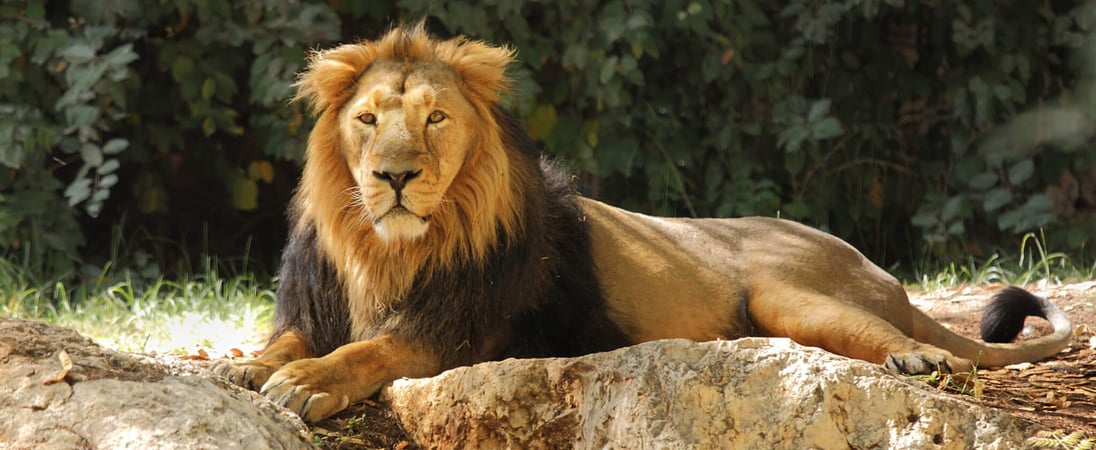
National Zoo Lovers Day
Gather some friends and family and appreciate the incredible animals of the world by visiting, donating to, or volunteering at your local Zoological Garden.
National Zoo Lovers Day is a great excuse to get your family together and go for a trip to see the exotic animals of the world!
Zoos have a long history, bringing strange new animals from the far flung and mysterious regions of the world straight into the heart of civilization.
Where else can you see prowling lions, playful monkeys, and majestic elephants outside of the depths of the Savannah? Well, or main street London when Harrod’s still had a zoo section!
National Zoo Lovers Day Timeline
c. 3500–3000 BCE
Predynastic Egyptian Menagerie at Hierakonpolis
Archaeologists uncover the remains of a large collection of wild animals, including hippos, elephants, and baboons, seen as one of the earliest known organized menageries.
c. 1000 BCE
Royal Assyrian Menageries in Mesopotamia
Kings of Assyria, such as Ashurnasirpal II, maintain extensive collections of lions and other wild animals in palace gardens for display, hunting, and royal prestige.
1752
Tiergarten Schönbrunn Established in Vienna
Emperor Francis I founds the imperial menagerie at Schönbrunn Palace, often regarded as the world’s oldest zoo still in operation and a prototype of the modern zoological garden.
1828–1847
Scientific Zoos and Public Access in London
The Zoological Society of London establishes London Zoo in Regent’s Park in 1828 for scientific study, then opens it to the general public in 1847, shaping the idea of an urban public zoo.
1864
Central Park Zoo Opens to the Public in New York City
A collection that began as informal animal exhibits in the 1850s is formalized as Central Park Zoo, widely cited as the first permanent public zoo in the United States.
1899–1907
Bronx Zoo and the Birth of Wildlife Conservation in Zoos
The New York Zoological Park (Bronx Zoo) opens in 1899 and by 1907 launches one of the first zoo-based reintroduction programs, helping restore the nearly extinct American bison to the wild.
1962–1972
Captive Breeding as Conservation Tool
The Phoenix Zoo begins a captive breeding herd of Arabian oryx in 1962, leading to reintroductions in the wild by 1972 and showcasing how modern zoos can bring species back from the brink.
How to Celebrate National Zoo Lovers Day
There’s so many great ways to celebrate this wonderful holiday! You could sign up to volunteer at your local zoo, taking in the exotic animals they keep there in a first-hand experience.
You could simply take a tour there and have a picnic on the green in sight of the gorillas and the giraffes! Or if you’re feeling particularly ambitious, you could even organize a fund-raiser to help support your local zoo!
Most zoos are running on a limited budget, relying on the ticket sales at the door to supplement whatever funding they get. Most of them would be very grateful to have the support of fans such as yourself!
History of National Zoo Lovers Day
The word ‘zoo’ is actually short for Zoological Garden, and is mostly used to refer to the modern concept of a zoo. Prior to this the term menagerie was used, coming from a long history reaching back all the way to the ancient world.
The oldest collection of this sort was found during an archeological dig in Hierakonpolis Egypt in 2009. The animals they had there included an impressive array of hippos, elephants, baboons, wildcats, and hartebeests.
The oldest modern styled zoo was established in 1752 at the order of Emperor Francis I, in the beautiful city of Vienna, Austria. It was intended solely for the viewing pleasure of the imperial family, but was extended to the public in 1765.
The next zoo to open was in 1775 in Madrid, and then another in Paris in 1795. There was an explosion of desire for such Zoo’s, as they were seen to represent the power of a nation to be able to have such strange and exotic animals from far-flung locales available for their peasantry’s viewing.
What’s amazing is that while they started out as a demonstration of power and majesty among the royalty and nobility, and then became a symbol of a country’s wealth, these organizations have become instead a bastion for some of the lost species of the world.
In captivity in some zoos are the last remnants of species to be found nowhere else in the world, as those caring members of the zoological staff work day and night to keep them in comfort, health, and attempt to nurse the species along to where they could potentially exist in the wild again!
So on this Zoo day, patronize your local menagerie with your own menagerie, and take the time to appreciate the glorious variety to be found in this wide and well explored world.
Even with all the exploration and discoveries we’ve made throughout the years, there are still places left to be discovered in the ocean deeps and the darkest jungles. So see what the world has held that we have found so far, and prepare yourself for the wonders we will discover as the years go on.
Who knows, maybe one day our zoos will be full of exotic and alien creatures from worlds other than our own! Either way, it’s time to head on down and support your local zoos, you may just help to save a species from extinction!
Facts About National Zoo Lovers Day
Breeding Zoos Helped Bring the Arabian Oryx Back from the Brink
The Arabian oryx was declared extinct in the wild in 1972, but a global network of zoos and private collections had already built up “World Herd” breeding groups in captivity.
Animals from these programs were later reintroduced to Oman, Saudi Arabia, Israel, and the United Arab Emirates, and by 2011 the species was the first large mammal to move from “Extinct in the Wild” to “Vulnerable” on the IUCN Red List.
How Zoos Helped Save the Black-Footed Ferret
Once believed extinct, the black-footed ferret was rediscovered in Wyoming in 1981, with only 18 animals ultimately brought into captivity to start a last-chance breeding program.
Zoos and conservation centers working under the U.S. Fish and Wildlife Service’s Species Survival Plan bred thousands of kits, and more than 300 ferrets now live in the wild across multiple reintroduction sites in North America.
Przewalski’s Horse Survived Thanks to Captive Herds
Przewalski’s horse, the last remaining wild horse species, disappeared from its native Mongolian steppe in the 1960s, with the global population reduced to a few dozen individuals in zoos and private collections.
Coordinated studbooks, breeding programs, and later reintroductions supported by European zoos and Mongolian partners have rebuilt the population to more than 2,000 animals worldwide, with several hundred roaming free again in Mongolia and China.
Modern Zoos Are Major Conservation Funders
Accredited zoos and aquariums are not just exhibit spaces; collectively they invest hundreds of millions of dollars each year in field conservation.
The Association of Zoos and Aquariums reports that its member institutions alone contribute more than $200 million annually to conservation projects in over 100 countries, supporting work that ranges from anti-poaching patrols to habitat restoration and local community programs.
Enrichment Programs Reduce Stress-Related Behaviors in Captive Animals
Behavioral enrichment, such as puzzle feeders, novel objects, and training sessions, is now a core part of animal care in reputable zoos.
Studies of species like big cats and primates have shown that well-designed enrichment can significantly cut down stereotypic behaviors such as pacing or head-tossing, while increasing time spent in natural behaviors like foraging, exploring, and social interaction.
Zoo Visits Are a Major Source of Informal Science Learning
Zoos function as large-scale educational institutions, with estimates suggesting that U.S. zoos and aquariums collectively host around 183 million visits per year.
Research on informal science learning indicates that carefully designed signage, keeper talks, and interactive exhibits can improve visitors’ understanding of ecology, conservation challenges, and specific species, particularly for children who may have limited access to nature elsewhere.
Accreditation Systems Raise the Bar for Animal Welfare
Organizations such as the Association of Zoos and Aquariums (AZA) and the European Association of Zoos and Aquaria (EAZA) run voluntary accreditation schemes that go well beyond basic legal requirements.
Facilities must meet rigorous standards on enclosure size and complexity, veterinary care, nutrition, enrichment, and conservation participation, and they are subject to regular inspections and potential loss of accreditation if they fall short.
National Zoo Lovers Day FAQs
Which was the first zoo to offer free admission?
The St. Louis Zoo in Missouri was the first to provide free admission, starting in 1910. This decision set a precedent for public accessibility to wildlife education.
What’s the oddest animal ever displayed in a zoo?
In the 18th century, zoos exhibited mythical creatures like unicorns, created using taxidermy or artistic modifications of existing animals.
How do modern zoos help reverse species extinction?
The black-footed ferret, once thought extinct, owes its survival to breeding programs in zoos. Reintroduction programs continue to boost their numbers in the wild.
What’s the smallest zoo in the world?
Charles Paddock Zoo in California is often considered the smallest accredited zoo. It houses a range of animals despite its compact size.
How are zoos adapting for the digital age?
Virtual reality experiences allow people to explore animal habitats without visiting zoos. The San Diego Zoo’s VR tours are a popular example.
What’s the most famous zoo escape story?
In 2016, a silverback gorilla named Kumbuka escaped from his enclosure at London Zoo. Staff safely recaptured him after he explored the staff area.
What ancient practices inspired modern zoos?
Ancient Egypt kept menageries for both worship and royal prestige. They housed lions, cheetahs, and exotic birds in temples and palaces.
What’s a unique zoo feature that doesn’t involve animals?
The Singapore Zoo’s eco-friendly design includes water recycling systems and vegetation that blends seamlessly with nearby rainforests.
How are some zoos addressing climate change?
Zoos like the Woodland Park Zoo in Seattle educate visitors on the effects of climate change and how to support conservation efforts.
What’s an unusual zoo celebration?
Japan’s zoos celebrate birthdays for pandas with elaborate cakes made of bamboo, carrots, and ice—sometimes live-streaming the event.
Also on ...
View all holidays
Draw a Picture of a Bird Day
From chickens to penguins to sparrows, from pens to pencils to watercolors, you have plenty of artistic options on Draw a Picture of a Bird Day.


International Day of Pink
This day uses the color pink to raise awareness and fight against bullying, discrimination, homophobia, transphobia, and transmisogyny across the world.