National Chocolate Covered Raisin Day
Satisfy your sweet tooth with a delightful treat that combines the goodness of fruit and the indulgence of chocolate.
This day is all about a delicious sweet treat that doesn’t get the love it deserves. It lives in the hearts of theatergoers the world over, masquerades itself as a healthy addition to trail mix.
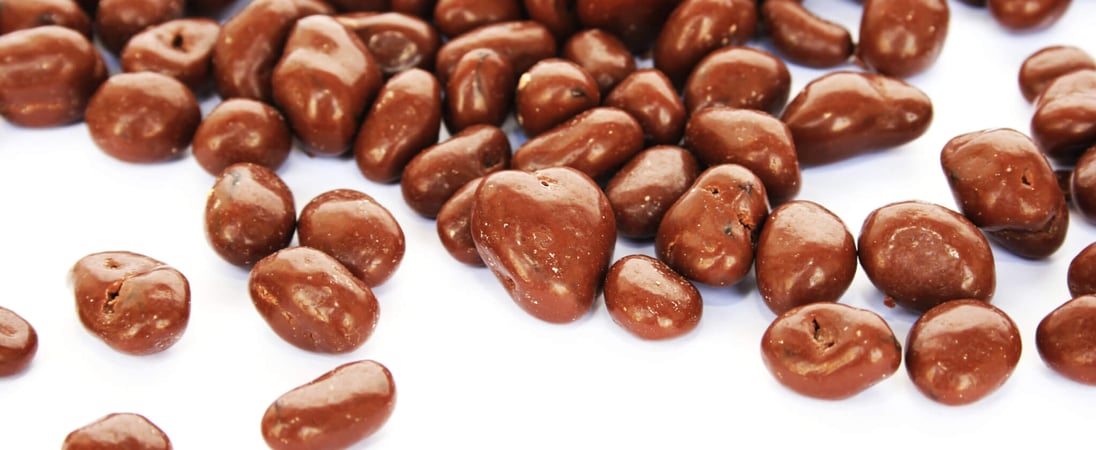
On the outside is the utter definition of decadence: sweet, delicious chocolate that shines in the light with its own inner richness. And within? Coated in a lover’s embrace that caresses every nook and cranny is that beloved childhood treat, the raisin.
Combined, these two come together to create a sweet and rich symphony of flavor on the tongue. National Chocolate Covered Raisin Day celebrates this delicious treat and its place in the hearts (and mouths and stomachs) of people all over the world.
How to Celebrate National Chocolate Covered Raisin Day
Celebrating National Chocolate Covered Raisin Day doesn’t have to be difficult or complicated. It’s an easy way to relax and enjoy the little things (literally) that make life special. Consider a few different ways to give a nod to this spectacular day:
Share Chocolate Covered Raisins with Friends
This day presents the perfect opportunity to enjoy being generous by sharing chocolate-covered raisins with everyone around. Friends, neighbors, coworkers and family members might all enjoy being part of the celebration of National Chocolate Covered Raisin Day!
Grab several bags and pass them around, make some at home to share with others, or buy some individual-sized packages and tie them with ribbon for a special, personal treat.
Get Creative with Chocolate Covered Raisins
Eating chocolate-covered raisins by the handful is just the beginning of the best ways to celebrate this delicious day!
Those who truly love this tiny little treat can move their innovation into the kitchen and find new ways to enjoy them. For the truly dedicated, there’s nothing like sprinkling a handful of these little goodies into chocolate cake batter before cooking. Or take it one step further and adorn the top of the cake with them to add a sweet bite to a rich, chocolatey cake.
Then there are those who take to an extreme the most amazing cookie the world has known: the Oatmeal Raisin Cookie (or the devil’s chocolate chip, to those who aren’t fans). Instead of plain old raisins, go ahead and use Chocolate Covered Raisins to turn this healthy cookie favorite into the pinnacle of decadence. Sure it’s not quite as healthy for the body when each raisin is coated in a milky rich coating of chocolate, but the flavor is absolutely out of this world!
Make Homemade Chocolate Covered Raisins
For those who are of the creative, do-it-yourself persuasion, it’s even possible to use a crock-pot to melt down chocolate, whether dark, milk, white, or whatever is preferred and dip your own raisins in it. It might be a bit difficult to get them separated into individual pieces, but they taste just as good when they are stuck together.
Adding peanuts to the mix, of course, puts a new twist on that beloved treat that is sometimes called GORP: Good Old Raisins and Peanuts.
Want to really make National Chocolate Covered Raisin Day special? Use a variety of types of raisins in the above, and experience all the possibilities!
Health Benefits of Chocolate Covered Raisins
Sure, they have some sugars and fat in them, but chocolate-covered raisins do actually have more nutritional value in them than many other candy treats. Take into consideration the health benefits of raisins when eaten in moderation:
- Fiber: for cleaning out bacteria and helpful for the digestive system
- Vitamin E, A & K: important for cell repair and organ function
- Iron: great for the blood cells as well as for growth and hormonal health
- Calcium: for maintaining strong bones, muscles and heart
- Potassium: helps with nerve and muscle function
Although covering them with milk chocolate doesn’t make them more healthy, dark chocolate can actually be good for the body. Sun-maid does offer an interesting alternative: raisins that are covered in chocolate-flavored yogurt.
In any case, if there’s a choice between a chocolate-covered candy bar made of caramel and sugar, or chocolate-covered raisins, then the raisins win for nutritional value!
History of National Chocolate Covered Raisin Day
The history of National Chocolate Covered Raisin Day celebrates the humble beginnings of this treat that has become quite a classic over time.
One of the most common and popular brands of chocolate-covered raisins on the market is Raisinets, first introduced to the United States in 1927 by the Blumenthal Chocolate Company. It was so successful for almost 60 years that candy giant Nestle took the opportunity to add the company to its holdings in 1984.
While many other brands have existed in the market at large, for many people Raisinets has become the ‘Kleenex’ of the chocolate-covered raisin world. When people are talking about chocolate-covered raisins, regardless of the brand, they often tend to refer to them as Raisinets.
Sun-Maid is another brand that manufactures the treat in the United States, but they’re not quite as well-known. There are lots of brands out there that are similar, although Raisinets actually polishes theirs to make them shiny, but that probably doesn’t make a very big difference in the way they taste.
Take the story down under’ to Australia to find a different name for the same yummy treat: Chocolate Covered Sultanas. This is simply a different name for the lighter-colored golden raisins that are made from white or light green grapes.
Whatever they are called and wherever they are eaten, these treats are certainly worth celebrating in a big or small way!
The Surprisingly Rich Story Behind Chocolate-Covered Raisins
Chocolate-covered raisins may seem like a simple sweet snack, but the fruit inside carries a long history of luxury, craftsmanship, and careful processing.
From ancient offerings and specialized drying methods to modern techniques that shape their flavor and texture, these small treats reflect centuries of food tradition and innovation packed into every bite.
-
Ancient Raisins Were Luxury Food and Sacred Offering
Archaeological and textual evidence suggests that raisins were already prized in ancient Persia, Greece, and Rome as much more than a way to preserve grapes.
They were used as offerings in temples, given as prizes in athletic competitions, and served at banquets for the wealthy, indicating that dried grapes were an early luxury commodity in Mediterranean trade rather than just a pantry staple.
-
Three Distinct Drying Methods Create Very Different Raisins
Traditional raisin production relies on three main drying techniques, each producing its own flavor and texture: direct sun‑drying on the ground or trays, slower shade‑drying in ventilated structures, and modern mechanical drying in heated, humidity‑controlled tunnels.
Regions such as Xinjiang in China and California in the United States use all three, with shade‑drying preserving a greener color and more delicate aroma, while sun‑drying tends to produce darker, more caramelized fruit.
-
Golden Raisins Are Made in Dehydrators, Not in the Sun
Despite their name, golden raisins owe their light color not to sunshine but to technology.
In California, grapes destined for golden raisins are treated with sulfur dioxide to prevent browning and then dried in large dehydrators at carefully controlled temperatures, typically around 145–155 °F for less than a day, which keeps them plumper, lighter, and fruitier than traditional sun‑dried raisins.
-
Spain’s Málaga Raisin System Is a Protected Agricultural Heritage
In Spain’s La Axarquía region near Málaga, hand‑made raisins are produced with methods so traditional that the United Nations’ Food and Agriculture Organization has designated the area a Globally Important Agricultural Heritage System.
Grapes are still harvested by hand, carried to hillside drying beds made of reeds, and turned manually, preserving a landscape and craft that has changed little in centuries.
-
Special “Raisin Houses” Shape the Flavor of Xinjiang Raisins
In Xinjiang, China, many raisins are not dried in open fields but in tall, lattice‑walled buildings that act like giant, natural dehydrators.
These brick structures are full of small air holes that let the region’s dry wind pass through, allowing grapes to dry slowly in the shade, which helps them retain a distinctive jade‑green color and a concentrated, honeyed flavor.
-
Modern California Raisins Include a “Dried‑on‑Vine” Innovation
California growers have increasingly turned to a “dried‑on‑vine” system in which special grape varieties are left on the vines to dry before harvest rather than being cut and spread on paper trays.
Developed in the late twentieth century, this approach reduces labor, allows mechanical harvesting, and can improve consistency, while still producing the chewy, sweet raisins used in many snacks and confections.
-
Dark Raisins, Golden Raisins, and Green Raisins Differ Nutritionally
Color in raisins signals more than just appearance. A U.S. Department of Agriculture review notes that black or dark raisins tend to have slightly higher levels of some antioxidants compared with golden or green types, likely because longer sun exposure and less sulfur treatment allow more phenolic compounds to form and persist in the dried fruit.
National Chocolate Covered Raisin Day FAQs
Are chocolate-covered raisins actually a healthier choice than other candies?
Chocolate-covered raisins are still a calorie-dense, sugary treat, but they do offer some nutrients that typical candies made mostly of sugar and fat do not.
Plain raisins contain fiber, potassium, iron, and small amounts of other vitamins and minerals, while dark chocolate adds flavonoids that have been studied for potential heart benefits.
Compared with a candy that is mostly refined sugar and fat, chocolate-covered raisins usually provide more fiber and micronutrients, though the overall sugar content is still high, so nutrition experts recommend enjoying them in modest portions rather than as a “health food.” [1]
What is the difference between regular raisins, golden raisins, and sultanas in sweets like chocolate-covered raisins?
Regular raisins in the United States are typically made from sun-dried Thompson Seedless green grapes, which darken to a brown color and develop a deep, caramelized flavor.
Golden raisins and sultanas are usually the same or similar grape varieties that have been mechanically dried with controlled heat and sometimes treated with sulfur dioxide to retain a lighter golden color and a slightly fruitier, less caramelized taste.
In confections, darker raisins give a more robust, molasses-like flavor, while golden raisins or sultanas tend to taste lighter and slightly tangier, which can change how sweet or rich a chocolate-coated product seems.
How are commercial chocolate-covered raisins made so they stay glossy and separate instead of clumping together?
Industrial producers typically start with dried, lightly oiled raisins that tumble in large rotating pans while liquid chocolate is added in thin layers.
As the pans turn, the raisins are coated evenly, and the chocolate is allowed to build up to the desired thickness.
After coating, the pieces go through a polishing stage in separate pans where they are tumbled with a very small amount of glazing agents, such as food-grade waxes or shellac, which creates a smooth, shiny surface and helps keep the pieces from sticking together during packaging and storage. [2]
Why are chocolate-covered raisins so strongly associated with movie theaters?
Chocolate-covered raisins became linked with movie theaters in the early twentieth century, when candy makers began creating products specifically for cinema concession stands.
Raisinets, introduced by the Blumenthal Brothers Chocolate Company in the late 1920s, were aggressively marketed to theaters because they were relatively shelf-stable, did not melt as quickly as plain chocolate bars due to the raisin center, and were easy to eat by the handful in the dark.
Over time, this marketing strategy and long-standing concession contracts helped cement chocolate-covered raisins as a classic movie snack in North America.
Are there meaningful differences between milk chocolate and dark chocolate coatings on raisins from a health perspective?
From a nutritional standpoint, both milk and dark chocolate coatings add sugar, fat, and calories, but they differ in cocoa solids and sometimes in added milk.
Dark chocolate typically contains more cocoa and less sugar than milk chocolate, which means it provides more cocoa flavanols, compounds that have been studied for potential cardiovascular benefits, although many commercial dark chocolates still contain substantial sugar.
Milk chocolate coatings, on the other hand, are usually sweeter and contain dairy ingredients, but they have lower flavanol levels. Health authorities emphasize that any potential benefits from dark chocolate apply to small portions and do not offset excessive calorie or sugar intake.
Do chocolate-covered raisins pose particular dental concerns compared with other candies?
Dentists often note that chocolate-covered raisins combine two factors that can raise cavity risk: stickiness and sugar.
Raisins and similar dried fruits can cling to teeth and remain in the grooves of molars, while the chocolate coating adds additional fermentable carbohydrates that oral bacteria convert to acids.
This does not mean they must be avoided entirely, but dental organizations recommend limiting how often sticky sweets are eaten, avoiding grazing on them over long periods, and brushing and flossing to remove residue, especially in children and people with a history of tooth decay.
Are chocolate-covered raisins safe for people with grape or sulfite sensitivities?
People who are allergic to grapes or who have had reactions to raisins should avoid chocolate-covered raisins, since the coating does not remove the allergenic potential of the dried fruit.
In addition, some golden raisins and sultanas are treated with sulfur dioxide or other sulfiting agents to preserve color, which can trigger symptoms in individuals with sulfite sensitivity, particularly those with asthma.
Anyone with known allergies or sulfite intolerance should read ingredient lists carefully and, if necessary, choose alternative snacks that do not contain dried grapes or sulfited fruits.
Also on ...
View all holidays
National Cocktail Day
Whether enjoying an evening out on the town, eating dinner with that special someone, or snuggling up at home in front of the fire, there is certainly a cocktail for every occasion.


World Tuberculosis Day
Honoring the relentless human spirit in the face of a formidable adversary, a disease that has shaped history and medical progress.

National Cheesesteak Day
The delicious flavor of grilled onions and thinly sliced beef steak, topped with some ooey-gooey melted provolone cheese – that’s what the cheesesteak sandwich is all about.
We think you may also like...

National Chocolate Covered Cherry Day
Satisfy your sweet tooth with some gooey, fruity confectionery or make the classic recipe even more of a treat by adding extras such as marzipan.
National Fig Newton Day
Soft, filled delights blend chewy textures with fruity nuances, crafting a snack that's a timeless symphony of flavors.