

World Tuberculosis Day focuses on a global challenge that affects millions every year. The day marks the anniversary of Dr. Robert Koch’s groundbreaking discovery of the bacterium causing tuberculosis (TB).
It’s a day that brings people together, raising awareness about the impact of TB and the ongoing efforts to beat it.
Think of it as a reminder that, despite advances in medicine, TB still poses a significant threat, especially in parts of the world with limited access to healthcare!
World Tuberculosis Day Timeline
Earliest Evidence of Tuberculosis in Humans
Spinal lesions in Neolithic skeletons from Europe and the Near East show that tuberculosis has afflicted humans for millennia, long before written medical records existed.
Hippocrates Describes “Phthisis”
The Greek physician Hippocrates identifies a wasting lung disease called “phthisis,” likely tuberculosis, as the most common and deadly illness among young adults.
“Tuberculosis” Becomes the Medical Term
German physician Johann Lukas Schönlein introduces the term “tuberculosis,” replacing older names like “phthisis” and “consumption” and helping standardize medical discussion of the disease.
Koch Identifies the Tuberculosis Bacillus
Robert Koch announces to the Physiological Society of Berlin that he has isolated and cultured Mycobacterium tuberculosis, proving TB is caused by a specific infectious bacterium.
First Human Use of the BCG Vaccine
At Hôpital de la Charité in Paris, physicians administer the Bacillus Calmette–Guérin (BCG) vaccine to a newborn, marking the start of TB vaccination in humans after years of work by Calmette and Guérin.
Streptomycin Becomes First Effective TB Antibiotic
Selman Waksman and colleagues isolate streptomycin, and clinical trials soon show it can successfully treat tuberculosis, ushering in the antibiotic era for TB care.
WHO Endorses DOTS and Declares TB a Global Emergency
Building on work by Karel Styblo, the World Health Organization endorses the DOTS treatment strategy in 1986 and in 1993 declares tuberculosis a global emergency, reshaping modern TB control.
How to Celebrate World Tuberculosis Day
Celebrating World Tuberculosis Day can be both meaningful and engaging, with plenty of ways to spread awareness, show support, and contribute to the fight against TB. Here are some playful and impactful suggestions:
Spread Awareness with Creativity
Get artistic and create social media content that shines a light on TB. Think infographics, engaging videos, or even digital art that tells the TB story.
Sharing facts and stories can spark conversations and increase awareness.
Join the Global Movement
Participate in or organize virtual events that unite people from across the globe. Webinars, online concerts, or global conferences can bring together experts, survivors, and activists, sharing knowledge and hope.
Wear the Cause
Fashion a statement by wearing themed apparel or accessories, such as pins or bracelets, to show solidarity. It’s a walking conversation starter about the importance of TB awareness and prevention.
Educational Outreach
Host or join workshops and seminars, possibly in collaboration with health organizations, to educate communities about TB prevention, treatment, and the importance of early diagnosis. Knowledge is power, especially when combating infectious diseases.
Support Through Art
Organize or participate in art exhibits or performances dedicated to TB awareness. Art has a unique way of conveying messages and emotions, making it a powerful tool for advocacy.
Community Involvement
Volunteer for local health campaigns or support groups that focus on TB. Engaging directly with affected communities can make a tangible difference and provide much-needed support and resources.
Fundraising Fun
Initiate or take part in fundraising activities, such as charity runs, bake sales or online challenges. Funds raised can support TB research, patient care, and awareness campaigns, contributing to the global effort to end TB.
Why Celebrate World Tuberculosis Day?
The reasons behind World Tuberculosis Day are compelling and multifaceted. Primarily, it serves to educate the public on the devastating health, social, and economic effects TB has on communities worldwide.
With millions falling ill each year and a significant number losing their lives, the day aims to highlight the urgent need for continued action and support.
It encourages global solidarity in the fight against TB, reminding us that this is a battle we’re still fighting.
Moreover, World Tuberculosis Day is a call to action. It’s not just about raising awareness but also about inspiring change.
By showing the progress made and the challenges that remain, the day motivates governments, organizations, and individuals to invest in TB control and elimination efforts. It’s a day to reaffirm commitments, spark innovation, and accelerate the push towards a world free of TB.
Through education, advocacy, and action, World Tuberculosis Day plays a crucial role in the global health calendar, rallying everyone towards the common goal of ending TB once and for all.
History of World Tuberculosis Day
Let’s take a little trip down memory lane to the origins of World Tuberculosis Day, a tale as intriguing as any detective story. Imagine it’s the late 1800s, a time when this sneaky disease, tuberculosis (TB), was causing havoc worldwide.
Then enters our hero, Dr. Robert Koch, who, on March 24, 1882, steps up to the podium and reveals he’s found the culprit: Mycobacterium tuberculosis, the bacteria behind TB. This discovery was a game-changer, offering hope against a disease that was a leading cause of death at the time.
A century later, World Tuberculosis Day was founded through the collaborative efforts of the World Health Organization (WHO) and the International Union Against Tuberculosis and Lung Disease (IUATLD), in honor of the 100th anniversary of this important discovery. March 24, 1882 was the day Dr. Koch made his groundbreaking announcement!
This day marked a pivotal moment in the battle against TB. Over the years, this date transformed into World Tuberculosis Day, celebrated globally to shine a spotlight on the fight against TB. It’s a day that reminds us of the progress we’ve made and the journey still ahead.
Think of it as an annual checkpoint where the world comes together to take stock of our battle against this ancient foe. The celebration of World Tuberculosis Day didn’t just pop up overnight. It was the result of years of relentless struggle against TB, serving as a beacon of hope and a call to action.
This special day is dedicated to raising awareness, promoting prevention, and rallying support for those affected by TB. It’s a day that connects people from all corners of the globe, uniting them in a common cause: to put an end to TB.
By commemorating this day, we honor those who have fought against TB and renew our commitment to a TB-free world.
Facts About World Tuberculosis Day
Granulomas: The Body’s Fortress Against TB
Tuberculosis bacteria often trigger the formation of granulomas, tight clusters of immune cells that wall off the infection in the lungs or other organs.
Inside these structures, Mycobacterium tuberculosis can survive for years in a low-oxygen, low-nutrient state, leading to latent infection that causes no symptoms but can later reactivate if immunity wanes.
An Unusually Armored Bacterium
Mycobacterium tuberculosis has a thick, waxy cell wall rich in long-chain mycolic acids that makes it “acid-fast” under the microscope and unusually resistant to many common disinfectants and antibiotics.
This lipid-heavy armor slows nutrient uptake, which partly explains why the bacterium grows so slowly and requires months of treatment to fully eradicate.
Latent TB Outnumbers Active Disease
Far more people harbor dormant tuberculosis than develop active illness.
The World Health Organization estimates that about a quarter of the world’s population is infected with Mycobacterium tuberculosis, but only 5 to 10 percent of otherwise healthy people with latent infection will ever progress to active TB disease over their lifetime.
The Long Road to TB Antibiotics
Streptomycin, discovered in 1943 by Selman Waksman’s team, was the first antibiotic effective against tuberculosis and transformed the disease from a near-certain killer into a curable infection.
Yet even after streptomycin, it took the addition of multiple drugs such as isoniazid and rifampicin in the 1950s and 1960s to build combination regimens that could reliably cure TB and slow the emergence of resistance.
When Sanatoriums Shaped Architecture and Lifestyle
In the late 19th and early 20th centuries, fear of tuberculosis helped shape modern urban design, from bigger windows and balconies to better ventilation in homes, schools, and public buildings.
Sanatoriums built for TB patients popularized flat roofs, sun terraces, and “open-air” verandas, and these hygienic design ideas later influenced mainstream modernist architecture.
TB as a Leading Infectious Killer in the 21st Century
Despite being an ancient disease, tuberculosis remains one of the world’s top infectious killers. In 2023 an estimated 10.6 million people fell ill with TB and around 1.3 million died, making it deadlier than many more widely publicized infections and placing the heaviest burden on low- and middle-income countries.
The Rise of Drug‑Resistant Tuberculosis
Misuse and mismanagement of antibiotics have allowed multidrug-resistant TB, which does not respond to at least isoniazid and rifampicin, to emerge in virtually every region of the world.
The WHO estimates that roughly half a million people each year develop drug-resistant forms of TB, which require longer, more toxic, and far more expensive treatment courses than drug-susceptible disease.
World Tuberculosis Day FAQs
Why was tuberculosis called the “romantic disease” in the 19th century?
Tuberculosis was romanticized in the 19th century due to its frequent depiction in art, literature, and culture.
Victims of TB often appeared pale and thin, traits that became associated with a poetic and delicate beauty.
Writers and poets, including the Brontë sisters and John Keats, both of whom suffered from TB, often used the disease as a metaphor for intense emotion and creativity.
Are there any surprising connections between tuberculosis and modern fashion?
In the Victorian era, tuberculosis influenced clothing trends.
The fear of “miasmas” or bad air, which were mistakenly believed to spread TB, led to the popularity of high-necked garments, which were thought to protect the lungs.
Corsets, already a fashion staple, became even more tightly laced to give women a slender, delicate figure that mimicked the appearance of TB sufferers.
What were “TB postcards,” and why were they popular?
“TB postcards” were a creative way to fundraise for tuberculosis prevention and care in the early 20th century.
Organizations sold these postcards, often depicting festive or cheerful imagery, to raise awareness and money for sanatoriums and TB patients.
These cards, especially the “Christmas Seals,” became popular during the holiday season, as people used them to spread holiday cheer while contributing to a worthy cause.
What is the connection between tuberculosis and vampires?
TB outbreaks in 19th-century New England contributed to the rise of vampire legends.
The slow progression of TB, which caused victims to waste away and pale, led some to believe supernatural forces were at work.
Families, desperate to stop the disease’s spread, sometimes exhumed recently deceased relatives, believing they were “feeding” on the living.
They performed rituals to “kill” these supposed vampires, including burning the hearts of corpses. This eerie folklore reflected the lack of scientific understanding of TB and its spread.
How do some Indigenous communities address TB awareness?
Indigenous communities, particularly in Canada, have creatively used cultural expression to combat TB stigma and raise awareness.
Murals painted by Indigenous artists depict the historical impact of TB and the importance of education.
Storytelling and traditional ceremonies also play a role, emphasizing collective healing and resilience.
What role did tuberculosis play in the invention of antibiotics?
Tuberculosis research was pivotal in the discovery of antibiotics. In 1943, Selman Waksman and his team developed streptomycin, the first antibiotic effective against TB.
This breakthrough came after years of scientific effort to combat the deadly disease, which had no reliable treatment. Streptomycin revolutionized TB care, drastically reducing mortality rates.
Are there any countries with unique traditions for World Tuberculosis Day?
South Africa commemorates World Tuberculosis Day with candlelight vigils to honor TB victims and celebrate survivors.
These gatherings often include traditional music, storytelling, and speeches by community leaders.
The events emphasize solidarity and education, encouraging people to seek testing and treatment.
How did tuberculosis influence the film industry?
Tuberculosis shaped the early film industry by providing dramatic, emotional narratives.
Many silent and early sound films featured TB as a central theme, symbolizing love, sacrifice, and tragedy.
Charlie Chaplin’s comedy The Cure satirized the sanatorium lifestyle, highlighting its quirks and social impact.
Why did tuberculosis inspire so many operas?
Tuberculosis-inspired operas because its symptoms—like wasting away and emotional suffering—lent themselves to melodramatic storytelling.
Puccini’s La Bohème is one of the most famous examples, where the character Mimì dies of TB in a heartbreaking scene.
Similarly, Verdi’s La Traviata centers on a young woman suffering from consumption.
These operas used the disease as a metaphor for passion and fragility, reflecting its cultural significance during their time. TB’s prominence in opera illustrates how art mirrored the fears and realities of the disease.
What is the history behind TB awareness ribbons?
The white ribbon, symbolizing TB awareness, was adopted to represent hope and unity in the fight against the disease.
The ribbon draws attention to the ongoing global burden of TB, emphasizing the importance of eliminating stigma and increasing access to treatment.
Its simplicity reflects the universal nature of the challenge and the collective effort needed to overcome it.



You may also like

World Leprosy Day
Unveiling insights into an historical ailment, fostering understanding and empathy for a condition often misunderstood.
- Brazil
- Congo - Kinshasa
- India
- and 3 more
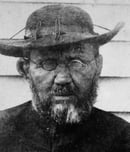
Father Damien Day
Father Damien Day honors a life that reads like a blueprint for practical compassion. It remembers a Belgian priest who stepped away from an ordinary ministry and chose to live among people affected by Hansen’s disease who had been separated from the wider community. The focus is not on grand...

World Chagas Disease Day
World Chagas Disease Day, observed annually, aims to raise awareness about Chagas disease. This condition poses a significant health threat but often goes unnoticed. This event marks the date in 1909 when the first case of Chagas disease was diagnosed by the Brazilian physician Carlos Chagas. It's a moment to remember...

World Inflammatory Bowel Disease Day
Discover the impact of World Inflammatory Bowel Disease Day, raising global awareness, support, and advocacy for people living with Crohn’s and colitis.
National days and holidays on March 24 2027

March Madness
Get your game face on for March Madness! This high-energy tournament is a slam dunk of excitement, passion, and heart-pumping action. So grab your team colors, gear up for the showdown, and let the madness begin!
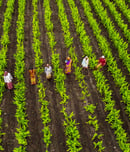
National Agriculture Week
National Agriculture Week shines a spotlight on the farmers, ranchers, and agricultural workers who fill our plates and fuel our lives. Behind every meal and everyday product is someone who works hard, from dawn to dusk, to ensure we all have what we need. This week connects us to the...

American Red Cross Giving Day
The American Red Cross has given healthcare to those in need for generations, from volunteer blood drives to mobile vaccination sites. Volunteer to help!

Semana Santa
Semana Santa, or Holy Week, is a profound time of reflection and devotion in many Christian communities. Streets come alive with solemn processions, participants carry religious icons, and traditional music fills the air. This period focuses on the final days of Jesus Christ, drawing believers together in shared faith and contemplation...
Seize Every Day
Join free for personalised recommendations, email reminders and exclusive guides. Never miss a day.