
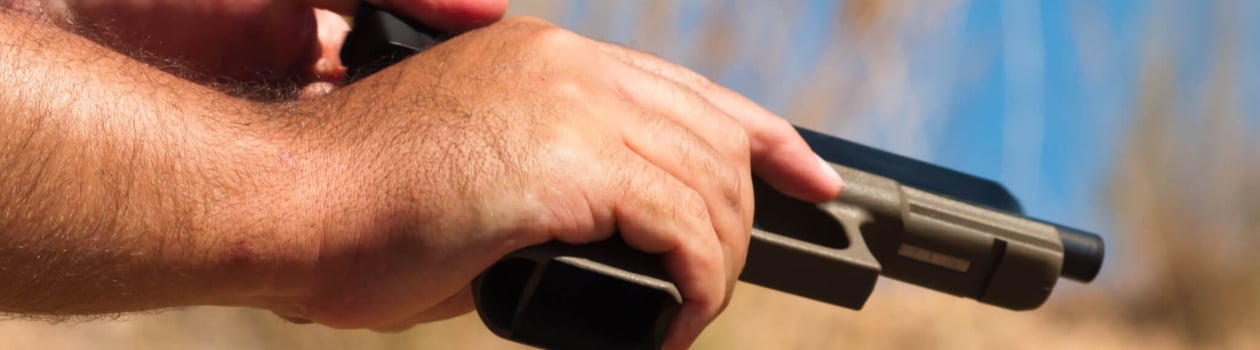
2A Day, celebrated on April 17 each year, is a significant occasion that honors the Second Amendment to the United States Constitution.
This day recognizes the right of Americans to own and carry firearms, a principle enshrined in the nation’s foundational documents.
Deborah Lane first established it in 2019, marking a dedicated time for reflection on and advocacy for gun rights in America.
The importance of 2A Day lies in its celebration of the historic and ongoing significance of the Second Amendment. This amendment, ratified in 1791, is a cornerstone of American freedom, allowing citizens the right to keep and bear arms.
The day encourages people to explore the amendment’s roots, which date back to English common law and were influenced by the English Bill of Rights of 1689.
Over the years, the Supreme Court has upheld the individual’s right to possess guns, particularly for self-defense in the home, highlighting the amendment’s role in ensuring personal and national security.
2A Day Timeline
English Bill of Rights Affirms Right to Arms
England’s Parliament adopts the English Bill of Rights, declaring that “Protestants may have arms for their defence,” a provision that later influences American colonists and the framers of the Second Amendment.
Virginia Declaration of Rights Articulates Militia and Arms Principles
Virginia’s revolutionary Declaration of Rights asserts that a “well-regulated militia” composed of the body of the people is the proper defense of a free state, providing a key model for later state and federal arms protections.
Second Amendment Ratified as Part of the Bill of Rights
The United States ratifies the Bill of Rights, including the Second Amendment, which protects the right of the people to keep and bear arms and ties that right to the concept of a well regulated militia.
Militia Act of 1792 Requires Armed Citizen Militia
Congress passes the Militia Act of 1792, directing most free able-bodied white male citizens to enroll in the militia and provide their own muskets and equipment, reflecting early federal expectations about armed citizens.
Dick Act Modernizes U.S. Militia System
The Militia Act of 1903, known as the Dick Act, restructures state militias into the federally supported National Guard, marking a shift from the traditional citizen militia model associated with early Second Amendment debates.
District of Columbia v. Heller Recognizes Individual Right to Firearms
The U.S. Supreme Court rules in District of Columbia v. Heller that the Second Amendment protects an individual’s right to possess a firearm unconnected with militia service for traditionally lawful purposes such as self-defense in the home.
McDonald v. Chicago Extends Second Amendment to the States
In McDonald v. City of Chicago, the Supreme Court holds that the Second Amendment applies to state and local governments through the Fourteenth Amendment, invalidating Chicago’s handgun ban and reshaping gun-rights litigation nationwide.
History of 2A Day
2A Day marks a special occasion dedicated to the Second Amendment of the United States Constitution, which guarantees Americans the right to bear arms.
Created by Deborah Lane in 2019, this day is celebrated on April 17 each year. It’s a day to reflect on and honor the freedoms enshrined in the Constitution, particularly the right to own and carry firearms.
The history of 2A Day is closely linked with the evolution of gun rights in America. The Second Amendment, ratified in 1791, has been a topic of significant debate and interpretation over the years.
Notably, in cases like District of Columbia v. Heller in 2008 and McDonald v. City of Chicago in 2010, the Supreme Court affirmed the right of individuals to possess guns for self-defense, emphasizing the personal nature of this right while acknowledging certain restrictions.
2A Day isn’t just a celebration but also an opportunity for advocacy and education. Gun stores and shooting ranges often offer promotions, while various events, from parades to music festivals, encourage public participation.
Moreover, it’s a day for discussions on balancing individual rights with public safety, aiming to foster a responsible gun culture in America.
2A Day serves as a reminder of the deep historical roots and the complex discussions surrounding the right to bear arms in the United States, emphasizing both the freedoms and responsibilities that come with gun ownership.
How to Celebrate 2A Day
Celebrating 2A Day offers a variety of activities that honor the Second Amendment and foster a deeper understanding of gun rights and responsibilities. Here are some suggestions on how to celebrate:
Attend a Gun Show
Spending the day at a local gun show can be educational and fun. It’s an opportunity to learn about different firearms, browse new and used guns, and perhaps find deals on guns and accessories.
Host a Backyard BBQ
Gather friends and family for a BBQ to celebrate the day in a social setting. It’s a great way to enjoy good food, discuss gun rights, and spend quality time with loved ones.
Educate Yourself and Others
Use the day to learn more about the Second Amendment and gun safety. Sharing this knowledge with others can help spread awareness and promote responsible gun ownership.
Participate in an Outdoor Activity
Enjoying the outdoors, such as taking a hike in a scenic area, is another way to celebrate 2A Day. It’s a nod to the freedoms protected by the Second Amendment, including the ability to use firearms for hunting and protection in the wilderness.
Support Gun Rights Organizations
Consider joining or donating to national or state-level organizations that advocate for gun rights. This helps support ongoing efforts to protect Second Amendment freedoms.
Facts About 2A Day
Founders’ Fears of Standing Armies
Debates around the Second Amendment grew out of late‑18th‑century American distrust of permanent professional armies, which many founders associated with European tyranny.
Instead, they favored a “well regulated militia” made up of ordinary citizens who could be called up in emergencies, an idea reflected in The Federalist No. 29 and early militia acts that required free white male citizens to enroll and arm themselves.
Militia Service Once Required Personal Firearms
Early federal law assumed that able-bodied men would personally own military‑style arms.
The Militia Act of 1792 required most free white male citizens aged 18 to 45 to enroll in the militia and furnish their own musket or firelock, bayonet, ammunition, and other equipment at their own expense, illustrating how citizen armament was woven into early national defense policy.
English Roots of the American Right to Arms
The framers’ understanding of bearing arms drew in part on the English Bill of Rights of 1689, which declared that “Protestants may have arms for their defence suitable to their conditions and as allowed by law.”
While narrower and more conditional than the later American provision, this English guarantee against royal disarmament of political opponents helped shape colonial expectations about the legitimacy of private arms ownership.
A Global Outlier in Civilian Gun Ownership
The United States has far more civilian‑owned firearms than any other country in absolute and per‑capita terms.
A 2018 Small Arms Survey estimate placed the U.S. civilian stock at around 393 million guns, or roughly 120.5 firearms per 100 residents, meaning there are more guns than people and that civilians in the U.S. own a sizable share of the world’s firearms.
Supreme Court Recognition of an Individual Right
Modern Second Amendment doctrine shifted significantly in 2008 when the U.S. Supreme Court, in District of Columbia v. Heller, held that the amendment protects an individual right to possess a handgun in the home for self‑defense, independent of militia service.
The Court later applied this right against state and local governments in McDonald v. Chicago (2010), reshaping firearm regulation across the country.
Bruen and the “Historical Tradition” Test
In 2022, the Supreme Court’s decision in New York State Rifle & Pistol Association v. Bruen struck down New York’s “proper cause” requirement for public carry permits and announced a new test for Second Amendment cases.
Rather than using traditional balancing of interests, courts must now ask whether a challenged gun law is consistent with the nation’s historical tradition of firearm regulation, greatly elevating the role of history in gun‑rights litigation.
Measuring Defensive Gun Use Is Methodologically Difficult
Researchers have struggled to pin down how often Americans use guns defensively, and estimates vary by an order of magnitude depending on the method.
Large national surveys like the National Crime Victimization Survey usually find hundreds of thousands of defensive gun uses per year, while some private surveys extrapolate several million, leading the National Academies and the Centers for Disease Control and Prevention to conclude that existing data are too limited to produce a reliable single figure.
2A Day FAQs
How has the U.S. Supreme Court interpreted the Second Amendment in modern times?
In recent decades, the U.S. Supreme Court has held that the Second Amendment protects an individual right to possess firearms, particularly for lawful purposes such as self‑defense in the home.
In District of Columbia v. Heller (2008), the Court struck down a handgun ban in Washington, D.C., and clarified that this right is not limited to militia service.
In McDonald v. City of Chicago (2010), the Court ruled that the Second Amendment applies to state and local governments through the Fourteenth Amendment.
At the same time, the Court has stated that the right is not unlimited and that certain longstanding regulations, such as prohibitions on gun possession by felons or in sensitive places like schools, can be constitutional.
What is the historical connection between the Second Amendment and earlier English law?
The Second Amendment traces part of its roots to the English Bill of Rights of 1689, which recognized that Protestants could have arms for their defense as allowed by law.
In England and later in the American colonies, there was a tradition of locally organized militias composed of ordinary citizens who were expected to keep arms and train for defense.
Early American thinkers blended this militia tradition with concerns about standing armies and government tyranny, which helped shape the language of the Second Amendment about a “well regulated Militia” and the “right of the people to keep and bear Arms.”
How do U.S. federal gun laws interact with the Second Amendment?
Federal gun laws set nationwide rules for firearms, while the Second Amendment limits how far those rules can go.
Congress has enacted laws that regulate who may buy or possess guns, which types of weapons are restricted, and how commercial sales must be conducted, such as background checks for purchases from licensed dealers under the Brady Handgun Violence Prevention Act.
Courts review these laws to ensure they do not violate the constitutional right to keep and bear arms, often weighing the government’s interest in public safety against burdens on individual rights.
As a result, some regulations have been upheld, while others have been narrowed or struck down.
Is civilian gun ownership handled differently in other countries compared with the United States?
Civilian gun ownership varies widely across countries, with the United States having some of the highest rates of private firearm possession.
Many nations, such as the United Kingdom and Japan, heavily restrict handguns and require extensive licensing, training, and justification for ownership.
Others, like Canada and Germany, allow civilian ownership under strict storage, licensing, and background check rules.
In most countries, there is no constitutional right to bear arms, so firearms are typically treated as tightly regulated privileges rather than rights.
These differences reflect distinct legal traditions, levels of gun prevalence, and public attitudes about the role of firearms in society.
What are some common misconceptions about the Second Amendment?
One common misconception is that the Second Amendment only protects participation in an organized military force, when modern Supreme Court decisions have held that it secures an individual right to possess firearms for lawful purposes like self‑defense.
Another misconception is that it prevents any form of gun regulation. In reality, courts have long recognized that governments may impose certain conditions on firearm sale, possession, and carrying, as long as those rules do not effectively destroy the core right.
There is also confusion about which weapons are covered; while the Amendment is not limited to 18th‑century technology, some categories of weapons can be more heavily regulated under existing law.
What does research say about firearms, self‑defense, and gun violence in the United States?
Research on firearms and violence in the United States shows a complex picture.
Studies have linked higher levels of firearm availability to higher rates of firearm homicide and suicide at the population level, though they also note that many gun owners never misuse their weapons.
Surveys suggest defensive gun use occurs, but estimates vary widely because of different research methods and definitions.
Public health and criminology scholars often emphasize measures such as safe storage, background checks, and risk‑based restrictions for people with certain violent histories as ways to reduce harm while recognizing existing legal gun ownership.
What are key elements of responsible gun ownership emphasized by safety experts?
Safety experts stress that responsible gun ownership includes secure storage, careful handling, and legal compliance.
Secure storage generally means keeping firearms unloaded and locked, with ammunition stored separately, especially in homes with children or vulnerable individuals.
Training in safe handling, regular practice, and understanding how a specific firearm operates help reduce accidental shootings.
Owners are also urged to follow all applicable laws on purchasing, carrying, and transferring firearms, and to be aware of warning signs of suicide or violence so they can limit access to guns in times of crisis.


You may also like

Top Gun Day
Celebrate Top Gun Day by honoring the iconic movie with watch parties, trivia, quotes, soundtrack singalongs, and appreciation for real-life fighter pilots.
- Australia
- Canada
- United Kingdom
- and 1 more

Susan B. Anthony Day
Susan B. Anthony Day celebrates an important figure in the women's suffrage movement. This day honors her relentless efforts to secure voting rights for women. Known for her fiery speeches and bold actions, Anthony became a symbol of determination and courage in the fight for gender equality. People commemorate this day...

National Loving Day
National Loving Day honors the Loving v. Virginia ruling, celebrating interracial marriage, multi-ethnic families, and the freedom to love without racial barriers.

International Tennis Day
Celebrate International Tennis Day by discovering historic court tennis, its unique indoor courts and traditions, and inspiring new players to join the sport.
- Australia
- France
- United Kingdom
- and 1 more
National days and holidays on April 17 2027

National Ford Mustang Day
Look for an event or showcase near you to admire Ford Mustangs throughout the ages, and learn about the history of this popular every-mans sports car.

National Dog Bite Prevention Week
It is hard to think something as loyal as a dog could ever harm someone. But even the sweetest pup may react when afraid or stressed. National Dog Bite Prevention Week brings this truth into focus. It reminds people that bites often come from everyday situations—startling a dog, grabbing its toy...

No Limits for Deaf Children Day
No Limits for Deaf Children Day celebrates the strength, curiosity, and big dreams of deaf children. It is a reminder that deafness does not place a ceiling on a child’s potential. With accessible communication, high expectations, and supportive communities, deaf children can thrive in school, friendships, sports, the arts, and...

Herbalist Day
Every year at this time, Herbalist Day lights up our calendars, shining a spotlight on the age-old practice of herbalism. This special day honors those skilled in the art of healing with plants. Herbalists tap into the natural properties of herbs to promote health and well-being, making their craft an invaluable...
- Australia
- Canada
- International
- and 2 more
Seize Every Day
Sign up to get reminders, recommendations and guides.