
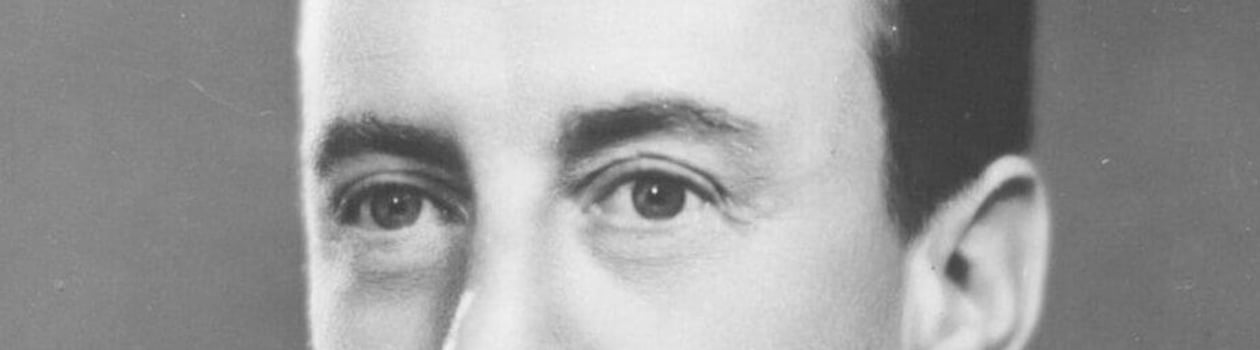
Adlai Stevenson Day celebrates the legacy of Adlai E. Stevenson II, a notable figure in American politics. This day honors his contributions as a diplomat, governor, and presidential candidate.
Known for his progressive ideas and articulate speeches, Stevenson made a significant impact on the Democratic Party and international relations. His dedication to public service and his role in shaping modern politics make this day important.
Adlai Stevenson Day reminds us of his dedication to public service and his vision for a better world. It’s a time to reflect on the importance of standing up for one’s beliefs, even in the face of adversity.
By commemorating his life and work, we honor a leader who truly believed in the power of diplomacy and progressive change. This observance encourages us to continue striving for the values he championed.
Adlai Stevenson Day Timeline
Birth of Adlai E. Stevenson II
Adlai E. Stevenson II is born in Los Angeles, California, into a politically active family that later returns to Bloomington, Illinois, shaping his future in public life.
New Deal Policy Work in Washington
During Franklin D. Roosevelt’s New Deal, Stevenson works in Washington, D.C., as a lawyer and policy aide, helping draft and administer federal programs that hone his reformist, technocratic outlook.
Elected Governor of Illinois
Stevenson is elected governor of Illinois in a landslide, using his term to pursue civil service reform, professionalized law enforcement, improved mental health care, and expanded support for public education.
Drafted as Democratic Presidential Nominee
At the Democratic National Convention in Chicago, Stevenson is drafted as the party’s presidential nominee, becoming the leading voice of an urbane, internationalist liberalism opposing Dwight D. Eisenhower.
Second Presidential Campaign and “Stevensonites”
After securing the Democratic nomination again, Stevenson runs on expanding New Deal-style social programs and arms control, inspiring a devoted following of intellectuals and reformers even as he loses decisively to Eisenhower.
Becomes U.S. Ambassador to the United Nations
President John F. Kennedy appoints Stevenson as U.S. ambassador to the United Nations, placing him at the center of Cold War diplomacy and giving him a global platform for his belief in multilateral problem-solving.
Confrontation Over Cuban Missiles at the UN
In a dramatic Security Council session, Stevenson confronts Soviet Ambassador Valerian Zorin, demands an admission about missiles in Cuba, and unveils aerial photographs, creating one of the Cold War’s most iconic diplomatic moments.
How to Celebrate Adlai Stevenson Day
The celebration focuses on his achievements and values. As the U.S. Ambassador to the United Nations, he played a key role during the Cuban Missile Crisis, standing firm against Soviet threats.
His efforts in promoting peace and democracy resonate with many who see him as a symbol of integrity and courage.
His tenure as the Governor of Illinois also left a lasting mark, with many of his policies influencing future generations.
Host a History Quiz
Throw a trivia night focused on Adlai Stevenson’s life and achievements. Challenge friends with fun facts about his time as a diplomat and governor. This is a great way to learn and have fun simultaneously!
Bake Diplomatic Delights
Whip up some treats inspired by Stevenson’s favorite foods. Try baking cookies or making a meal from the 1950s. Share your creations on social media to spread the word about his contributions.
Watch Historic Speeches
Set up a cozy movie night featuring Stevenson’s famous speeches. His eloquent orations and debates make for a captivating viewing experience. Invite friends over and discuss the impact of his words afterward.
Visit a Landmark
Take a trip to a place significant to Stevenson’s life. Whether it’s a local museum or his hometown, experiencing these sites can bring his story to life. Remember to snap some photos!
Share the Legacy
Write a blog post or create a video about Stevenson’s influence on modern politics. Share his inspiring quotes and how they remain relevant today. Use hashtags to connect with others celebrating the day.
Dress the Part
Host a costume party where everyone dresses in 1950s attire. It’s a playful way to step back in time and celebrate the era in which Stevenson thrived. Include classic music and dance for an extra touch of nostalgia.
Engage in Community Service
Honor Stevenson’s dedication to public service by volunteering locally. Organize a clean-up, help at a shelter, or participate in a community project. Giving back can be a powerful tribute to his legacy.
Read Up and Discuss
Form a book club to read biographies or articles about Stevenson. Discuss his policies and ideas and their impact on today’s world. This will foster a deeper understanding and appreciation for his work.
History of Adlai Stevenson Day
Adlai Stevenson Day began as a way to honor Adlai E. Stevenson II, a notable figure in American politics known for his progressive ideas and influential speeches. This day was initiated to celebrate his contributions as a statesman, diplomat, and governor of Illinois.
The first celebration took place not long after his passing in 1965, with supporters and political admirers advocating for a day to remember his impact on both national and international stages.
The push to create Adlai Stevenson Day came from various supporters and political allies who wanted to ensure his legacy was remembered. Illinois, his home state, played a pivotal role in officially recognizing this day.
Stevenson’s work as the U.S. Ambassador to the United Nations and his two presidential campaigns in the 1950s solidified his reputation, making the establishment of this day a fitting tribute to his life’s work.
Celebrating Adlai Stevenson Day serves to remind people of his dedication to public service and diplomacy. It highlights his efforts in promoting peace during the Cold War and his unwavering commitment to progressive policies.
Facts About Adlai Stevenson Day
Stevenson’s Famous “Hell Freezes Over” Challenge at the U.N.
During the Cuban Missile Crisis on October 25, 1962, U.S. Ambassador Adlai Stevenson II confronted Soviet Ambassador Valerian Zorin in the U.N. Security Council, repeatedly demanding a yes-or-no answer on whether the USSR had placed missiles in Cuba and declaring he was prepared to “wait for [his] answer until hell freezes over,” before unveiling aerial photographs of Soviet missile sites to the world.
Cleaning Up Illinois Politics with a Merit-Based State Police
As governor of Illinois from 1949 to 1953, Adlai Stevenson II replaced a patronage-driven state police force with a merit system, placing hiring and promotion under civil service-style exams and oversight, which was widely cited as a major blow to machine politics and a model for professionalizing law enforcement at the state level.
A Reform Agenda that Reached from Gambling Dens to Mental Hospitals
Stevenson’s Illinois governorship combined anti-corruption efforts with social reform: he cracked down on illegal gambling rackets, doubled state aid to education, and pushed significant improvements in overcrowded and underfunded state mental hospitals, reflecting a mid‑20th‑century shift toward more activist, service‑oriented state governments.
Architect and Later Ambassador of the United Nations
Long before becoming U.S. ambassador to the United Nations in 1961, Stevenson had helped design the institution itself, serving on American delegations to the 1945 San Francisco conference that drafted the U.N. Charter and to follow‑up organizing meetings in London and New York, giving him an unusual continuity from the organization’s birth to its Cold War crises.
Champion of Nuclear Test Limits and Disarmament at the U.N.
At the United Nations in the early 1960s, Stevenson emerged as one of the most persistent voices for arms control and nuclear test limits, using speeches and behind‑the‑scenes diplomacy to press the case for ending atmospheric nuclear tests—work contemporaries later linked to the political momentum that produced the 1963 Partial Test Ban Treaty.
A Political Dynasty Spanning the Vice Presidency and the Senate
Adlai Stevenson II was part of a rare three‑generation political dynasty: his grandfather, Adlai Stevenson I, served as U.S. vice president under Grover Cleveland in the 1890s, while his son, Adlai Stevenson III, later became a U.S. senator from Illinois, making the Stevenson name a fixture in national politics for more than seven decades.
The “Egghead” Who Raised Intellectual Expectations of Candidates
Stevenson’s 1952 and 1956 presidential campaigns, though unsuccessful, helped redefine the image of an American politician: his witty, densely argued speeches and open appeals to “thinking” voters led supporters and critics alike to label him an “egghead,” and scholars note that he raised expectations for substantive, issue‑rich rhetoric in later liberal politics.
Adlai Stevenson Day FAQs



You may also like

Major League Baseball Opening Day
Major League Baseball Opening Day. It’s when you hear that first crack of the bat and roar of the fans. It’s the first sniff of buttery popcorn in the stadium. Many baseball fans will even admit to playing hooky from work on this day. Why? Too take themselves out to the...
- Canada
- Dominican Republic
- Japan
- and 1 more

No Politics Day
In a world of never-ending political drama, put down the news, turn off the debates, and bask in the freedom of a politics-free existence.
- Canada
- International
- United Kingdom
- and 1 more

Peace Corps Day
Peace Corps Day is a special occasion that honors the dedication and hard work of Peace Corps volunteers. These individuals commit to serving in various countries and helping communities with projects in education, health, agriculture, and more. Their service significantly impacts the communities they assist and enriches their home communities...
- United States
Edward Dickinson Baker Day
Edward Dickinson Baker Day celebrates the life and legacy of Edward Dickinson Baker, a larger-than-life American figure who managed to be, at different times, a lawyer, a spellbinding speaker, a legislator in more than one region, and a battlefield commander. He is often remembered for two things that feel almost...
- United States
National days and holidays on February 5 2027

Carnival of Brazil
Samba music, vibrant costumes, and non-stop dancing—this annual festival in Rio de Janeiro is the ultimate party experience you won't forget!
- Brazil

World Nutella Day
With its creamy, chocolatey flavor, this spread makes every breakfast better. Slather it on toast, pancakes, or even fruit!
- Australia
- Canada
- France
- and 3 more

National Give Kids a Smile Day
Ensuring little ones sport bright smiles by nurturing their toothy grins, it's about fostering habits that keep those pearly whites shining.
- United States

National Woman’s Heart Day
National Woman's Heart Day is an important event focused on women's heart health. This day is dedicated to raising awareness about cardiovascular diseases in women, which are often overlooked. Many women do not recognize the symptoms of heart disease, making it vital to spread knowledge and encourage proactive health measures. Heart...
- United States
Seize Every Day
Join free for personalised recommendations, email reminders and exclusive guides. Never miss a day.