Skip to content

On this day we spotlight the vital role zoos play in wildlife conservation and education. Visitors get a closer look at the fascinating world of animals, gaining insights into various species and their habitats. American Zoo Day is also a reminder that a zoo visit can be more than a stroll past exhibits. It can be a chance to see how animal care teams work, how science informs daily routines, and how public support helps fund everything from habitat restoration to veterinary breakthroughs.

How to Celebrate American Zoo Day

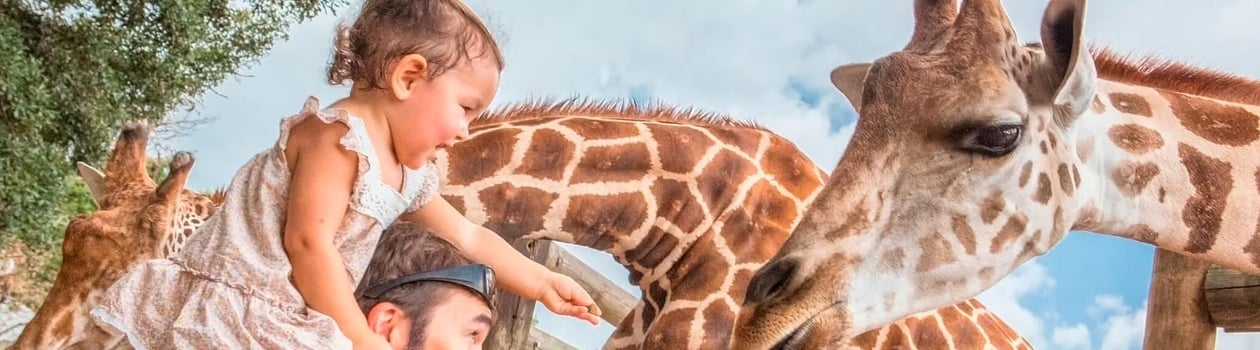
Snap a Zoo-fie!

Why not start the day with a grin and snap a “zoo-fie” with a favorite animal in the background? It’s fun, it’s free, and it might get a few likes on social media too. To make it more than a quick selfie, consider turning the photo into a mini story.

Try capturing something that shows an animal’s natural behavior: a giraffe browsing, a sea lion gliding, a bird preening, or a primate investigating a puzzle feeder. Many zoos design habitats and enrichment activities to encourage these behaviors, so the picture can quietly celebrate good animal welfare practices without getting preachy.

A few zoo-fie pro tips that keep things respectful:

  • Keep flash off. Bright bursts can startle animals and annoy everyone nearby.
  • Use the moment as a teaching tool. Pair the photo with a quick fact about the species, its habitat, or a conservation challenge it faces.
  • Give animals space. If an animal is resting or avoiding view, let it have its peace. The best photo is the one taken patiently, not forcefully.

Become a Zoo Detective

Grab a zoo map and turn into a detective for the day. Seek out the most unusual animals or hidden gems that many visitors might miss. Every clue counts. Plenty of zoo “stars” are actually small, quiet, or camouflage experts, which makes the hunt even more satisfying.

A zoo detective mission can be as simple or as elaborate as the group wants:

  • Look for animals that represent different ecosystems, such as deserts, wetlands, and tropical forests.
  • Identify adaptations. Which animals have webbed feet? Which have specialized beaks, tongues, or claws?
  • Compare habitats. Notice how a zoo uses shade, water features, climbing structures, and varied terrain to support different species needs.
  • Read the signage like it’s evidence. Many exhibits include information about diet, range, and conservation status, along with how visitors can help.

For families, this can become a low-key scavenger hunt: find an animal that is nocturnal, an animal that lays eggs, an animal that can climb, and an animal that swims. For adults, it can be a deeper dive into animal behavior. Who is foraging? Who is resting? Who is watching the crowd like they are evaluating everyone’s outfit choices?

Chat with a Zookeeper

Catch a zookeeper for a quick chat to scoop some juicy secrets about the animals. They might share a funny story or two about the antics that go on behind the scenes. In many zoos, animal care staff members are trained educators as well as caregivers, and their day-to-day insights can make an exhibit come alive.

A good conversation tends to start with good questions. Consider asking:

  • What does a typical day look like for this species?
  • How do keepers encourage natural behaviors through enrichment?
  • What is the animal’s diet, and how is it prepared?
  • How do veterinarians and keepers work together on preventive care?
  • What is the biggest misconception visitors have about this species?

It also helps to know that some questions may not get detailed answers, and that is not a brush-off. Zoos often protect sensitive information for animal safety and privacy, especially when it comes to births, medical cases, or security procedures. Asking respectfully and staying curious keeps the exchange friendly and informative.

If a chat is not possible, keeper talks, demonstrations, and posted schedules can offer similar insights. Even a quick comment like, “I learned something new today,” can be a morale boost for staff members who spend long hours on physical, detail-heavy work.

Adopt an Animal

Feeling generous? One popular way to support a zoo is to adopt an animal. No, it can’t come home, but the support helps keep animals healthy and habitats maintained. Symbolic adoptions generally contribute to food, veterinary care, and enrichment materials, plus broader conservation and education work.

For people who like gifts with meaning, an adoption can be a memorable present. It often comes with a certificate, a photo, and species information. The best part is that it is a donation wrapped in a fun package, which can be a powerful combo when encouraging kids to care about wildlife.

Before choosing an adoption, it can help to think about the impact desired:

  • A favorite species can motivate long-term interest and learning.
  • A threatened species can turn concern into concrete support.
  • A less “glamorous” animal, such as an amphibian or insect, can highlight how biodiversity depends on the small and the overlooked.

Lunch with the Lions

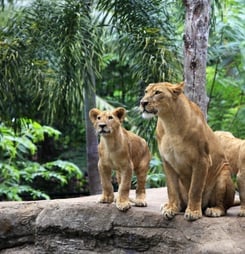
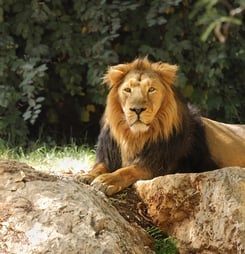
Pack a picnic and enjoy lunch near the lion’s den or any other exhibit that roars your interest. Just keep snacks close. Those critters have a wild appetite, and so do the local birds with a talent for snack heists.

A zoo lunch can be its own kind of celebration if it is done thoughtfully:

  • Choose a spot that does not block pathways or viewing areas.
  • Keep food secured to avoid attracting wildlife like squirrels, birds, or other animals that should not be eating fries.
  • Bring refillable water bottles if the zoo allows it, which cuts down on single-use plastics.
  • Treat the meal as a pause to reflect on what has been learned so far. Which habitat surprised the group? Which animal behavior looked most like something seen in the wild?

Some zoos offer themed dining areas or windows that overlook habitats. Even when the view is just a leafy courtyard, the break can be a reset before more detective work begins.

Significance of American Zoo Day 

American Zoo Day is significant because it underlines zoos’ efforts in conservation and research. These institutions can play a crucial role in protecting endangered species, offering managed breeding programs, supporting rescue and rehabilitation efforts, and serving as a bridge between humans and nature.

In a modern zoo, “conservation” is not just a poster on the wall. It can show up as field projects that protect habitats, research that improves animal health, and partnerships that coordinate how genetically healthy populations are maintained in human care. Many zoos participate in cooperative programs that match animals across institutions to support healthy populations, which can be especially important for species that are rare or difficult to breed. When done responsibly, these coordinated efforts help prevent inbreeding, preserve genetic diversity, and create a safety net for species facing severe threats.

The educational side matters just as much. Through engaging activities and exhibits, zoos teach visitors about challenges wildlife face, such as habitat loss, pollution, invasive species, and climate change. Education can be as simple as learning that a frog’s survival might depend on clean water, or as complex as understanding how fragmented habitats isolate populations. Either way, the message becomes personal when a visitor looks an animal in the eye and realizes it is not an abstract concept. It is a living creature with specific needs.

American Zoo Day also highlights the less visible work that keeps animals thriving:

  • Veterinary medicine: Zoos often have specialized veterinary teams who handle preventive care, diagnostics, nutrition planning, and emergency treatment.
  • Behavioral care: Enrichment programs provide puzzles, scents, varied feeding methods, and habitat changes that stimulate natural behaviors and reduce boredom.
  • Welfare assessment: Many zoos evaluate animal well-being through observation, data collection, and continual habitat improvements.
  • Sustainability practices: Some institutions work to reduce waste, conserve water, and source food responsibly, connecting animal care to broader environmental stewardship.

Why celebrate at the zoo? It’s not just about the fun. This day is an opportunity to support these institutions as they work to safeguard biodiversity. Entry fees, memberships, and purchases often help fund animal care and conservation projects. Even small actions, like attending an educational talk, sharing accurate information with friends, or choosing sustainable products at home, can extend the day’s impact beyond the zoo gates.

Just as importantly, American Zoo Day invites thoughtful engagement. Zoos are sometimes debated spaces, and visitors may carry questions about ethics, habitat size, or animal happiness. A meaningful way to observe the day is to approach those questions with curiosity rather than assumptions. Looking for evidence of good welfare practices, asking staff about enrichment and care routines, and choosing accredited or well-reviewed institutions can turn a simple outing into an informed act of support.

American Zoo Day Timeline

  1. First Continuously Operating Public Zoo Opens

    Tiergarten Schönbrunn opens in Vienna, becoming the world’s oldest zoo and an early model for later public zoological gardens, including those in the United States.

  2. London Zoo Introduces the Scientific Zoological Garden

    The Zoological Society of London opens the London Zoo, often cited as the first modern scientific zoo, emphasizing zoological research and public education.
    https://ppc.animalbehaviorcollege.com/pdf/zap/zap-sneak-peek.pdf

  3. Zoological Society of Philadelphia Is Chartered

    The Commonwealth of Pennsylvania charters the Zoological Society of Philadelphia to establish a zoological garden, laying the groundwork for America’s first zoo.

  4. Central Park Menagerie Begins in New York City

    A public menagerie is created in New York’s Central Park, giving city residents a permanent animal collection that later evolves into today’s Central Park Zoo.

  5. Philadelphia Zoo Opens as America’s First Zoo

    After delays caused by the Civil War, the Philadelphia Zoo opens on July 1, 1874, widely recognized as the first zoological park in the United States.

  6. Congress Establishes the National Zoological Park

    President Grover Cleveland signs an act creating the National Zoological Park in Washington, DC, to advance science and provide instruction and recreation for the public.

  7. National Zoo Association Predecessor to AZA Forms

    North American zoo leaders create the American Association of Zoological Parks and Aquariums, the professional body that later becomes today’s Association of Zoos and Aquariums.

History of American Zoo Day​

American Zoo Day marks a significant milestone in zoo history in the United States.

The day commemorates the opening of the Philadelphia Zoo, the nation’s first, which began welcoming visitors in 1874. This event helped shape how zoos developed across the country, gradually shifting from collections designed primarily for display to institutions expected to provide education, research, and meaningful conservation outcomes.

The Philadelphia Zoo’s story began earlier than its public opening. The zoo was chartered in 1859, reflecting a growing interest in natural history and public education. Plans, however, collided with a major national conflict. The Civil War and its aftermath slowed progress, pushing the project into a long pause. When the zoo finally opened in 1874, it represented persistence as much as novelty, a public-facing institution created during a time when scientific societies, museums, and parks were beginning to reshape how people learned outside of schools.

As zoos spread and evolved, public expectations changed. The early model of barred cages and simple pens gave way, over many decades, to more naturalistic habitats designed around species needs. Advances in animal nutrition, veterinary medicine, and behavioral science transformed daily care. The profession of zookeeping became more specialized, and animal welfare took on a central role in modern zoo planning.

American Zoo Day reflects that long arc. It does not only point back to a single opening day in the 1800s. It also spotlights how zoos continue to redefine themselves. Many institutions now view their work through a conservation lens, supporting breeding programs for threatened species, participating in research that can benefit wildlife in the wild, and helping visitors understand the connections between everyday human choices and animal survival.

Today, American Zoo Day is celebrated as a chance to promote wildlife conservation and highlight what goes into responsible animal care. Zoos may mark it with special talks, enrichment demonstrations, themed activities for kids, and behind-the-scenes learning opportunities that show how animals are fed, monitored, and kept mentally stimulated. For visitors, the day serves as a reminder that a zoo is not only a place to see animals, but also a place to learn how complicated and fascinating it is to care for them well.

At its best, American Zoo Day encourages a stronger connection between people and the natural world. It invites visitors to look closely, ask questions, and leave with more than photos. The hope is that a deeper understanding turns into action, whether that means supporting conservation programs, making wildlife-friendly choices at home, or simply caring a little more about the creatures sharing the planet.

American Zoo Day Facts

  • Zoos Help Bring Species Back From The Brink

    Modern zoos have played central roles in bringing several species back from near extinction through captive breeding and reintroduction.

    The black‑footed ferret, once thought extinct in the wild, survived thanks to a small Wyoming population captured in the 1980s and bred in facilities that included accredited zoos; hundreds of their descendants now live in reintroduction sites across North America.

    Similarly, all remaining California condors were brought into captive breeding programs at zoos like San Diego Zoo Safari Park and Los Angeles Zoo in 1987, and their numbers have since risen from 27 to hundreds, with many flying free again in the western United States and Mexico.

  • The Arabian Oryx Went From “Extinct in the Wild” to Wild Herds Again

    The Arabian oryx, a desert antelope of the Arabian Peninsula, was declared extinct in the wild in 1972 after overhunting wiped out the last known wild individuals.

    Conservationists created a “World Herd” in captivity using animals maintained by zoos and private collections, then began reintroducing oryx to protected areas in Oman and other countries in the 1980s.

    Thanks largely to this zoo‑supported breeding program, the species was downlisted on the IUCN Red List from “Extinct in the Wild” to “Vulnerable,” making it a textbook example of how ex situ herds can restore a species to its natural habitat.

  • Accredited Zoos Attract Hundreds of Millions of Visitors Each Year

    Accredited zoos and aquariums receive a staggering share of the world’s leisure and learning traffic. A One Health review published in the Canadian Medical Association Journal estimated that about 700 million people visit accredited zoos worldwide each year.

    In North America, institutions accredited by the Association of Zoos and Aquariums (AZA) alone report around 180–200 million annual visits, more than the combined attendance of all major U.S. professional sports, which gives these institutions an enormous platform for informal science and conservation education.

  • Zoos Invest Hundreds of Millions in Conservation on the Ground

    Beyond operating exhibits, accredited zoos collectively funnel substantial money directly into field conservation.

    A 2021 analysis in Frontiers in Environmental Science found that AZA‑accredited zoos and aquariums have spent more than 150 million U.S. dollars every year on conservation projects worldwide since 2011.

    The same paper and related One Health work note that when other accredited facilities are included, global zoo and aquarium spending on conservation and research is roughly 350 million dollars annually, supporting efforts from anti‑poaching patrols to habitat restoration.

  • Species Survival Plans Coordinate Breeding Like a Global Family Tree

    In North America, many threatened animals in zoos are managed through Association of Zoos and Aquariums Species Survival Plan (SSP) programs, which treat all individuals of a species in participating zoos as one shared population.

    Studbooks and genetic analyses guide which animals should breed, where offspring should move, and how many individuals each facility should hold, helping maintain genetic diversity comparable to a wild population.

    These SSPs often link directly to field projects, so that captive populations can support reintroduction or bolster wild numbers when needed.

  • Zoos Are Quietly Prolific Scientific Research Institutions

    Although most visitors see zoos as leisure destinations, many also operate as active research centers.

    A study in the journal FACETS examined output from Association of Zoos and Aquariums member institutions and found they produced 5,175 peer‑reviewed scientific papers between 1993 and 2013, with more than 81,000 citations.

    Most of this work focused on zoology and veterinary science, but about 7 percent of the papers each year were explicitly about biodiversity conservation, contributing data on topics such as disease, nutrition, reproduction, and behavior that are difficult to collect in the wild.

  • American Zoos Reach Tens of Millions of Children With Science Learning

    Accredited zoos are among the most visited informal science venues for young people in the United States. Fact sheets from the Association of Zoos and Aquariums report that more than 50 million visitors to AZA‑accredited zoos and aquariums each year are children.

    Combined with structured school programs, camps, and keeper talks, this means that lessons on topics like endangered species, climate change, and habitat loss reach a child audience comparable to that of major national media campaigns, but in a hands‑on, sensory environment.

American Zoo Day FAQs

You may also like

Jump to main navigationJump to content