
Camp Fire Girls Day celebrates the spirit of exploration, leadership, and service that has defined the organization for over a century.
It honors the growth, achievements, and community contributions of young people who participate in Camp Fire.
This movement began as a way to provide girls with meaningful outdoor experiences and skill-building activities long before it became open to all youth.
The significance of this day goes beyond just celebrating achievements. It shines a light on how Camp Fire continues to empower young people to grow into thoughtful, responsible citizens.
The inclusivity and personal development values that Camp Fire embodies have remained central to its mission.
These experiences shape youth by fostering independence, teamwork, and a love for the environment. In a fast-changing world, Camp Fire Girls Day reminds us of the impact that small acts of service and leadership can have in shaping better communities and, ultimately, a brighter future.
Camp Fire Girls Day Timeline
Founding of Camp WoHeLo
Luther and Charlotte Gulick establish Camp WoHeLo on Lake Sebago in Maine, a girls’ summer camp that becomes the laboratory for ideas that later shape the Camp Fire Girls program and its focus on outdoor living and character growth.
Creation of the Camp Fire Girls Program
The Gulicks and colleagues develop Camp Fire Girls in 1910 as a structured program for girls, emphasizing camping, nature study, and everyday skills as a counterpart to the new Boy Scouts of America.
National Incorporation of Camp Fire Girls of America
Camp Fire Girls of America is incorporated as a national organization, rapidly expanding its councils and becoming the first national, nonsectarian organization for girls in the United States.
Blue Birds Program for Younger Girls
Camp Fire introduces Blue Birds for younger girls, adding an entry-level program that uses games, crafts, and family-centered activities to ease children into the wider Camp Fire Girls experience.
Formal Commitment to Minority Inclusion
Amid World War II, Camp Fire adopts a national policy advocating the inclusion of minority groups in its programs, reinforcing its public stance as an interracial, multicultural organization for girls.
Pioneering Counselor‑in‑Training Model
Camp Fire creates one of the first formal Counselor‑in‑Training programs in American camping, later sharing this leadership development model with other youth organizations across the country.
Transition to Coeducational Camp Fire
Reflecting changing views on gender and leadership, the organization opens all programs to boys, changes its name to Camp Fire Boys and Girls, and promotes coed collaboration in service and outdoor learning.
How to Celebrate Camp Fire Girls Day
Camp Fire Girls Day is a chance to celebrate creativity, nature, and community. Whether honoring traditions or starting new ones, there are many fun ways to enjoy this day.
Gather Around a Campfire
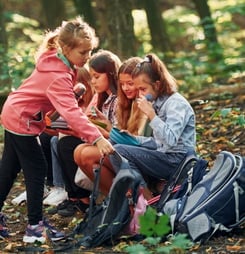
Nothing says Camp Fire like, well, a campfire! Whether at home or in a park, set up a cozy outdoor fire. Roast marshmallows, share stories, or even sing songs. It’s a perfect way to enjoy time with friends and reflect on the spirit of Camp Fire.
Organize a Nature Walk
Get outside and explore! Host a nature walk in a local park or forest. Collect leaves, identify birds, and enjoy a peaceful environment. It’s a great reminder of the bond between Camp Fire and the great outdoors.
Host a Craft Session
Create something special! Gather supplies and dive into a fun craft project. Make friendship bracelets, nature-inspired art, or birdhouses. These creative sessions not only inspire but can also become lasting keepsakes.
Plan a Service Project
Giving back is a huge part of Camp Fire’s legacy. Organize a small community service project, such as a park cleanup or planting a tree. Even a small act of service can bring people together and make a positive difference.
Share Camp Fire Stories
Take a trip down memory lane! Host a storytelling event where former Camp Fire members can share their favorite memories. Those unfamiliar with Camp Fire can learn more about its rich history while enjoying these personal tales.
History of Camp Fire Girls Day
Camp Fire Girls Day traces its roots back to the founding of the Camp Fire organization in 1910.
Dr. Luther Halsey Gulick and his wife, Charlotte Vetter Gulick, started the movement to give girls the same opportunities for outdoor learning and personal growth that boys had through groups like the Boy Scouts.
The Gulicks wanted to foster a sense of self-discovery and community in young girls through activities that promoted both leadership and service.
Initially called Camp Fire Girls, the organization grew rapidly, with groups forming across the United States. As the years passed, the group’s focus expanded to embrace inclusivity and diversity, becoming one of the first multiracial, nonsectarian organizations for girls in the country.
The event known as Camp Fire Girls Day celebrates this heritage, honoring the organization’s long-standing commitment to personal development and its evolving, forward-thinking mission.
In 1975, the group became co-ed, reflecting its goal of providing valuable life experiences for all young people.
Facts About Camp Fire Girls Day
Beads as a Visual Record of Skills
Camp Fire Girls popularized a bead system in which each small glass bead stood for a specific completed task, from learning first aid to cooking a meal over an open fire.
Worn on leather thongs or attached to ceremonial gowns, these “honor beads” created a visible, cumulative record of outdoor skills, home crafts, and service, and they influenced how other youth organizations thought about tracking achievement.
WoHeLo: A Motto Built from Three Words
The early Camp Fire movement centered on the coined word “WoHeLo,” derived from work, health, and love.
First used at the Gulicks’ private girls’ camp on Maine’s Sebago Lake in 1907, WoHeLo became a core motto that framed outdoor adventure not just as play, but as a way to build practical competence, physical well-being, and caring relationships.
An Early National Force in Girls’ Camping
Within just a few years of its formal incorporation in 1912, Camp Fire Girls had tens of thousands of members and helped normalize the idea that girls should attend organized summer camps.
Its early success, highlighted in camping history scholarship, made it one of the key influences on the American Camp Association and helped establish resident camping as a mainstream experience for girls rather than a novelty.
Boundary-Pushing, Yet Shaped by Its Era
Historians note that while Camp Fire Girls promoted outdoor skills and public service for girls in ways that challenged strictly domestic expectations, its early programs still reflected contemporary ideas about “proper” girlhood and race.
Academic work on the group shows that its inclusive aspirations sometimes ran up against local segregation and cultural norms, illustrating how youth organizations can both push and mirror social change at the same time.
One of the First Multiracial, Nonsectarian Girls’ Organizations
Camp Fire is recognized by the organization itself and by historians as the first national girls’ group in the United States that was nonsectarian and intentionally multiracial.
Policy statements in the 1940s explicitly affirmed participation regardless of race, creed, or national origin, which set it apart from many contemporaneous youth groups that were tied to particular churches or practiced de facto segregation.
From “Blue Birds” to “Starflight” for Younger Children
To reach younger children, Camp Fire introduced the Blue Birds program in 1913 for girls roughly in the early elementary grades.
Focused on family, creative play, and simple nature activities, it gave children a stepping stone into more advanced outdoor and leadership work; in 1989 the organization modernized the branding and renamed this entry-level program “Starflight.”
Early Use of Native American Imagery in Youth Programming
Twentieth-century Camp Fire uniforms and ceremonies frequently borrowed imagery from Native American cultures, including stylized designs, “Indian” names, and fringed ceremonial gowns.
Archival collections and state historical societies document how this romanticized use of Indigenous motifs was common in youth organizations of the period, and how it later became a subject of reexamination as attitudes about cultural appropriation and representation evolved.