
Catfish are fish from a number of species that usually feature whisker-like barbels near the mouth. They are typically bottom-feeders in freshwater (although they can be trained to eat from the surface when farmed), and many species are farmed or fished for food.
Who would have known that there would actually be an entire day devoted to celebrating these fish with whiskers? Well, now is the time to not only celebrate National Catfish Day but also to tell a friend about it.
Happy National Catfish Day!
How to Celebrate National Catfish Day
Join in on the various fun activities of National Catfish Day by celebrating this creature in a variety of ways. Choose some of these ideas or come up with other creative ideas of your own:
Put Catfish on the Menu at Home
Making catfish at home can be fairly simple. Many people like to grill or fry it with a simple breading made of flour or cornmeal. But catfish doesn’t have to be boring! Try out these unique ideas for an adventurous culinary experience surrounding this fish:
- Pretzel Crusted Catfish. The pretzels in the breading bring out a unique, salty flavor that works well with the white fish.
- Blackened Catfish with Mango Avocado Salsa. A healthier way to cook catfish, instead of frying it in oil, is blackening it on the grill. Serve it with a healthy fruit salsa that brings out the natural tastiness.
- BLT Catfish Sandwiches. Catfish can have a whole new lease on life when added to a traditional bacon, lettuce and tomato sandwich. Serve with mayonnaise or sweet chili sauce for an extra zing.
- Cajun Baked Catfish. Another healthier alternative to frying is baking catfish. And adding cajun-type spices to a cornmeal breading is simply to die for.
Head South for a Catfish Dinner
To find the best that catfish has to offer, it might be necessary to take a trip down to the southern parts of the United States, where catfish hails from.
The fish is likely to be fresher and the chefs are likely to be more adept at cooking this southern specialty. Give these southern restaurants a try in celebration of National Catfish Day:
- Jerry’s Catfish House, Florence, MS. Might as well start in Mississippi, where the catfish are prolific. Jerry’s is one of Florence’s oldest catfish houses and they are a well-kept secret (without any social media presence). But their catfish, hushpuppies and coleslaw are to die for.
- Johnny’s Catfish & Seafood, Shreveport, LA. Moving over to the bayou state, the owners here are generous with portions and even sell big bags of their cornmeal and flour breading for folks to make their own catfish at home.
- Paramore Too Restaurant, Blountstown, FL. Getting way down south, this restaurant might look ho-hum from the outside, but the huge portions and delicious fresh fish make it worth a visit to this cash-only restaurant.
- Catfish Kitchen, Benton, KY. A truly down-home place, this unassuming southern catfish restaurant lets guests feed the turtles in the back pond. Order the catfish fried as it is usually served or call ahead to have it baked in advance.
Join in on a National Catfish Day Festival
Several American cities now have festivals known as “National Catfish Days” in late July, featuring sporting events, fairs, parades, fun runs, beauty pageants and other family-friendly activities.
The “World Catfish Festival” is held in Belzoni, Mississippi, which boasts a 65-mile radius where around 60% of America’s farm-raised catfish are grown.
They’ve been holding the catfish festival here annually since at least 1975. This was at least ten years before President Reagan and Congress made National Catfish Day official–so Belzoni was certainly ahead of the game.
Kingsland, Georgia, another southern town has been hosting its annual outdoor festival since 1983 (often happening later in the year).
Arts, crafts, live music, food vendors, a beauty pageant, a 5K fun run and more can all be participated in for this Catfish Festival. Of course, one of the most important events is a Catfish Cookoff!
Another National Catfish Days celebration can be found in Wilmington, Illinois. Even though it’s located in the northern parts of the US, this farming community just southwest of Chicago has been called “Catfish Town”.
Hailing back to 1976, National Catfish Days was held for a decade, stopped for about 15 years, and has been back ever since. Try out a catfish dinner, enjoy live music, play volleyball, visit the flea market or join in on other local activities.
Learn a Bit About Catfish
Many people aren’t really aware of much about this ray-finned fish, like the fact that their name comes from the barbels prominent on the sides of their faces that resemble the whiskers on a cat. Other interesting facts about this nocturnal fish include:
- At least 2900 different species of catfish can be found in rivers or coastal waters on all of the continents on the planet except for Antarctica.
- Depending on species and location, a catfish in the wild could live up to 60 years. That’s quite a lifespan for a fish!
- Catfish are prolific breeders. In fact, a single catfish can lay up to 4000 eggs per pound of its body weight each year.
- Catfish are the 5th most popular fish to be eaten in the United States, and they are farmed in freshwater ponds that are only between four and six feet in depth.
Laugh Out Loud with Catfish Jokes
“Have you ever seen a cat-fish? No. I didn’t realize they could bait a hook!”
Put a smile on someone’s face and share these silly catfish jokes with friends, family or coworkers to get into the spirit of National Catfish Day:
- What do you call a catfish that doesn’t want to take the bait? Standoff-fish.
- What’s the best way to communicate with a catfish? Drop it a line.
- What kind of fish chase mice? Catfish, of course.
- What did the catfish say when he posted bail? I’m off the hook!
National Catfish Day Timeline
Catfish Lineage Emerges
Fossil and molecular evidence indicate that otophysan fishes, the group that includes catfish, diverged in the Late Jurassic, setting the stage for the spread of catfish into freshwater habitats worldwide.
Catfish Become Long‑Standing Food Fish
Government fishery records note that catfish have been “popular and plentiful” food fish for thousands of years, with folklore about giant river catfish reflecting a long history of subsistence and commercial use.
Indigenous Peoples Rely on Native Catfish
Archaeological and historical syntheses report that Native American communities in the southern United States harvested native channel and other catfish as part of river‑based diets long before European settlement.
Catfish Cemented in Southern Foodways
As Southern cuisine took shape from Native, African, and European influences, catfish became a staple protein in rural and working‑class diets, especially among African American communities, often featured at communal fish fries.
First Commercial Catfish Ponds in the U.S. South
Channel catfish move from wild catch to organized aquaculture when farmers in the Southern United States begin operating the first commercial production ponds, creating a new agricultural industry around farm-raised catfish.
Mississippi Delta Becomes Catfish Farming Powerhouse
Satellite and economic analyses show that former cotton lands in Mississippi’s Delta have been converted into leveed ponds, making Mississippi the leading U.S. producer of farm‑raised catfish and transforming the regional rural economy.
Scientific Breeding Transforms Farm‑Raised Catfish
USDA and university programs develop improved genetic lines and production systems, such as Delta Select strains, boosting growth, feed efficiency, and disease resistance, and turning catfish aquaculture into the largest U.S. aquaculture sector.
History of National Catfish Day
National Catfish Day is a day that dates back a few decades to June 25, 1987. This was when US President Ronald Reagan notably opened a presidential address by speaking about the culinary pleasures of eating catfish and farmed catfish in particular.
Although this probably feels like a really strange topic for a presidential speech, there was a purpose to it. The American President then went on to explain how catfish farming was able to create both a stable income for catfish farmers as well as an affordable and healthy food source for the American people.
National Catfish Day is now traditionally celebrated on the anniversary of President Reagan’s address. It is observed primarily in the United States, by preparing and eating catfish, as well as with a few catfish festivals that are hosted in various cities at different times of the year.
Although catfish is a popular dish in many regions, it is extremely popular as a breaded and fried dish in the southern parts of the US, where its popularity indirectly led to the creation of the holiday.
National Catfish Day Facts
Super‑Powered Taste Buds All Over the Body
Channel catfish, the primary farmed catfish in the United States, have tens of thousands of taste buds not just in their mouths but across their skin, fins, and especially their barbels.
This external “taste” system is so sensitive that catfish can detect amino acids from potential food at concentrations of only a few parts per billion in dark or muddy water.
Catfish Aquaculture Exploded 100-Fold in 16 Years
When President Reagan highlighted farm‑raised catfish in 1987, he cited a dramatic expansion of U.S. pond catfish production from about 5 million pounds in 1970 to more than 630 million pounds a year by the mid‑1980s, much of it from the Mississippi Delta and neighboring Southern states.
That rapid growth helped turn catfish into one of America’s most important aquaculture products.
Channel Catfish Turn Feed Into Edible Protein Efficiently
Farmed channel catfish are favored in aquaculture partly because they convert feed into flesh efficiently compared with many terrestrial livestock.
U.S. Department of Agriculture data show typical feed conversion ratios close to 2:1 (about 2 pounds of feed for 1 pound of weight gain), which, combined with low mortality in well‑managed ponds, makes them economically attractive for rural producers.
A Giant Mythic Catfish “Causes” Earthquakes in Japan
In Japanese folklore, a gigantic catfish called Namazu lives beneath the earth and is believed to cause earthquakes when it thrashes about, only kept in check when the Shinto deity Kashima pins it down with a massive stone.
After the devastating 1855 Ansei Edo earthquake, popular woodblock prints known as namazu‑e portrayed this earthquake catfish in satirical scenes that doubled as social commentary on disaster and wealth redistribution.
Indonesian Catfish Folklore Enforces a No‑Catfish Rule
A Javanese folktale about a figure named Boyohpatih tells how a catfish once saved him from drowning, leading his descendants to vow never to eat catfish as an expression of gratitude and filial piety.
A literary analysis of this story from Madura, Indonesia, finds that the inherited ban on catfish functions as a teaching tool about obedience, respect for parents, and moral self‑control.
Catfish Help Anchor Rural Economies in the U.S. South
By the 2000s, U.S. farm‑raised catfish had become heavily concentrated in just a few Southern states, with Mississippi, Alabama, Arkansas, and Texas accounting for the vast majority of pond acreage.
USDA reports note that in some Delta counties, catfish farming and processing plants provided hundreds of local jobs and became central to diversifying incomes for former cotton farms.
Global Catfish Farming Is Now Led by Asian Species
While the United States relies mainly on channel catfish, global catfish aquaculture is dominated by Asian groups such as pangasius and African sharptooth catfish (Clarias gariepinus), raised intensively in countries like Vietnam, India, Bangladesh, and Egypt.
Food and Agriculture Organization statistics show pangasius catfish alone reaching several million metric tons a year, much of it exported as inexpensive white fillets.
National Catfish Day FAQs



You may also like
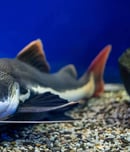
National Catfish Month
Go fishing for catfish, order it at a restaurant, or try your hand at cooking up your own fish using any number of tasty but simple catfish recipes.
National Farm Workers Day
Help fundraise or donate to charities that aid farmers in order to support the hard workers who keep our agricultural systems running, and food in our stores.
- Australia
- Brazil
- Canada
- and 3 more
National Catch and Release Day
Imagine a bright, sunny morning by a crystal-clear river. Anglers gather, rods in hand, ready to cast their lines. It’s National Catch and Release Day, and the air buzzes with excitement. Families and friends, from beginners to seasoned pros, share tips and tricks for a successful catch. Everyone is eager to...
- United States
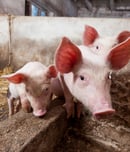
World Farm Animals Day
Created in memory of Gandhi, who advocated respecting all animals, National Farm Animal Day is about the crucial and often mistreated farm creatures.
- Canada
- International
- United Kingdom
- and 1 more
National days and holidays on June 25

National Handshake Day
From business deals to sportsmanship, a good handshake conveys confidence, warmth and professionalism, making a lasting first impression!
- Canada
- United Kingdom
- United States

Color TV Day
Host a TV or movie watching marathon and work your way through different eras to see how color TV has developed, improved and changed over time.
- United States

Global Beatles Day
Put on your favorite Beatles record and honor the British global phenomenon that changed the face of music forever, and continues to influence musicians everywhere.
- United Kingdom
- United States
International Day of the Seafarer
Honor the vital role seafarers play in global trade. Discover their challenges, rights, and safety, and explore meaningful ways to thank and support them.
- Philippines
- United Kingdom
- United States
Seize Every Day
Join free for personalised recommendations, email reminders and exclusive guides. Never miss a day.