Skip to content

National Strawberry Parfait Day spotlights a dessert that looks fancy, tastes even better, and somehow manages to feel right for both balmy afternoons and sweater-weather cravings. The name may sound like it belongs on a tiny café menu written in elegant script, but the idea is wonderfully simple: sweet strawberries tucked into creamy layers, stacked up in a clear glass like edible architecture.

How to Celebrate National Strawberry Parfait Day

A strawberry parfait is one of those rare treats that can swing either virtuous or downright decadent depending on what gets layered inside. It can be breakfast with a wink, an afternoon snack that feels a little special, or a plated dessert that earns a dramatic spoon-to-glass scrape at the end. The best part is that “parfait” is less a strict recipe and more a format: layers, contrast, and a balance of creamy, juicy, and crunchy.

Before choosing a style, it helps to think in three building blocks:

  • Creamy layer: yogurt, whipped cream, custard, pudding, mascarpone, or ice cream
  • Strawberry layer: fresh sliced berries, macerated berries with syrupy juices, or a quick strawberry compote
  • Crunchy layer: granola, toasted nuts, crushed cookies, ladyfingers, cake cubes, cereal, or even toasted coconut

A clear container is traditional for a reason: the layers are part of the fun. A tall glass is classic, but a mason jar, small tumbler, or even a teacup can pull off the look.

Enjoy a Breakfast Parfait

Breakfast parfaits have a talent for feeling like dessert while still being fairly practical. A good one hits three goals at once: it’s creamy enough to feel indulgent, structured enough to scoop neatly, and bright enough to wake up the taste buds.

Start with the right yogurt. Thicker yogurts are the easiest to layer and the least likely to turn runny. Greek yogurt is a popular choice because it’s naturally thick and tangy, which plays nicely with sweet strawberries. Plain yogurt gives the most control over sweetness, while vanilla yogurt leans into the “treat” side of breakfast.

Pick a crunch that stays crunchy. Granola is the classic, but not all granola behaves the same way. Cluster-style granola holds up longer. If the parfait will sit for a while, consider keeping the granola separate and sprinkling it on top right before eating. That single move prevents the dreaded soggy middle layer.

Give the strawberries a quick upgrade. Sliced strawberries are great, but macerated strawberries are a different level. To macerate, strawberries are tossed with a little sugar and left to rest until they release their juices and turn glossy. The result is a naturally sweet strawberry “sauce” without cooking anything. A pinch of salt can make the berries taste more strawberry-like, and a small splash of citrus juice can brighten them.

Layer with intention. A breakfast parfait often works best with smaller, more frequent layers rather than one huge yogurt block and one huge fruit block. Thin layers distribute flavor in every bite.

A simple breakfast build might look like this:

  1. Spoon in a layer of yogurt.
  2. Add a layer of strawberries and their juices.
  3. Sprinkle granola.
  4. Repeat until the container is nearly full.
  5. Finish with a few strawberry slices on top for that postcard look.

Optional upgrades that still feel breakfast-appropriate:

  • A drizzle of honey or maple syrup
  • Chia seeds or ground flax for extra texture
  • Toasted sliced almonds or chopped pistachios
  • A dusting of cinnamon in the yogurt layer
  • A spoonful of nut butter swirled into the yogurt

A breakfast parfait is also a friendly make-ahead option if the crunchy layer is handled carefully. Yogurt and fruit can be layered in advance, while granola is stored separately and added at the last second.

Try a Dessert Parfait

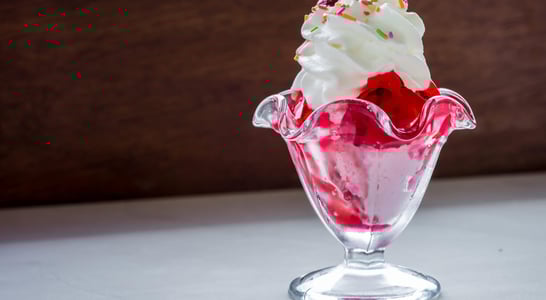
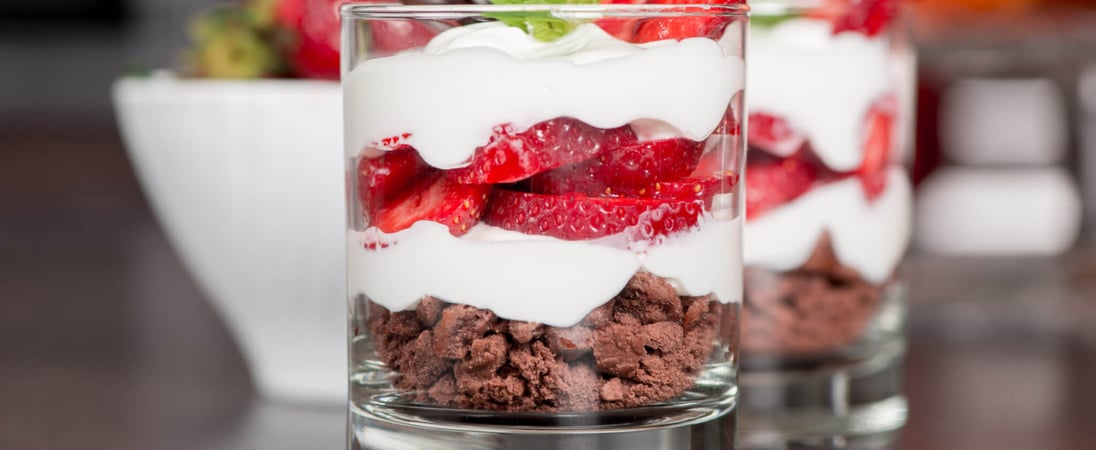
Dessert is where strawberry parfaits really show off. The layers can become richer, the portions can get taller, and the textures can turn more dramatic. This is also the version that most people picture when they imagine a classic parfait glass: a clear, tall vessel designed to spotlight every stripe and swirl.

Use a proper glass if possible. A parfait glass is traditionally tall and clear, sometimes stemmed, and built for presentation. That said, any clear glass works, and smaller glasses create a more elegant portion. The goal is to make the layers visible and easy to spoon.

Choose a dessert “base” with structure. Pound cake cubes are a natural fit because they hold their shape, soak up strawberry juices, and bring a buttery richness. Other good options include sponge cake, angel food cake, crisp cookies, or brownie cubes if the plan is to lean into chocolate-and-strawberry territory.

Bring in a creamy layer with body. Custard, pastry cream, vanilla pudding, or lightly sweetened whipped cream all work well. For a sturdier parfait that holds its shape, a thicker custard-style layer is ideal. For a lighter feel, whipped cream or a whipped cream and mascarpone mix gives fluff without sacrificing richness.

Let strawberries do what they do best. For dessert, strawberries can be used in multiple forms:

  • Fresh sliced for bright flavor and clean texture
  • Macerated for a syrupy layer that seeps into cake
  • Quick compote for deeper flavor and a jammy consistency

A compote is especially useful when strawberries are less aromatic, because gentle cooking concentrates flavor. It also creates a naturally thick layer that sits neatly in the glass.

A classic dessert approach:

  1. Add a layer of cake cubes to the bottom of the glass.
  2. Spoon in custard or pudding.
  3. Add a generous layer of strawberries (macerated or compote-style).
  4. Repeat layers until nearly full.
  5. Finish with whipped cream, a final strawberry, and a crunchy garnish such as cookie crumbs or toasted nuts.

Small details that make it feel restaurant-worthy:

  • Chill the glasses before assembling so the layers stay crisp and cool.
  • Pipe whipped cream for clean lines instead of spooning it in.
  • Add a pinch of salt to custard or whipped cream to keep sweetness from getting flat.
  • Use different strawberry cuts, such as slices for the sides and chopped berries for the center, to make the glass look “designed.”

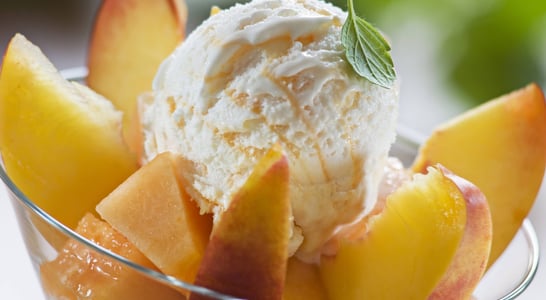
For those who like the ice cream shop style of parfait, layers of ice cream or frozen custard with strawberries and whipped cream are a nostalgic route. The trick there is speed: assemble quickly so the layers stay distinct instead of melting into a pink-and-cream blur.

Share Parfait Day

National Strawberry Parfait Day is tailor-made for sharing because parfaits are interactive. People can choose their own layers, experiment with textures, and build a glass that matches their mood. It is also a celebration that scales easily from one person to a full-on parfait bar.

A parfait bar is simple to set up:

  • Put creamy options in bowls with spoons.
  • Set out strawberries in multiple forms: fresh slices, macerated berries, and possibly a compote.
  • Offer crunchy elements like granola, toasted nuts, and crushed cookies.
  • Add a few “extras” such as chocolate shavings, coconut, citrus zest, or a drizzle sauce.
  • Provide clear cups or glasses so the layers can be admired.

Sharing can also mean swapping ideas rather than servings. People often have strong opinions about their “perfect” parfait ratio: more fruit than cream, extra crunch, minimal sweetness, or maximum dessert energy. Trading recipes with friends, neighbors, or coworkers turns a simple treat into a mini tradition, and it encourages experimentation with new ingredients.

For a playful twist, a group can do a “mystery layer” challenge where everyone adds one surprise topping to the bar. It stays family-friendly and fun while reminding everyone that parfaits are supposed to be a little whimsical.

History of Strawberry Parfait Day

The appeal of National Strawberry Parfait Day rests on two culinary favorites meeting in the middle: the parfait format and the strawberry’s long-running reputation as a star fruit. The name “parfait” comes from French and translates to “perfect,” which is fitting for a dessert that is essentially built from perfect little bites stacked on repeat.

Parfaits, however, are not one single thing everywhere.

In French culinary tradition, a parfait refers to a specific frozen dessert, usually made from a rich mixture that can include cream, sugar, and eggs, then frozen until smooth and sliceable or spoonable. It is closer in spirit to a frozen custard dessert than to a layered sundae. This version focuses on richness and texture, and it highlights technique as much as ingredients.

In American usage, “parfait” most often means a layered dessert served in a clear glass. This is the style that turned parfaits into showpieces: fruit and creamy elements stacked in stripes, sometimes with syrup, sometimes with cake, sometimes with crunchy layers.

Ice cream shops helped popularize this look because the glass itself becomes part of the experience, advertising the layers before the first bite is taken. Specialized parfait glasses evolved precisely for that purpose, tall and clear so the layers could perform.

In the United Kingdom, the word “parfait” can also refer to a savory dish, a very smooth pâté-like spread often made with liver and enriched with alcohol. It is a completely different branch of culinary vocabulary, and a good reminder that food words love to travel and reinvent themselves.

So where does the strawberry fit into all of this? Strawberries have been eaten in various forms for centuries, but the large, bright, cultivated strawberry most people recognize is the modern garden strawberry, known botanically as Fragaria × ananassa.

This strawberry was developed in France in the 18th century, with Brittany commonly cited as the region where it took shape. That development helped move strawberries from small wild berries to the generously sized fruit that can anchor desserts, fill a glass with color, and still taste fresh rather than heavy.

A strawberry parfait makes the most of what strawberries do naturally well:

  • Color: the red-and-cream contrast is instantly appetizing.
  • Aroma: strawberries bring fragrance that reads as “dessert” before a bite even happens.
  • Acidity: that slight tang keeps creamy layers from feeling cloying.
  • Juice: strawberries create their own sauce when macerated, adding flavor without extra work.

National Strawberry Parfait Day itself belongs to the modern tradition of food-themed observances that encourage people to notice an everyday favorite and give it the spotlight. While the day’s specific creator is not widely documented, the celebration has an easy logic: it nudges people to build something beautiful in a glass, appreciate the craft behind simple layering, and give strawberries the kind of attention they tend to reward.

In the end, the strawberry parfait has endured because it is both flexible and dramatic. It can be humble yogurt and granola or a towering dessert with cake and custard. It can be carefully styled or casually spooned together. Either way, the “perfect” in parfait ends up feeling less like a claim and more like an invitation to build a version that tastes exactly right.

National Strawberry Parfait Day Facts

  • French Parfait Started as a Semi-Frozen Custard, Not a Layered Glass Dessert

    In classical French cuisine, a parfait was originally a semi-frozen dessert made by boiling cream, eggs, sugar, and syrup into a custard- or meringue-like mixture, then freezing it in a mold and slicing it to serve, rather than layering it visibly in a tall glass. 

  • American Parfaits Turned “Perfect” Custard into a Sundae-Style Layered Treat

    When parfaits crossed the Atlantic, American cooks transformed the French frozen custard into a sundae-style dessert, typically served in a tall clear glass with visible layers of ice cream or yogurt, fruit, syrups, nuts, and whipped cream so that the contrasting textures and colors could be seen. 

  • The Modern Strawberry Is a Franco-American Hybrid

    The garden strawberry used in most desserts today, Fragaria × ananassa, originated in 18th‑century France when the North American strawberry Fragaria virginiana and the Chilean strawberry Fragaria chiloensis were grown together and naturally cross‑pollinated, producing larger, more flavorful fruit than either wild parent. 

  • A French Spy Helped Create Today’s Strawberries

    According to horticultural histories, French officer and spy Amédée‑François Frézier returned from Chile in the early 1700s with live strawberry plants of Fragaria chiloensis, which were later grown alongside North American strawberries in French gardens; this unlikely act of botanical espionage set the stage for the hybrid that became the modern garden strawberry. 

  • Strawberries Are Packed with Vitamin C and Protective Polyphenols

    Fresh strawberries provide about 50 calories per cup yet deliver high amounts of vitamin C, dietary fiber, and polyphenols such as anthocyanins and ellagic acid, compounds that have been studied for antioxidant and anti‑inflammatory effects relevant to cardiovascular health. 

  • Yogurt-and-Fruit Parfaits Combine Probiotics and Prebiotics in One Glass

    Nutrition research suggests that pairing yogurt, which can supply live probiotic bacteria and high‑quality protein, with fruit, which adds fiber and polyphenols that act as prebiotic substrates, creates a combination that may support a healthier gut microbiome and improve markers of cardiometabolic health compared with consuming either component alone. 

  • A Well-Balanced Yogurt Parfait Can Help Steady Blood Sugar

    Health guidance on parfait-style snacks notes that when yogurt is unsweetened and layered with whole fruits like strawberries plus modest amounts of fiber-rich grains, seeds, or nuts, the mix of dairy protein and fiber can blunt post‑meal blood sugar spikes, making it a more blood-sugar-friendly choice than many traditional desserts. 

You may also like

Jump to main navigationJump to content